Mammogram Pain Reduced by Over-the-Counter Anesthetic Gel
|
By HospiMedica International staff writers Posted on 27 Aug 2008 |


|
The simple application of a pain-relieving gel may reduce the breast discomfort some women experience during mammography exams, according to results of a recent clinical trial.
"We now have something that we know reduces discomfort with screening mammography in women who expect higher discomfort--lidocaine gel,” said the trial's lead investigator, Colleen Lambertz, F.N.P., a nurse practitioner at St. Luke's Mountain States Tumor Institute (Boise, ID, USA). "With a more positive experience, we hope women will undergo more regular mammography screening.”
Breast cancer affects more women than any other non-skin cancer and, according to the American Cancer Society, accounts for more than 40,000 deaths annually in the United States. Most specialists concur that the best way to decrease breast cancer mortality is through early detection using mammography and clinical breast exam.
"Mammography is the only screening tool proven to reduce mortality from breast cancer in women over 40,” said study co-author James R. Maxwell, M.D., medical director of St. Luke's Breast Care Services. "Annual screening is the most important option available to a woman to best ensure early detection and decrease the chance of being diagnosed with an advanced stage breast cancer.”
For a mammography scan, a radiologic technologist positions the patient's breast on a platform in a mammography unit. The breast is then gradually compressed with a paddle. The patient may feel pressure and occasionally some discomfort or pain. Fear of this discomfort leads many women to avoid mammograms altogether. Studies have shown that as many as two-thirds of women do not follow established guidelines for mammography. "Breast tenderness, anxiety, and expectation of pain are all directly correlated with the amount of discomfort women experience with mammography,” Ms. Lambertz said.
For the clinical trial, the researchers recruited 418 women, ages 32 to 89, who expected significant discomfort with screening mammography. Fifty-four of the women reported that they had probably or definitely delayed their mammograms due to concern over possible discomfort. The women were randomized to receive placebos or pre-medication with acetaminophen, ibuprofen, and/or a local anesthetic gel followed by mammography screening. The gel was applied to the skin of the breasts and chest wall and then removed 30 to 65 minutes before mammography. The gel had no effect on subsequent image quality.
The study's findings demonstrated that oral medication produced no significant differences in breast discomfort, nor did other factors such as breast density. However, women who received a topical application of 4% lidocaine gel reported significantly less breast discomfort during mammography. "We designed this study around safe and available over-the-counter products in order to put women more in control, so they may have a more comfortable and satisfactory experience,” Ms. Lambertz said.
Eighty-eight percent of study participants indicated they would definitely get a mammogram the following year, and 10% reported they would probably get a mammogram the following year.
Lidocaine gel is a readily available, over-the-counter anesthetic that is easy to apply and remove. For the study, the gel was applied by the attending nurse; however, women could apply the gel at home one hour prior to appointment time and remove it right before undergoing the exam. "Women can now take charge of the situation,” Ms. Lambertz said. "They can schedule a mammography appointment for a time in their cycle when their breasts are least tender, apply the gel at home and drive to the appointment knowing they have taken steps toward a positive experience with this potentially life-saving procedure.”
The study will appear in the September 2008 issue of Radiology.
Related Links:
St. Luke's Mountain States Tumor Institute




"We now have something that we know reduces discomfort with screening mammography in women who expect higher discomfort--lidocaine gel,” said the trial's lead investigator, Colleen Lambertz, F.N.P., a nurse practitioner at St. Luke's Mountain States Tumor Institute (Boise, ID, USA). "With a more positive experience, we hope women will undergo more regular mammography screening.”
Breast cancer affects more women than any other non-skin cancer and, according to the American Cancer Society, accounts for more than 40,000 deaths annually in the United States. Most specialists concur that the best way to decrease breast cancer mortality is through early detection using mammography and clinical breast exam.
"Mammography is the only screening tool proven to reduce mortality from breast cancer in women over 40,” said study co-author James R. Maxwell, M.D., medical director of St. Luke's Breast Care Services. "Annual screening is the most important option available to a woman to best ensure early detection and decrease the chance of being diagnosed with an advanced stage breast cancer.”
For a mammography scan, a radiologic technologist positions the patient's breast on a platform in a mammography unit. The breast is then gradually compressed with a paddle. The patient may feel pressure and occasionally some discomfort or pain. Fear of this discomfort leads many women to avoid mammograms altogether. Studies have shown that as many as two-thirds of women do not follow established guidelines for mammography. "Breast tenderness, anxiety, and expectation of pain are all directly correlated with the amount of discomfort women experience with mammography,” Ms. Lambertz said.
For the clinical trial, the researchers recruited 418 women, ages 32 to 89, who expected significant discomfort with screening mammography. Fifty-four of the women reported that they had probably or definitely delayed their mammograms due to concern over possible discomfort. The women were randomized to receive placebos or pre-medication with acetaminophen, ibuprofen, and/or a local anesthetic gel followed by mammography screening. The gel was applied to the skin of the breasts and chest wall and then removed 30 to 65 minutes before mammography. The gel had no effect on subsequent image quality.
The study's findings demonstrated that oral medication produced no significant differences in breast discomfort, nor did other factors such as breast density. However, women who received a topical application of 4% lidocaine gel reported significantly less breast discomfort during mammography. "We designed this study around safe and available over-the-counter products in order to put women more in control, so they may have a more comfortable and satisfactory experience,” Ms. Lambertz said.
Eighty-eight percent of study participants indicated they would definitely get a mammogram the following year, and 10% reported they would probably get a mammogram the following year.
Lidocaine gel is a readily available, over-the-counter anesthetic that is easy to apply and remove. For the study, the gel was applied by the attending nurse; however, women could apply the gel at home one hour prior to appointment time and remove it right before undergoing the exam. "Women can now take charge of the situation,” Ms. Lambertz said. "They can schedule a mammography appointment for a time in their cycle when their breasts are least tender, apply the gel at home and drive to the appointment knowing they have taken steps toward a positive experience with this potentially life-saving procedure.”
The study will appear in the September 2008 issue of Radiology.
Related Links:
St. Luke's Mountain States Tumor Institute

Gold Member
Neonatal Heel Incision Device
Tenderfoot
Gold Member
SARS‑CoV‑2/Flu A/Flu B/RSV Sample-To-Answer Test
SARS‑CoV‑2/Flu A/Flu B/RSV Cartridge (CE-IVD)
Desk Aneroid Sphyg
Diagnostix 750D+
Digital Radiography System (Ceiling Free)
Digix CF Series
Latest Patient Care News
- AI Avatar Doctor Improves Patient Understanding Before Radiotherapy
- Wearable Sleep Data Predict Adherence to Pulmonary Rehabilitation
- Revolutionary Automatic IV-Line Flushing Device to Enhance Infusion Care
- VR Training Tool Combats Contamination of Portable Medical Equipment
- Portable Biosensor Platform to Reduce Hospital-Acquired Infections
- First-Of-Its-Kind Portable Germicidal Light Technology Disinfects High-Touch Clinical Surfaces in Seconds
- Surgical Capacity Optimization Solution Helps Hospitals Boost OR Utilization

- Game-Changing Innovation in Surgical Instrument Sterilization Significantly Improves OR Throughput
- Next Gen ICU Bed to Help Address Complex Critical Care Needs
- Groundbreaking AI-Powered UV-C Disinfection Technology Redefines Infection Control Landscape
- Clean Hospitals Can Reduce Antibiotic Resistance, Save Lives
- Smart Hospital Beds Improve Accuracy of Medical Diagnosis
- New Fast Endoscope Drying System Improves Productivity and Traceability
- World’s First Automated Endoscope Cleaner Fights Antimicrobial Resistance
- Portable High-Capacity Digital Stretcher Scales Provide Precision Weighing for Patients in ER
- Portable Clinical Scale with Remote Indicator Allows for Flexible Patient Weighing Use
Channels
Artificial Intelligence
view channel
AI Platform Supports Noninvasive Remote Hemodynamic Monitoring in Heart Failure
Heart failure remains a leading cause of hospitalization in adults over 65, affecting more than 6.7 million people in the U.S. Clinicians often lose visibility into hemodynamic deterioration once patients... Read more
AI Tool Predicts Unplanned Care and Symptom Burden in Cancer Survivors
Unplanned emergency visits and hospitalizations remain common in cancer survivorship, when routine clinical contact often tapers while new symptoms emerge. These events reflect unmet needs and disrupt... Read more

Critical Care
view channel
Smartphone Heart Rhythm App Reduces Unnecessary Cardioversion Procedures
Atrial fibrillation, an irregular and often rapid heart rhythm, is the most common arrhythmia in adults. Elective electrical cardioversion is frequently canceled on the day of treatment when patients revert... Read more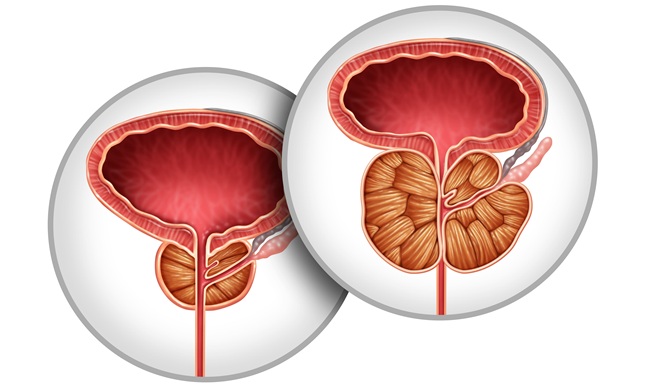
New Practice Guidance Supports Prostatic Artery Embolization for BPH Symptoms
Benign prostatic hyperplasia is a noncancerous enlargement of the prostate that can cause lower urinary tract symptoms and impair daily functioning. These symptoms erode sleep, productivity, and sexual... Read more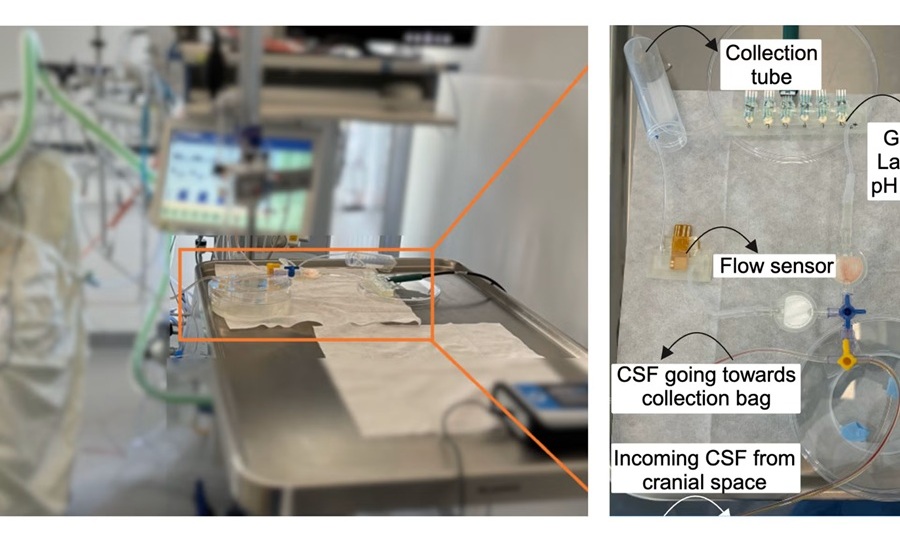
Bedside CSF Monitor Detects Early Infection in Fluid Drains
External drainage of cerebrospinal fluid (CSF) after traumatic brain injury, hydrocephalus, or hemorrhage carries a significant risk of infection. These infections can prolong intensive care, cause severe... Read more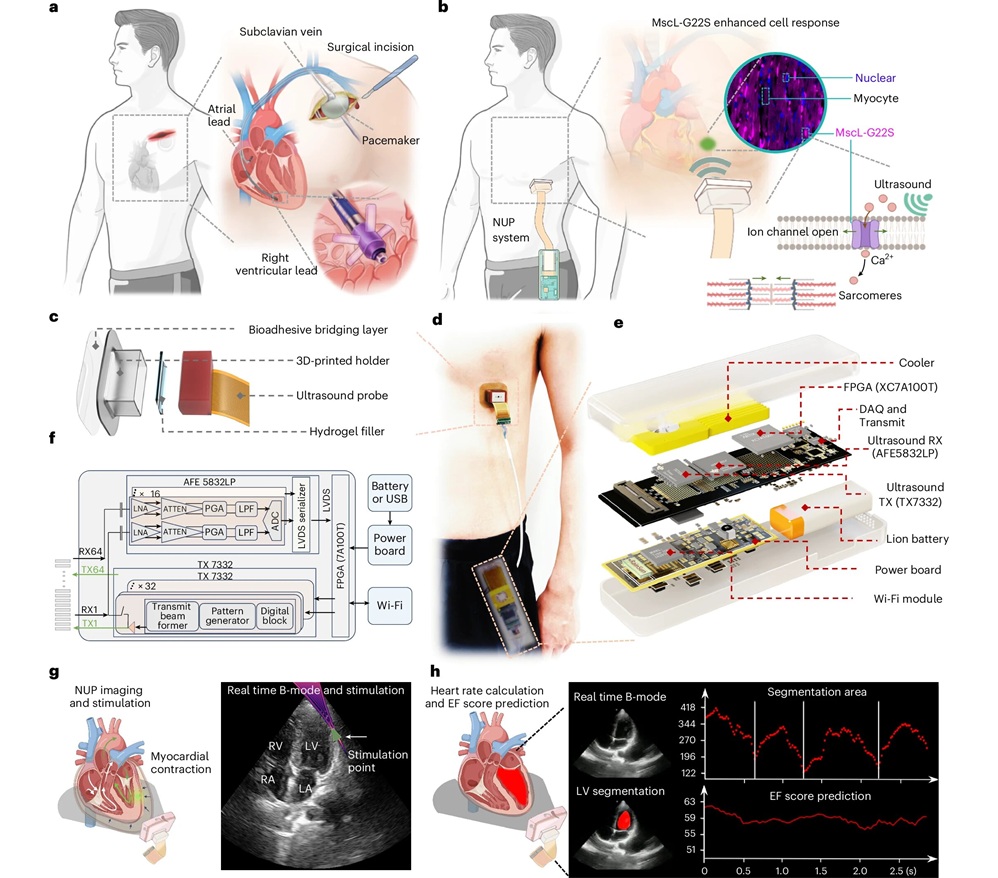
Wearable Ultrasound Patch Noninvasively Paces Heart to Stabilize Arrhythmias
Cardiac arrhythmias, including slow and irregular heart rhythms, often require pacemakers that are surgically implanted. While effective, implants carry procedural risks and long-term device maintenance burdens.... Read moreSurgical Techniques
view channel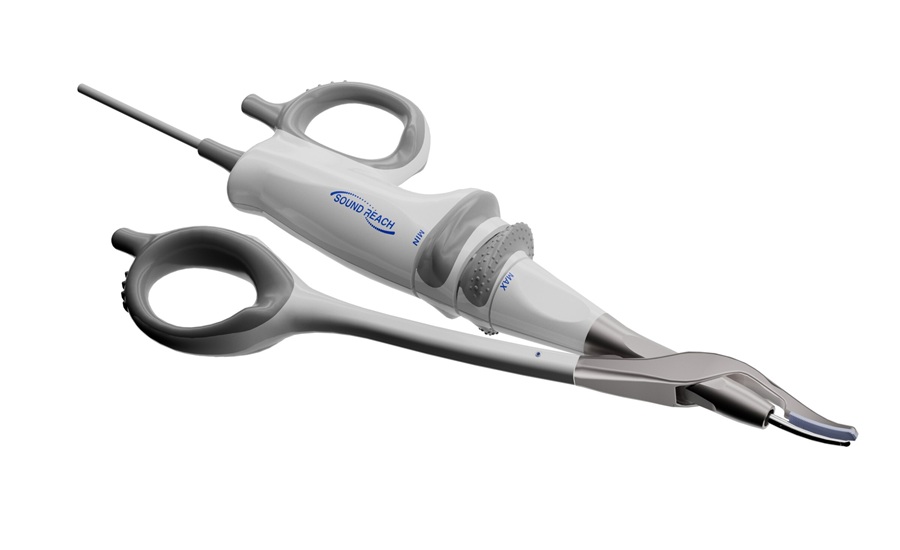
CE-Marked Ultrasonic Shears Streamline Breast and Thyroid Surgery
Thyroid and breast surgeries are often performed in confined anatomical spaces near critical structures, making precise dissection and controlled thermal management essential. As the global disease burden... Read more
3D Map of Heart Electrical Wiring Aims to Guide Congenital Heart Repair
Tetralogy of Fallot is one of the most common congenital heart problems and often requires surgery in infancy. Many survivors later develop conduction abnormalities because the cardiac electrical system... Read more
Patient Care
view channel
AI Avatar Doctor Improves Patient Understanding Before Radiotherapy
Radiation oncology consultations require patients to grasp complex concepts quickly, yet anxiety and information overload often undermine understanding and informed consent. Poor comprehension can also... Read more
Wearable Sleep Data Predict Adherence to Pulmonary Rehabilitation
Chronic obstructive pulmonary disease (COPD) is a long-term lung disorder that makes breathing difficult and often disturbs sleep, reducing energy for daily activities. Limited engagement in pulmonary... Read more

Health IT
view channel
AI-Native EHR Achieves EU Medical Device Certification
InterSystems (Boston, MA, USA) announced that its IntelliCare electronic health record (EHR) solutions have been certified as Class IIa medical devices under the European Union Medical Device Regulation... Read more
EHR-Integrated Screening Workflow Detects Cognitive Impairment at Admission
Cognitive impairment involves difficulties with thinking, learning, memory, and decision-making, and is more common in older adults. In U.S. hospitals, more than 40% of admitted older adults have dementia,... Read more

Point of Care
view channel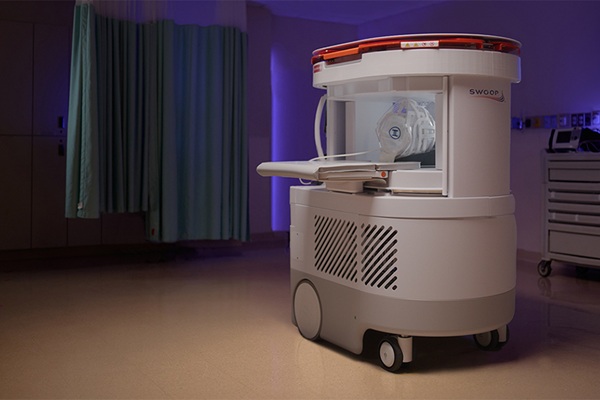
Portable MRI System Accelerates Emergency Brain Imaging and Triage
Emergency departments frequently face delays accessing conventional magnetic resonance imaging (MRI) for patients with suspected neurological emergencies. Such waits can slow triage, prolong boarding,... Read more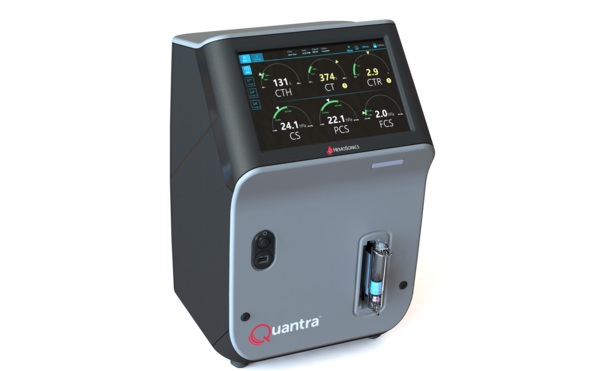
Point-of-Care Viscoelastic Testing System Supports Obstetric Bleeding Management
HemoSonics (Durham, NC, USA) announced on May 5, 2026 that the company's Quantra Hemostasis System for Obstetric Procedures won Silver in the 2026 Edison Awards in the Women’s Health and Reproductive Innovations... Read more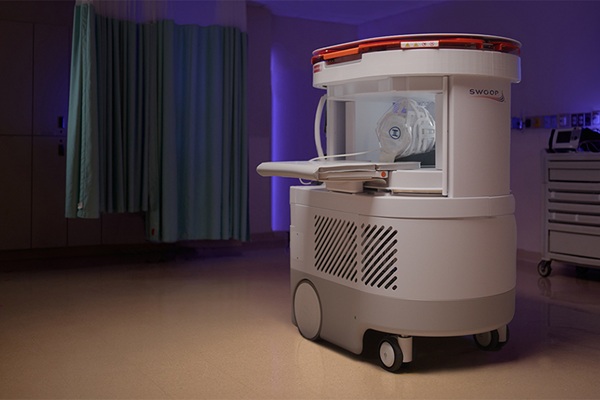

Business
view channel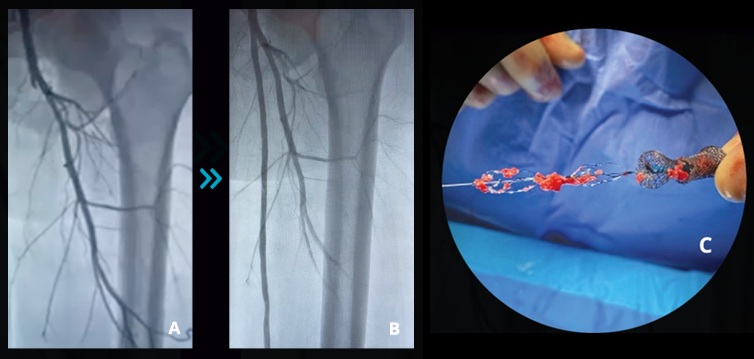
Endologix Adds FDA-Cleared Peripheral Thrombectomy System
Endologix (Santa Rosa, CA, USA) has acquired the Pounce Thrombectomy System from Surmodics, with the transaction closing on May 18, 2026. The FDA-cleared system is indicated for the non-surgical removal... Read more