Obesity and a Sweet Tooth Linked in a Vicious Cycle
|
By HospiMedica International staff writers Posted on 10 Dec 2008 |


|
Obesity gradually numbs the taste sensation of rats to sweet foods and drives them to consume larger and ever-sweeter meals, according to a new study.
Researchers at Penn State College of Medicine (Hershey, PA, USA) tested the specific differences in the sense of taste and the pleasure derived from sweet foods by investigating taste responses of two strains of rats; lean and healthy Long-Evans Tokushima Otsuka (LETO) rats, and Otsuka Long-Evans Tokushima Fatty (OLETF) rats, which mirror obese humans. OLETF rats have normal body weight at first, but they tend to chronically overeat due to a missing satiety signal, become obese, and develop diabetes. The obese rats also show an increased preference for sweet foods and are willing to work harder to obtain sweet solutions as a reward for their learning. The researchers implanted electrodes in the rodents' brains to record the firing of nerve cells when the rats' tongues were exposed to various tastes -- salt, citric acid, plain water, and six different concentrations of sucrose. The researchers specifically examined the differences in processing taste in the pontine parabrachial nucleus (PBN), a part of the brain that uses nerve cells to relay information from the surface of the tongue to the brain.
The researchers found that when compared to the LETO rats, the OLETF rats had about 50% fewer neurons firing when their tongues were exposed to sucrose, suggesting that obese rats are overall less sensitive to sucrose. However, when the obese rats were fed a stronger concentration of sucrose, their nerve cells fired more vigorously than in the lean rats. In other words, obese rats have a weaker response to weak concentrations and a stronger response to strong concentrations. The response to salt, on the other hand, was the same for both strains. The Penn State researchers believe that the increased consumption of sweet foods over time could be influencing the brain's reward center by relaying progressively weaker nerve signals, which affects the perception of taste of the meals through the PBN. The study was published in the October 2008 issue of the Journal of Neurophysiology.
"When you have excess body weight, the brain is supposed to tell you not to eat more, or not choose high caloric meals," said Andras Hajnal, M.D., Ph.D., an associate professor of neural and behavioral sciences at Penn State College of Medicine. "But this control apparently fails and thus the obesity epidemic is rising, and we want to find out how the sense of taste drives up food intake."
In obese humans, an increase in the weight-height ratio is usually accompanied by a decrease in dopamine, which is a neurotransmitter associated with the brain's pleasure system. The researchers found that in the obese rats, like in humans, the dopamine system is suppressed and it is very possible that the obese rats are seeking a hedonistic experience or reward by eating larger meals, as well as eating more sweets when they can.
Related Links:
Penn State College of Medicine





Researchers at Penn State College of Medicine (Hershey, PA, USA) tested the specific differences in the sense of taste and the pleasure derived from sweet foods by investigating taste responses of two strains of rats; lean and healthy Long-Evans Tokushima Otsuka (LETO) rats, and Otsuka Long-Evans Tokushima Fatty (OLETF) rats, which mirror obese humans. OLETF rats have normal body weight at first, but they tend to chronically overeat due to a missing satiety signal, become obese, and develop diabetes. The obese rats also show an increased preference for sweet foods and are willing to work harder to obtain sweet solutions as a reward for their learning. The researchers implanted electrodes in the rodents' brains to record the firing of nerve cells when the rats' tongues were exposed to various tastes -- salt, citric acid, plain water, and six different concentrations of sucrose. The researchers specifically examined the differences in processing taste in the pontine parabrachial nucleus (PBN), a part of the brain that uses nerve cells to relay information from the surface of the tongue to the brain.
The researchers found that when compared to the LETO rats, the OLETF rats had about 50% fewer neurons firing when their tongues were exposed to sucrose, suggesting that obese rats are overall less sensitive to sucrose. However, when the obese rats were fed a stronger concentration of sucrose, their nerve cells fired more vigorously than in the lean rats. In other words, obese rats have a weaker response to weak concentrations and a stronger response to strong concentrations. The response to salt, on the other hand, was the same for both strains. The Penn State researchers believe that the increased consumption of sweet foods over time could be influencing the brain's reward center by relaying progressively weaker nerve signals, which affects the perception of taste of the meals through the PBN. The study was published in the October 2008 issue of the Journal of Neurophysiology.
"When you have excess body weight, the brain is supposed to tell you not to eat more, or not choose high caloric meals," said Andras Hajnal, M.D., Ph.D., an associate professor of neural and behavioral sciences at Penn State College of Medicine. "But this control apparently fails and thus the obesity epidemic is rising, and we want to find out how the sense of taste drives up food intake."
In obese humans, an increase in the weight-height ratio is usually accompanied by a decrease in dopamine, which is a neurotransmitter associated with the brain's pleasure system. The researchers found that in the obese rats, like in humans, the dopamine system is suppressed and it is very possible that the obese rats are seeking a hedonistic experience or reward by eating larger meals, as well as eating more sweets when they can.
Related Links:
Penn State College of Medicine

Gold Member
Neonatal Heel Incision Device
Tenderfoot
Gold Member
12-Channel ECG
CM1200B
POC Respiratory/Sore Throat Test
BIOFIRE SPOTFIRE (R/ST) Panel
Digital Radiography System (Ceiling Free)
Digix CF Series
Latest Critical Care News
- Smartphone Heart Rhythm App Reduces Unnecessary Cardioversion Procedures
- Bedside CSF Monitor Detects Early Infection in Fluid Drains
- Wearable Ultrasound Patch Noninvasively Paces Heart to Stabilize Arrhythmias
- New Practice Guidance Supports Prostatic Artery Embolization for BPH Symptoms
- AI ECG Tool Detects Cardiac Amyloidosis for Early Screening
- Cuffless Wearable Enables Continuous Blood Pressure Monitoring for Hypertension Care
- AI-Guided System Supports Cardiac Ultrasound Training on Cart-Based Systems
- AI ECG Index Tracks Pubertal Maturation in Children and Adolescents
- Noninvasive AI Tool Enables Pressure-Guided Heart Failure Management
- Regenerative Therapies Aim to Support Recovery After Traumatic Brain Injury
- Ring-Type Cuffless Monitor Becomes First Added to Official Hypertension Guidelines
- “Intelligent Tattoo” Method Detects Early Melanoma Signals
- Implantable Wireless Light Device Advances Bladder Cancer Treatment
- Reusable Intermittent Catheters Reduce Antibiotic Use Without Increasing Urinary Tract Infections
- Smart Wristband Technology Detects Cardiac Arrest and Alerts Responders
- FDA-Cleared Home Sleep Test Enables Multi-Night Diagnosis of Sleep Apnea
Channels
Artificial Intelligence
view channel
AI Platform Supports Noninvasive Remote Hemodynamic Monitoring in Heart Failure
Heart failure remains a leading cause of hospitalization in adults over 65, affecting more than 6.7 million people in the U.S. Clinicians often lose visibility into hemodynamic deterioration once patients... Read more
AI Tool Predicts Unplanned Care and Symptom Burden in Cancer Survivors
Unplanned emergency visits and hospitalizations remain common in cancer survivorship, when routine clinical contact often tapers while new symptoms emerge. These events reflect unmet needs and disrupt... Read more

Surgical Techniques
view channel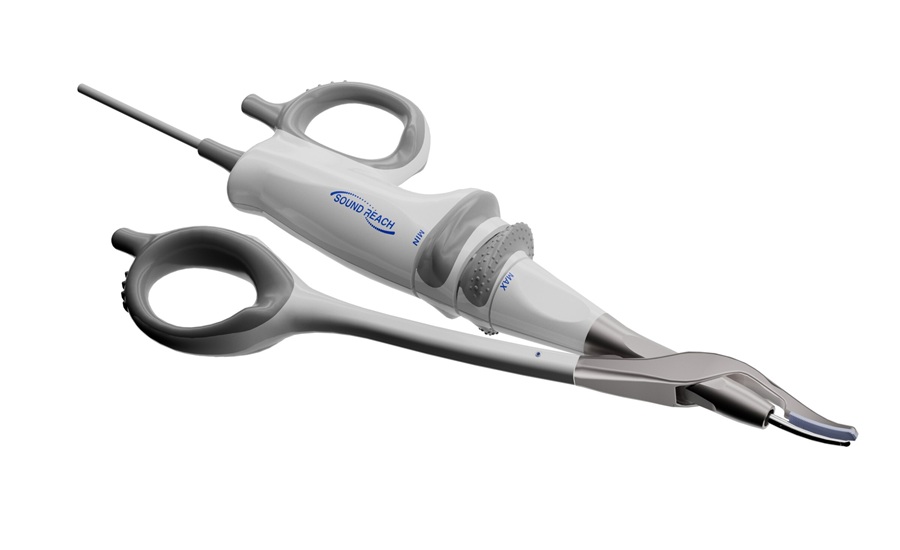
CE-Marked Ultrasonic Shears Streamline Breast and Thyroid Surgery
Thyroid and breast surgeries are often performed in confined anatomical spaces near critical structures, making precise dissection and controlled thermal management essential. As the global disease burden... Read more
3D Map of Heart Electrical Wiring Aims to Guide Congenital Heart Repair
Tetralogy of Fallot is one of the most common congenital heart problems and often requires surgery in infancy. Many survivors later develop conduction abnormalities because the cardiac electrical system... Read more
Patient Care
view channel
AI Avatar Doctor Improves Patient Understanding Before Radiotherapy
Radiation oncology consultations require patients to grasp complex concepts quickly, yet anxiety and information overload often undermine understanding and informed consent. Poor comprehension can also... Read more
Wearable Sleep Data Predict Adherence to Pulmonary Rehabilitation
Chronic obstructive pulmonary disease (COPD) is a long-term lung disorder that makes breathing difficult and often disturbs sleep, reducing energy for daily activities. Limited engagement in pulmonary... Read more

Health IT
view channel
AI-Native EHR Achieves EU Medical Device Certification
InterSystems (Boston, MA, USA) announced that its IntelliCare electronic health record (EHR) solutions have been certified as Class IIa medical devices under the European Union Medical Device Regulation... Read more
EHR-Integrated Screening Workflow Detects Cognitive Impairment at Admission
Cognitive impairment involves difficulties with thinking, learning, memory, and decision-making, and is more common in older adults. In U.S. hospitals, more than 40% of admitted older adults have dementia,... Read more

Point of Care
view channel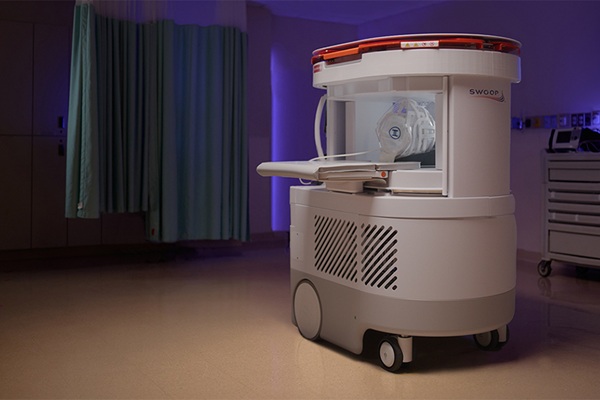
Portable MRI System Accelerates Emergency Brain Imaging and Triage
Emergency departments frequently face delays accessing conventional magnetic resonance imaging (MRI) for patients with suspected neurological emergencies. Such waits can slow triage, prolong boarding,... Read more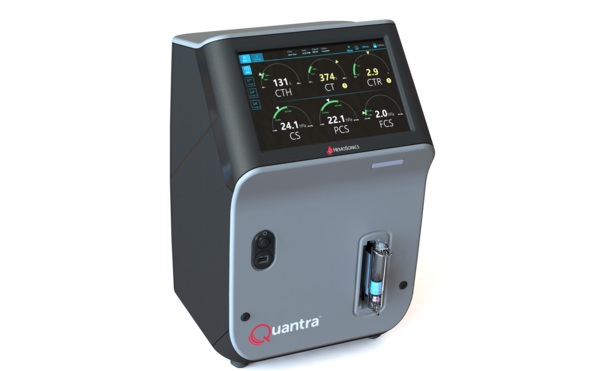
Point-of-Care Viscoelastic Testing System Supports Obstetric Bleeding Management
HemoSonics (Durham, NC, USA) announced on May 5, 2026 that the company's Quantra Hemostasis System for Obstetric Procedures won Silver in the 2026 Edison Awards in the Women’s Health and Reproductive Innovations... Read more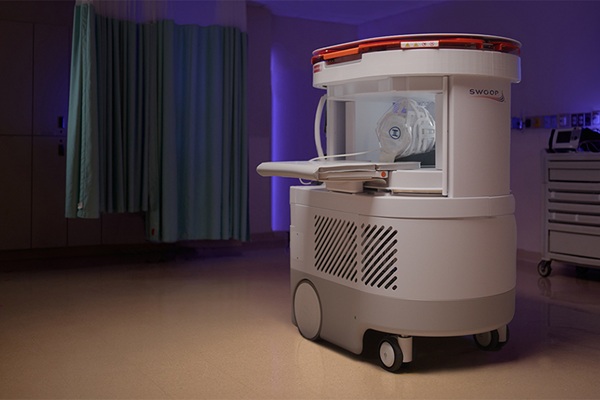

Business
view channel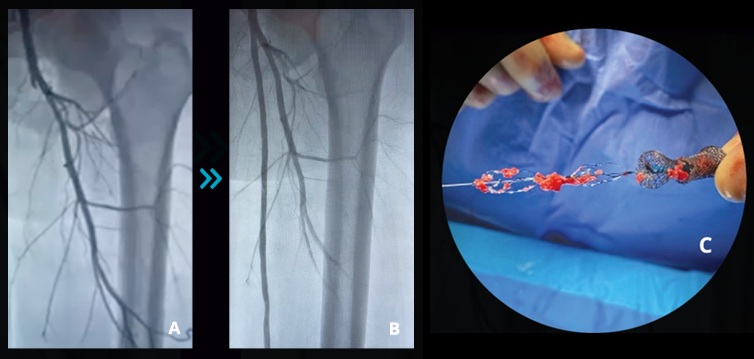
Endologix Adds FDA-Cleared Peripheral Thrombectomy System
Endologix (Santa Rosa, CA, USA) has acquired the Pounce Thrombectomy System from Surmodics, with the transaction closing on May 18, 2026. The FDA-cleared system is indicated for the non-surgical removal... Read more