Sharkskin Surface Topography Inhibits Bacterial Growth
|
By HospiMedica International staff writers Posted on 07 Jan 2009 |


|
A new way to control infections on artificial surfaces, based on the physical properties of a shark's skin, is able to inhibit the growth of microorganisms and bacteria, including Staphylococcus aureus, Pseudomonas aeruginosa, and Escherichia coli.
The Sharklet surface technology antibacterial properties do not derive from a chemical characteristic, but rather from the shape and microscopic pattern alone. The surface technology is comprised of billions of tiny, raised, microscopic sections that mimic the height, width, length, and curvature of natural sharkskin surface. Each diamond shaped section measures 25 microns across, or about a fifth of the thickness of a human hair, and contains seven raised ribs of varying length that various microorganisms find inhospitable. The sharkskin patterns are etched using a technique called deep ion lithography, and can be embedded onto the surfaces of medical devices such as catheters or artificial hips, as well as medical care equipment such as hospital beds, and even door knobs, and are capable of controlling bacterial growth for up to 21 days.
The Sharklet pattern has been tested and proven effective against plant, animal, and bacterial organisms, and can it be tuned to evoke a specific bioresponse from organisms. While not discernable to the naked eye or easily felt to the touch, the surface technology has demonstrated in laboratory tests to be inhospitable to bacterial growth and biofilm formation, when compared to smooth surfaces. Sharklet surface technology was developed by Sharklet Technologies (Alachua, FL, USA).
"It's the first nontoxic, long lasting, and no-kill surface to control the growth of harmful microorganisms,” said Mark Spiecker, vice president of operations at Sharklet.
A general rule of the ocean is that slow moving marine animals, like whales, are host to organisms such as barnacles and algae, while fast moving animals are generally clean. Certain species of slow-moving sharks seem to violate this rule, however, staying relatively clean due in part to their unique skin pattern. Sharkskin is made of a matrix of tiny, hard, tooth-like structures called dermal denticles or placoid scales. These structures are shaped like curved, grooved teeth and they make the skin a very tough armor with a texture like sandpaper. They have the same structure as a tooth with an outer layer of enamel, dentine, and a central pulp cavity. These scales also help the shark swim more quickly because their streamlined shapes helps decrease the friction of the water flowing along the shark's body by channeling it through grooves.
Related Links:
Sharklet Technologies






The Sharklet surface technology antibacterial properties do not derive from a chemical characteristic, but rather from the shape and microscopic pattern alone. The surface technology is comprised of billions of tiny, raised, microscopic sections that mimic the height, width, length, and curvature of natural sharkskin surface. Each diamond shaped section measures 25 microns across, or about a fifth of the thickness of a human hair, and contains seven raised ribs of varying length that various microorganisms find inhospitable. The sharkskin patterns are etched using a technique called deep ion lithography, and can be embedded onto the surfaces of medical devices such as catheters or artificial hips, as well as medical care equipment such as hospital beds, and even door knobs, and are capable of controlling bacterial growth for up to 21 days.
The Sharklet pattern has been tested and proven effective against plant, animal, and bacterial organisms, and can it be tuned to evoke a specific bioresponse from organisms. While not discernable to the naked eye or easily felt to the touch, the surface technology has demonstrated in laboratory tests to be inhospitable to bacterial growth and biofilm formation, when compared to smooth surfaces. Sharklet surface technology was developed by Sharklet Technologies (Alachua, FL, USA).
"It's the first nontoxic, long lasting, and no-kill surface to control the growth of harmful microorganisms,” said Mark Spiecker, vice president of operations at Sharklet.
A general rule of the ocean is that slow moving marine animals, like whales, are host to organisms such as barnacles and algae, while fast moving animals are generally clean. Certain species of slow-moving sharks seem to violate this rule, however, staying relatively clean due in part to their unique skin pattern. Sharkskin is made of a matrix of tiny, hard, tooth-like structures called dermal denticles or placoid scales. These structures are shaped like curved, grooved teeth and they make the skin a very tough armor with a texture like sandpaper. They have the same structure as a tooth with an outer layer of enamel, dentine, and a central pulp cavity. These scales also help the shark swim more quickly because their streamlined shapes helps decrease the friction of the water flowing along the shark's body by channeling it through grooves.
Related Links:
Sharklet Technologies

Gold Member
12-Channel ECG
CM1200B
Gold Member
Neonatal Heel Incision Device
Tenderfoot
Desk Aneroid Sphyg
Diagnostix 750D+
Multi-Chamber Washer-Disinfector
WD 390
Latest Patient Care News
- AI Avatar Doctor Improves Patient Understanding Before Radiotherapy
- Wearable Sleep Data Predict Adherence to Pulmonary Rehabilitation
- Revolutionary Automatic IV-Line Flushing Device to Enhance Infusion Care
- VR Training Tool Combats Contamination of Portable Medical Equipment
- Portable Biosensor Platform to Reduce Hospital-Acquired Infections
- First-Of-Its-Kind Portable Germicidal Light Technology Disinfects High-Touch Clinical Surfaces in Seconds
- Surgical Capacity Optimization Solution Helps Hospitals Boost OR Utilization

- Game-Changing Innovation in Surgical Instrument Sterilization Significantly Improves OR Throughput
- Next Gen ICU Bed to Help Address Complex Critical Care Needs
- Groundbreaking AI-Powered UV-C Disinfection Technology Redefines Infection Control Landscape
- Clean Hospitals Can Reduce Antibiotic Resistance, Save Lives
- Smart Hospital Beds Improve Accuracy of Medical Diagnosis
- New Fast Endoscope Drying System Improves Productivity and Traceability
- World’s First Automated Endoscope Cleaner Fights Antimicrobial Resistance
- Portable High-Capacity Digital Stretcher Scales Provide Precision Weighing for Patients in ER
- Portable Clinical Scale with Remote Indicator Allows for Flexible Patient Weighing Use
Channels
Artificial Intelligence
view channel
AI Platform Supports Noninvasive Remote Hemodynamic Monitoring in Heart Failure
Heart failure remains a leading cause of hospitalization in adults over 65, affecting more than 6.7 million people in the U.S. Clinicians often lose visibility into hemodynamic deterioration once patients... Read more
AI Tool Predicts Unplanned Care and Symptom Burden in Cancer Survivors
Unplanned emergency visits and hospitalizations remain common in cancer survivorship, when routine clinical contact often tapers while new symptoms emerge. These events reflect unmet needs and disrupt... Read more

Surgical Techniques
view channel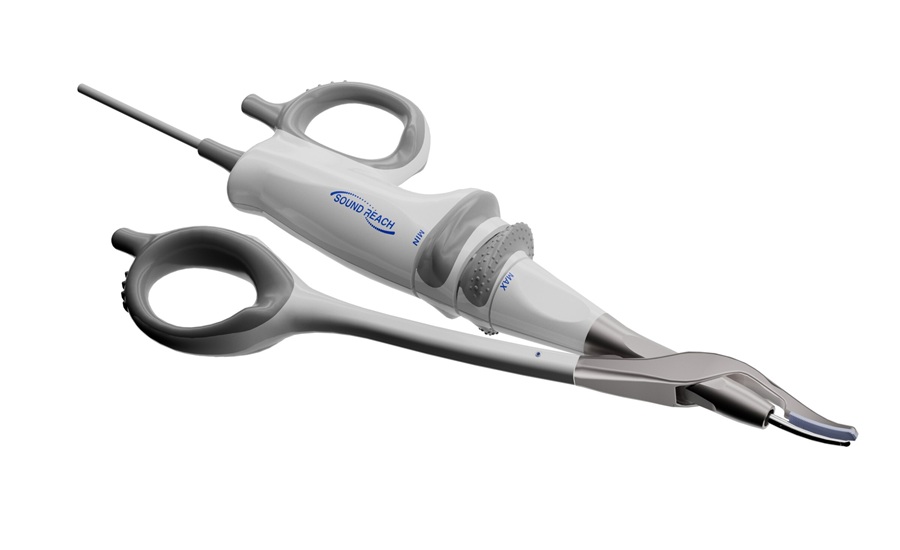
CE-Marked Ultrasonic Shears Streamline Breast and Thyroid Surgery
Thyroid and breast surgeries are often performed in confined anatomical spaces near critical structures, making precise dissection and controlled thermal management essential. As the global disease burden... Read more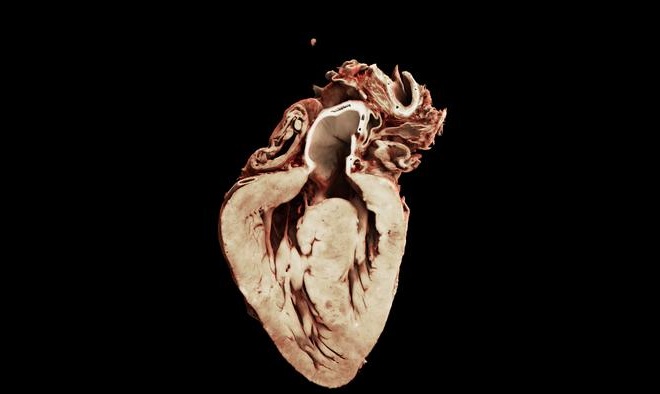
3D Map of Heart Electrical Wiring Aims to Guide Congenital Heart Repair
Tetralogy of Fallot is one of the most common congenital heart problems and often requires surgery in infancy. Many survivors later develop conduction abnormalities because the cardiac electrical system... Read more
Patient Care
view channel
AI Avatar Doctor Improves Patient Understanding Before Radiotherapy
Radiation oncology consultations require patients to grasp complex concepts quickly, yet anxiety and information overload often undermine understanding and informed consent. Poor comprehension can also... Read more
Wearable Sleep Data Predict Adherence to Pulmonary Rehabilitation
Chronic obstructive pulmonary disease (COPD) is a long-term lung disorder that makes breathing difficult and often disturbs sleep, reducing energy for daily activities. Limited engagement in pulmonary... Read more

Health IT
view channel
AI-Native EHR Achieves EU Medical Device Certification
InterSystems (Boston, MA, USA) announced that its IntelliCare electronic health record (EHR) solutions have been certified as Class IIa medical devices under the European Union Medical Device Regulation... Read more
EHR-Integrated Screening Workflow Detects Cognitive Impairment at Admission
Cognitive impairment involves difficulties with thinking, learning, memory, and decision-making, and is more common in older adults. In U.S. hospitals, more than 40% of admitted older adults have dementia,... Read more

Point of Care
view channel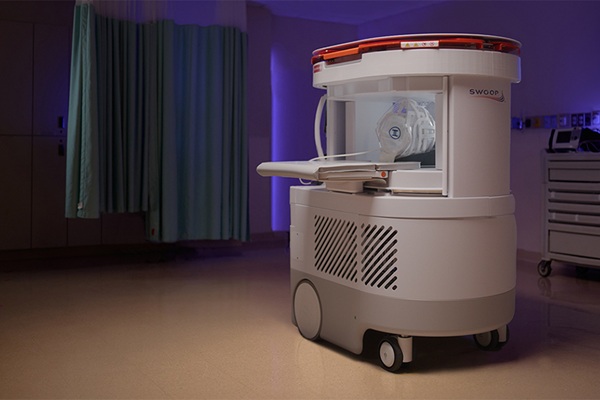
Portable MRI System Accelerates Emergency Brain Imaging and Triage
Emergency departments frequently face delays accessing conventional magnetic resonance imaging (MRI) for patients with suspected neurological emergencies. Such waits can slow triage, prolong boarding,... Read more
Point-of-Care Viscoelastic Testing System Supports Obstetric Bleeding Management
HemoSonics (Durham, NC, USA) announced on May 5, 2026 that the company's Quantra Hemostasis System for Obstetric Procedures won Silver in the 2026 Edison Awards in the Women’s Health and Reproductive Innovations... Read more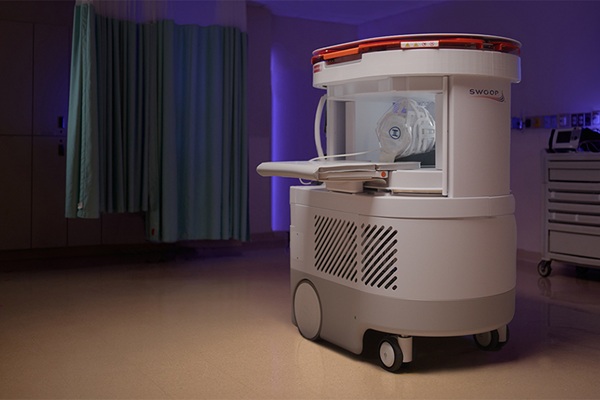

Business
view channel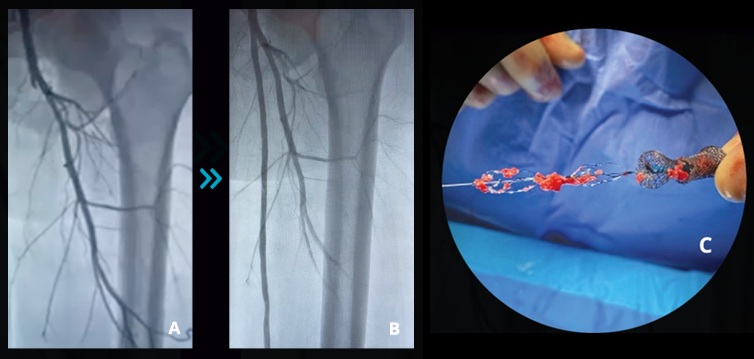
Endologix Adds FDA-Cleared Peripheral Thrombectomy System
Endologix (Santa Rosa, CA, USA) has acquired the Pounce Thrombectomy System from Surmodics, with the transaction closing on May 18, 2026. The FDA-cleared system is indicated for the non-surgical removal... Read more