China Prepares to Launch Mass Swine Flu Vaccination Campaign
|
By HospiMedica International staff writers Posted on 22 Sep 2009 |


|
China is set to become the first country in the world to begin a mass vaccination campaign against the H1N1 pandemic, but there are concerns over possible side effects, according to the World Health Organization (WHO; Geneva, Switzerland).
With two new vaccines developed by Sinovac Biotech (Beijing, China) and Hualan Biological Engineering (Henan, China), both approved for use by the Chinese State Food and Drug Administration (SFDA; Beijing, China), China is expected to inoculate 65 million people by the end of 2009, a small fraction of the country's population of 1.3 billion.
Inoculations could begin in the next few weeks, according to the South China Morning Post, even before celebrations begin on October 1, 2009, to mark the 60th anniversary of the founding of the People's Republic of China. Some 200,000 people taking part in the anniversary celebrations will be the first to receive the vaccine; others considered to be high priority candidates are students aged five to 19, those with medical conditions (especially chronic respiratory and coronary diseases), and pregnant women. The inoculation program will also target medical staff and key workers, including police officers, soldiers, and quarantine officials.
"We have to be ready for the fact that there might be adverse effects," said WHO spokesman Gregory Hartl in an interview with the CNN television network. "No matter what vaccine you're looking at, sometimes there are extremely rare side effects. We don't even know what those are yet, but they will show up in one in every two or 10 million vaccinated."
According to the Chinese Ministry of Health, there have so far been 5,592 recorded cases of H1N1 in China's 31 inland provinces, but no one has yet died from the illness.
Related Links:
World Health Organization
Sinovac Biotech
Hualan Biological Engineering
Chinese State Food and Drug Administration







With two new vaccines developed by Sinovac Biotech (Beijing, China) and Hualan Biological Engineering (Henan, China), both approved for use by the Chinese State Food and Drug Administration (SFDA; Beijing, China), China is expected to inoculate 65 million people by the end of 2009, a small fraction of the country's population of 1.3 billion.
Inoculations could begin in the next few weeks, according to the South China Morning Post, even before celebrations begin on October 1, 2009, to mark the 60th anniversary of the founding of the People's Republic of China. Some 200,000 people taking part in the anniversary celebrations will be the first to receive the vaccine; others considered to be high priority candidates are students aged five to 19, those with medical conditions (especially chronic respiratory and coronary diseases), and pregnant women. The inoculation program will also target medical staff and key workers, including police officers, soldiers, and quarantine officials.
"We have to be ready for the fact that there might be adverse effects," said WHO spokesman Gregory Hartl in an interview with the CNN television network. "No matter what vaccine you're looking at, sometimes there are extremely rare side effects. We don't even know what those are yet, but they will show up in one in every two or 10 million vaccinated."
According to the Chinese Ministry of Health, there have so far been 5,592 recorded cases of H1N1 in China's 31 inland provinces, but no one has yet died from the illness.
Related Links:
World Health Organization
Sinovac Biotech
Hualan Biological Engineering
Chinese State Food and Drug Administration

Gold Member
STI Test
Vivalytic Sexually Transmitted Infection (STI) Array
Gold Member
12-Channel ECG
CM1200B
Immobilization System
Cranial 4Pi Immobilization
Wound Irrigation Solution
Prontosan®
Latest Business News
- Endologix Adds FDA-Cleared Peripheral Thrombectomy System
- Artivion Adds FDA-Approved NEXUS System to Aortic Arch Portfolio
- Olympus Partnership Aims to Expand Access to Robot-Assisted Endoscopic Therapy
- Johnson & Johnson Launches AI-Driven Cardiac Mapping System
- Proximie Advances AI-Driven Intelligent Operating Rooms with NVIDIA Collaboration
- GE HealthCare, DeepHealth Expand AI Breast Imaging Collaboration
- Sinocare Presents AI-Driven Integrated Digital Health Solutions at CMEF
- GE HealthCare and Medtronic Expand Alliance with Intraoperative Imaging Integration
- New Partnership Advances Physical AI into Perioperative Workflows
- External Liver Assist System Receives FDA RMAT Designation
- New Partnership Expands Access to Predictive Tool for Patient Monitoring
- GE HealthCare Leads Major European Initiative to Advance Cardio-Oncology Care
- Medtronic and GE HealthCare Broaden Alliance Across Monitoring and Care Solutions
- Quantum Surgical Acquires NeuWave from Johnson & Johnson
- Medtronic to Acquire Coronary Artery Medtech Company CathWorks
- Medtronic and Mindray Expand Strategic Partnership to Ambulatory Surgery Centers in the U.S.
Channels
Artificial Intelligence
view channel
AI Platform Supports Noninvasive Remote Hemodynamic Monitoring in Heart Failure
Heart failure remains a leading cause of hospitalization in adults over 65, affecting more than 6.7 million people in the U.S. Clinicians often lose visibility into hemodynamic deterioration once patients... Read more
AI Tool Predicts Unplanned Care and Symptom Burden in Cancer Survivors
Unplanned emergency visits and hospitalizations remain common in cancer survivorship, when routine clinical contact often tapers while new symptoms emerge. These events reflect unmet needs and disrupt... Read more

Surgical Techniques
view channel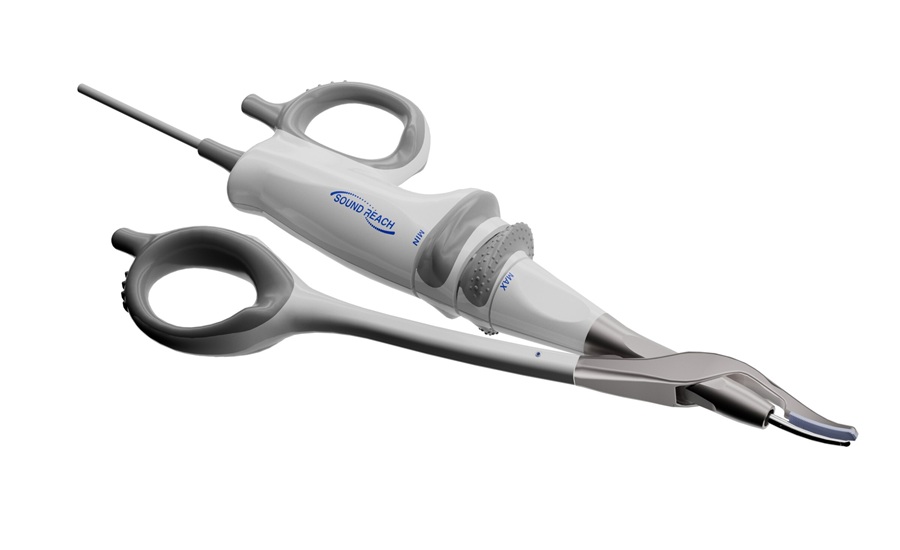
CE-Marked Ultrasonic Shears Streamline Breast and Thyroid Surgery
Thyroid and breast surgeries are often performed in confined anatomical spaces near critical structures, making precise dissection and controlled thermal management essential. As the global disease burden... Read more
3D Map of Heart Electrical Wiring Aims to Guide Congenital Heart Repair
Tetralogy of Fallot is one of the most common congenital heart problems and often requires surgery in infancy. Many survivors later develop conduction abnormalities because the cardiac electrical system... Read more

Patient Care
view channel
AI Avatar Doctor Improves Patient Understanding Before Radiotherapy
Radiation oncology consultations require patients to grasp complex concepts quickly, yet anxiety and information overload often undermine understanding and informed consent. Poor comprehension can also... Read more
Wearable Sleep Data Predict Adherence to Pulmonary Rehabilitation
Chronic obstructive pulmonary disease (COPD) is a long-term lung disorder that makes breathing difficult and often disturbs sleep, reducing energy for daily activities. Limited engagement in pulmonary... Read more

Health IT
view channel
AI-Native EHR Achieves EU Medical Device Certification
InterSystems (Boston, MA, USA) announced that its IntelliCare electronic health record (EHR) solutions have been certified as Class IIa medical devices under the European Union Medical Device Regulation... Read more
EHR-Integrated Screening Workflow Detects Cognitive Impairment at Admission
Cognitive impairment involves difficulties with thinking, learning, memory, and decision-making, and is more common in older adults. In U.S. hospitals, more than 40% of admitted older adults have dementia,... Read more

Point of Care
view channel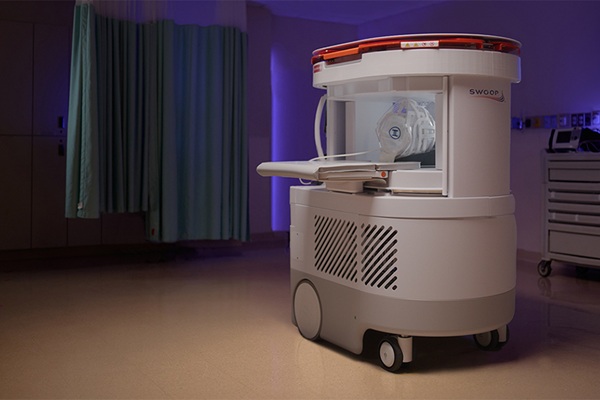
Portable MRI System Accelerates Emergency Brain Imaging and Triage
Emergency departments frequently face delays accessing conventional magnetic resonance imaging (MRI) for patients with suspected neurological emergencies. Such waits can slow triage, prolong boarding,... Read more
Point-of-Care Viscoelastic Testing System Supports Obstetric Bleeding Management
HemoSonics (Durham, NC, USA) announced on May 5, 2026 that the company's Quantra Hemostasis System for Obstetric Procedures won Silver in the 2026 Edison Awards in the Women’s Health and Reproductive Innovations... Read more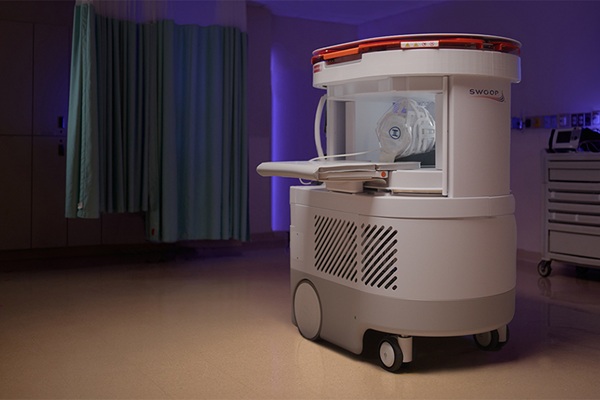

Business
view channel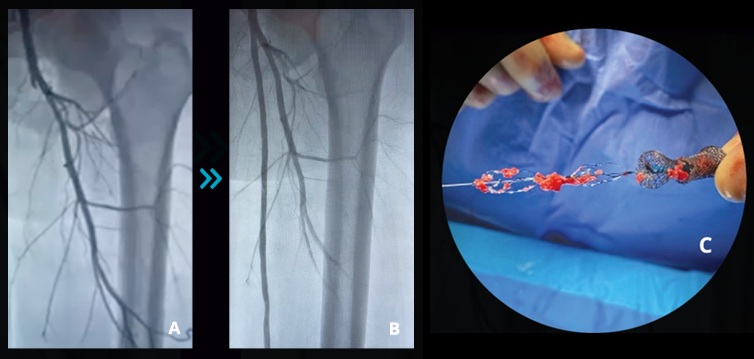
Endologix Adds FDA-Cleared Peripheral Thrombectomy System
Endologix (Santa Rosa, CA, USA) has acquired the Pounce Thrombectomy System from Surmodics, with the transaction closing on May 18, 2026. The FDA-cleared system is indicated for the non-surgical removal... Read more