Joint Arthroplasty Market Surges, Despite Recessionary Pressures
|
By HospiMedica International staff writers Posted on 14 Oct 2009 |


|
Novel technology is driving growth in the joint arthroplasty and fixation bone-cement market in industrialized countries, while increased disposable income is creating new markets in emerging economies. These are the latest findings of the Millennium Research Group (MRG, Toronto, Canada), a medical technology market intelligence, and strategic information company.
While recessionary pressures slowed growth in joint arthroplasty procedures between 2008 and 2009, patients and surgeons are driving demand for elective orthopedic procedures, with novel technologies, such as hip resurfacing and joint revision implants, enabling a wider range of patients to be treated in the United States, Europe, and Japan, while the burgeoning middle classes in Brazil, China, and India are opting for elective joint replacement procedures and driving global growth by an expected 7% annual growth rate through 2013.
In the United States and Europe, a two-stage revision procedure has become the standard of care for treating infected hip and knee arthroplasty. Silicone-based cement spacer molds allow the surgeon to create an antibiotic cement implant in the shape of a prosthetic hip or knee implant. This antibiotic-loaded implant preserves normal leg length, allows for early patient mobilization, and quickly delivers the antibiotics locally to the periprosthetic space to prevent further infection.
"Although cement spacer molds are gaining surgeon acceptance, the relatively high device price can be prohibitive, particularly in facilities with restricted budgets and in countries where patients pay for the vast majority of medical expenses out-of-pocket,” said MRG analyst Melissa Hussey. "As of 2009, China and India had not approved the use of cement spacer molds, and their adoption has been limited in Brazil due to the additional cost they add to the procedure. Globally, however, the market for cement spacer molds will grow considerably over the next five years.”
MRG expects that as device benefits emerge, their adoption will increase in all countries under study. The resulting procedure volume growth will propel sales of bone cement, cement mixing and delivery systems, and cement spacer molds. The prefabricated cement spacer-mold segment is expected to outperform the overall market, with 10% annual growth rate fueled by the release of positive clinical data for this relatively new technology.
Related Links:
Millennium Research Group






While recessionary pressures slowed growth in joint arthroplasty procedures between 2008 and 2009, patients and surgeons are driving demand for elective orthopedic procedures, with novel technologies, such as hip resurfacing and joint revision implants, enabling a wider range of patients to be treated in the United States, Europe, and Japan, while the burgeoning middle classes in Brazil, China, and India are opting for elective joint replacement procedures and driving global growth by an expected 7% annual growth rate through 2013.
In the United States and Europe, a two-stage revision procedure has become the standard of care for treating infected hip and knee arthroplasty. Silicone-based cement spacer molds allow the surgeon to create an antibiotic cement implant in the shape of a prosthetic hip or knee implant. This antibiotic-loaded implant preserves normal leg length, allows for early patient mobilization, and quickly delivers the antibiotics locally to the periprosthetic space to prevent further infection.
"Although cement spacer molds are gaining surgeon acceptance, the relatively high device price can be prohibitive, particularly in facilities with restricted budgets and in countries where patients pay for the vast majority of medical expenses out-of-pocket,” said MRG analyst Melissa Hussey. "As of 2009, China and India had not approved the use of cement spacer molds, and their adoption has been limited in Brazil due to the additional cost they add to the procedure. Globally, however, the market for cement spacer molds will grow considerably over the next five years.”
MRG expects that as device benefits emerge, their adoption will increase in all countries under study. The resulting procedure volume growth will propel sales of bone cement, cement mixing and delivery systems, and cement spacer molds. The prefabricated cement spacer-mold segment is expected to outperform the overall market, with 10% annual growth rate fueled by the release of positive clinical data for this relatively new technology.
Related Links:
Millennium Research Group

Gold Member
STI Test
Vivalytic Sexually Transmitted Infection (STI) Array
Gold Member
Neonatal Heel Incision Device
Tenderfoot
Gas Analyzer
GE SAM
POC Respiratory/Sore Throat Test
BIOFIRE SPOTFIRE (R/ST) Panel
Latest Business News
- Endologix Adds FDA-Cleared Peripheral Thrombectomy System
- Artivion Adds FDA-Approved NEXUS System to Aortic Arch Portfolio
- Olympus Partnership Aims to Expand Access to Robot-Assisted Endoscopic Therapy
- Johnson & Johnson Launches AI-Driven Cardiac Mapping System
- Proximie Advances AI-Driven Intelligent Operating Rooms with NVIDIA Collaboration
- GE HealthCare, DeepHealth Expand AI Breast Imaging Collaboration
- Sinocare Presents AI-Driven Integrated Digital Health Solutions at CMEF
- GE HealthCare and Medtronic Expand Alliance with Intraoperative Imaging Integration
- New Partnership Advances Physical AI into Perioperative Workflows
- External Liver Assist System Receives FDA RMAT Designation
- New Partnership Expands Access to Predictive Tool for Patient Monitoring
- GE HealthCare Leads Major European Initiative to Advance Cardio-Oncology Care
- Medtronic and GE HealthCare Broaden Alliance Across Monitoring and Care Solutions
- Quantum Surgical Acquires NeuWave from Johnson & Johnson
- Medtronic to Acquire Coronary Artery Medtech Company CathWorks
- Medtronic and Mindray Expand Strategic Partnership to Ambulatory Surgery Centers in the U.S.
Channels
Artificial Intelligence
view channel
AI Platform Supports Noninvasive Remote Hemodynamic Monitoring in Heart Failure
Heart failure remains a leading cause of hospitalization in adults over 65, affecting more than 6.7 million people in the U.S. Clinicians often lose visibility into hemodynamic deterioration once patients... Read more
AI Tool Predicts Unplanned Care and Symptom Burden in Cancer Survivors
Unplanned emergency visits and hospitalizations remain common in cancer survivorship, when routine clinical contact often tapers while new symptoms emerge. These events reflect unmet needs and disrupt... Read more

Critical Care
view channel
Smartphone Heart Rhythm App Reduces Unnecessary Cardioversion Procedures
Atrial fibrillation, an irregular and often rapid heart rhythm, is the most common arrhythmia in adults. Elective electrical cardioversion is frequently canceled on the day of treatment when patients revert... Read more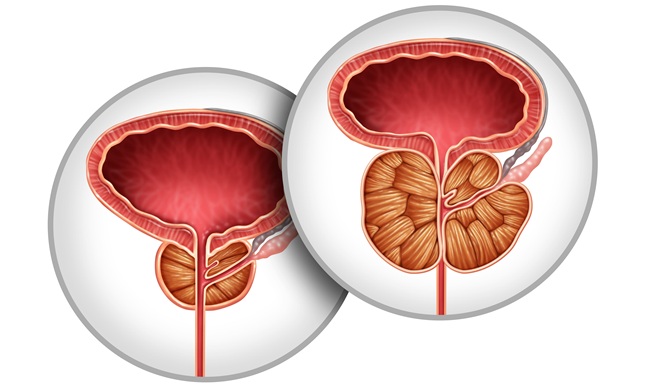
New Practice Guidance Supports Prostatic Artery Embolization for BPH Symptoms
Benign prostatic hyperplasia is a noncancerous enlargement of the prostate that can cause lower urinary tract symptoms and impair daily functioning. These symptoms erode sleep, productivity, and sexual... Read more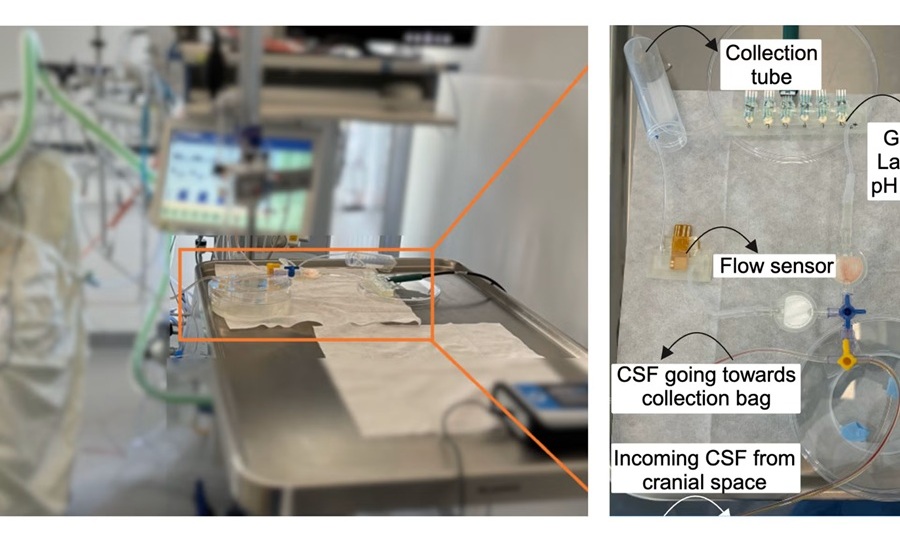
Bedside CSF Monitor Detects Early Infection in Fluid Drains
External drainage of cerebrospinal fluid (CSF) after traumatic brain injury, hydrocephalus, or hemorrhage carries a significant risk of infection. These infections can prolong intensive care, cause severe... Read more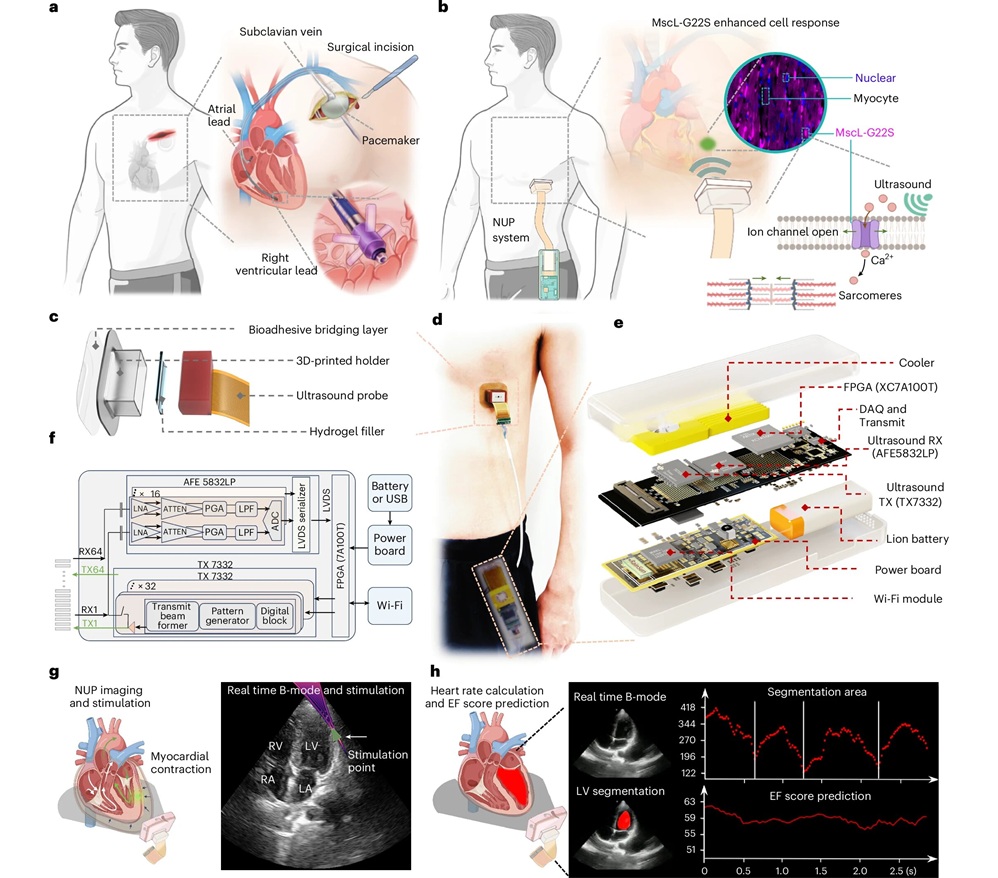
Wearable Ultrasound Patch Noninvasively Paces Heart to Stabilize Arrhythmias
Cardiac arrhythmias, including slow and irregular heart rhythms, often require pacemakers that are surgically implanted. While effective, implants carry procedural risks and long-term device maintenance burdens.... Read morePatient Care
view channel
AI Avatar Doctor Improves Patient Understanding Before Radiotherapy
Radiation oncology consultations require patients to grasp complex concepts quickly, yet anxiety and information overload often undermine understanding and informed consent. Poor comprehension can also... Read more
Wearable Sleep Data Predict Adherence to Pulmonary Rehabilitation
Chronic obstructive pulmonary disease (COPD) is a long-term lung disorder that makes breathing difficult and often disturbs sleep, reducing energy for daily activities. Limited engagement in pulmonary... Read more

Health IT
view channel
AI-Native EHR Achieves EU Medical Device Certification
InterSystems (Boston, MA, USA) announced that its IntelliCare electronic health record (EHR) solutions have been certified as Class IIa medical devices under the European Union Medical Device Regulation... Read more
EHR-Integrated Screening Workflow Detects Cognitive Impairment at Admission
Cognitive impairment involves difficulties with thinking, learning, memory, and decision-making, and is more common in older adults. In U.S. hospitals, more than 40% of admitted older adults have dementia,... Read more

Point of Care
view channel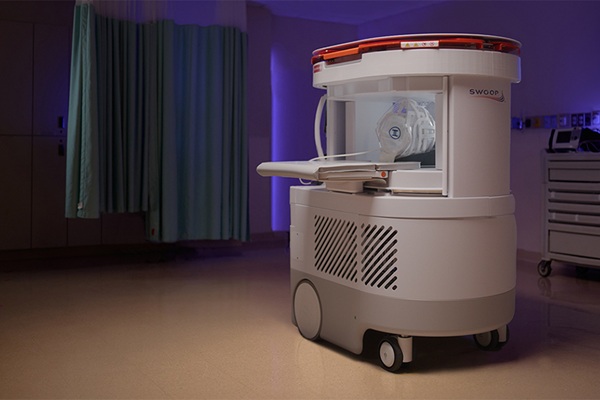
Portable MRI System Accelerates Emergency Brain Imaging and Triage
Emergency departments frequently face delays accessing conventional magnetic resonance imaging (MRI) for patients with suspected neurological emergencies. Such waits can slow triage, prolong boarding,... Read more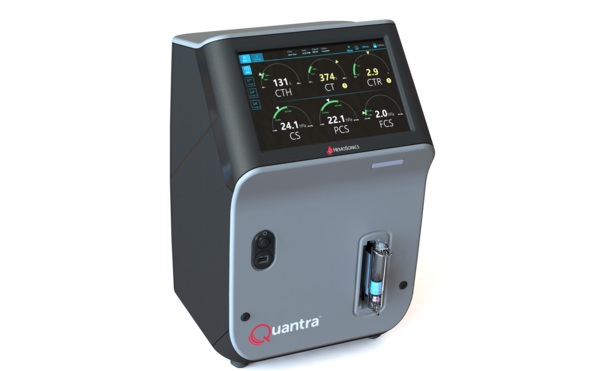
Point-of-Care Viscoelastic Testing System Supports Obstetric Bleeding Management
HemoSonics (Durham, NC, USA) announced on May 5, 2026 that the company's Quantra Hemostasis System for Obstetric Procedures won Silver in the 2026 Edison Awards in the Women’s Health and Reproductive Innovations... Read more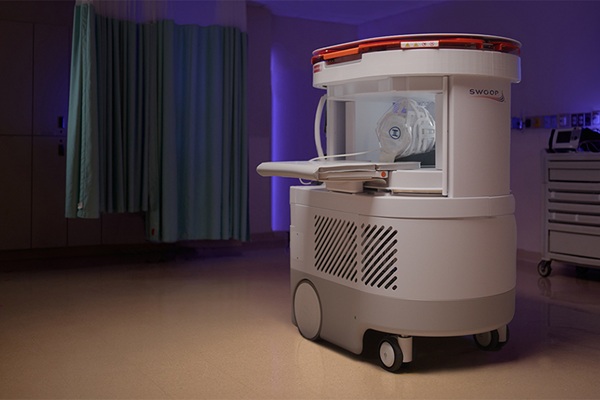

Business
view channel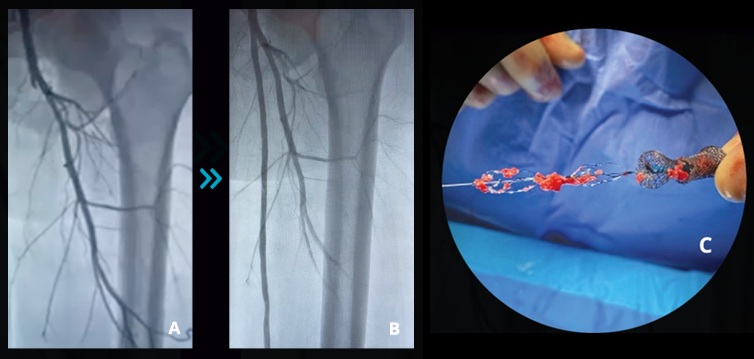
Endologix Adds FDA-Cleared Peripheral Thrombectomy System
Endologix (Santa Rosa, CA, USA) has acquired the Pounce Thrombectomy System from Surmodics, with the transaction closing on May 18, 2026. The FDA-cleared system is indicated for the non-surgical removal... Read more