Hi-Tech Orthopedic Braces Result in a Better fit
|
By HospiMedica International staff writers Posted on 04 Nov 2009 |


|
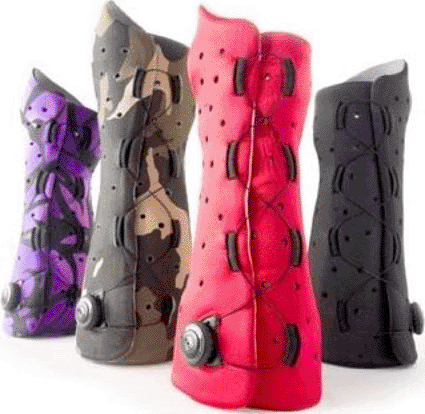
Image: The Exos splinting, casting, and bracing system (Photo courtesy of Exos).
An original line of orthopedic splints and casts provide excellent stabilization with superior comfort for greater patient compliance.
The Exos splinting, casting, and bracing system are fully customizable, adjustable, reconformable, and waterproof, and are designed to dramatically change the clinical practices for external musculoskeletal support and stabilization. The splints consist of three layers of high tech polymers and foam that when laminated together create a lightweight matrix, with features that have multiple benefits for both practitioners and their patients. The products are easy to use, with a dry application protocol that does not require water, stockinette, or cotton padding for setting. The braces lace up with boa lacing, and are waterproof and nonabsorbent, so that they can be washed on the body and used for water activities. They are also radiolucent, 25% to 50% lighter than fiberglass or plaster, simple to remove, and do not necessitate the use of often disturbing cast saws.
Among the products available are a short thumb spica brace, used to stabilize injuries to the ulnar collateral ligament (UCL), fractures or avulsion injuries to the proximal first phalanx or distal first metacarpal, severe sprains of the thumb, or for arthritic conditions involving the first metacarpal-phalangeal (MCP) joint; a long thumb spica brace that provides primary stabilization for the first MCP joint and the first carpo-metacarpal (CMC) joint, as well as secondary support for the radio-carpal and the radio-ulnar wrist joint; and a short arm fracture brace that offers support and protection for major injuries to the wrist. It is used primarily for fractures to the distal radius or distal ulna, and can be employed for acute injuries as well as post-operatively.
The Exos material is also available in sheets that can be cut and trimmed easily with shears when warm, and is heat formable for many uses, such as custom musculoskeletal support systems for the body or for sports protective padding. Several attachment and closure means are available beside the boa tensioning Kit (ABK), including velcro type hook strips in several sizes, and an adjustable tensioning strap (ATS). The Exos splinting, casting, and bracing system is a product of Exos (St. Paul, MN, USA).
Related Links:
Exos





The Exos splinting, casting, and bracing system are fully customizable, adjustable, reconformable, and waterproof, and are designed to dramatically change the clinical practices for external musculoskeletal support and stabilization. The splints consist of three layers of high tech polymers and foam that when laminated together create a lightweight matrix, with features that have multiple benefits for both practitioners and their patients. The products are easy to use, with a dry application protocol that does not require water, stockinette, or cotton padding for setting. The braces lace up with boa lacing, and are waterproof and nonabsorbent, so that they can be washed on the body and used for water activities. They are also radiolucent, 25% to 50% lighter than fiberglass or plaster, simple to remove, and do not necessitate the use of often disturbing cast saws.
Among the products available are a short thumb spica brace, used to stabilize injuries to the ulnar collateral ligament (UCL), fractures or avulsion injuries to the proximal first phalanx or distal first metacarpal, severe sprains of the thumb, or for arthritic conditions involving the first metacarpal-phalangeal (MCP) joint; a long thumb spica brace that provides primary stabilization for the first MCP joint and the first carpo-metacarpal (CMC) joint, as well as secondary support for the radio-carpal and the radio-ulnar wrist joint; and a short arm fracture brace that offers support and protection for major injuries to the wrist. It is used primarily for fractures to the distal radius or distal ulna, and can be employed for acute injuries as well as post-operatively.
The Exos material is also available in sheets that can be cut and trimmed easily with shears when warm, and is heat formable for many uses, such as custom musculoskeletal support systems for the body or for sports protective padding. Several attachment and closure means are available beside the boa tensioning Kit (ABK), including velcro type hook strips in several sizes, and an adjustable tensioning strap (ATS). The Exos splinting, casting, and bracing system is a product of Exos (St. Paul, MN, USA).
Related Links:
Exos

Gold Member
Neonatal Heel Incision Device
Tenderfoot
Gold Member
SARS‑CoV‑2/Flu A/Flu B/RSV Sample-To-Answer Test
SARS‑CoV‑2/Flu A/Flu B/RSV Cartridge (CE-IVD)
Patient Preoperative Skin Preparation
BD ChloraPrep
Blood Pressure Monitor
Cuff Blood Pressure Monitor
Latest Patient Care News
- AI Avatar Doctor Improves Patient Understanding Before Radiotherapy
- Wearable Sleep Data Predict Adherence to Pulmonary Rehabilitation
- Revolutionary Automatic IV-Line Flushing Device to Enhance Infusion Care
- VR Training Tool Combats Contamination of Portable Medical Equipment
- Portable Biosensor Platform to Reduce Hospital-Acquired Infections
- First-Of-Its-Kind Portable Germicidal Light Technology Disinfects High-Touch Clinical Surfaces in Seconds
- Surgical Capacity Optimization Solution Helps Hospitals Boost OR Utilization

- Game-Changing Innovation in Surgical Instrument Sterilization Significantly Improves OR Throughput
- Next Gen ICU Bed to Help Address Complex Critical Care Needs
- Groundbreaking AI-Powered UV-C Disinfection Technology Redefines Infection Control Landscape
- Clean Hospitals Can Reduce Antibiotic Resistance, Save Lives
- Smart Hospital Beds Improve Accuracy of Medical Diagnosis
- New Fast Endoscope Drying System Improves Productivity and Traceability
- World’s First Automated Endoscope Cleaner Fights Antimicrobial Resistance
- Portable High-Capacity Digital Stretcher Scales Provide Precision Weighing for Patients in ER
- Portable Clinical Scale with Remote Indicator Allows for Flexible Patient Weighing Use
Channels
Artificial Intelligence
view channel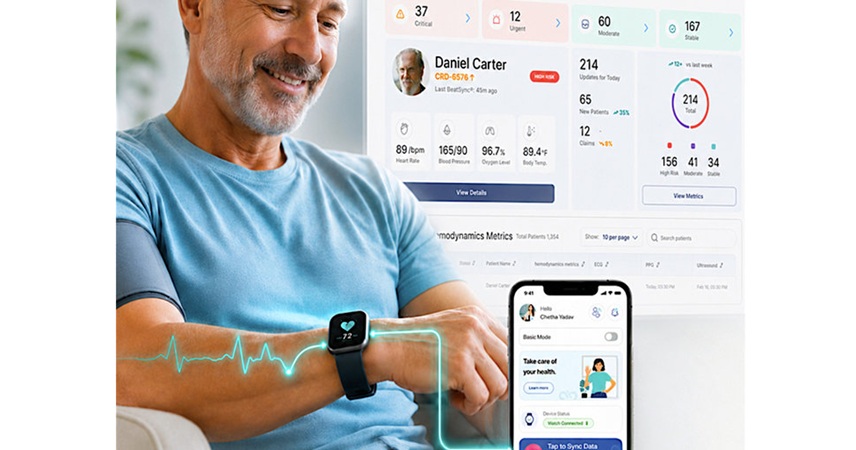
AI Platform Supports Noninvasive Remote Hemodynamic Monitoring in Heart Failure
Heart failure remains a leading cause of hospitalization in adults over 65, affecting more than 6.7 million people in the U.S. Clinicians often lose visibility into hemodynamic deterioration once patients... Read more
AI Tool Predicts Unplanned Care and Symptom Burden in Cancer Survivors
Unplanned emergency visits and hospitalizations remain common in cancer survivorship, when routine clinical contact often tapers while new symptoms emerge. These events reflect unmet needs and disrupt... Read more

Critical Care
view channel
Smartphone Heart Rhythm App Reduces Unnecessary Cardioversion Procedures
Atrial fibrillation, an irregular and often rapid heart rhythm, is the most common arrhythmia in adults. Elective electrical cardioversion is frequently canceled on the day of treatment when patients revert... Read more
New Practice Guidance Supports Prostatic Artery Embolization for BPH Symptoms
Benign prostatic hyperplasia is a noncancerous enlargement of the prostate that can cause lower urinary tract symptoms and impair daily functioning. These symptoms erode sleep, productivity, and sexual... Read more
Bedside CSF Monitor Detects Early Infection in Fluid Drains
External drainage of cerebrospinal fluid (CSF) after traumatic brain injury, hydrocephalus, or hemorrhage carries a significant risk of infection. These infections can prolong intensive care, cause severe... Read more
Wearable Ultrasound Patch Noninvasively Paces Heart to Stabilize Arrhythmias
Cardiac arrhythmias, including slow and irregular heart rhythms, often require pacemakers that are surgically implanted. While effective, implants carry procedural risks and long-term device maintenance burdens.... Read moreSurgical Techniques
view channel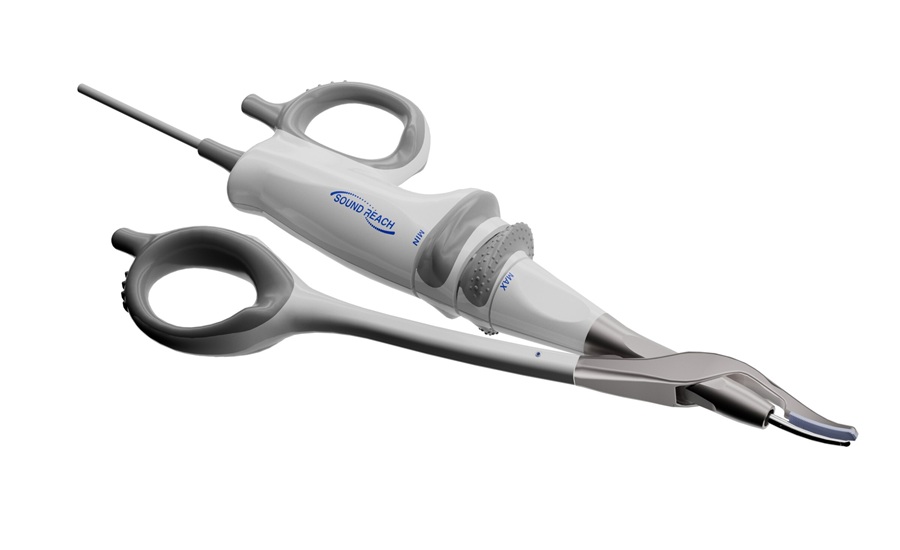
CE-Marked Ultrasonic Shears Streamline Breast and Thyroid Surgery
Thyroid and breast surgeries are often performed in confined anatomical spaces near critical structures, making precise dissection and controlled thermal management essential. As the global disease burden... Read more
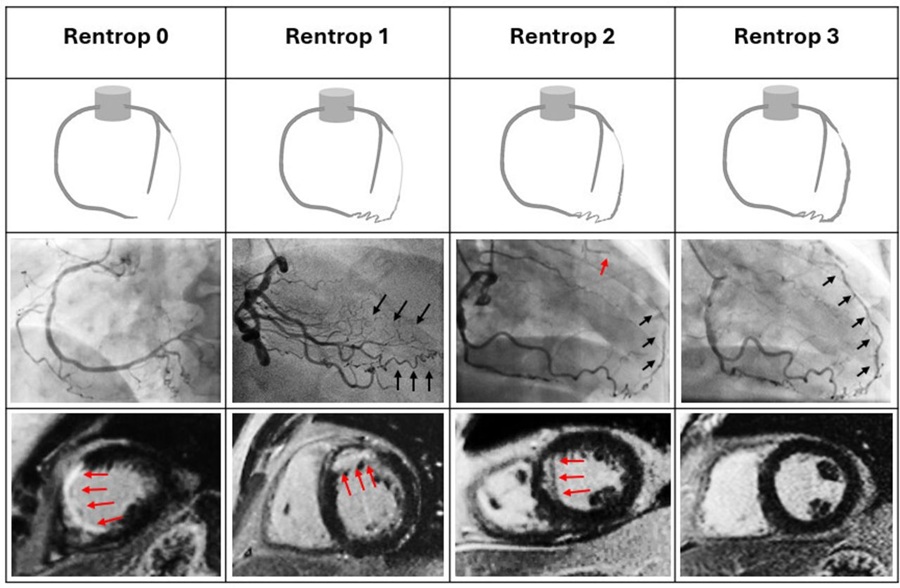
3D Map of Heart Electrical Wiring Aims to Guide Congenital Heart Repair
Tetralogy of Fallot is one of the most common congenital heart problems and often requires surgery in infancy. Many survivors later develop conduction abnormalities because the cardiac electrical system... Read more
Health IT
view channel
AI-Native EHR Achieves EU Medical Device Certification
InterSystems (Boston, MA, USA) announced that its IntelliCare electronic health record (EHR) solutions have been certified as Class IIa medical devices under the European Union Medical Device Regulation... Read more
EHR-Integrated Screening Workflow Detects Cognitive Impairment at Admission
Cognitive impairment involves difficulties with thinking, learning, memory, and decision-making, and is more common in older adults. In U.S. hospitals, more than 40% of admitted older adults have dementia,... Read more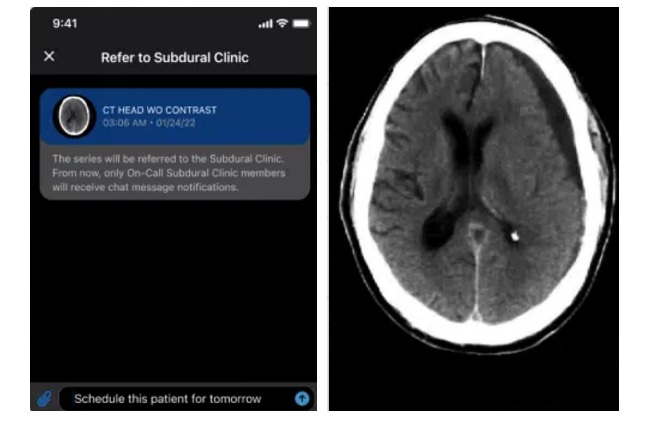
Point of Care
view channel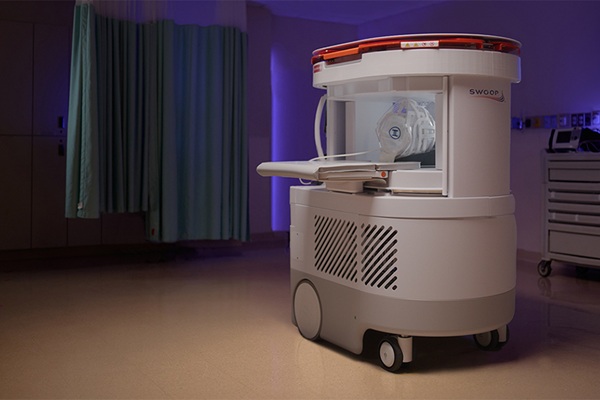
Portable MRI System Accelerates Emergency Brain Imaging and Triage
Emergency departments frequently face delays accessing conventional magnetic resonance imaging (MRI) for patients with suspected neurological emergencies. Such waits can slow triage, prolong boarding,... Read more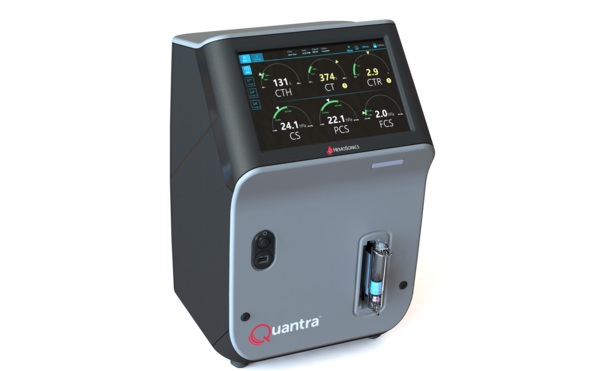
Point-of-Care Viscoelastic Testing System Supports Obstetric Bleeding Management
HemoSonics (Durham, NC, USA) announced on May 5, 2026 that the company's Quantra Hemostasis System for Obstetric Procedures won Silver in the 2026 Edison Awards in the Women’s Health and Reproductive Innovations... Read more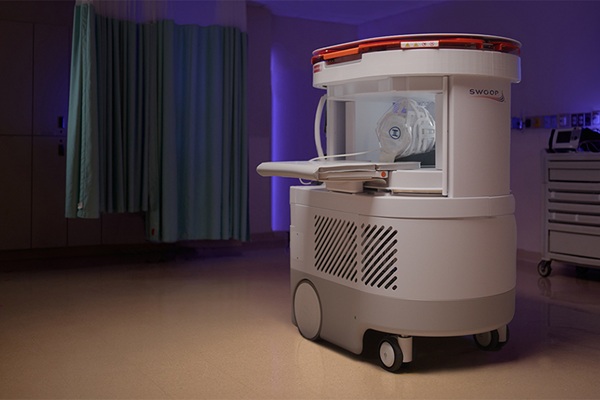

Business
view channel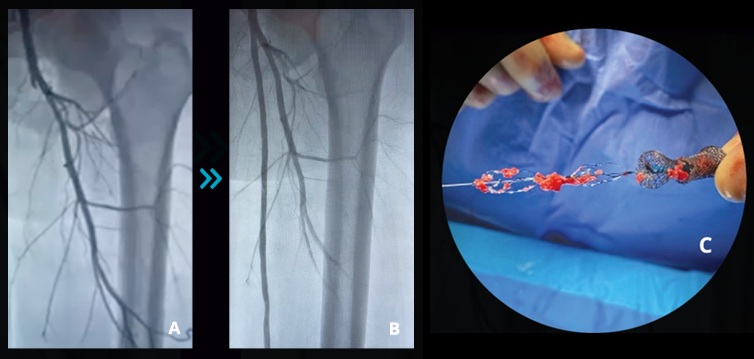
Endologix Adds FDA-Cleared Peripheral Thrombectomy System
Endologix (Santa Rosa, CA, USA) has acquired the Pounce Thrombectomy System from Surmodics, with the transaction closing on May 18, 2026. The FDA-cleared system is indicated for the non-surgical removal... Read more