Smartphones Assist Remote Diagnosis of Acute Appendicitis
|
By HospiMedica International staff writers Posted on 11 Dec 2009 |


|
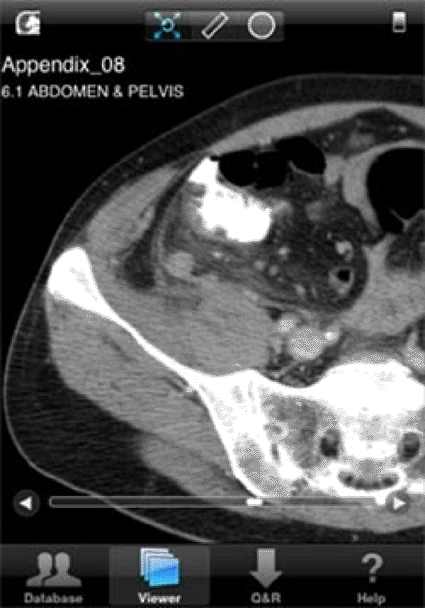
Image: The appendix as viewed on an iPhone 3G (Photo courtesy of Dr. A Choudhri - RSNA org.).
Special software allows viewing of raw clinical image data in full resolution, allowing acute appendicitis to be accurately diagnosed from a remote location by a radiologist using an iPhone.
Researchers at Johns Hopkins University (JHU, Baltimore, MD, USA) and the University of Virginia (Charlottesville, CT, USA) performed abdomen and pelvis computerized tomography (CT) studies on 25 patients with pain in the right lower abdomen. All patients had either surgical confirmation of the diagnosis of acute appendicitis, or follow-up clinical evaluation confirming no acute appendicitis. Each study was viewed by five blinded radiologists on a handheld device (iPhone 3G), equipped with OsiriX open source mobile medical image viewing software. The studies were evaluated for the ability to find the appendix, the maximum appendiceal diameter, presence of an appendicolith, periappendicial stranding and fluid, abscess formation, and a binary assessment of the diagnosis of acute appendicitis. The studies were also compared to a faculty-read of the study as performed on a dedicated picture archiving and communication system (PACS) workstation.
The results showed that 15 of the 25 patients were correctly identified as having acute appendicitis on 74 (99%) of 75 interpretations, with one false negative; there were no false positive readings. In eight of the 15 patients who had appendicitis, calcified deposits within the appendix were correctly identified in 88% of the interpretations. All 15 patients had signs of inflammation near the appendix that were correctly identified in 96% of interpretations, and 10 of the 15 had fluid near the appendix, which was correctly identified in 94% of the interpretations. Three abscesses were correctly identified by all five readers. However, handheld device measurements of the appendix averaged almost one millimeter larger than measurements on the PACS workstation, suggesting that appedendical diameter should not be used as the sole basis for diagnosis. The study results were presented at the annual meeting of the Radiological Society of North America (RSNA), held during November-December 2009 in Chicago (IL, USA).
"The iPhone interpretations of the CT scans were as accurate as the interpretations viewed on dedicated PACS workstations,” said lead author Asim Choudhri, M.D., of the division of neuroradiology at JHU. "The scans can be read in full resolution with very little panning, and the software allows the reader to zoom and adjust the contrast and brightness of the image. The radiologist is evaluating actual raw image data, not snapshots.”
The researchers concluded that remote viewing of studies may be feasible for emergent consultation to expedite emergency room care when consultation with a specialist is needed, which could be of particular benefit for subspecialist consultation for on-call residents.
Related Links:
Johns Hopkins University
University of Virginia




Researchers at Johns Hopkins University (JHU, Baltimore, MD, USA) and the University of Virginia (Charlottesville, CT, USA) performed abdomen and pelvis computerized tomography (CT) studies on 25 patients with pain in the right lower abdomen. All patients had either surgical confirmation of the diagnosis of acute appendicitis, or follow-up clinical evaluation confirming no acute appendicitis. Each study was viewed by five blinded radiologists on a handheld device (iPhone 3G), equipped with OsiriX open source mobile medical image viewing software. The studies were evaluated for the ability to find the appendix, the maximum appendiceal diameter, presence of an appendicolith, periappendicial stranding and fluid, abscess formation, and a binary assessment of the diagnosis of acute appendicitis. The studies were also compared to a faculty-read of the study as performed on a dedicated picture archiving and communication system (PACS) workstation.
The results showed that 15 of the 25 patients were correctly identified as having acute appendicitis on 74 (99%) of 75 interpretations, with one false negative; there were no false positive readings. In eight of the 15 patients who had appendicitis, calcified deposits within the appendix were correctly identified in 88% of the interpretations. All 15 patients had signs of inflammation near the appendix that were correctly identified in 96% of interpretations, and 10 of the 15 had fluid near the appendix, which was correctly identified in 94% of the interpretations. Three abscesses were correctly identified by all five readers. However, handheld device measurements of the appendix averaged almost one millimeter larger than measurements on the PACS workstation, suggesting that appedendical diameter should not be used as the sole basis for diagnosis. The study results were presented at the annual meeting of the Radiological Society of North America (RSNA), held during November-December 2009 in Chicago (IL, USA).
"The iPhone interpretations of the CT scans were as accurate as the interpretations viewed on dedicated PACS workstations,” said lead author Asim Choudhri, M.D., of the division of neuroradiology at JHU. "The scans can be read in full resolution with very little panning, and the software allows the reader to zoom and adjust the contrast and brightness of the image. The radiologist is evaluating actual raw image data, not snapshots.”
The researchers concluded that remote viewing of studies may be feasible for emergent consultation to expedite emergency room care when consultation with a specialist is needed, which could be of particular benefit for subspecialist consultation for on-call residents.
Related Links:
Johns Hopkins University
University of Virginia

Gold Member
Neonatal Heel Incision Device
Tenderfoot
Gold Member
Handheld Blood Glucose Analyzer
STAT-Site
Medical-Grade Display
HL2316SHTB
Desk Aneroid Sphyg
Diagnostix 750D+
Latest Health IT News
- AI-Native EHR Achieves EU Medical Device Certification
- EHR-Integrated Screening Workflow Detects Cognitive Impairment at Admission
- AI System Detects and Quantifies Chronic Subdural Hematoma
- Continuous Monitoring Platform Detects Infection Risk Across Care Transitions
- Automated System Classifies and Tracks Cardiogenic Shock Across Hospital Settings
- Voice-Driven AI System Enables Structured GI Procedure Documentation
- EMR-Based Tool Predicts Graft Failure After Kidney Transplant
Channels
Artificial Intelligence
view channel
AI Platform Supports Noninvasive Remote Hemodynamic Monitoring in Heart Failure
Heart failure remains a leading cause of hospitalization in adults over 65, affecting more than 6.7 million people in the U.S. Clinicians often lose visibility into hemodynamic deterioration once patients... Read more
AI Tool Predicts Unplanned Care and Symptom Burden in Cancer Survivors
Unplanned emergency visits and hospitalizations remain common in cancer survivorship, when routine clinical contact often tapers while new symptoms emerge. These events reflect unmet needs and disrupt... Read more

Critical Care
view channel
Smartphone Heart Rhythm App Reduces Unnecessary Cardioversion Procedures
Atrial fibrillation, an irregular and often rapid heart rhythm, is the most common arrhythmia in adults. Elective electrical cardioversion is frequently canceled on the day of treatment when patients revert... Read more
New Practice Guidance Supports Prostatic Artery Embolization for BPH Symptoms
Benign prostatic hyperplasia is a noncancerous enlargement of the prostate that can cause lower urinary tract symptoms and impair daily functioning. These symptoms erode sleep, productivity, and sexual... Read more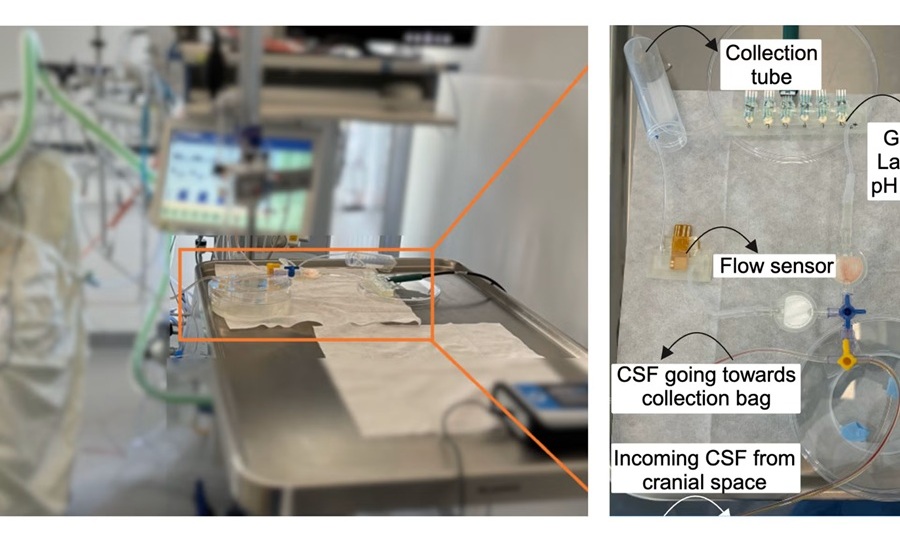
Bedside CSF Monitor Detects Early Infection in Fluid Drains
External drainage of cerebrospinal fluid (CSF) after traumatic brain injury, hydrocephalus, or hemorrhage carries a significant risk of infection. These infections can prolong intensive care, cause severe... Read more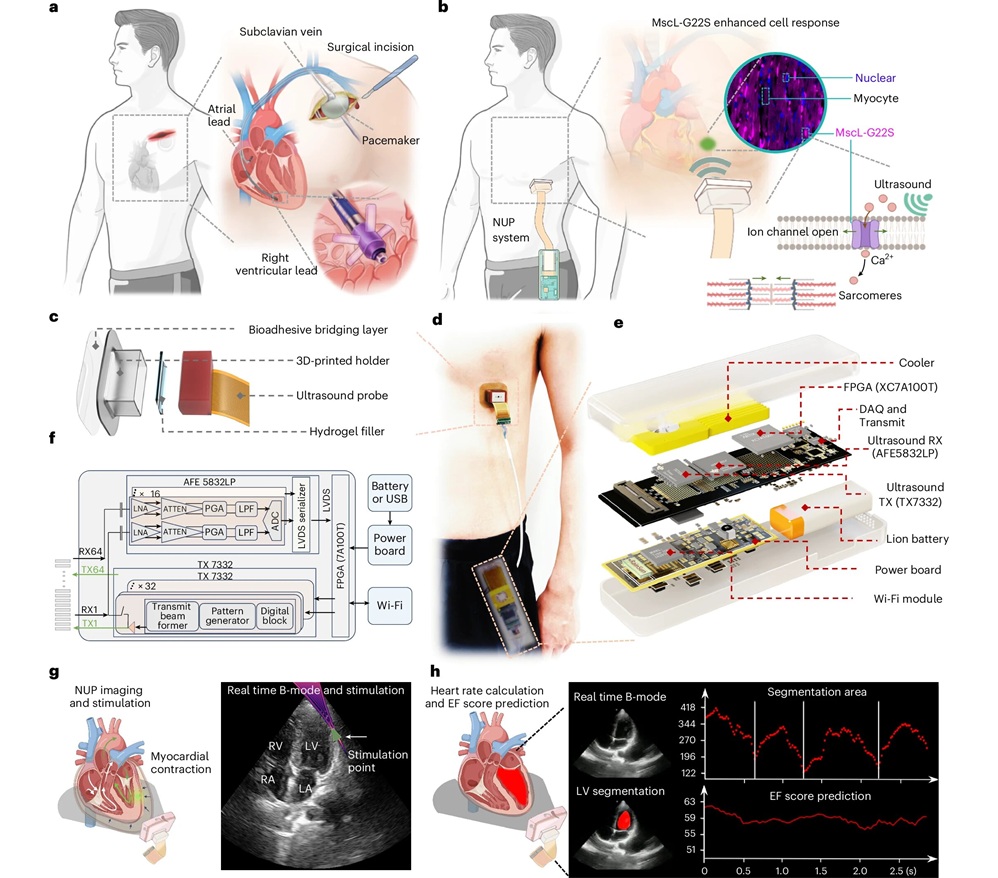
Wearable Ultrasound Patch Noninvasively Paces Heart to Stabilize Arrhythmias
Cardiac arrhythmias, including slow and irregular heart rhythms, often require pacemakers that are surgically implanted. While effective, implants carry procedural risks and long-term device maintenance burdens.... Read moreSurgical Techniques
view channel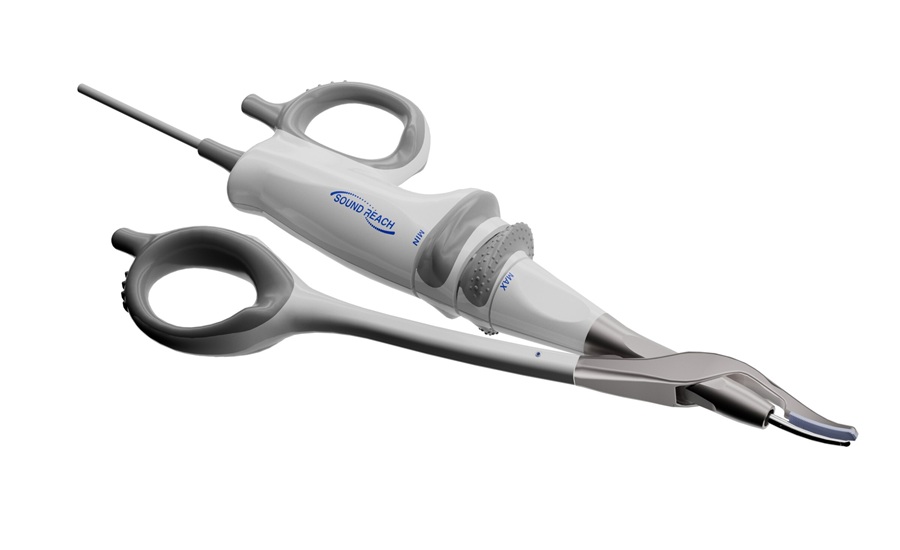
CE-Marked Ultrasonic Shears Streamline Breast and Thyroid Surgery
Thyroid and breast surgeries are often performed in confined anatomical spaces near critical structures, making precise dissection and controlled thermal management essential. As the global disease burden... Read more
3D Map of Heart Electrical Wiring Aims to Guide Congenital Heart Repair
Tetralogy of Fallot is one of the most common congenital heart problems and often requires surgery in infancy. Many survivors later develop conduction abnormalities because the cardiac electrical system... Read more
Patient Care
view channel
AI Avatar Doctor Improves Patient Understanding Before Radiotherapy
Radiation oncology consultations require patients to grasp complex concepts quickly, yet anxiety and information overload often undermine understanding and informed consent. Poor comprehension can also... Read more
Wearable Sleep Data Predict Adherence to Pulmonary Rehabilitation
Chronic obstructive pulmonary disease (COPD) is a long-term lung disorder that makes breathing difficult and often disturbs sleep, reducing energy for daily activities. Limited engagement in pulmonary... Read more

Health IT
view channel
AI-Native EHR Achieves EU Medical Device Certification
InterSystems (Boston, MA, USA) announced that its IntelliCare electronic health record (EHR) solutions have been certified as Class IIa medical devices under the European Union Medical Device Regulation... Read more
EHR-Integrated Screening Workflow Detects Cognitive Impairment at Admission
Cognitive impairment involves difficulties with thinking, learning, memory, and decision-making, and is more common in older adults. In U.S. hospitals, more than 40% of admitted older adults have dementia,... Read more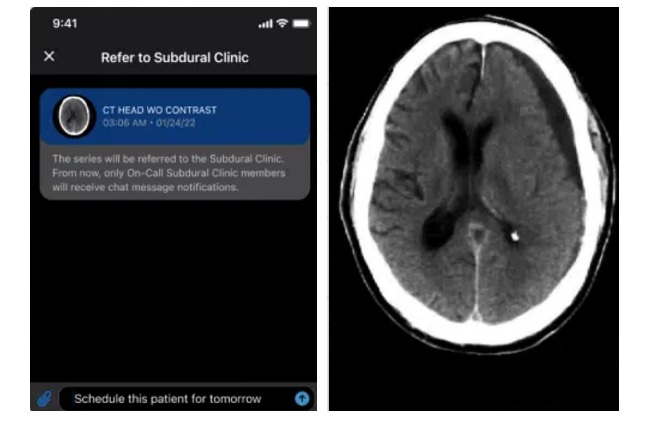

Point of Care
view channel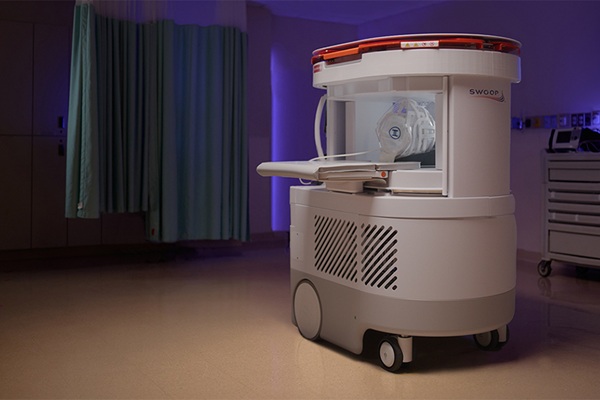
Portable MRI System Accelerates Emergency Brain Imaging and Triage
Emergency departments frequently face delays accessing conventional magnetic resonance imaging (MRI) for patients with suspected neurological emergencies. Such waits can slow triage, prolong boarding,... Read more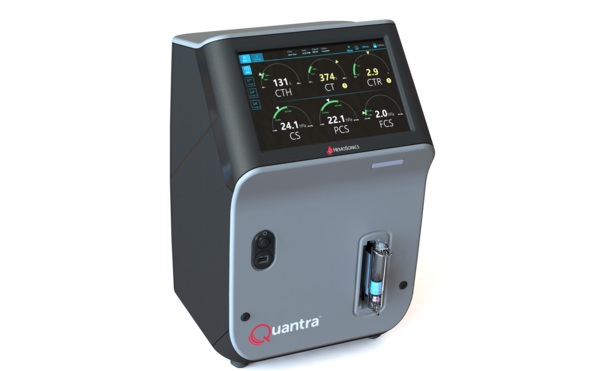
Point-of-Care Viscoelastic Testing System Supports Obstetric Bleeding Management
HemoSonics (Durham, NC, USA) announced on May 5, 2026 that the company's Quantra Hemostasis System for Obstetric Procedures won Silver in the 2026 Edison Awards in the Women’s Health and Reproductive Innovations... Read more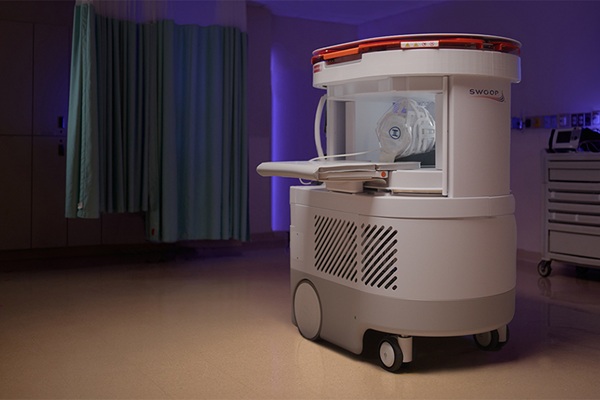

Business
view channel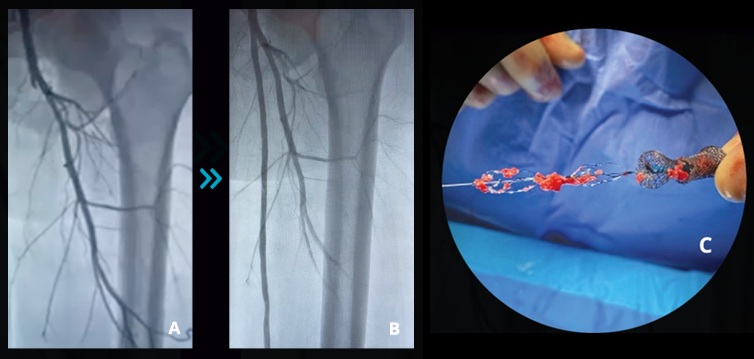
Endologix Adds FDA-Cleared Peripheral Thrombectomy System
Endologix (Santa Rosa, CA, USA) has acquired the Pounce Thrombectomy System from Surmodics, with the transaction closing on May 18, 2026. The FDA-cleared system is indicated for the non-surgical removal... Read more