Health Center Replaces Manual Processes to Improve Compliance
|
By HospiMedica International staff writers Posted on 18 Jan 2010 |


|
Diagnostic departments are finding significant advantages in speech recognition, clinical communication tools, and patient-outcome analysis capabilities despite information technology (IT) purchasing constraints.
Nuance Communications, Inc. (Burlington, MA, USA) announced that Renown Health, northern Nevada's largest not-for-profit health network, and University of Wisconsin (UW) Health, which represents the five academic healthcare entities of the University of Wisconsin-Madison (USA), have both included Nuance's diagnostic imaging solutions as part of their enterprise IT portfolio.
A primary goal of healthcare reform is to "bend the healthcare spending curve,” an initiative geared at slowing and reducing the amount of money spent annually on healthcare while simultaneously improving the quality of care delivered. While a contributing factor to growing industry costs has been the increased use of medical technology, there is plentiful evidence that healthcare IT solutions that replace older technologies and manual processes, can actually result in lower costs and improved care. One example of how technology can save the industry money vs. increasing spending is the shift from traditional medical transcription for clinical documentation to the use of speech recognition for radiology reporting.
"Today, nearly 100 radiologists and 50 fellows and residents use speech recognition across multiple UW Health sites to report on more than 250,000 exams annually. Because we've added speech recognition to the radiology reporting workflow, we are able to create reports instantaneously, whereas five years ago it might have taken two-four days to finalize a report,” said Gary Wendt, M.D., MBA, enterprise director of medical imaging at UW Health. "Speech recognition has helped UW Health to significantly bend the cost curve with estimated medical transcription savings at nearly US$400,000. In the next year, we expect to double the amount of radiology reports we create with speech recognition, and expect our savings to increase even more.”
Beyond the use of healthcare IT systems for controlling cost growth, patient safety, and compliance are also areas in which technology can contribute significant benefits. In 2006, nearly two-thirds of hospitals surveyed by The Joint Commission failed to meet the accreditation requirement for communication of critical test results. To combat this problem, The Joint Commission Standards for U.S. patient safety now require that hospitals improve the effectiveness of caregiver communication and track the results for critical tests and diagnostic procedures in a timely basis. Because getting information to the right clinician in a timely manner can be challenging, healthcare organizations, such as Renown Health, are deploying Veriphy. Veriphy is a critical test result management (CTRM) system that will provide Renown Health the ability to consistently track, document, and improve the effectiveness and timeliness of communicating critical results to the responsible caregiver for a patient. Renown Health will deploy Veriphy as its standard process for communication and documentation amongst ordering clinicians and radiologists.
"Patient safety and compliance is core to our hospital's mission. We believe that by adding the right mix of healthcare IT to our workflow, we will be able to improve the way we serve patients, create a safer environment for care, and enhance our ability to comply with industry regulatory requirements,” said Christine Wells, director of outpatient imaging, Renown Health. "Renown Health will deploy Nuance's RadWhere, Veriphy, and RadCube solutions in March 2010. As part of the roll-out, we will replace manual medical transcription, manual critical communication processes, and will gain intelligence on diagnostic imaging utilization and physician ordering habits; this knowledge will help us drive the best patient outcomes possible.”
To ensure readily available and highly accurate clinical documentation, Renown Health will use Nuance's RadWhere, a radiology reporting solution with accuracy rates up to 99%. At the core of the RadWhere application is the latest in structured speech recognition technology, optimized specifically for the radiology domain to work within picture archiving and communication system (PACS) and radiology information system (RIS) environments and significantly reduce or eliminate the need for transcription. Radiologists may complete reports in real-time with free-text speech recognition, standard site templates, individual radiologist templates, and other features focused on meeting the industry need for reduced turnaround time, increased accuracy, and consistency of reporting, as well as improved provider efficiency.
Renown Health will also deploy Nuance's RadCube software system, a Web-based intelligence tool for the collection, analysis, and sharing of data (i.e., decision-support, ordering, patient outcome information) that can be viewed via one interface for instantaneous analytics to drive appropriate order monitoring, forecasting, and provider productivity. Renown Health will also have access to the de-identified, aggregate data of all medical groups using RadCube, thereby improving the their knowledge of which diagnostic imaging tests produce the best patient outcomes.
"UW Health and Renown Health are two forward thinking customers that have recognized the substantial impact that Nuance's Diagnostic IT solutions can have on an organization's work processes and bottom-line. Technologies that enable clinical decision-support, speech-driven reporting, patient outcomes analysis, and automated caregiver communication are proven examples of how the healthcare cost curve can be bent while patient care, provider productivity and satisfaction simultaneously improve,” said Peter Durlach, senior vice president product strategy and marketing, Nuance Healthcare. "To ensure healthcare organizations can easily acquire these technologies in an economic time when capital purchases can be difficult to execute, we have designed a flexible, transactional pricing model that will generate immediate ROI [return on investment] for our customers with little or no upfront capital investment.”
Related Links:
Nuance Communications
Renown Health
University of Wisconsin Health





Nuance Communications, Inc. (Burlington, MA, USA) announced that Renown Health, northern Nevada's largest not-for-profit health network, and University of Wisconsin (UW) Health, which represents the five academic healthcare entities of the University of Wisconsin-Madison (USA), have both included Nuance's diagnostic imaging solutions as part of their enterprise IT portfolio.
A primary goal of healthcare reform is to "bend the healthcare spending curve,” an initiative geared at slowing and reducing the amount of money spent annually on healthcare while simultaneously improving the quality of care delivered. While a contributing factor to growing industry costs has been the increased use of medical technology, there is plentiful evidence that healthcare IT solutions that replace older technologies and manual processes, can actually result in lower costs and improved care. One example of how technology can save the industry money vs. increasing spending is the shift from traditional medical transcription for clinical documentation to the use of speech recognition for radiology reporting.
"Today, nearly 100 radiologists and 50 fellows and residents use speech recognition across multiple UW Health sites to report on more than 250,000 exams annually. Because we've added speech recognition to the radiology reporting workflow, we are able to create reports instantaneously, whereas five years ago it might have taken two-four days to finalize a report,” said Gary Wendt, M.D., MBA, enterprise director of medical imaging at UW Health. "Speech recognition has helped UW Health to significantly bend the cost curve with estimated medical transcription savings at nearly US$400,000. In the next year, we expect to double the amount of radiology reports we create with speech recognition, and expect our savings to increase even more.”
Beyond the use of healthcare IT systems for controlling cost growth, patient safety, and compliance are also areas in which technology can contribute significant benefits. In 2006, nearly two-thirds of hospitals surveyed by The Joint Commission failed to meet the accreditation requirement for communication of critical test results. To combat this problem, The Joint Commission Standards for U.S. patient safety now require that hospitals improve the effectiveness of caregiver communication and track the results for critical tests and diagnostic procedures in a timely basis. Because getting information to the right clinician in a timely manner can be challenging, healthcare organizations, such as Renown Health, are deploying Veriphy. Veriphy is a critical test result management (CTRM) system that will provide Renown Health the ability to consistently track, document, and improve the effectiveness and timeliness of communicating critical results to the responsible caregiver for a patient. Renown Health will deploy Veriphy as its standard process for communication and documentation amongst ordering clinicians and radiologists.
"Patient safety and compliance is core to our hospital's mission. We believe that by adding the right mix of healthcare IT to our workflow, we will be able to improve the way we serve patients, create a safer environment for care, and enhance our ability to comply with industry regulatory requirements,” said Christine Wells, director of outpatient imaging, Renown Health. "Renown Health will deploy Nuance's RadWhere, Veriphy, and RadCube solutions in March 2010. As part of the roll-out, we will replace manual medical transcription, manual critical communication processes, and will gain intelligence on diagnostic imaging utilization and physician ordering habits; this knowledge will help us drive the best patient outcomes possible.”
To ensure readily available and highly accurate clinical documentation, Renown Health will use Nuance's RadWhere, a radiology reporting solution with accuracy rates up to 99%. At the core of the RadWhere application is the latest in structured speech recognition technology, optimized specifically for the radiology domain to work within picture archiving and communication system (PACS) and radiology information system (RIS) environments and significantly reduce or eliminate the need for transcription. Radiologists may complete reports in real-time with free-text speech recognition, standard site templates, individual radiologist templates, and other features focused on meeting the industry need for reduced turnaround time, increased accuracy, and consistency of reporting, as well as improved provider efficiency.
Renown Health will also deploy Nuance's RadCube software system, a Web-based intelligence tool for the collection, analysis, and sharing of data (i.e., decision-support, ordering, patient outcome information) that can be viewed via one interface for instantaneous analytics to drive appropriate order monitoring, forecasting, and provider productivity. Renown Health will also have access to the de-identified, aggregate data of all medical groups using RadCube, thereby improving the their knowledge of which diagnostic imaging tests produce the best patient outcomes.
"UW Health and Renown Health are two forward thinking customers that have recognized the substantial impact that Nuance's Diagnostic IT solutions can have on an organization's work processes and bottom-line. Technologies that enable clinical decision-support, speech-driven reporting, patient outcomes analysis, and automated caregiver communication are proven examples of how the healthcare cost curve can be bent while patient care, provider productivity and satisfaction simultaneously improve,” said Peter Durlach, senior vice president product strategy and marketing, Nuance Healthcare. "To ensure healthcare organizations can easily acquire these technologies in an economic time when capital purchases can be difficult to execute, we have designed a flexible, transactional pricing model that will generate immediate ROI [return on investment] for our customers with little or no upfront capital investment.”
Related Links:
Nuance Communications
Renown Health
University of Wisconsin Health

Gold Member
Neonatal Heel Incision Device
Tenderfoot
Gold Member
STI Test
Vivalytic Sexually Transmitted Infection (STI) Array
Digital Radiography System (Ceiling Free)
Digix CF Series
Medical Adhesive
MED 5570U
Latest Health IT News
- AI-Native EHR Achieves EU Medical Device Certification
- EHR-Integrated Screening Workflow Detects Cognitive Impairment at Admission
- AI System Detects and Quantifies Chronic Subdural Hematoma
- Continuous Monitoring Platform Detects Infection Risk Across Care Transitions
- Automated System Classifies and Tracks Cardiogenic Shock Across Hospital Settings
- Voice-Driven AI System Enables Structured GI Procedure Documentation
- EMR-Based Tool Predicts Graft Failure After Kidney Transplant
Channels
Artificial Intelligence
view channel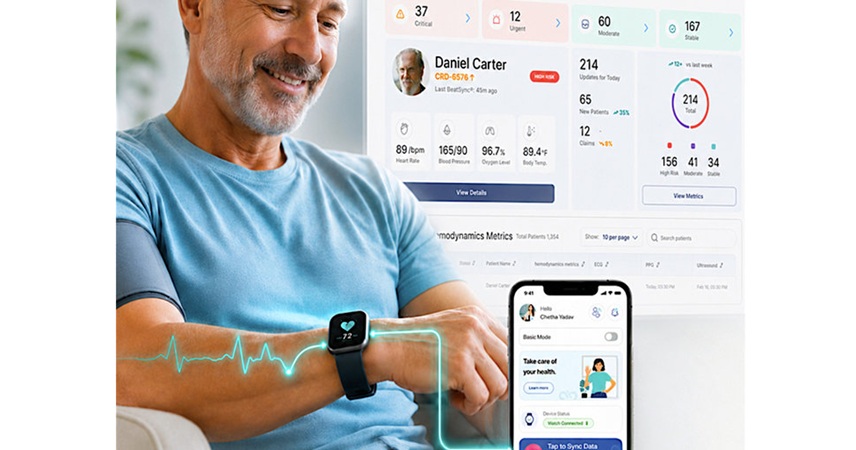
AI Platform Supports Noninvasive Remote Hemodynamic Monitoring in Heart Failure
Heart failure remains a leading cause of hospitalization in adults over 65, affecting more than 6.7 million people in the U.S. Clinicians often lose visibility into hemodynamic deterioration once patients... Read more
AI Tool Predicts Unplanned Care and Symptom Burden in Cancer Survivors
Unplanned emergency visits and hospitalizations remain common in cancer survivorship, when routine clinical contact often tapers while new symptoms emerge. These events reflect unmet needs and disrupt... Read more

Critical Care
view channel
Smartphone Heart Rhythm App Reduces Unnecessary Cardioversion Procedures
Atrial fibrillation, an irregular and often rapid heart rhythm, is the most common arrhythmia in adults. Elective electrical cardioversion is frequently canceled on the day of treatment when patients revert... Read more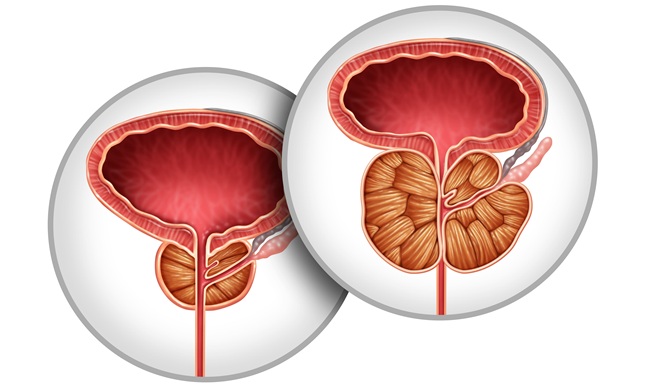
New Practice Guidance Supports Prostatic Artery Embolization for BPH Symptoms
Benign prostatic hyperplasia is a noncancerous enlargement of the prostate that can cause lower urinary tract symptoms and impair daily functioning. These symptoms erode sleep, productivity, and sexual... Read more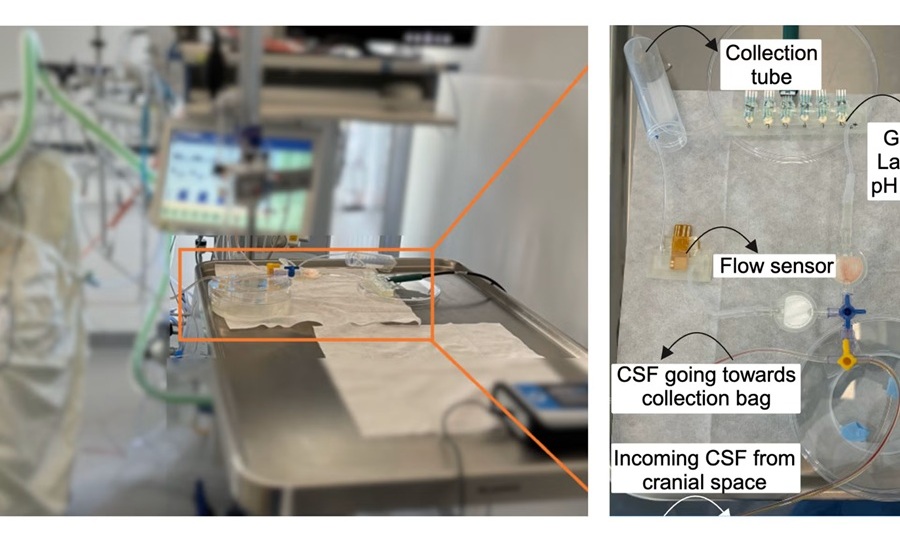
Bedside CSF Monitor Detects Early Infection in Fluid Drains
External drainage of cerebrospinal fluid (CSF) after traumatic brain injury, hydrocephalus, or hemorrhage carries a significant risk of infection. These infections can prolong intensive care, cause severe... Read more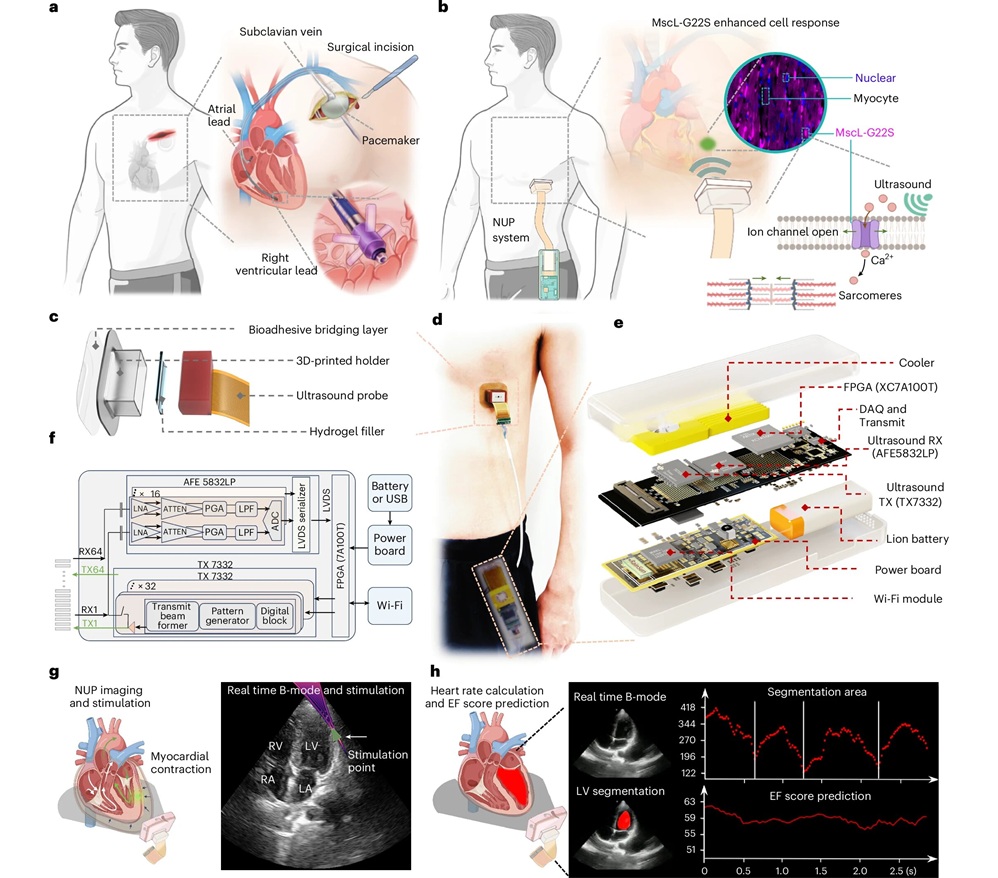
Wearable Ultrasound Patch Noninvasively Paces Heart to Stabilize Arrhythmias
Cardiac arrhythmias, including slow and irregular heart rhythms, often require pacemakers that are surgically implanted. While effective, implants carry procedural risks and long-term device maintenance burdens.... Read moreSurgical Techniques
view channel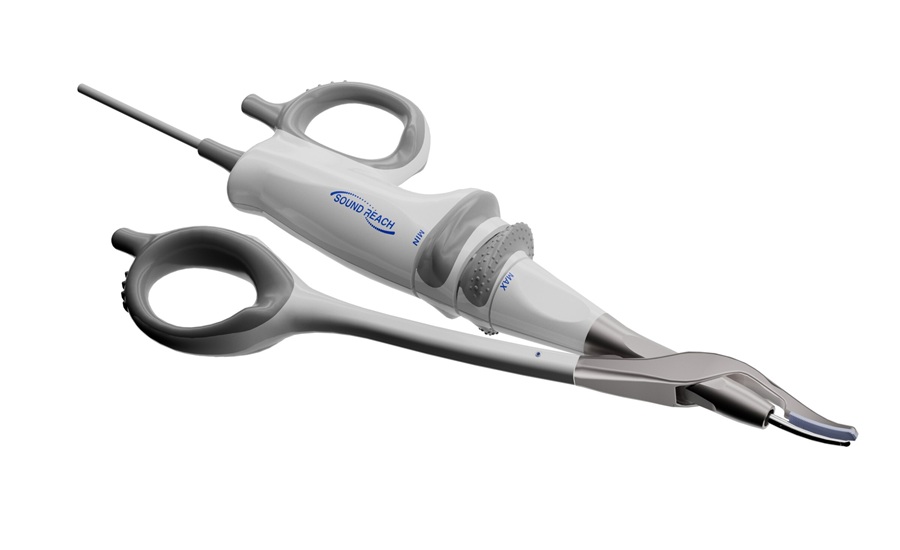
CE-Marked Ultrasonic Shears Streamline Breast and Thyroid Surgery
Thyroid and breast surgeries are often performed in confined anatomical spaces near critical structures, making precise dissection and controlled thermal management essential. As the global disease burden... Read more
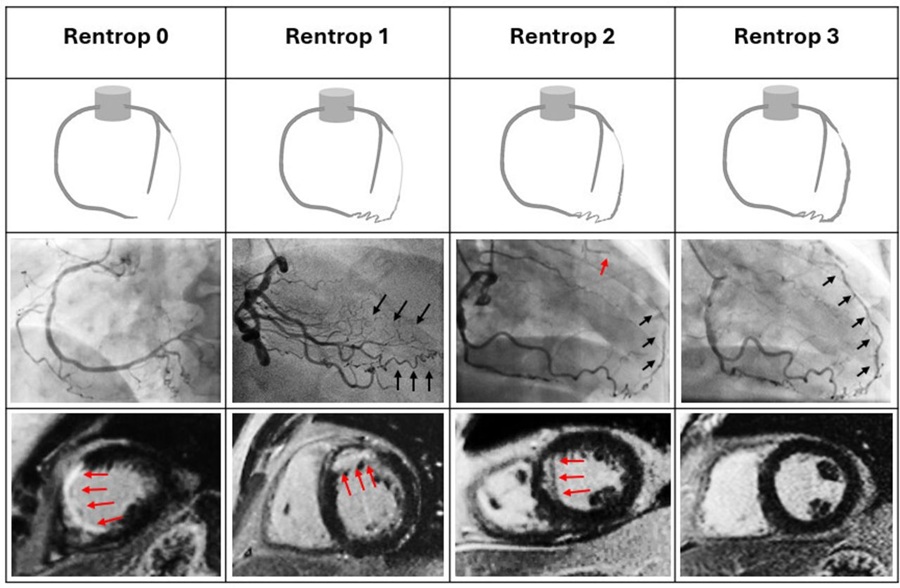
3D Map of Heart Electrical Wiring Aims to Guide Congenital Heart Repair
Tetralogy of Fallot is one of the most common congenital heart problems and often requires surgery in infancy. Many survivors later develop conduction abnormalities because the cardiac electrical system... Read more
Patient Care
view channel
AI Avatar Doctor Improves Patient Understanding Before Radiotherapy
Radiation oncology consultations require patients to grasp complex concepts quickly, yet anxiety and information overload often undermine understanding and informed consent. Poor comprehension can also... Read more
Wearable Sleep Data Predict Adherence to Pulmonary Rehabilitation
Chronic obstructive pulmonary disease (COPD) is a long-term lung disorder that makes breathing difficult and often disturbs sleep, reducing energy for daily activities. Limited engagement in pulmonary... Read more

Health IT
view channel
AI-Native EHR Achieves EU Medical Device Certification
InterSystems (Boston, MA, USA) announced that its IntelliCare electronic health record (EHR) solutions have been certified as Class IIa medical devices under the European Union Medical Device Regulation... Read more
EHR-Integrated Screening Workflow Detects Cognitive Impairment at Admission
Cognitive impairment involves difficulties with thinking, learning, memory, and decision-making, and is more common in older adults. In U.S. hospitals, more than 40% of admitted older adults have dementia,... Read more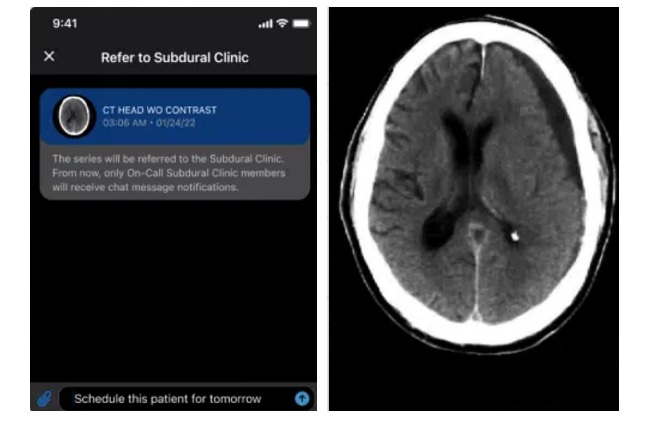

Point of Care
view channel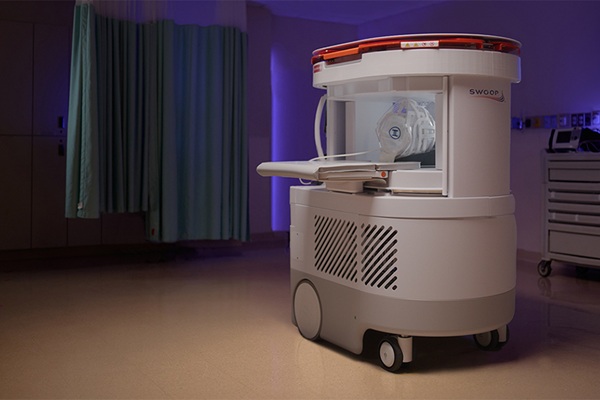
Portable MRI System Accelerates Emergency Brain Imaging and Triage
Emergency departments frequently face delays accessing conventional magnetic resonance imaging (MRI) for patients with suspected neurological emergencies. Such waits can slow triage, prolong boarding,... Read more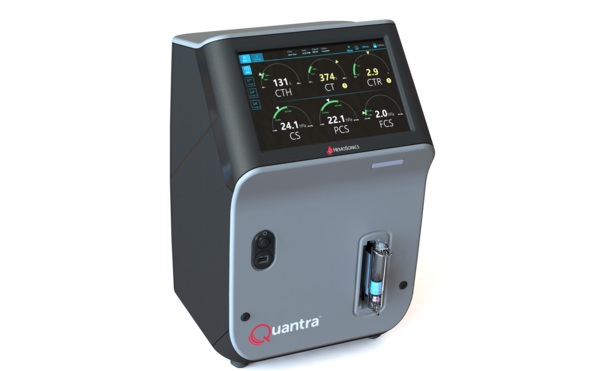
Point-of-Care Viscoelastic Testing System Supports Obstetric Bleeding Management
HemoSonics (Durham, NC, USA) announced on May 5, 2026 that the company's Quantra Hemostasis System for Obstetric Procedures won Silver in the 2026 Edison Awards in the Women’s Health and Reproductive Innovations... Read more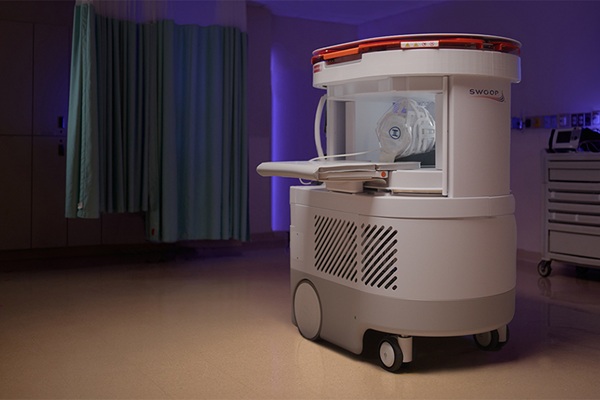

Business
view channel
Endologix Adds FDA-Cleared Peripheral Thrombectomy System
Endologix (Santa Rosa, CA, USA) has acquired the Pounce Thrombectomy System from Surmodics, with the transaction closing on May 18, 2026. The FDA-cleared system is indicated for the non-surgical removal... Read more