Enabling Information Flow Between Medical Devices and EHRs
|
By HospiMedica International staff writers Posted on 20 Jan 2010 |


|
A connectivity architecture solution connects medical devices to electronic health records (EHRs) to support the entire care process, enabling bidirectional data sharing between medical devices and the patient record.
The Cerner CareAware iBus solution provides true plug-and-play capabilities for connecting any medical device to any EHR system. Once a device is connected to the iBus solution, it is immediately recognized and can begin transmitting data to the EHR. This connectivity architecture places the EHR at the center of all information created and stored on the patient. The solution also allows waveform data to be transmitted directly into the EHR, and provides the ability to correlate and trend various sources of information including various waveforms, heart rate, and blood pressure. This trending information allows clinicians to analyze the patient's data in the context of other clinically relevant data for a specific period.
The CareAware iBus solution improves clinician workflow and patient safety by reducing the need for clinicians to manually enter device data into the EHR, allowing clinicians to spend more time on patient care and reducing the chance for transcription-related errors; decreasing the chance of medication errors related to intravenous (IV) infusion via direct association of the patient, the infusion pump, and the provider's order from the EHR; helping clinicians make informed decisions about patient care by providing them with access to up-to-date information about patient status gathered from multiple medical devices; providing the ability to automatically perform calculations on data being provided by medical devices; and reducing the amount of time clinicians spend on patient-to-device association.
The Cerner CareAware iBus solution also allows a healthcare organization to efficiently manage the various medical devices deployed throughout its facilities. Information technology (IT) teams can use the solution to monitor device performance, connectivity status, and device utilization, all within one view. The Cerner CareAware iBus solution is a product of Cerner (Kansas City, MO, USA), and has been approved by the U.S. Food and Drug Administration (FDA).
"The CareAware iBus solution is an interoperable platform developed in conjunction with our clients and certified device partners to create a standard for medical device connectivity, interoperability, and workflow transformation,” said Tom Herzog, Cerner vice president for IT and healthcare devices.
Related Links:
Cerner




The Cerner CareAware iBus solution provides true plug-and-play capabilities for connecting any medical device to any EHR system. Once a device is connected to the iBus solution, it is immediately recognized and can begin transmitting data to the EHR. This connectivity architecture places the EHR at the center of all information created and stored on the patient. The solution also allows waveform data to be transmitted directly into the EHR, and provides the ability to correlate and trend various sources of information including various waveforms, heart rate, and blood pressure. This trending information allows clinicians to analyze the patient's data in the context of other clinically relevant data for a specific period.
The CareAware iBus solution improves clinician workflow and patient safety by reducing the need for clinicians to manually enter device data into the EHR, allowing clinicians to spend more time on patient care and reducing the chance for transcription-related errors; decreasing the chance of medication errors related to intravenous (IV) infusion via direct association of the patient, the infusion pump, and the provider's order from the EHR; helping clinicians make informed decisions about patient care by providing them with access to up-to-date information about patient status gathered from multiple medical devices; providing the ability to automatically perform calculations on data being provided by medical devices; and reducing the amount of time clinicians spend on patient-to-device association.
The Cerner CareAware iBus solution also allows a healthcare organization to efficiently manage the various medical devices deployed throughout its facilities. Information technology (IT) teams can use the solution to monitor device performance, connectivity status, and device utilization, all within one view. The Cerner CareAware iBus solution is a product of Cerner (Kansas City, MO, USA), and has been approved by the U.S. Food and Drug Administration (FDA).
"The CareAware iBus solution is an interoperable platform developed in conjunction with our clients and certified device partners to create a standard for medical device connectivity, interoperability, and workflow transformation,” said Tom Herzog, Cerner vice president for IT and healthcare devices.
Related Links:
Cerner

Gold Member
Handheld Blood Glucose Analyzer
STAT-Site
Gold Member
SARS‑CoV‑2/Flu A/Flu B/RSV Sample-To-Answer Test
SARS‑CoV‑2/Flu A/Flu B/RSV Cartridge (CE-IVD)
Fetal Monitor
BT-380
Vessel Sealing Instrument
ERGOseal
Latest Health IT News
- AI-Native EHR Achieves EU Medical Device Certification
- EHR-Integrated Screening Workflow Detects Cognitive Impairment at Admission
- AI System Detects and Quantifies Chronic Subdural Hematoma
- Continuous Monitoring Platform Detects Infection Risk Across Care Transitions
- Automated System Classifies and Tracks Cardiogenic Shock Across Hospital Settings
- Voice-Driven AI System Enables Structured GI Procedure Documentation
- EMR-Based Tool Predicts Graft Failure After Kidney Transplant
Channels
Artificial Intelligence
view channel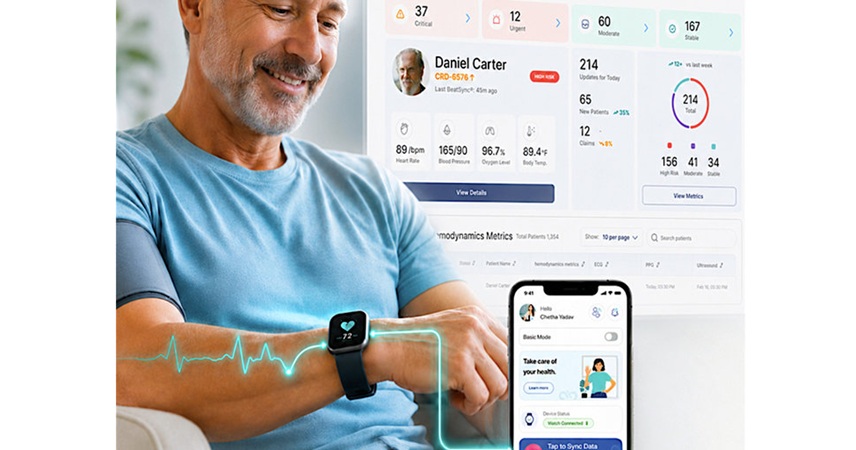
AI Platform Supports Noninvasive Remote Hemodynamic Monitoring in Heart Failure
Heart failure remains a leading cause of hospitalization in adults over 65, affecting more than 6.7 million people in the U.S. Clinicians often lose visibility into hemodynamic deterioration once patients... Read more
AI Tool Predicts Unplanned Care and Symptom Burden in Cancer Survivors
Unplanned emergency visits and hospitalizations remain common in cancer survivorship, when routine clinical contact often tapers while new symptoms emerge. These events reflect unmet needs and disrupt... Read more

Critical Care
view channel
Smartphone Heart Rhythm App Reduces Unnecessary Cardioversion Procedures
Atrial fibrillation, an irregular and often rapid heart rhythm, is the most common arrhythmia in adults. Elective electrical cardioversion is frequently canceled on the day of treatment when patients revert... Read more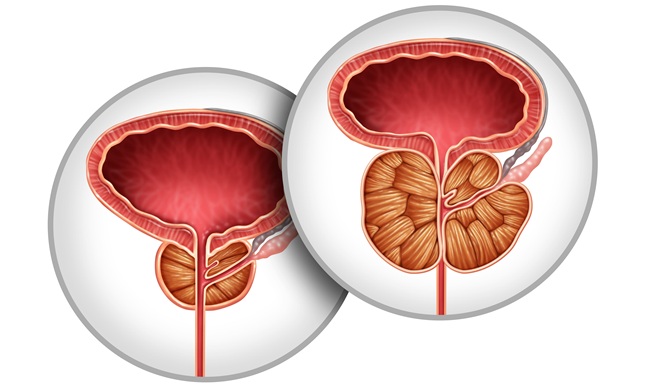
New Practice Guidance Supports Prostatic Artery Embolization for BPH Symptoms
Benign prostatic hyperplasia is a noncancerous enlargement of the prostate that can cause lower urinary tract symptoms and impair daily functioning. These symptoms erode sleep, productivity, and sexual... Read more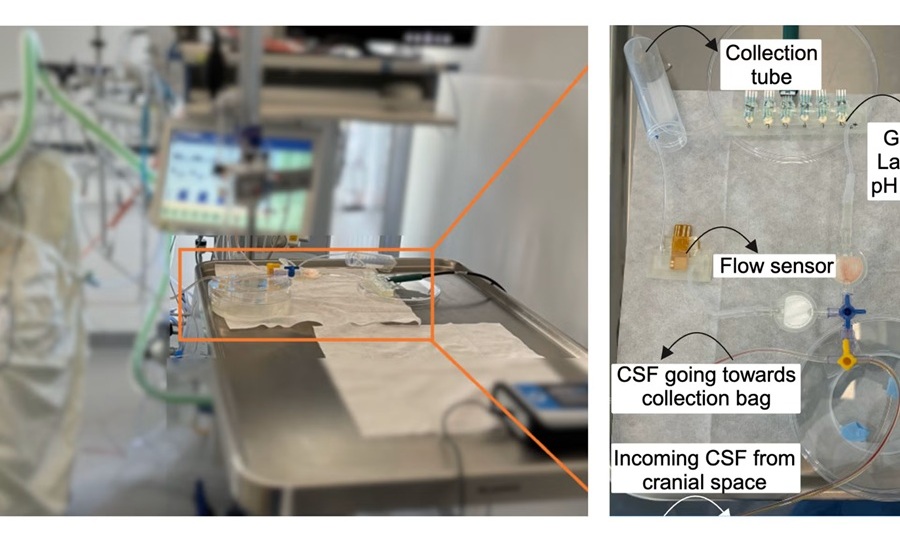
Bedside CSF Monitor Detects Early Infection in Fluid Drains
External drainage of cerebrospinal fluid (CSF) after traumatic brain injury, hydrocephalus, or hemorrhage carries a significant risk of infection. These infections can prolong intensive care, cause severe... Read more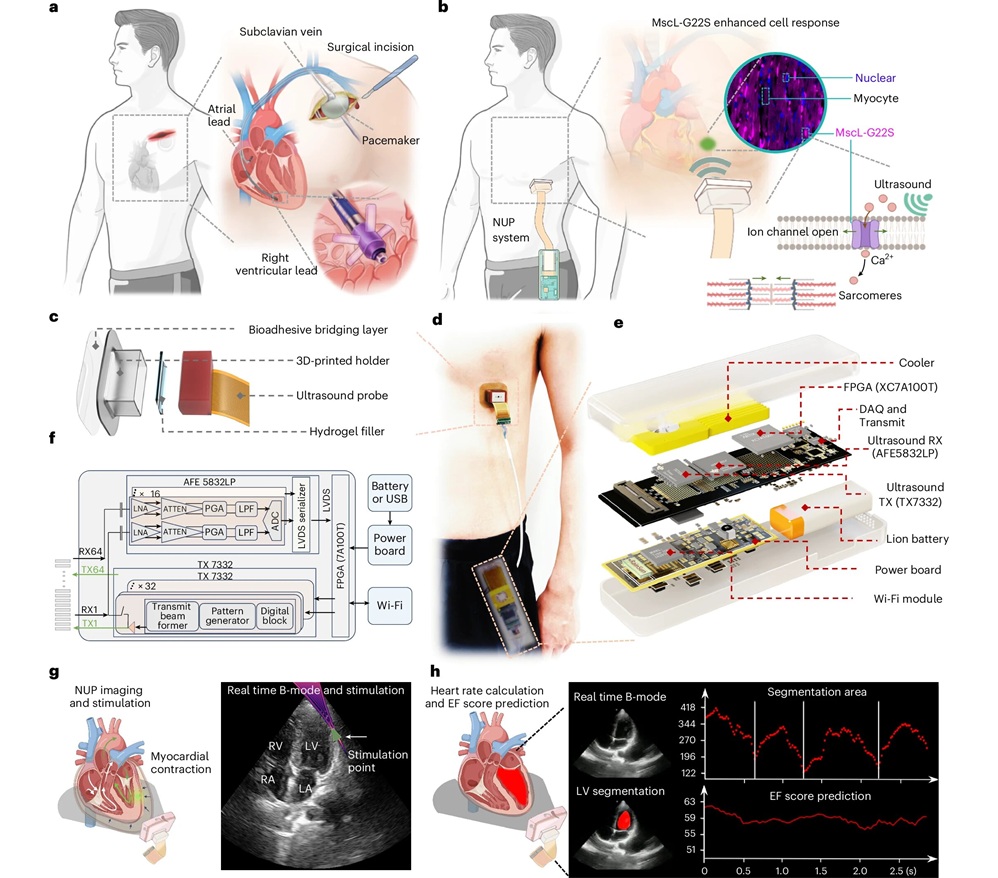
Wearable Ultrasound Patch Noninvasively Paces Heart to Stabilize Arrhythmias
Cardiac arrhythmias, including slow and irregular heart rhythms, often require pacemakers that are surgically implanted. While effective, implants carry procedural risks and long-term device maintenance burdens.... Read moreSurgical Techniques
view channel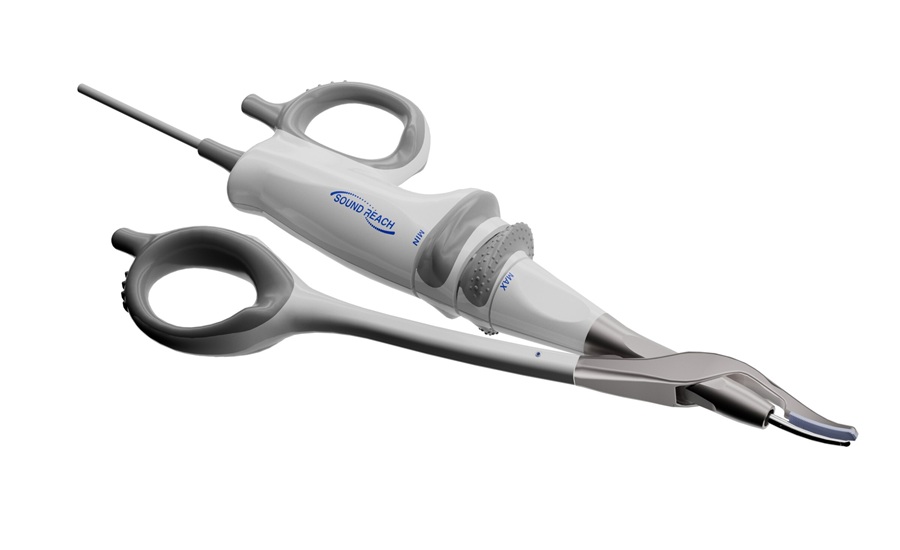
CE-Marked Ultrasonic Shears Streamline Breast and Thyroid Surgery
Thyroid and breast surgeries are often performed in confined anatomical spaces near critical structures, making precise dissection and controlled thermal management essential. As the global disease burden... Read more
3D Map of Heart Electrical Wiring Aims to Guide Congenital Heart Repair
Tetralogy of Fallot is one of the most common congenital heart problems and often requires surgery in infancy. Many survivors later develop conduction abnormalities because the cardiac electrical system... Read more
Patient Care
view channel
AI Avatar Doctor Improves Patient Understanding Before Radiotherapy
Radiation oncology consultations require patients to grasp complex concepts quickly, yet anxiety and information overload often undermine understanding and informed consent. Poor comprehension can also... Read more
Wearable Sleep Data Predict Adherence to Pulmonary Rehabilitation
Chronic obstructive pulmonary disease (COPD) is a long-term lung disorder that makes breathing difficult and often disturbs sleep, reducing energy for daily activities. Limited engagement in pulmonary... Read more

Point of Care
view channel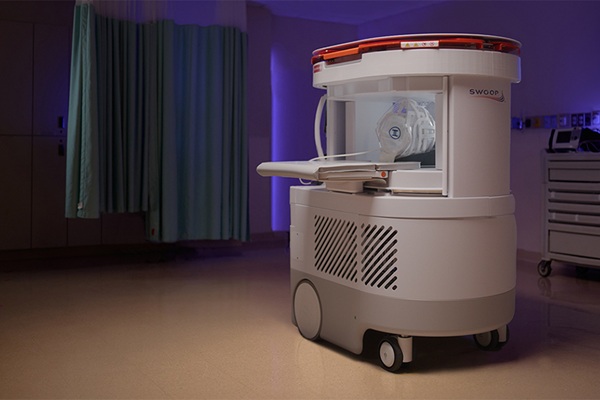
Portable MRI System Accelerates Emergency Brain Imaging and Triage
Emergency departments frequently face delays accessing conventional magnetic resonance imaging (MRI) for patients with suspected neurological emergencies. Such waits can slow triage, prolong boarding,... Read more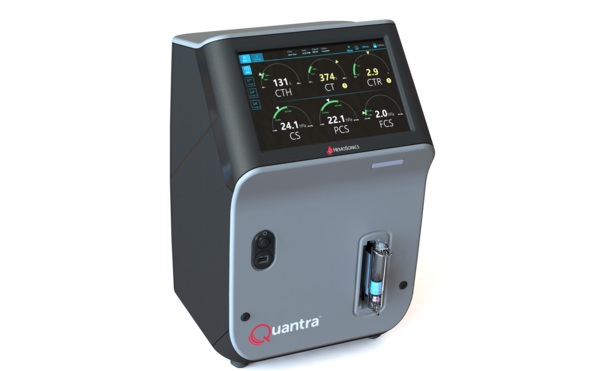
Point-of-Care Viscoelastic Testing System Supports Obstetric Bleeding Management
HemoSonics (Durham, NC, USA) announced on May 5, 2026 that the company's Quantra Hemostasis System for Obstetric Procedures won Silver in the 2026 Edison Awards in the Women’s Health and Reproductive Innovations... Read more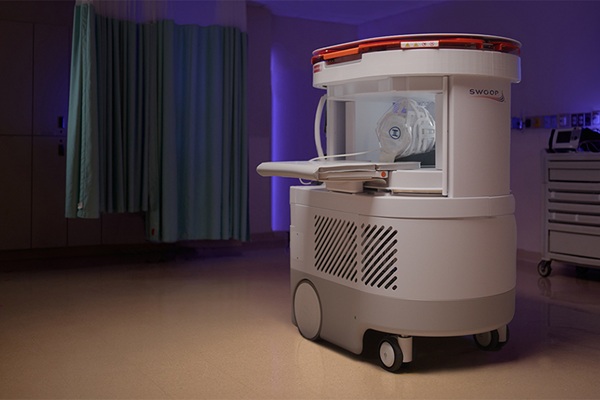

Business
view channel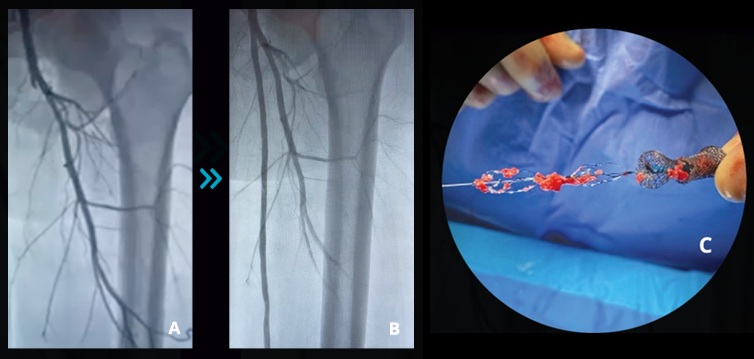
Endologix Adds FDA-Cleared Peripheral Thrombectomy System
Endologix (Santa Rosa, CA, USA) has acquired the Pounce Thrombectomy System from Surmodics, with the transaction closing on May 18, 2026. The FDA-cleared system is indicated for the non-surgical removal... Read more