KIMES 2010: Improving Global Reach
|
By HospiMedica International staff writers Posted on 22 Jan 2010 |


|
The Korean international medical and hospital equipment tradeshow, KIMES, is getting ready for its spring act in Seoul, Korea on March 18-21, 2010, and promising to be for four days the focal point for medical and healthcare products providers and purchasers.
This year, the 26th edition of the show takes place at the COEX exhibition venue as before, offering the same 36,027 m2 of exhibition space. Thus, foreign visitors as well as locals are likely to find a well rehearsed, and familiar set of improved accommodations and services. The show goes beyond technical exhibitions and product demos. It also incorporates targeted conference sessions providing visitors with high-level perspectives and insights on emerging trends in the industry.
The rising Korean standard of living and the consequent demand on improved healthcare services places KIMES (Seoul, Korea) in an ideal position to help support these needs. Although KIMES seeks to encompass the total healthcare spectrum, including the traditional Korean segment, its emphasis is on the international standards of new medical technologies and products. In fact, the days when the tradeshow limited itself to local, perhaps regional participation are long over. Today KIMES has become an important bridge between the striving Korean and the global markets, showing the latest home-grown as well as foreign products and technologies. This year, KIMES expects over 1,200 companies from more than 36 different countries to exhibit, surpassing previous years' attendance, attesting to the new dimensions it has long since acquired.
According to 2009 tradeshow participants' feedback, the global economic downturn, which affected all, seems have had a not-too-severe effect on the business conducted at KIMES. Thus, it may be stated that KIMES' past performance could be sufficient reason to justify its optimism, as befits a springtime tradeshow.
Related Links:
KIMES




This year, the 26th edition of the show takes place at the COEX exhibition venue as before, offering the same 36,027 m2 of exhibition space. Thus, foreign visitors as well as locals are likely to find a well rehearsed, and familiar set of improved accommodations and services. The show goes beyond technical exhibitions and product demos. It also incorporates targeted conference sessions providing visitors with high-level perspectives and insights on emerging trends in the industry.
The rising Korean standard of living and the consequent demand on improved healthcare services places KIMES (Seoul, Korea) in an ideal position to help support these needs. Although KIMES seeks to encompass the total healthcare spectrum, including the traditional Korean segment, its emphasis is on the international standards of new medical technologies and products. In fact, the days when the tradeshow limited itself to local, perhaps regional participation are long over. Today KIMES has become an important bridge between the striving Korean and the global markets, showing the latest home-grown as well as foreign products and technologies. This year, KIMES expects over 1,200 companies from more than 36 different countries to exhibit, surpassing previous years' attendance, attesting to the new dimensions it has long since acquired.
According to 2009 tradeshow participants' feedback, the global economic downturn, which affected all, seems have had a not-too-severe effect on the business conducted at KIMES. Thus, it may be stated that KIMES' past performance could be sufficient reason to justify its optimism, as befits a springtime tradeshow.
Related Links:
KIMES

Gold Member
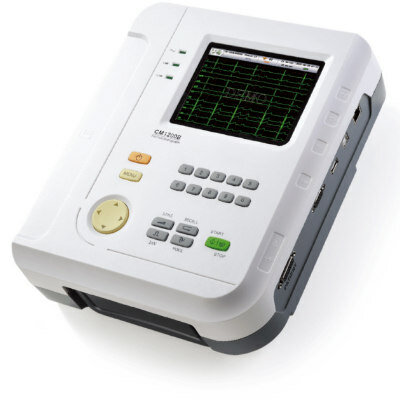
12-Channel ECG
CM1200B
Gold Member
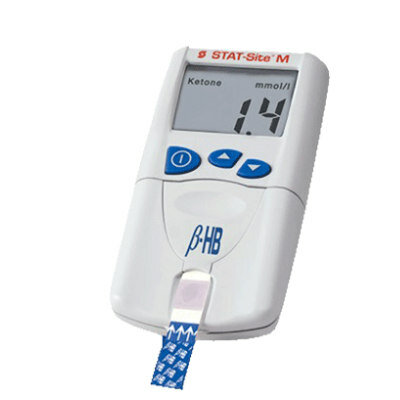
Handheld Blood Glucose Analyzer
STAT-Site
Fetal Monitor
BT-380
Medical Examination & Procedure Light
Vega 80
Latest Business News
- Endologix Adds FDA-Cleared Peripheral Thrombectomy System
- Artivion Adds FDA-Approved NEXUS System to Aortic Arch Portfolio
- Olympus Partnership Aims to Expand Access to Robot-Assisted Endoscopic Therapy
- Johnson & Johnson Launches AI-Driven Cardiac Mapping System
- Proximie Advances AI-Driven Intelligent Operating Rooms with NVIDIA Collaboration
- GE HealthCare, DeepHealth Expand AI Breast Imaging Collaboration
- Sinocare Presents AI-Driven Integrated Digital Health Solutions at CMEF
- GE HealthCare and Medtronic Expand Alliance with Intraoperative Imaging Integration
- New Partnership Advances Physical AI into Perioperative Workflows
- External Liver Assist System Receives FDA RMAT Designation
- New Partnership Expands Access to Predictive Tool for Patient Monitoring
- GE HealthCare Leads Major European Initiative to Advance Cardio-Oncology Care
- Medtronic and GE HealthCare Broaden Alliance Across Monitoring and Care Solutions
- Quantum Surgical Acquires NeuWave from Johnson & Johnson
- Medtronic to Acquire Coronary Artery Medtech Company CathWorks
- Medtronic and Mindray Expand Strategic Partnership to Ambulatory Surgery Centers in the U.S.
Channels
Artificial Intelligence
view channel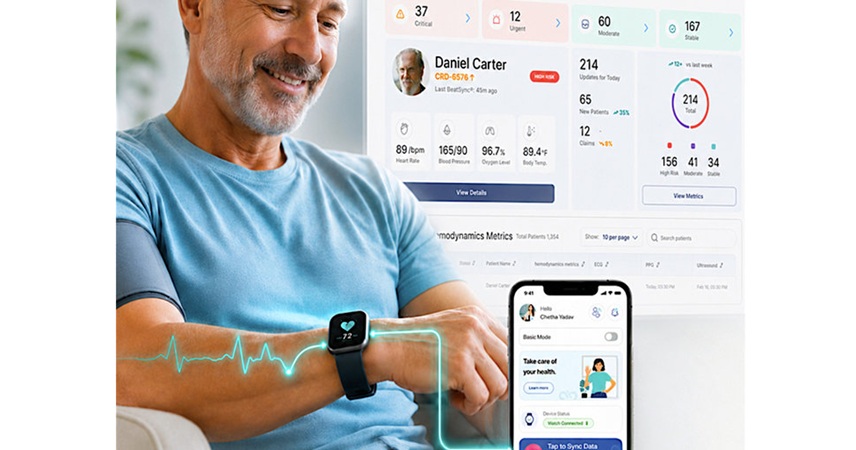
AI Platform Supports Noninvasive Remote Hemodynamic Monitoring in Heart Failure
Heart failure remains a leading cause of hospitalization in adults over 65, affecting more than 6.7 million people in the U.S. Clinicians often lose visibility into hemodynamic deterioration once patients... Read more
AI Tool Predicts Unplanned Care and Symptom Burden in Cancer Survivors
Unplanned emergency visits and hospitalizations remain common in cancer survivorship, when routine clinical contact often tapers while new symptoms emerge. These events reflect unmet needs and disrupt... Read more

Critical Care
view channel
Smartphone Heart Rhythm App Reduces Unnecessary Cardioversion Procedures
Atrial fibrillation, an irregular and often rapid heart rhythm, is the most common arrhythmia in adults. Elective electrical cardioversion is frequently canceled on the day of treatment when patients revert... Read more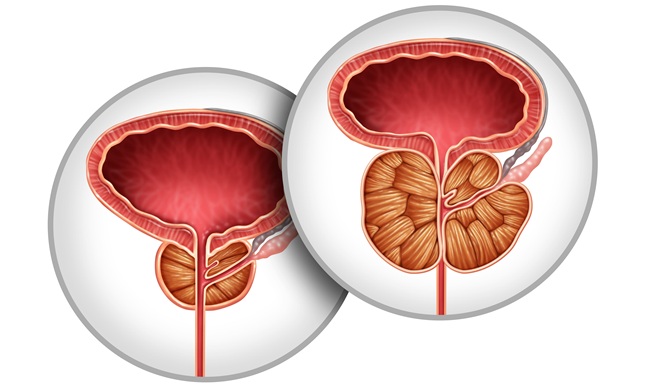
New Practice Guidance Supports Prostatic Artery Embolization for BPH Symptoms
Benign prostatic hyperplasia is a noncancerous enlargement of the prostate that can cause lower urinary tract symptoms and impair daily functioning. These symptoms erode sleep, productivity, and sexual... Read more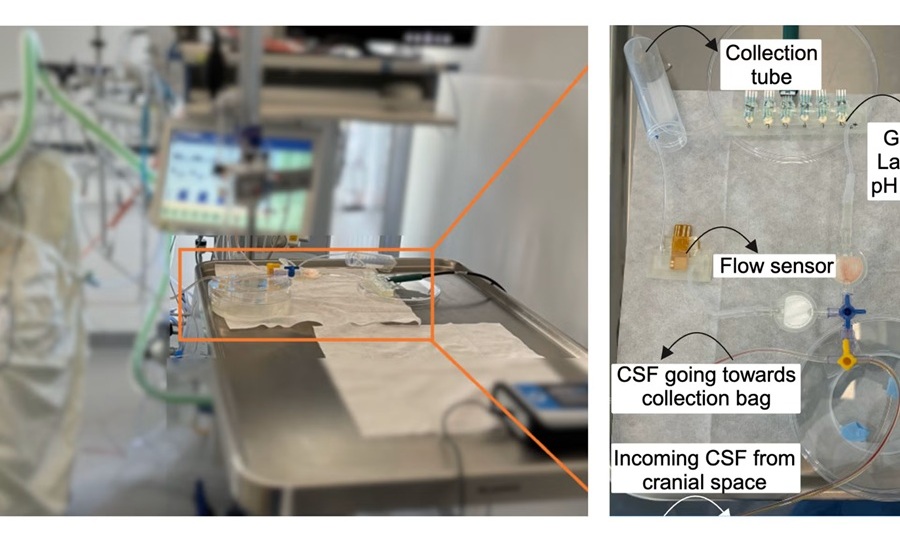
Bedside CSF Monitor Detects Early Infection in Fluid Drains
External drainage of cerebrospinal fluid (CSF) after traumatic brain injury, hydrocephalus, or hemorrhage carries a significant risk of infection. These infections can prolong intensive care, cause severe... Read more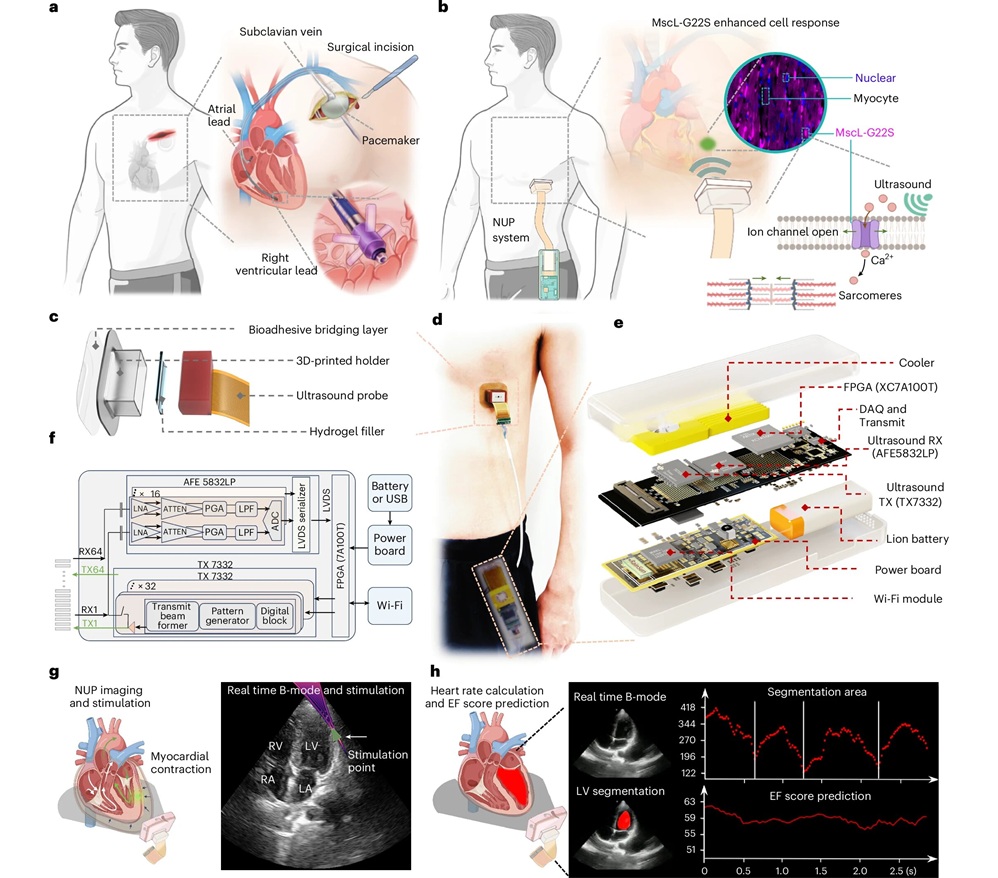
Wearable Ultrasound Patch Noninvasively Paces Heart to Stabilize Arrhythmias
Cardiac arrhythmias, including slow and irregular heart rhythms, often require pacemakers that are surgically implanted. While effective, implants carry procedural risks and long-term device maintenance burdens.... Read moreSurgical Techniques
view channel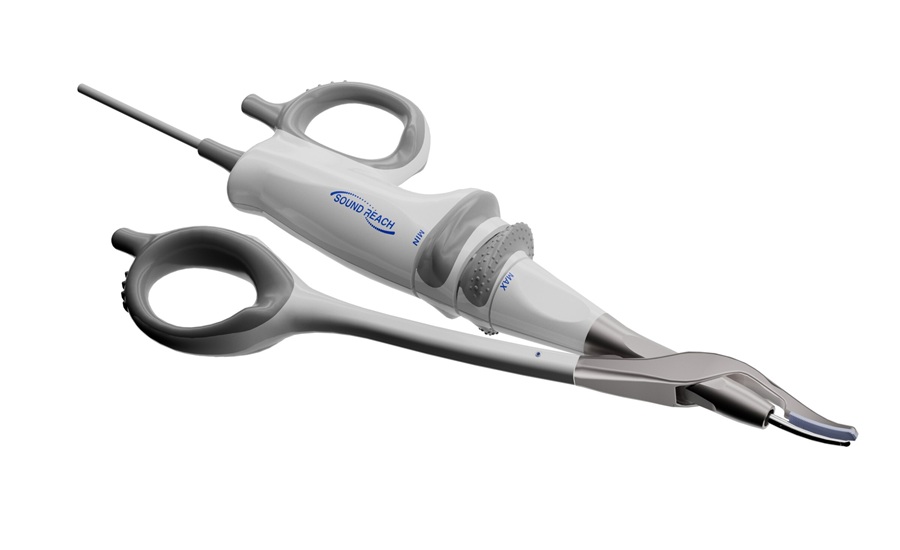
CE-Marked Ultrasonic Shears Streamline Breast and Thyroid Surgery
Thyroid and breast surgeries are often performed in confined anatomical spaces near critical structures, making precise dissection and controlled thermal management essential. As the global disease burden... Read more
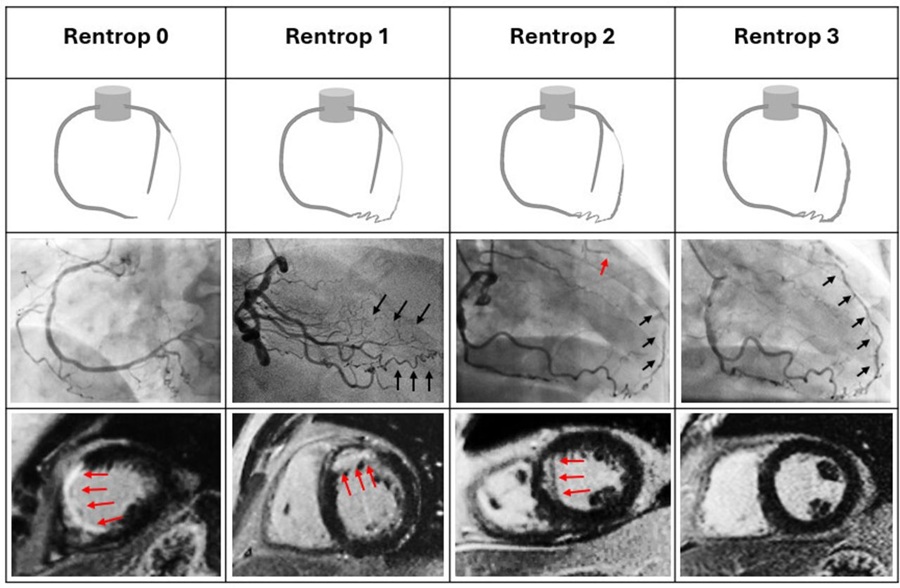
3D Map of Heart Electrical Wiring Aims to Guide Congenital Heart Repair
Tetralogy of Fallot is one of the most common congenital heart problems and often requires surgery in infancy. Many survivors later develop conduction abnormalities because the cardiac electrical system... Read more
Patient Care
view channel
AI Avatar Doctor Improves Patient Understanding Before Radiotherapy
Radiation oncology consultations require patients to grasp complex concepts quickly, yet anxiety and information overload often undermine understanding and informed consent. Poor comprehension can also... Read more
Wearable Sleep Data Predict Adherence to Pulmonary Rehabilitation
Chronic obstructive pulmonary disease (COPD) is a long-term lung disorder that makes breathing difficult and often disturbs sleep, reducing energy for daily activities. Limited engagement in pulmonary... Read more

Health IT
view channel
AI-Native EHR Achieves EU Medical Device Certification
InterSystems (Boston, MA, USA) announced that its IntelliCare electronic health record (EHR) solutions have been certified as Class IIa medical devices under the European Union Medical Device Regulation... Read more
EHR-Integrated Screening Workflow Detects Cognitive Impairment at Admission
Cognitive impairment involves difficulties with thinking, learning, memory, and decision-making, and is more common in older adults. In U.S. hospitals, more than 40% of admitted older adults have dementia,... Read more

Point of Care
view channel
Portable MRI System Accelerates Emergency Brain Imaging and Triage
Emergency departments frequently face delays accessing conventional magnetic resonance imaging (MRI) for patients with suspected neurological emergencies. Such waits can slow triage, prolong boarding,... Read more