Surgery Simulation Software Promotes Safer Liver Resections
|
By HospiMedica International staff writers Posted on 26 Jan 2010 |


|
A virtual, three dimensional (3D) reconstructed patient liver helps surgeons rehearse laparoscopic tumor removal before the actual surgery, reducing patient risk.
The Odysseus project, developed by the Institut de Recherche pour les Cancers de l'Appareil Digestif (IRCAD; Strasbourg, France), in collaboration with the Institut National de Recherche en Informatique et Automatique (INRIA; Rocquencourt, France), is developing specialized software for virtual patient modeling (3D-VPM, also known as VR-Anat) to enable the elaboration of patient-specific data for preoperative assessment. Diagnosis and virtual planning (VR Planning) software enable the surgeons to sketch out navigation and tool positioning within 3D images, which can be reconstructed from any multimedia-equipped computer. In planning liver surgery, for example, the software allows 3D imaging of the blood vessels of a patient's liver, helping the surgeon understanding how the liver is segmented. Once trials and validation of the software are complete, their use will enable more accurate diagnosis of secondary liver tumors so they can be removed completely, as well as reduce the size of the liver segments that need to be resected.
Other partners in the Odysseus project have also contributed to the modeling process; France Telecom (Paris, France), for example, has developed a communication system called Argonaute, which allows several practitioners in different locations to interact and advise on the images simultaneously. German endoscope manufacturer Karl Storz (Tuttlingen, Germany) developed the unlimited laparoscopic simulator (ULIS), and SimSurgery (Oslo, Norway) developed the robotic surgery simulator (SEP Robot), both of which add realistic physical properties of texture and tissue resistance to the 3D model of the patient, allowing surgical intervention to be simulated before real surgery.
"Thanks to the 3D modeling,” said Professor Luc Soler, Ph.D., of IRCAD. "The future of liver surgery has gained more precision through accurate definition of the liver's blood vessels.”
Liver surgery has traditionally been based on the anatomy classically described by French anatomist Claude Couinaud, M.D., in 1957; but 3D modeling has shown that up to 50% of patients have a significantly different liver structure from the Couinaud description. Because the success of liver surgery depends on the minimum volume of liver that can safely remain after surgery, accurate knowledge of the topology of the individual liver should significantly increase the number of patients who are eligible for surgery.
Related Links:
Institut de Recherche pour les Cancers de l'Appareil Digestif
Institut National de Recherche en Informatique et Automatique
France Telecom
Karl Storz
SimSurgery





The Odysseus project, developed by the Institut de Recherche pour les Cancers de l'Appareil Digestif (IRCAD; Strasbourg, France), in collaboration with the Institut National de Recherche en Informatique et Automatique (INRIA; Rocquencourt, France), is developing specialized software for virtual patient modeling (3D-VPM, also known as VR-Anat) to enable the elaboration of patient-specific data for preoperative assessment. Diagnosis and virtual planning (VR Planning) software enable the surgeons to sketch out navigation and tool positioning within 3D images, which can be reconstructed from any multimedia-equipped computer. In planning liver surgery, for example, the software allows 3D imaging of the blood vessels of a patient's liver, helping the surgeon understanding how the liver is segmented. Once trials and validation of the software are complete, their use will enable more accurate diagnosis of secondary liver tumors so they can be removed completely, as well as reduce the size of the liver segments that need to be resected.
Other partners in the Odysseus project have also contributed to the modeling process; France Telecom (Paris, France), for example, has developed a communication system called Argonaute, which allows several practitioners in different locations to interact and advise on the images simultaneously. German endoscope manufacturer Karl Storz (Tuttlingen, Germany) developed the unlimited laparoscopic simulator (ULIS), and SimSurgery (Oslo, Norway) developed the robotic surgery simulator (SEP Robot), both of which add realistic physical properties of texture and tissue resistance to the 3D model of the patient, allowing surgical intervention to be simulated before real surgery.
"Thanks to the 3D modeling,” said Professor Luc Soler, Ph.D., of IRCAD. "The future of liver surgery has gained more precision through accurate definition of the liver's blood vessels.”
Liver surgery has traditionally been based on the anatomy classically described by French anatomist Claude Couinaud, M.D., in 1957; but 3D modeling has shown that up to 50% of patients have a significantly different liver structure from the Couinaud description. Because the success of liver surgery depends on the minimum volume of liver that can safely remain after surgery, accurate knowledge of the topology of the individual liver should significantly increase the number of patients who are eligible for surgery.
Related Links:
Institut de Recherche pour les Cancers de l'Appareil Digestif
Institut National de Recherche en Informatique et Automatique
France Telecom
Karl Storz
SimSurgery

Gold Member
Neonatal Heel Incision Device
Tenderfoot
Gold Member
STI Test
Vivalytic Sexually Transmitted Infection (STI) Array
Immobilization System
Cranial 4Pi Immobilization
Surgical Dressing
ALLEVYN Ag+ SURGICAL
Latest Health IT News
- AI-Native EHR Achieves EU Medical Device Certification
- EHR-Integrated Screening Workflow Detects Cognitive Impairment at Admission
- AI System Detects and Quantifies Chronic Subdural Hematoma
- Continuous Monitoring Platform Detects Infection Risk Across Care Transitions
- Automated System Classifies and Tracks Cardiogenic Shock Across Hospital Settings
- Voice-Driven AI System Enables Structured GI Procedure Documentation
- EMR-Based Tool Predicts Graft Failure After Kidney Transplant
Channels
Artificial Intelligence
view channel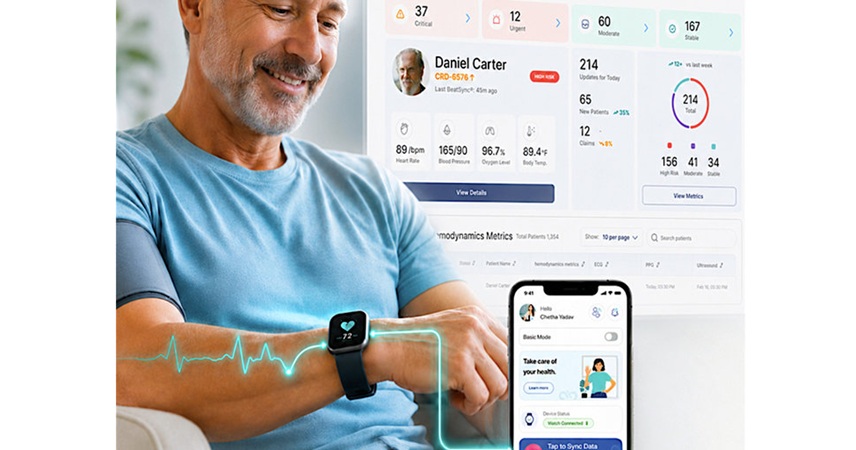
AI Platform Supports Noninvasive Remote Hemodynamic Monitoring in Heart Failure
Heart failure remains a leading cause of hospitalization in adults over 65, affecting more than 6.7 million people in the U.S. Clinicians often lose visibility into hemodynamic deterioration once patients... Read more
AI Tool Predicts Unplanned Care and Symptom Burden in Cancer Survivors
Unplanned emergency visits and hospitalizations remain common in cancer survivorship, when routine clinical contact often tapers while new symptoms emerge. These events reflect unmet needs and disrupt... Read more

Critical Care
view channel
Smartphone Heart Rhythm App Reduces Unnecessary Cardioversion Procedures
Atrial fibrillation, an irregular and often rapid heart rhythm, is the most common arrhythmia in adults. Elective electrical cardioversion is frequently canceled on the day of treatment when patients revert... Read more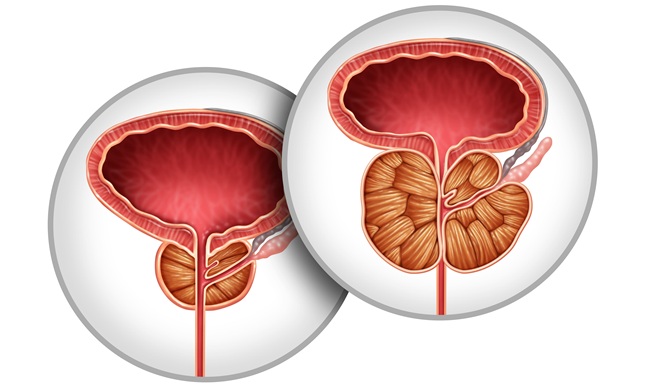
New Practice Guidance Supports Prostatic Artery Embolization for BPH Symptoms
Benign prostatic hyperplasia is a noncancerous enlargement of the prostate that can cause lower urinary tract symptoms and impair daily functioning. These symptoms erode sleep, productivity, and sexual... Read more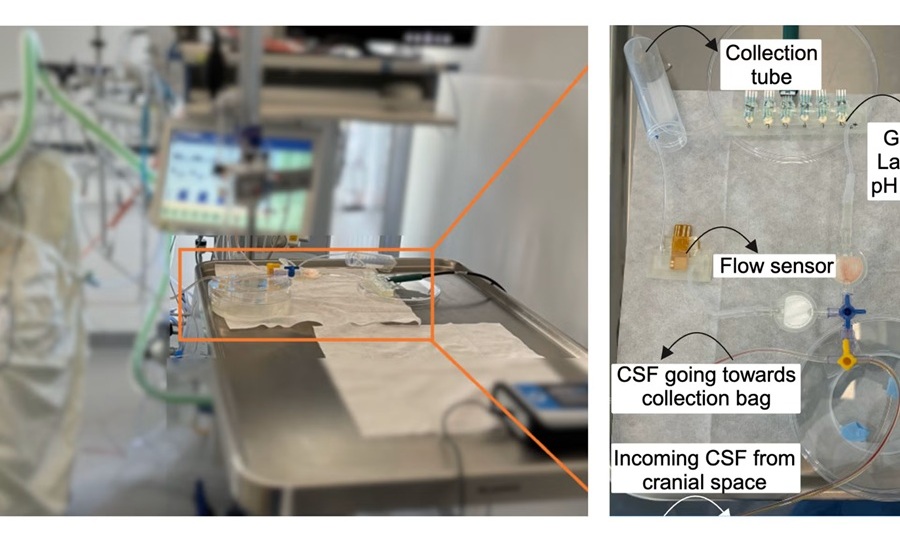
Bedside CSF Monitor Detects Early Infection in Fluid Drains
External drainage of cerebrospinal fluid (CSF) after traumatic brain injury, hydrocephalus, or hemorrhage carries a significant risk of infection. These infections can prolong intensive care, cause severe... Read more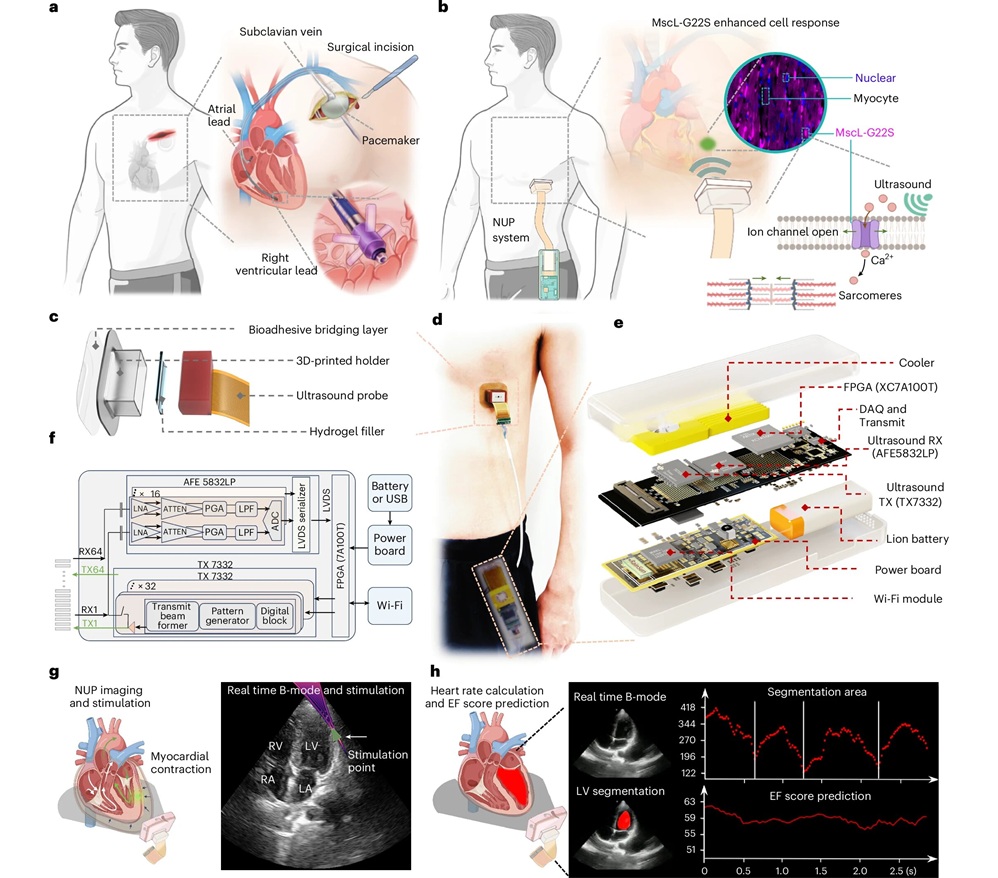
Wearable Ultrasound Patch Noninvasively Paces Heart to Stabilize Arrhythmias
Cardiac arrhythmias, including slow and irregular heart rhythms, often require pacemakers that are surgically implanted. While effective, implants carry procedural risks and long-term device maintenance burdens.... Read morePatient Care
view channel
AI Avatar Doctor Improves Patient Understanding Before Radiotherapy
Radiation oncology consultations require patients to grasp complex concepts quickly, yet anxiety and information overload often undermine understanding and informed consent. Poor comprehension can also... Read more
Wearable Sleep Data Predict Adherence to Pulmonary Rehabilitation
Chronic obstructive pulmonary disease (COPD) is a long-term lung disorder that makes breathing difficult and often disturbs sleep, reducing energy for daily activities. Limited engagement in pulmonary... Read more

Health IT
view channel
AI-Native EHR Achieves EU Medical Device Certification
InterSystems (Boston, MA, USA) announced that its IntelliCare electronic health record (EHR) solutions have been certified as Class IIa medical devices under the European Union Medical Device Regulation... Read more
EHR-Integrated Screening Workflow Detects Cognitive Impairment at Admission
Cognitive impairment involves difficulties with thinking, learning, memory, and decision-making, and is more common in older adults. In U.S. hospitals, more than 40% of admitted older adults have dementia,... Read more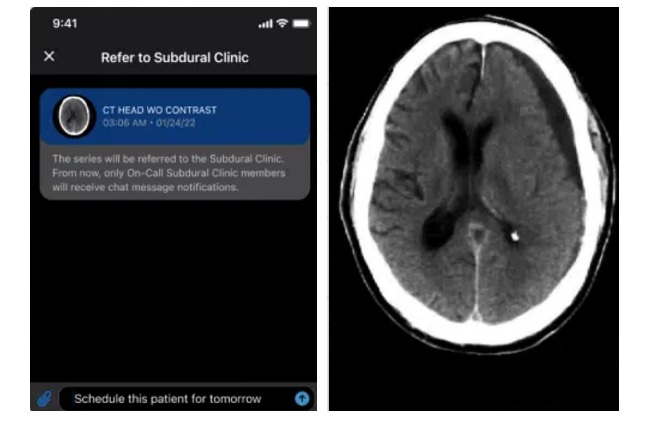

Point of Care
view channel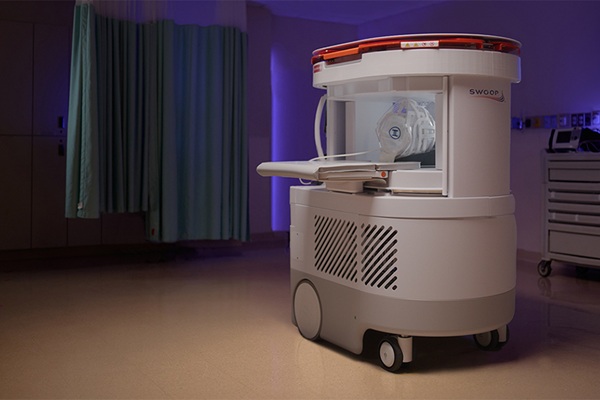
Portable MRI System Accelerates Emergency Brain Imaging and Triage
Emergency departments frequently face delays accessing conventional magnetic resonance imaging (MRI) for patients with suspected neurological emergencies. Such waits can slow triage, prolong boarding,... Read more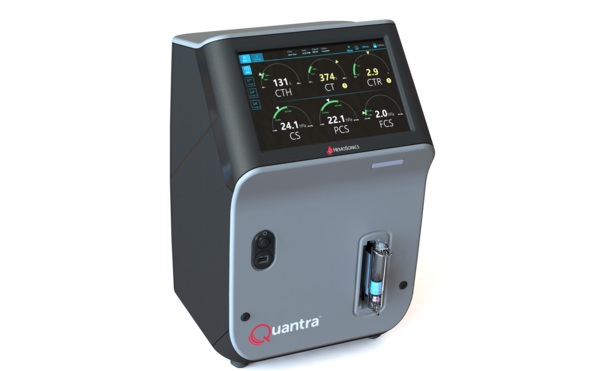
Point-of-Care Viscoelastic Testing System Supports Obstetric Bleeding Management
HemoSonics (Durham, NC, USA) announced on May 5, 2026 that the company's Quantra Hemostasis System for Obstetric Procedures won Silver in the 2026 Edison Awards in the Women’s Health and Reproductive Innovations... Read more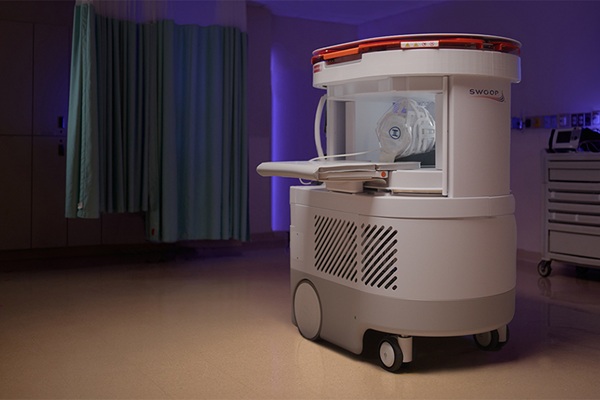

Business
view channel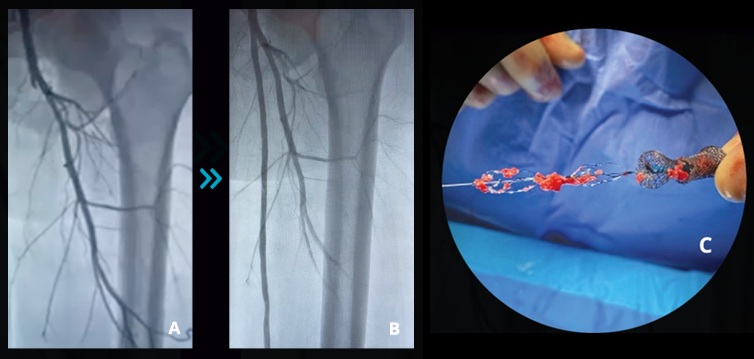
Endologix Adds FDA-Cleared Peripheral Thrombectomy System
Endologix (Santa Rosa, CA, USA) has acquired the Pounce Thrombectomy System from Surmodics, with the transaction closing on May 18, 2026. The FDA-cleared system is indicated for the non-surgical removal... Read more