Computer Model Estimates Benefits of Bariatric Surgery for Severely Obese
|
By HospiMedica International staff writers Posted on 02 Feb 2010 |


|
A computerized model suggests that most morbidly obese individuals would likely live longer if they had gastric bypass surgery, according to a new study.
Researchers at the University of Cincinnati Academic Health Center (OH, USA) used two U.S. nationally representative surveys and a large observational trial to construct a model estimating the benefits and risks of gastric bypass surgery for individuals with morbid obesity. The model included data from almost 400,000 individuals to estimate the risk of death from obesity and its complications; further data from 23,281 patients undergoing bariatric surgery to calculate in-hospital death rates following the procedures; and outcomes from participants in a seven-year study to determine the effects of surgery on survival and to calibrate and validate the model.
According to the resulting model, an average 42-year-old woman with a body mass index (BMI) of 45 would gain an estimated additional three years of life expectancy as a result of undergoing bariatric surgery; a 44-year-old man with the same BMI would gain an estimated 2.6 additional years. Additional analyses revealed that younger women with higher BMIs are projected to gain the most life expectancy from surgery. Younger men with higher BMIs might also gain more life expectancy after surgery, but the gain would be less for men than for women in each subgroup. The study was published in the January 2010 issue of Archives of Surgery.
"While not all patients are guaranteed a good outcome, our model indicates that gastric bypass increases life expectancy for most patient subgroups; however, for those at high surgical risk or in whom efficacy of surgery is likely to be low, benefit will be minimal,” concluded lead author assistant professor Daniel Schauer, M.D., M.Sc., and colleagues of the department of clinical medicine outcomes. "We believe results of this analysis can be used to better inform both patients' and physicians' decisions regarding gastric bypass surgery.”
An estimated 5.1% of the U.S. population is morbidly obese, often defined as having a body mass index (BMI) of 40 or higher. Dietary, behavioral, and pharmacologic treatments frequently do not result in meaningful weight loss for individuals in this group, and bariatric surgery appears to be the only effective therapy for promoting clinically significant weight loss and improving obesity-related health conditions for the morbidly obese.
Related Links:
University of Cincinnati Academic Health Center




Researchers at the University of Cincinnati Academic Health Center (OH, USA) used two U.S. nationally representative surveys and a large observational trial to construct a model estimating the benefits and risks of gastric bypass surgery for individuals with morbid obesity. The model included data from almost 400,000 individuals to estimate the risk of death from obesity and its complications; further data from 23,281 patients undergoing bariatric surgery to calculate in-hospital death rates following the procedures; and outcomes from participants in a seven-year study to determine the effects of surgery on survival and to calibrate and validate the model.
According to the resulting model, an average 42-year-old woman with a body mass index (BMI) of 45 would gain an estimated additional three years of life expectancy as a result of undergoing bariatric surgery; a 44-year-old man with the same BMI would gain an estimated 2.6 additional years. Additional analyses revealed that younger women with higher BMIs are projected to gain the most life expectancy from surgery. Younger men with higher BMIs might also gain more life expectancy after surgery, but the gain would be less for men than for women in each subgroup. The study was published in the January 2010 issue of Archives of Surgery.
"While not all patients are guaranteed a good outcome, our model indicates that gastric bypass increases life expectancy for most patient subgroups; however, for those at high surgical risk or in whom efficacy of surgery is likely to be low, benefit will be minimal,” concluded lead author assistant professor Daniel Schauer, M.D., M.Sc., and colleagues of the department of clinical medicine outcomes. "We believe results of this analysis can be used to better inform both patients' and physicians' decisions regarding gastric bypass surgery.”
An estimated 5.1% of the U.S. population is morbidly obese, often defined as having a body mass index (BMI) of 40 or higher. Dietary, behavioral, and pharmacologic treatments frequently do not result in meaningful weight loss for individuals in this group, and bariatric surgery appears to be the only effective therapy for promoting clinically significant weight loss and improving obesity-related health conditions for the morbidly obese.
Related Links:
University of Cincinnati Academic Health Center

Gold Member
SARS‑CoV‑2/Flu A/Flu B/RSV Sample-To-Answer Test
SARS‑CoV‑2/Flu A/Flu B/RSV Cartridge (CE-IVD)
Gold Member
Handheld Blood Glucose Analyzer
STAT-Site
Desk Aneroid Sphyg
Diagnostix 750D+
Vessel Sealing Instrument
ERGOseal
Latest Surgical Techniques News
- 3D Map of Heart Electrical Wiring Aims to Guide Congenital Heart Repair
- CE-Marked Ultrasonic Shears Streamline Breast and Thyroid Surgery
- Small Cryoprobe Outperforms Forceps in Lung Biopsy Trial
- Natural Bypass Score May Guide Care in Chronic Coronary Blockages
- Navigation Instruments Cleared for Posterior Cervical Fusion Procedures
- Bioengineered Heart Patch Improves Cardiac Function in Advanced Heart Failure
- Fracture Plating System Combines Anatomical Fit with Streamlined Instrumentation
- Surgical Robotic System Gains CE Mark for Minimally Invasive Procedures
- Pink Noise Stimulation Approach Could Support Safer Anesthesia
- BD Launches Elyra Laser Platform for Kidney Stone and Soft Tissue Procedures
- Anesthesia-Sparing System Targets Faster Ureteral Stone Treatment
- Stretchable Bioelectronic Implant Lowers Blood Pressure in Preclinical Study
- FDA-Cleared Nerve Stimulator Advances Intraoperative Peripheral Nerve Assessment
- Intravascular Lithotripsy Catheter Advances Treatment of Calcified Coronary Disease
- Handheld AI Endomicroscope Enables Real-Time Precancer Detection at Point of Care
- Photoacoustic Imaging System Maps Hidden Nerves and Vessels in Robotic Laparoscopy
Channels
Artificial Intelligence
view channel
AI Platform Supports Noninvasive Remote Hemodynamic Monitoring in Heart Failure
Heart failure remains a leading cause of hospitalization in adults over 65, affecting more than 6.7 million people in the U.S. Clinicians often lose visibility into hemodynamic deterioration once patients... Read more
AI Tool Predicts Unplanned Care and Symptom Burden in Cancer Survivors
Unplanned emergency visits and hospitalizations remain common in cancer survivorship, when routine clinical contact often tapers while new symptoms emerge. These events reflect unmet needs and disrupt... Read more

Critical Care
view channel
Smartphone Heart Rhythm App Reduces Unnecessary Cardioversion Procedures
Atrial fibrillation, an irregular and often rapid heart rhythm, is the most common arrhythmia in adults. Elective electrical cardioversion is frequently canceled on the day of treatment when patients revert... Read more
New Practice Guidance Supports Prostatic Artery Embolization for BPH Symptoms
Benign prostatic hyperplasia is a noncancerous enlargement of the prostate that can cause lower urinary tract symptoms and impair daily functioning. These symptoms erode sleep, productivity, and sexual... Read more
Bedside CSF Monitor Detects Early Infection in Fluid Drains
External drainage of cerebrospinal fluid (CSF) after traumatic brain injury, hydrocephalus, or hemorrhage carries a significant risk of infection. These infections can prolong intensive care, cause severe... Read more
Wearable Ultrasound Patch Noninvasively Paces Heart to Stabilize Arrhythmias
Cardiac arrhythmias, including slow and irregular heart rhythms, often require pacemakers that are surgically implanted. While effective, implants carry procedural risks and long-term device maintenance burdens.... Read morePatient Care
view channel
AI Avatar Doctor Improves Patient Understanding Before Radiotherapy
Radiation oncology consultations require patients to grasp complex concepts quickly, yet anxiety and information overload often undermine understanding and informed consent. Poor comprehension can also... Read more
Wearable Sleep Data Predict Adherence to Pulmonary Rehabilitation
Chronic obstructive pulmonary disease (COPD) is a long-term lung disorder that makes breathing difficult and often disturbs sleep, reducing energy for daily activities. Limited engagement in pulmonary... Read more

Health IT
view channel
AI-Native EHR Achieves EU Medical Device Certification
InterSystems (Boston, MA, USA) announced that its IntelliCare electronic health record (EHR) solutions have been certified as Class IIa medical devices under the European Union Medical Device Regulation... Read more
EHR-Integrated Screening Workflow Detects Cognitive Impairment at Admission
Cognitive impairment involves difficulties with thinking, learning, memory, and decision-making, and is more common in older adults. In U.S. hospitals, more than 40% of admitted older adults have dementia,... Read more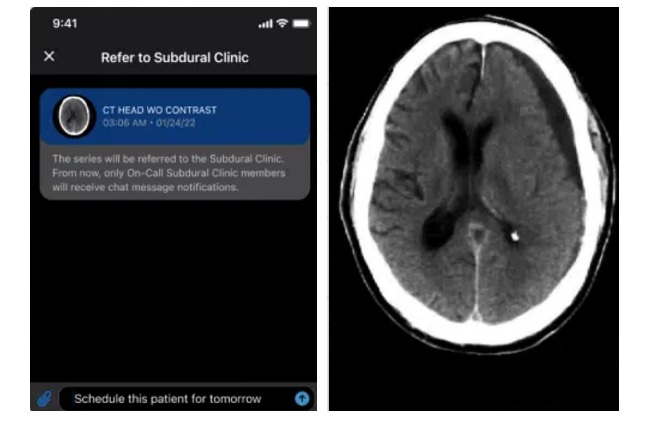

Point of Care
view channel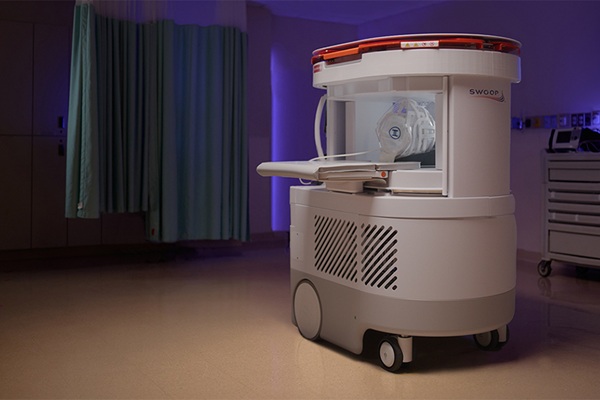
Portable MRI System Accelerates Emergency Brain Imaging and Triage
Emergency departments frequently face delays accessing conventional magnetic resonance imaging (MRI) for patients with suspected neurological emergencies. Such waits can slow triage, prolong boarding,... Read more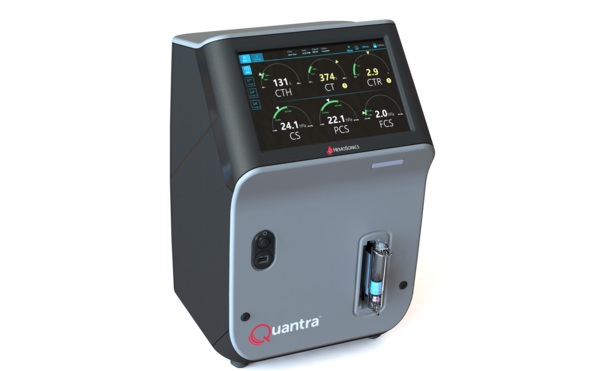
Point-of-Care Viscoelastic Testing System Supports Obstetric Bleeding Management
HemoSonics (Durham, NC, USA) announced on May 5, 2026 that the company's Quantra Hemostasis System for Obstetric Procedures won Silver in the 2026 Edison Awards in the Women’s Health and Reproductive Innovations... Read more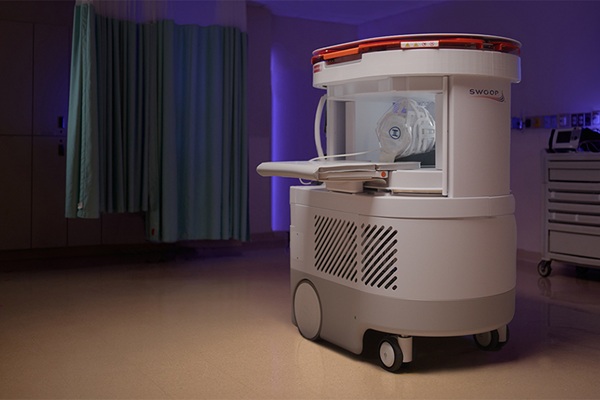

Business
view channel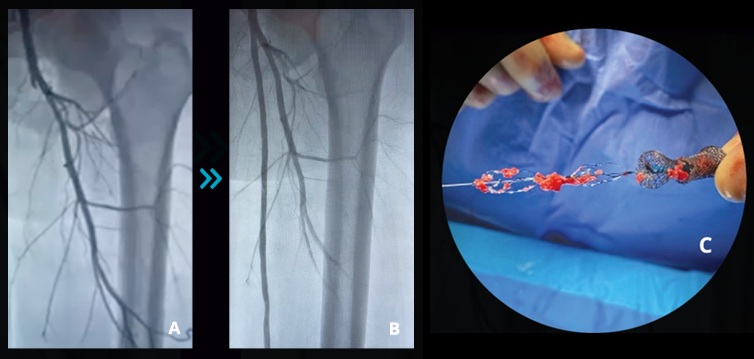
Endologix Adds FDA-Cleared Peripheral Thrombectomy System
Endologix (Santa Rosa, CA, USA) has acquired the Pounce Thrombectomy System from Surmodics, with the transaction closing on May 18, 2026. The FDA-cleared system is indicated for the non-surgical removal... Read more