Preoperative Mammogram Reduces the Need for Mastectomy in Women with DCIS
|
By HospiMedica International staff writers Posted on 08 Feb 2010 |


|
Over 60% of women who have a form of breast cancer in the milk ducts, called ductal carcinoma in situ (DCIS), can be spared a mastectomy, according to latest research.
Researchers for the Sloane Project (Birmingham, UK), a UK-wide prospective audit of screen detected noninvasive and atypical hyperplasias of the breast, examined how the size of the DCIS--measured by both imaging and pathology--related to the surgeon's decision of whether to conserve or remove the breast. They discovered that, out of 2,500 women who had DCIS detected by breast screening, approximately 70% of patients had conservation surgery to remove the disease and save the breast. Of those who had conservation surgery, 71% only needed one operation to remove the cancer, 19% needed a further operation, and 10% went on to have a mastectomy.
In situ (noninvasive) breast cancer is confined to the ducts or lobules of the breast and has not spread to the surrounding tissues of the breast or other parts of the body. It is therefore curable if removed completely, but if left untreated may become invasive breast cancer.
This research is part of a large review of screen-detected DCIS and its treatment over the past five years through the Sloane Project, investigating the best treatment methods for DCIS. Dr. Jeremy Thomas, study author and consultant pathologist from the Western General Hospital (Edinburgh, Scotland, UK), said, "This study shows that comparing the size of tumors as measured by imaging to the actual size of the tumor removed at surgery, gives a clear indication of where to focus improvements in practice. The results are very encouraging showing that 90% of patients offered breast conservation for DCIS have a successful surgical outcome, usually from one operation, and avoid mastectomy. Deciding the best surgery option for patients with in situ breast cancer is difficult and requires very careful preoperative assessment to define the extent of disease. A mastectomy would almost always cure the disease but where possible we want to conserve the breast and only remove the tumor. In the future, we would hope to see that, with improvements in imaging and preoperative assessment, more women could avoid having mastectomies.”
Prof. Stephen Duffy, Cancer Research UK's professor of screening at Queen Mary University of London, said, "In the screening era, large numbers of breast cancers are diagnosed at the DCIS stage. We have a responsibility to see that these cancers are not overtreated. Therefore, it is good to see that the vast majority does not get a mastectomy. There is clearly room for improvement in that we can further reduce the need for reoperation. This problem can and doubtless will be reduced by high-quality preoperative imaging.”
Sara Hiom, director of health information at Cancer Research UK (London, UK), said, "In the past, treatment for DCIS was nearly always mastectomy so it's really encouraging to see that now around 60% of women with DCIS have only the affected area removed, along with a border of healthy tissue around it. It's important that women go for breast screening when invited. The program is very successful at detecting early stages of the disease which means treatment can be much more effective.”
The Sloane Project's goal is to record the present situation in the UK regarding the management of in situ breast disease, and to provide a guide to the optimal radiologic assessment, pathologic handling, and reporting (including the features of greatest prognostic and clinical importance), surgical treatment, and adjuvant therapy.
The Sloane Project has been running for six years with more than 7,000 patients entered estimated about 50% of all relevant cases are now entered into the audit. The Sloane Project is now funded by the National Health Service Breast Screening Program (NHSBSP). Between April 1, 2007 and March 31, 2008, 16,792 breast tumors were detected within the NHS Breast Screening Program (NHSBSP), of whom 3,311 (20%) had in situ/noninvasive breast cancer. There has been a marked increase in the incidence of in situ breast cancer since the NHSBSP started in 1988. The reason being that the trademark characteristic of microcalcification present in the majority of in situ breast tumors can be easily visualized radiologically on a mammogram.
The invasive potential of in situ breast cancer is uncertain and accordingly the optimal method of treatment for every case is ambiguous and unclear. A mastectomy would nearly always be curative, however this approach would be extreme in cases where breast-conserving surgery would suffice. Identifying the optimal method of treatment can therefore be difficult.
The research was published January 20, 2010, in the British Journal of Cancer.
Related Links:
Sloane Project
Western General Hospital







Researchers for the Sloane Project (Birmingham, UK), a UK-wide prospective audit of screen detected noninvasive and atypical hyperplasias of the breast, examined how the size of the DCIS--measured by both imaging and pathology--related to the surgeon's decision of whether to conserve or remove the breast. They discovered that, out of 2,500 women who had DCIS detected by breast screening, approximately 70% of patients had conservation surgery to remove the disease and save the breast. Of those who had conservation surgery, 71% only needed one operation to remove the cancer, 19% needed a further operation, and 10% went on to have a mastectomy.
In situ (noninvasive) breast cancer is confined to the ducts or lobules of the breast and has not spread to the surrounding tissues of the breast or other parts of the body. It is therefore curable if removed completely, but if left untreated may become invasive breast cancer.
This research is part of a large review of screen-detected DCIS and its treatment over the past five years through the Sloane Project, investigating the best treatment methods for DCIS. Dr. Jeremy Thomas, study author and consultant pathologist from the Western General Hospital (Edinburgh, Scotland, UK), said, "This study shows that comparing the size of tumors as measured by imaging to the actual size of the tumor removed at surgery, gives a clear indication of where to focus improvements in practice. The results are very encouraging showing that 90% of patients offered breast conservation for DCIS have a successful surgical outcome, usually from one operation, and avoid mastectomy. Deciding the best surgery option for patients with in situ breast cancer is difficult and requires very careful preoperative assessment to define the extent of disease. A mastectomy would almost always cure the disease but where possible we want to conserve the breast and only remove the tumor. In the future, we would hope to see that, with improvements in imaging and preoperative assessment, more women could avoid having mastectomies.”
Prof. Stephen Duffy, Cancer Research UK's professor of screening at Queen Mary University of London, said, "In the screening era, large numbers of breast cancers are diagnosed at the DCIS stage. We have a responsibility to see that these cancers are not overtreated. Therefore, it is good to see that the vast majority does not get a mastectomy. There is clearly room for improvement in that we can further reduce the need for reoperation. This problem can and doubtless will be reduced by high-quality preoperative imaging.”
Sara Hiom, director of health information at Cancer Research UK (London, UK), said, "In the past, treatment for DCIS was nearly always mastectomy so it's really encouraging to see that now around 60% of women with DCIS have only the affected area removed, along with a border of healthy tissue around it. It's important that women go for breast screening when invited. The program is very successful at detecting early stages of the disease which means treatment can be much more effective.”
The Sloane Project's goal is to record the present situation in the UK regarding the management of in situ breast disease, and to provide a guide to the optimal radiologic assessment, pathologic handling, and reporting (including the features of greatest prognostic and clinical importance), surgical treatment, and adjuvant therapy.
The Sloane Project has been running for six years with more than 7,000 patients entered estimated about 50% of all relevant cases are now entered into the audit. The Sloane Project is now funded by the National Health Service Breast Screening Program (NHSBSP). Between April 1, 2007 and March 31, 2008, 16,792 breast tumors were detected within the NHS Breast Screening Program (NHSBSP), of whom 3,311 (20%) had in situ/noninvasive breast cancer. There has been a marked increase in the incidence of in situ breast cancer since the NHSBSP started in 1988. The reason being that the trademark characteristic of microcalcification present in the majority of in situ breast tumors can be easily visualized radiologically on a mammogram.
The invasive potential of in situ breast cancer is uncertain and accordingly the optimal method of treatment for every case is ambiguous and unclear. A mastectomy would nearly always be curative, however this approach would be extreme in cases where breast-conserving surgery would suffice. Identifying the optimal method of treatment can therefore be difficult.
The research was published January 20, 2010, in the British Journal of Cancer.
Related Links:
Sloane Project
Western General Hospital

Gold Member
Handheld Blood Glucose Analyzer
STAT-Site
Gold Member
SARS‑CoV‑2/Flu A/Flu B/RSV Sample-To-Answer Test
SARS‑CoV‑2/Flu A/Flu B/RSV Cartridge (CE-IVD)
Multi-Chamber Washer-Disinfector
WD 390
Tourniquet System
heidi– mein Tourniquet
Latest Surgical Techniques News
- 3D Map of Heart Electrical Wiring Aims to Guide Congenital Heart Repair
- CE-Marked Ultrasonic Shears Streamline Breast and Thyroid Surgery
- Small Cryoprobe Outperforms Forceps in Lung Biopsy Trial
- Natural Bypass Score May Guide Care in Chronic Coronary Blockages
- Navigation Instruments Cleared for Posterior Cervical Fusion Procedures
- Bioengineered Heart Patch Improves Cardiac Function in Advanced Heart Failure
- Fracture Plating System Combines Anatomical Fit with Streamlined Instrumentation
- Surgical Robotic System Gains CE Mark for Minimally Invasive Procedures
- Pink Noise Stimulation Approach Could Support Safer Anesthesia
- BD Launches Elyra Laser Platform for Kidney Stone and Soft Tissue Procedures
- Anesthesia-Sparing System Targets Faster Ureteral Stone Treatment
- Stretchable Bioelectronic Implant Lowers Blood Pressure in Preclinical Study
- FDA-Cleared Nerve Stimulator Advances Intraoperative Peripheral Nerve Assessment
- Intravascular Lithotripsy Catheter Advances Treatment of Calcified Coronary Disease
- Handheld AI Endomicroscope Enables Real-Time Precancer Detection at Point of Care
- Photoacoustic Imaging System Maps Hidden Nerves and Vessels in Robotic Laparoscopy
Channels
Artificial Intelligence
view channel
AI Platform Supports Noninvasive Remote Hemodynamic Monitoring in Heart Failure
Heart failure remains a leading cause of hospitalization in adults over 65, affecting more than 6.7 million people in the U.S. Clinicians often lose visibility into hemodynamic deterioration once patients... Read more
AI Tool Predicts Unplanned Care and Symptom Burden in Cancer Survivors
Unplanned emergency visits and hospitalizations remain common in cancer survivorship, when routine clinical contact often tapers while new symptoms emerge. These events reflect unmet needs and disrupt... Read more

Critical Care
view channel
Smartphone Heart Rhythm App Reduces Unnecessary Cardioversion Procedures
Atrial fibrillation, an irregular and often rapid heart rhythm, is the most common arrhythmia in adults. Elective electrical cardioversion is frequently canceled on the day of treatment when patients revert... Read more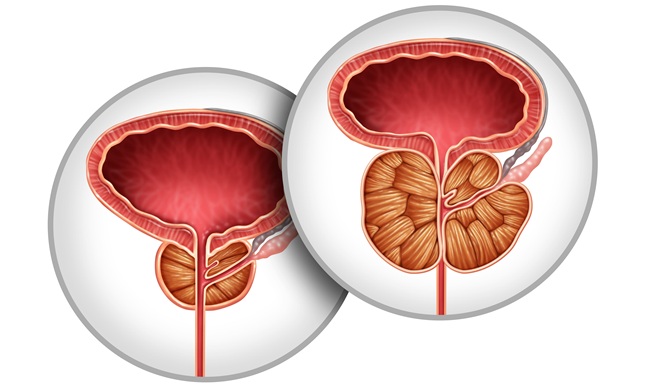
New Practice Guidance Supports Prostatic Artery Embolization for BPH Symptoms
Benign prostatic hyperplasia is a noncancerous enlargement of the prostate that can cause lower urinary tract symptoms and impair daily functioning. These symptoms erode sleep, productivity, and sexual... Read more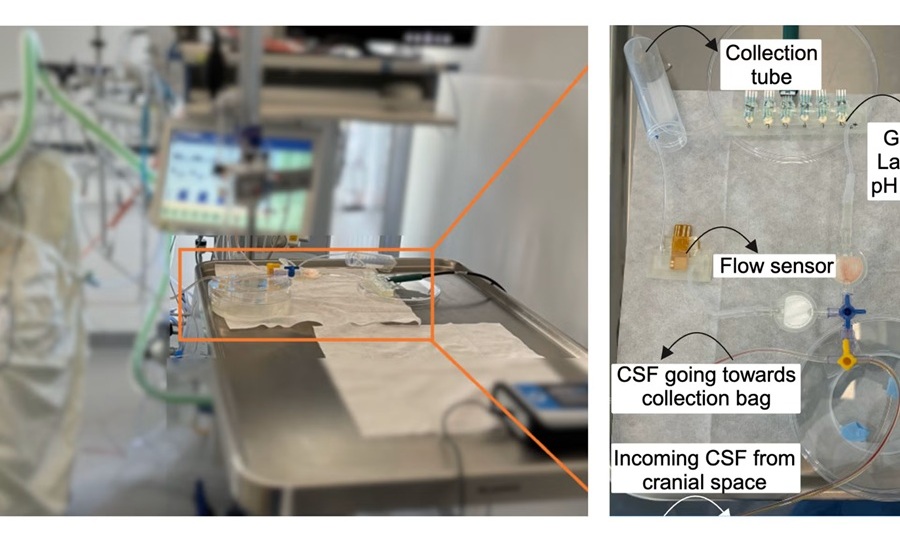
Bedside CSF Monitor Detects Early Infection in Fluid Drains
External drainage of cerebrospinal fluid (CSF) after traumatic brain injury, hydrocephalus, or hemorrhage carries a significant risk of infection. These infections can prolong intensive care, cause severe... Read more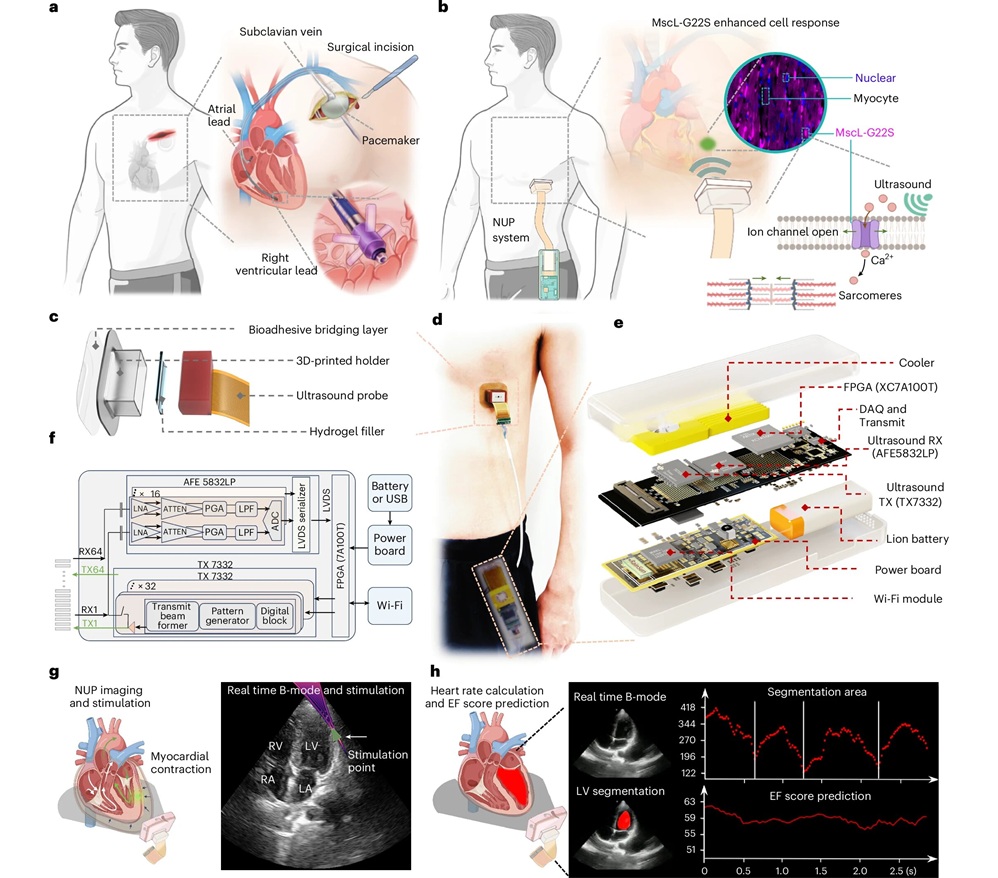
Wearable Ultrasound Patch Noninvasively Paces Heart to Stabilize Arrhythmias
Cardiac arrhythmias, including slow and irregular heart rhythms, often require pacemakers that are surgically implanted. While effective, implants carry procedural risks and long-term device maintenance burdens.... Read morePatient Care
view channel
AI Avatar Doctor Improves Patient Understanding Before Radiotherapy
Radiation oncology consultations require patients to grasp complex concepts quickly, yet anxiety and information overload often undermine understanding and informed consent. Poor comprehension can also... Read more
Wearable Sleep Data Predict Adherence to Pulmonary Rehabilitation
Chronic obstructive pulmonary disease (COPD) is a long-term lung disorder that makes breathing difficult and often disturbs sleep, reducing energy for daily activities. Limited engagement in pulmonary... Read more

Health IT
view channel
AI-Native EHR Achieves EU Medical Device Certification
InterSystems (Boston, MA, USA) announced that its IntelliCare electronic health record (EHR) solutions have been certified as Class IIa medical devices under the European Union Medical Device Regulation... Read more
EHR-Integrated Screening Workflow Detects Cognitive Impairment at Admission
Cognitive impairment involves difficulties with thinking, learning, memory, and decision-making, and is more common in older adults. In U.S. hospitals, more than 40% of admitted older adults have dementia,... Read more

Point of Care
view channel
Portable MRI System Accelerates Emergency Brain Imaging and Triage
Emergency departments frequently face delays accessing conventional magnetic resonance imaging (MRI) for patients with suspected neurological emergencies. Such waits can slow triage, prolong boarding,... Read more
Point-of-Care Viscoelastic Testing System Supports Obstetric Bleeding Management
HemoSonics (Durham, NC, USA) announced on May 5, 2026 that the company's Quantra Hemostasis System for Obstetric Procedures won Silver in the 2026 Edison Awards in the Women’s Health and Reproductive Innovations... Read more

Business
view channel
Endologix Adds FDA-Cleared Peripheral Thrombectomy System
Endologix (Santa Rosa, CA, USA) has acquired the Pounce Thrombectomy System from Surmodics, with the transaction closing on May 18, 2026. The FDA-cleared system is indicated for the non-surgical removal... Read more