Minimally Invasive System for Pedicle Screw Placement
|
By HospiMedica International staff writers Posted on 10 Feb 2010 |


|
A novel pedicle-screw system for minimally invasive spine surgery addresses the needs of spine surgeon and patient alike, without compromising strength.
The Paramount Pedicle Screw System uses a unique delivery method, in which an integrated screw and rod assembly element is preattached to the polyaxial head, enabling a single-step screw and rod insertion. This helps to streamline the fusion procedure and reduce the number of operative steps for the surgeon. A novel compression and distraction system, a robust rod reduction system, and a proprietary noncannulated screw design with a K-wire guided tip allow for accurate screw placement and enhanced screw strength. Potential benefits of the Paramount pedicle-screw system include lessened operative time, reduced blood loss, less issue trauma and scarring, less postoperative pain, and a shorter hospital stay. The Paramount Pedicle Screw System is a product of Integra LifeSciences (Plainsboro, NJ, USA).
"The Paramount system offers my patients a safe, effective minimally invasive procedure, with potentially less blood loss and less muscle trauma to the posterior musculature,” said Andrew Parkinson, M.D., of Orthopedic Associates (Oklahoma City, OK, USA) who performed the first surgery in the United States using the Paramount system.
Pedicle screws provide a means of gripping a spinal segment as an adjunct to spinal fusion surgery; the screws themselves do not fixate the spinal segment, but act as firm anchor points for stabilization. The screws are usually placed at two or three consecutive spine segments and then a short rod is used to connect the screws. This construct prevents motion at the segments that are being fused; when the process is completed, the screws and rods are no longer needed for stability and may be safely removed with a subsequent back surgery. However, most surgeons do not recommend removal unless the pedicle screws cause discomfort for the patient.
Related Links:
Integra LifeSciences
Orthopedic Associates




The Paramount Pedicle Screw System uses a unique delivery method, in which an integrated screw and rod assembly element is preattached to the polyaxial head, enabling a single-step screw and rod insertion. This helps to streamline the fusion procedure and reduce the number of operative steps for the surgeon. A novel compression and distraction system, a robust rod reduction system, and a proprietary noncannulated screw design with a K-wire guided tip allow for accurate screw placement and enhanced screw strength. Potential benefits of the Paramount pedicle-screw system include lessened operative time, reduced blood loss, less issue trauma and scarring, less postoperative pain, and a shorter hospital stay. The Paramount Pedicle Screw System is a product of Integra LifeSciences (Plainsboro, NJ, USA).
"The Paramount system offers my patients a safe, effective minimally invasive procedure, with potentially less blood loss and less muscle trauma to the posterior musculature,” said Andrew Parkinson, M.D., of Orthopedic Associates (Oklahoma City, OK, USA) who performed the first surgery in the United States using the Paramount system.
Pedicle screws provide a means of gripping a spinal segment as an adjunct to spinal fusion surgery; the screws themselves do not fixate the spinal segment, but act as firm anchor points for stabilization. The screws are usually placed at two or three consecutive spine segments and then a short rod is used to connect the screws. This construct prevents motion at the segments that are being fused; when the process is completed, the screws and rods are no longer needed for stability and may be safely removed with a subsequent back surgery. However, most surgeons do not recommend removal unless the pedicle screws cause discomfort for the patient.
Related Links:
Integra LifeSciences
Orthopedic Associates

Gold Member
Handheld Blood Glucose Analyzer
STAT-Site
Gold Member
SARS‑CoV‑2/Flu A/Flu B/RSV Sample-To-Answer Test
SARS‑CoV‑2/Flu A/Flu B/RSV Cartridge (CE-IVD)
Fetal Monitor
BT-380
Surgical System
Stealth AXiS
Latest Surgical Techniques News
- 3D Map of Heart Electrical Wiring Aims to Guide Congenital Heart Repair
- CE-Marked Ultrasonic Shears Streamline Breast and Thyroid Surgery
- Small Cryoprobe Outperforms Forceps in Lung Biopsy Trial
- Natural Bypass Score May Guide Care in Chronic Coronary Blockages
- Navigation Instruments Cleared for Posterior Cervical Fusion Procedures
- Bioengineered Heart Patch Improves Cardiac Function in Advanced Heart Failure
- Fracture Plating System Combines Anatomical Fit with Streamlined Instrumentation
- Surgical Robotic System Gains CE Mark for Minimally Invasive Procedures
- Pink Noise Stimulation Approach Could Support Safer Anesthesia
- BD Launches Elyra Laser Platform for Kidney Stone and Soft Tissue Procedures
- Anesthesia-Sparing System Targets Faster Ureteral Stone Treatment
- Stretchable Bioelectronic Implant Lowers Blood Pressure in Preclinical Study
- FDA-Cleared Nerve Stimulator Advances Intraoperative Peripheral Nerve Assessment
- Intravascular Lithotripsy Catheter Advances Treatment of Calcified Coronary Disease
- Handheld AI Endomicroscope Enables Real-Time Precancer Detection at Point of Care
- Photoacoustic Imaging System Maps Hidden Nerves and Vessels in Robotic Laparoscopy
Channels
Artificial Intelligence
view channel
AI Platform Supports Noninvasive Remote Hemodynamic Monitoring in Heart Failure
Heart failure remains a leading cause of hospitalization in adults over 65, affecting more than 6.7 million people in the U.S. Clinicians often lose visibility into hemodynamic deterioration once patients... Read more
AI Tool Predicts Unplanned Care and Symptom Burden in Cancer Survivors
Unplanned emergency visits and hospitalizations remain common in cancer survivorship, when routine clinical contact often tapers while new symptoms emerge. These events reflect unmet needs and disrupt... Read more

Critical Care
view channel
Smartphone Heart Rhythm App Reduces Unnecessary Cardioversion Procedures
Atrial fibrillation, an irregular and often rapid heart rhythm, is the most common arrhythmia in adults. Elective electrical cardioversion is frequently canceled on the day of treatment when patients revert... Read more
New Practice Guidance Supports Prostatic Artery Embolization for BPH Symptoms
Benign prostatic hyperplasia is a noncancerous enlargement of the prostate that can cause lower urinary tract symptoms and impair daily functioning. These symptoms erode sleep, productivity, and sexual... Read more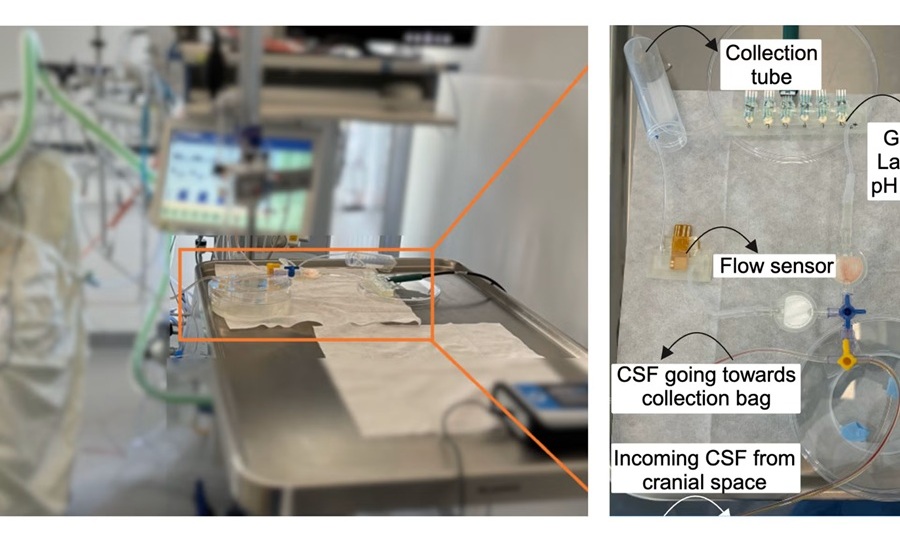
Bedside CSF Monitor Detects Early Infection in Fluid Drains
External drainage of cerebrospinal fluid (CSF) after traumatic brain injury, hydrocephalus, or hemorrhage carries a significant risk of infection. These infections can prolong intensive care, cause severe... Read more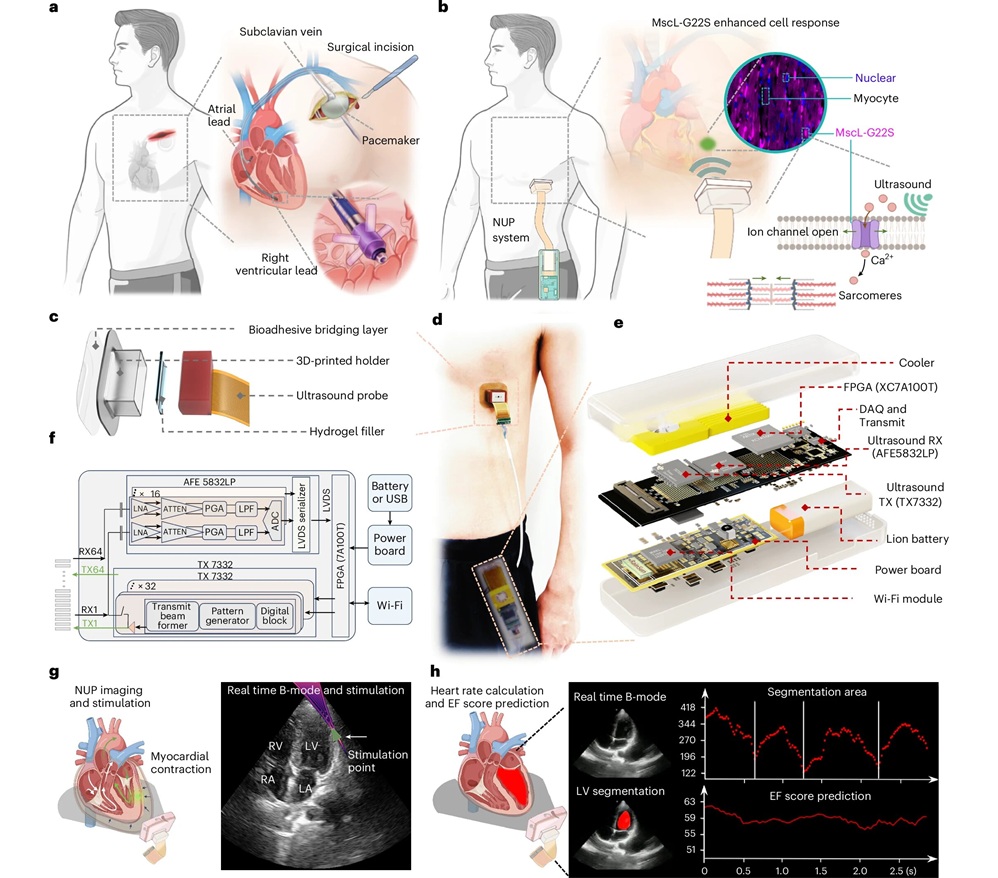
Wearable Ultrasound Patch Noninvasively Paces Heart to Stabilize Arrhythmias
Cardiac arrhythmias, including slow and irregular heart rhythms, often require pacemakers that are surgically implanted. While effective, implants carry procedural risks and long-term device maintenance burdens.... Read morePatient Care
view channel
AI Avatar Doctor Improves Patient Understanding Before Radiotherapy
Radiation oncology consultations require patients to grasp complex concepts quickly, yet anxiety and information overload often undermine understanding and informed consent. Poor comprehension can also... Read more
Wearable Sleep Data Predict Adherence to Pulmonary Rehabilitation
Chronic obstructive pulmonary disease (COPD) is a long-term lung disorder that makes breathing difficult and often disturbs sleep, reducing energy for daily activities. Limited engagement in pulmonary... Read more

Health IT
view channel
AI-Native EHR Achieves EU Medical Device Certification
InterSystems (Boston, MA, USA) announced that its IntelliCare electronic health record (EHR) solutions have been certified as Class IIa medical devices under the European Union Medical Device Regulation... Read more
EHR-Integrated Screening Workflow Detects Cognitive Impairment at Admission
Cognitive impairment involves difficulties with thinking, learning, memory, and decision-making, and is more common in older adults. In U.S. hospitals, more than 40% of admitted older adults have dementia,... Read more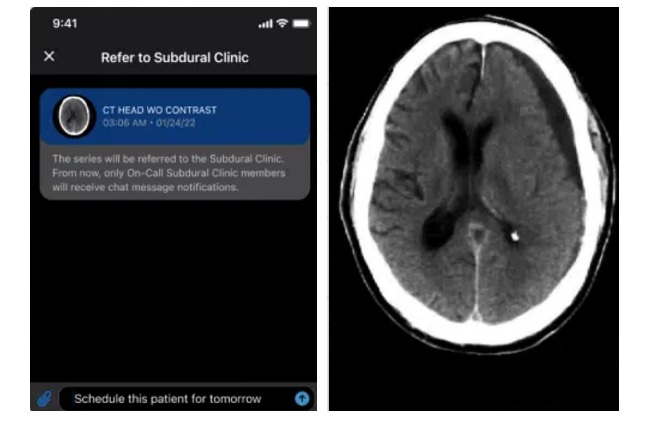

Point of Care
view channel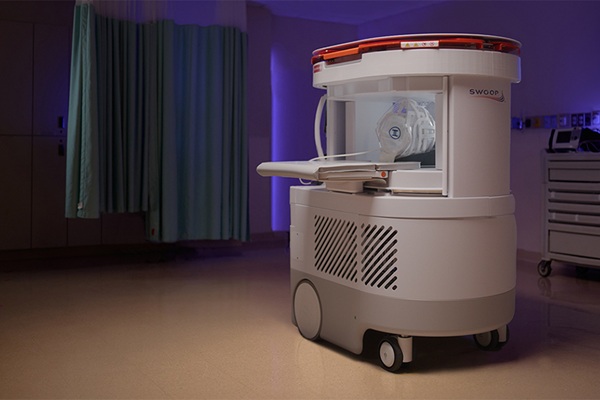
Portable MRI System Accelerates Emergency Brain Imaging and Triage
Emergency departments frequently face delays accessing conventional magnetic resonance imaging (MRI) for patients with suspected neurological emergencies. Such waits can slow triage, prolong boarding,... Read more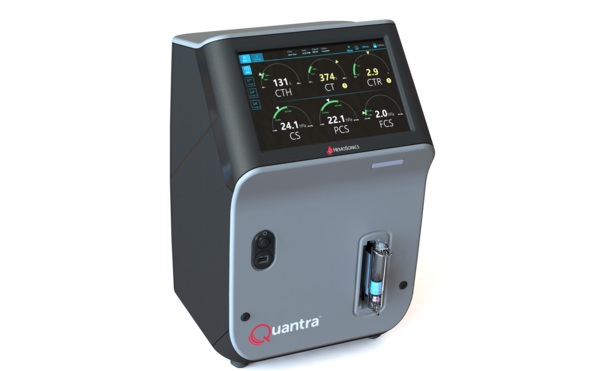
Point-of-Care Viscoelastic Testing System Supports Obstetric Bleeding Management
HemoSonics (Durham, NC, USA) announced on May 5, 2026 that the company's Quantra Hemostasis System for Obstetric Procedures won Silver in the 2026 Edison Awards in the Women’s Health and Reproductive Innovations... Read more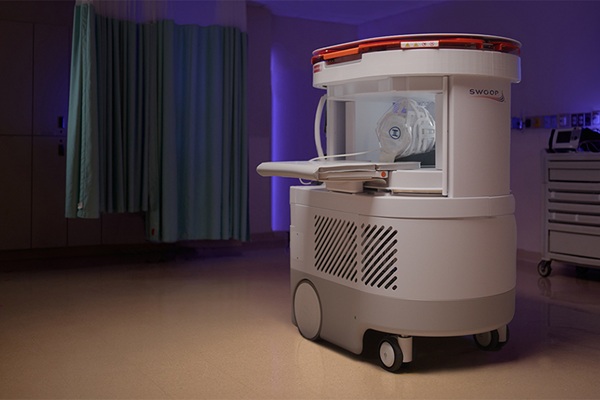

Business
view channel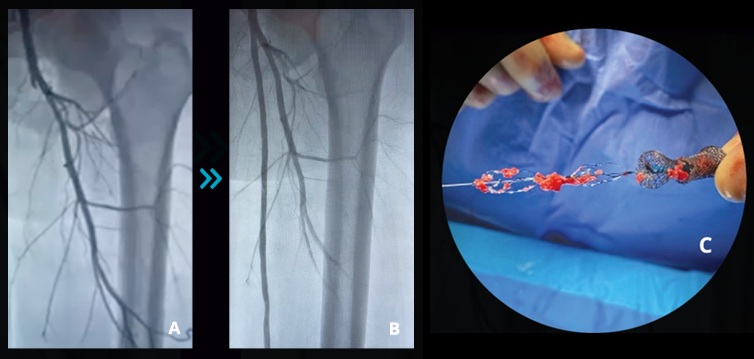
Endologix Adds FDA-Cleared Peripheral Thrombectomy System
Endologix (Santa Rosa, CA, USA) has acquired the Pounce Thrombectomy System from Surmodics, with the transaction closing on May 18, 2026. The FDA-cleared system is indicated for the non-surgical removal... Read more