Remote Surveillance System Monitors Critical Care Areas
|
By HospiMedica International staff writers Posted on 11 Feb 2010 |


|
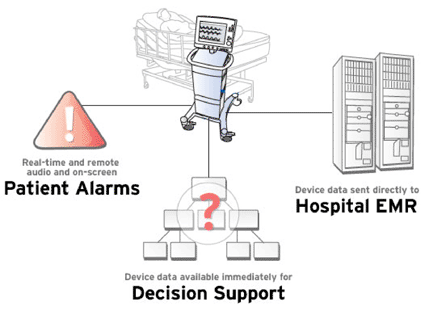
Image: The Bernoulli Enterprise system workflow perspective (photo courtesy Cardiopulmonary Corporation).
An open platform central surveillance system provides real-time observation and secondary alarming for a wide range of medical device types.
The Bernoulli Enterprise system provides centralized patient monitoring in each care area, sending remote alarm notifications and patient vital signs data in real time to wireless communication devices worn by clinicians, allowing them to arrive at the patient's bedside fully prepared to manage the situation. Among the benefits of the system are improved recognition and response to changes in a patient's condition, helping to mobilize rapid response teams and reduce adverse events and preventable deaths.
The Bernoulli system integrates with multiple vendors' medical devices and utilizes existing hospital information technology (IT) infrastructure. The system also works with existing Hospital Admissions / Discharge / Transfer (ADT) systems as well as Electronic Medical Record (EMR) systems by populating patient flow sheets with real-time device data. It can be deployed as a stand-alone surveillance system in a single unit, or as a multi-unit hospital-wide solution, in either wired or wireless environments. The Bernoulli Enterprise system is a product of Cardiopulmonary Corporation (CPC, Milford, CT, USA), and is fully compliant with Health Level Seven (HL7) standards for dealing with clinical and administrative data.
"The Bernoulli system allows us to monitor ventilated patients from wherever we are in the hospital, but it offers much more than that. It tells us whether there is a problem with the ventilator or if a patient's respiratory function is compromised,” said Ray Kijowski, manager of respiratory therapy at Saint Peter's University Hospital (New Brunswick, NJ, USA), which recently implemented the system. "The system's open platform will allow us to add other devices, such as intravenous pumps and pulse oximeters, and physicians can check on their patients' status from their offices.”
Remote surveillance is particularly important in long-term acute-care (LTAC) facilities, a critical element in the continuum of post-acute-care, which are facing an increasing shortage of specialists. Another major benefit for LTAC facilities is a reduction of nuisance alarms, promoting a more tranquil care environment.
Related Links:
Cardiopulmonary Corporation
Saint Peter's University Hospital




The Bernoulli Enterprise system provides centralized patient monitoring in each care area, sending remote alarm notifications and patient vital signs data in real time to wireless communication devices worn by clinicians, allowing them to arrive at the patient's bedside fully prepared to manage the situation. Among the benefits of the system are improved recognition and response to changes in a patient's condition, helping to mobilize rapid response teams and reduce adverse events and preventable deaths.
The Bernoulli system integrates with multiple vendors' medical devices and utilizes existing hospital information technology (IT) infrastructure. The system also works with existing Hospital Admissions / Discharge / Transfer (ADT) systems as well as Electronic Medical Record (EMR) systems by populating patient flow sheets with real-time device data. It can be deployed as a stand-alone surveillance system in a single unit, or as a multi-unit hospital-wide solution, in either wired or wireless environments. The Bernoulli Enterprise system is a product of Cardiopulmonary Corporation (CPC, Milford, CT, USA), and is fully compliant with Health Level Seven (HL7) standards for dealing with clinical and administrative data.
"The Bernoulli system allows us to monitor ventilated patients from wherever we are in the hospital, but it offers much more than that. It tells us whether there is a problem with the ventilator or if a patient's respiratory function is compromised,” said Ray Kijowski, manager of respiratory therapy at Saint Peter's University Hospital (New Brunswick, NJ, USA), which recently implemented the system. "The system's open platform will allow us to add other devices, such as intravenous pumps and pulse oximeters, and physicians can check on their patients' status from their offices.”
Remote surveillance is particularly important in long-term acute-care (LTAC) facilities, a critical element in the continuum of post-acute-care, which are facing an increasing shortage of specialists. Another major benefit for LTAC facilities is a reduction of nuisance alarms, promoting a more tranquil care environment.
Related Links:
Cardiopulmonary Corporation
Saint Peter's University Hospital

Gold Member
STI Test
Vivalytic Sexually Transmitted Infection (STI) Array
Gold Member
Handheld Blood Glucose Analyzer
STAT-Site
Glucose Meter
StatStrip®
Medical-Grade Display
HL2316SHTB
Latest Health IT News
- AI-Native EHR Achieves EU Medical Device Certification
- EHR-Integrated Screening Workflow Detects Cognitive Impairment at Admission
- AI System Detects and Quantifies Chronic Subdural Hematoma
- Continuous Monitoring Platform Detects Infection Risk Across Care Transitions
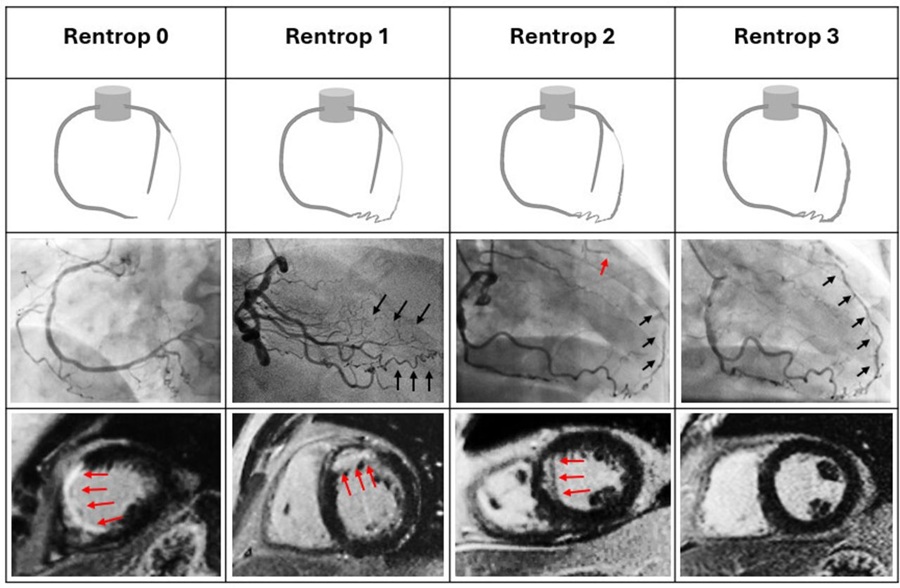
- Automated System Classifies and Tracks Cardiogenic Shock Across Hospital Settings
- Voice-Driven AI System Enables Structured GI Procedure Documentation
- EMR-Based Tool Predicts Graft Failure After Kidney Transplant
Channels
Artificial Intelligence
view channel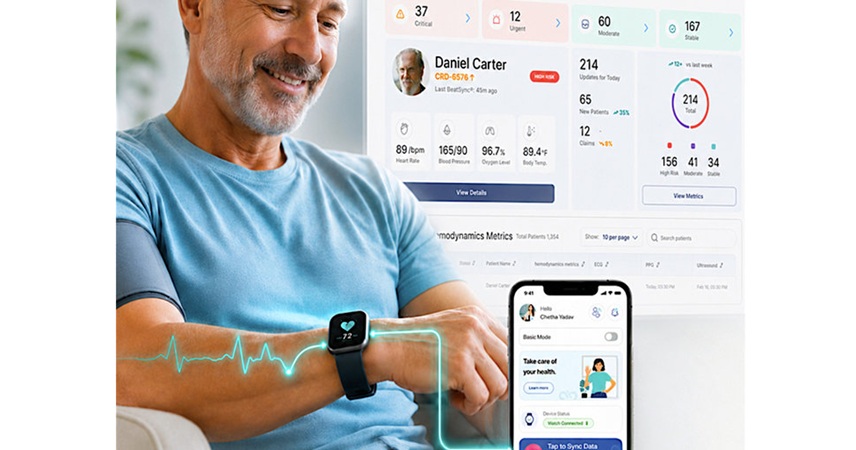
AI Platform Supports Noninvasive Remote Hemodynamic Monitoring in Heart Failure
Heart failure remains a leading cause of hospitalization in adults over 65, affecting more than 6.7 million people in the U.S. Clinicians often lose visibility into hemodynamic deterioration once patients... Read more
AI Tool Predicts Unplanned Care and Symptom Burden in Cancer Survivors
Unplanned emergency visits and hospitalizations remain common in cancer survivorship, when routine clinical contact often tapers while new symptoms emerge. These events reflect unmet needs and disrupt... Read more

Surgical Techniques
view channel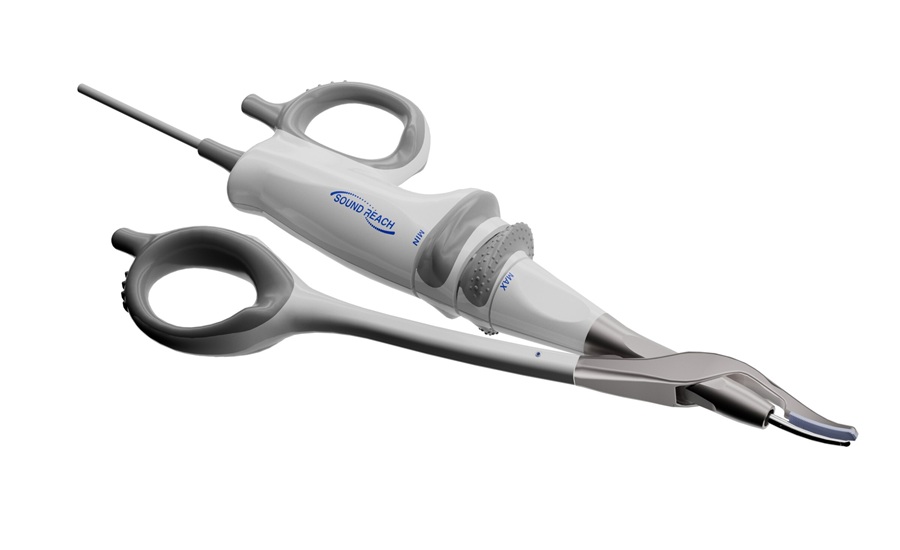
CE-Marked Ultrasonic Shears Streamline Breast and Thyroid Surgery
Thyroid and breast surgeries are often performed in confined anatomical spaces near critical structures, making precise dissection and controlled thermal management essential. As the global disease burden... Read more
3D Map of Heart Electrical Wiring Aims to Guide Congenital Heart Repair
Tetralogy of Fallot is one of the most common congenital heart problems and often requires surgery in infancy. Many survivors later develop conduction abnormalities because the cardiac electrical system... Read more
Patient Care
view channel
AI Avatar Doctor Improves Patient Understanding Before Radiotherapy
Radiation oncology consultations require patients to grasp complex concepts quickly, yet anxiety and information overload often undermine understanding and informed consent. Poor comprehension can also... Read more
Wearable Sleep Data Predict Adherence to Pulmonary Rehabilitation
Chronic obstructive pulmonary disease (COPD) is a long-term lung disorder that makes breathing difficult and often disturbs sleep, reducing energy for daily activities. Limited engagement in pulmonary... Read more

Health IT
view channel
AI-Native EHR Achieves EU Medical Device Certification
InterSystems (Boston, MA, USA) announced that its IntelliCare electronic health record (EHR) solutions have been certified as Class IIa medical devices under the European Union Medical Device Regulation... Read more
EHR-Integrated Screening Workflow Detects Cognitive Impairment at Admission
Cognitive impairment involves difficulties with thinking, learning, memory, and decision-making, and is more common in older adults. In U.S. hospitals, more than 40% of admitted older adults have dementia,... Read more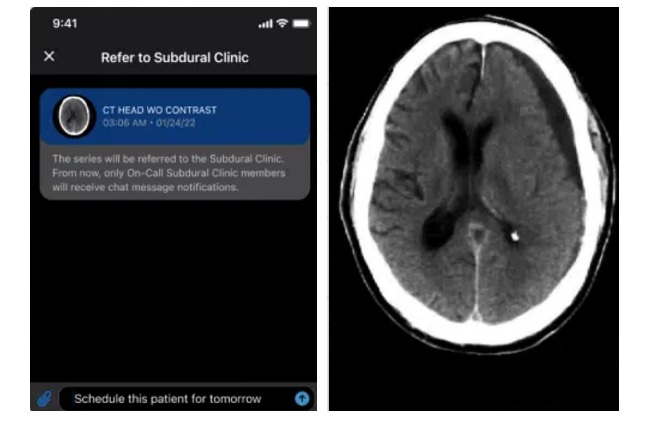
Point of Care
view channel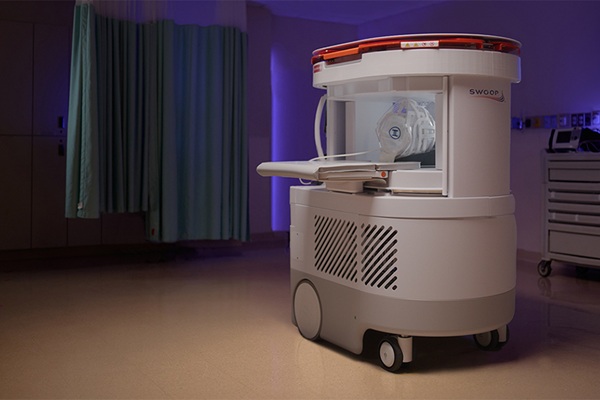
Portable MRI System Accelerates Emergency Brain Imaging and Triage
Emergency departments frequently face delays accessing conventional magnetic resonance imaging (MRI) for patients with suspected neurological emergencies. Such waits can slow triage, prolong boarding,... Read more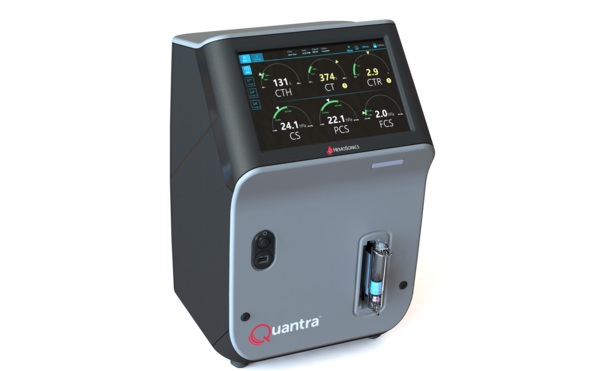
Point-of-Care Viscoelastic Testing System Supports Obstetric Bleeding Management
HemoSonics (Durham, NC, USA) announced on May 5, 2026 that the company's Quantra Hemostasis System for Obstetric Procedures won Silver in the 2026 Edison Awards in the Women’s Health and Reproductive Innovations... Read more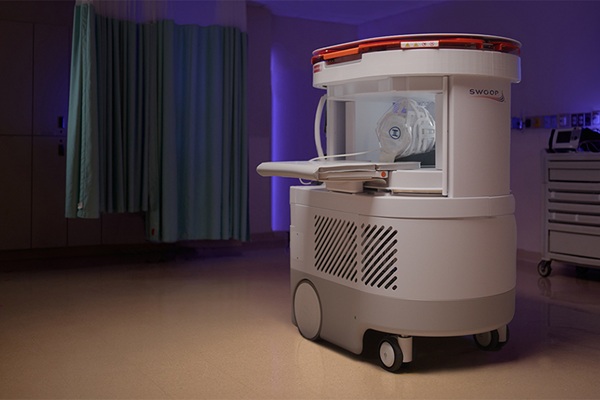

Business
view channel
Endologix Adds FDA-Cleared Peripheral Thrombectomy System
Endologix (Santa Rosa, CA, USA) has acquired the Pounce Thrombectomy System from Surmodics, with the transaction closing on May 18, 2026. The FDA-cleared system is indicated for the non-surgical removal... Read more