Laboratory Medicine and Nosocomial Infections: Dealing with MRSA
|
By HospiMedica International staff writers Posted on 17 Feb 2010 |


|
Methicillin-resistant Staphylococcus aureus (MRSA) is the most widespread hospital acquired infection (HAI). The August 10, 2009, issue of Archives of Internal Medicine reported that MRSA appears to be relatively common among patients discharged from the hospital into home healthcare. About one-fifth of infected patients can transmit the organism to other people in their households.
According to Carol Smith, senior product manager at Thermo Scientific Remel Products (Lenexa, KS, USA), nasal MRSA colonization at admission or during hospitalization can increase the risk of MRSA infection. Once colonized with MRSA, 30%-50% of patients become infected. Noninfected carriers can transmit the infection to other patients in the hospital, preventing effective public health control.
"Active surveillance for MRSA colonization is highly recommended for control of nosocomial transmission," Carol Smith said. "Rapid, accurate, and cost-effective screening tests for MRSA colonization are needed in order to reduce the economic burden of this pathogen."
Remel's Spectra MRSA is a selective and differential medium for detection of nasal colonization of MRSA. The test is performed with anterior nares swab specimens from patients and health care workers to screen for MRSA colonization.
An opaque medium that uses a novel chromogen yields a denim blue color after 24 hours as a result of phosphatase activity. To allow the medium to differentiate MRSA accurately, it contains a combination of antibacterial compounds designed to inhibit the growth of a wide variety of competitor organisms. Also included are compounds that encourage the production of the MRSA pathogenicity marker, ensuring expression of the phosphatase enzyme and providing enhanced sensitivity and specificity. If after the 24-hour incubation no denim blue colonies are observed, the specimen is considered negative and plates can be discarded.
Carol Smith claimed that Spectra MRSA provides the highest positive predictive value compared to all other available methods, translating into lower false positives. "With this excellent performance, hospitals can be assured that they are correctly identifying patients colonized with MRSA," she said. "This allows appropriate patient isolation and contact precautions, and avoids the unnecessary financial burden of isolating or decolonizing a patient."
The easy-to-use procedure and simple-to-read result allows for efficient batching on any shift in the microbiology lab. Results are available within 24 hours, regardless of positive or negative results. Additionally, no confirmatory testing is required for positives, which reduces ancillary testing and technician time in the microbiology lab.
BD Diagnostics of Becton, Dickerson and Co. (Franklin Lakes, NJ, USA) offers an assay for direct detection of nasal colonization by MRSA. The GeneOhm MRSA assay is a qualitative in vitro diagnostic test performed on the SmartCycler instrument with a nasal swab specimen. It utilizes PCR for the amplification of MRSA DNA and fluorogenic target-specific hybridization probes for the detection of the amplified DNA. The GeneOhm MRSA assay is not intended to diagnose MRSA infections, nor to guide or monitor treatment for MRSA infections. Concomitant cultures are necessary to recover organisms for epidemiological typing or for further susceptibility testing.
Related Links:
Thermo Scientific Remel Products
Becton, Dickerson and Co.
August 10, 2009 isssue of Archives of Internal Medicine






According to Carol Smith, senior product manager at Thermo Scientific Remel Products (Lenexa, KS, USA), nasal MRSA colonization at admission or during hospitalization can increase the risk of MRSA infection. Once colonized with MRSA, 30%-50% of patients become infected. Noninfected carriers can transmit the infection to other patients in the hospital, preventing effective public health control.
"Active surveillance for MRSA colonization is highly recommended for control of nosocomial transmission," Carol Smith said. "Rapid, accurate, and cost-effective screening tests for MRSA colonization are needed in order to reduce the economic burden of this pathogen."
Remel's Spectra MRSA is a selective and differential medium for detection of nasal colonization of MRSA. The test is performed with anterior nares swab specimens from patients and health care workers to screen for MRSA colonization.
An opaque medium that uses a novel chromogen yields a denim blue color after 24 hours as a result of phosphatase activity. To allow the medium to differentiate MRSA accurately, it contains a combination of antibacterial compounds designed to inhibit the growth of a wide variety of competitor organisms. Also included are compounds that encourage the production of the MRSA pathogenicity marker, ensuring expression of the phosphatase enzyme and providing enhanced sensitivity and specificity. If after the 24-hour incubation no denim blue colonies are observed, the specimen is considered negative and plates can be discarded.
Carol Smith claimed that Spectra MRSA provides the highest positive predictive value compared to all other available methods, translating into lower false positives. "With this excellent performance, hospitals can be assured that they are correctly identifying patients colonized with MRSA," she said. "This allows appropriate patient isolation and contact precautions, and avoids the unnecessary financial burden of isolating or decolonizing a patient."
The easy-to-use procedure and simple-to-read result allows for efficient batching on any shift in the microbiology lab. Results are available within 24 hours, regardless of positive or negative results. Additionally, no confirmatory testing is required for positives, which reduces ancillary testing and technician time in the microbiology lab.
BD Diagnostics of Becton, Dickerson and Co. (Franklin Lakes, NJ, USA) offers an assay for direct detection of nasal colonization by MRSA. The GeneOhm MRSA assay is a qualitative in vitro diagnostic test performed on the SmartCycler instrument with a nasal swab specimen. It utilizes PCR for the amplification of MRSA DNA and fluorogenic target-specific hybridization probes for the detection of the amplified DNA. The GeneOhm MRSA assay is not intended to diagnose MRSA infections, nor to guide or monitor treatment for MRSA infections. Concomitant cultures are necessary to recover organisms for epidemiological typing or for further susceptibility testing.
Related Links:
Thermo Scientific Remel Products
Becton, Dickerson and Co.
August 10, 2009 isssue of Archives of Internal Medicine

Gold Member
Handheld Blood Glucose Analyzer
STAT-Site
Gold Member
12-Channel ECG
CM1200B
Resorbable Bovine Collagen Membrane
GenDerm
Surgical Dressing
ALLEVYN Ag+ SURGICAL
Latest Critical Care News
- Smartphone Heart Rhythm App Reduces Unnecessary Cardioversion Procedures
- Bedside CSF Monitor Detects Early Infection in Fluid Drains
- Wearable Ultrasound Patch Noninvasively Paces Heart to Stabilize Arrhythmias
- New Practice Guidance Supports Prostatic Artery Embolization for BPH Symptoms
- AI ECG Tool Detects Cardiac Amyloidosis for Early Screening
- Cuffless Wearable Enables Continuous Blood Pressure Monitoring for Hypertension Care
- AI-Guided System Supports Cardiac Ultrasound Training on Cart-Based Systems
- AI ECG Index Tracks Pubertal Maturation in Children and Adolescents
- Noninvasive AI Tool Enables Pressure-Guided Heart Failure Management
- Regenerative Therapies Aim to Support Recovery After Traumatic Brain Injury
- Ring-Type Cuffless Monitor Becomes First Added to Official Hypertension Guidelines
- “Intelligent Tattoo” Method Detects Early Melanoma Signals
- Implantable Wireless Light Device Advances Bladder Cancer Treatment
- Reusable Intermittent Catheters Reduce Antibiotic Use Without Increasing Urinary Tract Infections
- Smart Wristband Technology Detects Cardiac Arrest and Alerts Responders
- FDA-Cleared Home Sleep Test Enables Multi-Night Diagnosis of Sleep Apnea
Channels
Artificial Intelligence
view channel
AI Platform Supports Noninvasive Remote Hemodynamic Monitoring in Heart Failure
Heart failure remains a leading cause of hospitalization in adults over 65, affecting more than 6.7 million people in the U.S. Clinicians often lose visibility into hemodynamic deterioration once patients... Read more
AI Tool Predicts Unplanned Care and Symptom Burden in Cancer Survivors
Unplanned emergency visits and hospitalizations remain common in cancer survivorship, when routine clinical contact often tapers while new symptoms emerge. These events reflect unmet needs and disrupt... Read more

Critical Care
view channel
Smartphone Heart Rhythm App Reduces Unnecessary Cardioversion Procedures
Atrial fibrillation, an irregular and often rapid heart rhythm, is the most common arrhythmia in adults. Elective electrical cardioversion is frequently canceled on the day of treatment when patients revert... Read more
New Practice Guidance Supports Prostatic Artery Embolization for BPH Symptoms
Benign prostatic hyperplasia is a noncancerous enlargement of the prostate that can cause lower urinary tract symptoms and impair daily functioning. These symptoms erode sleep, productivity, and sexual... Read more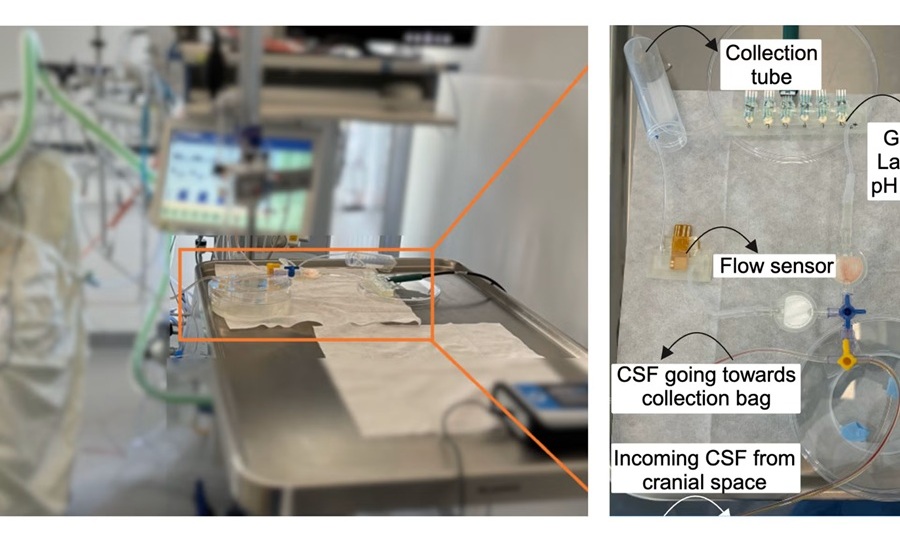
Bedside CSF Monitor Detects Early Infection in Fluid Drains
External drainage of cerebrospinal fluid (CSF) after traumatic brain injury, hydrocephalus, or hemorrhage carries a significant risk of infection. These infections can prolong intensive care, cause severe... Read more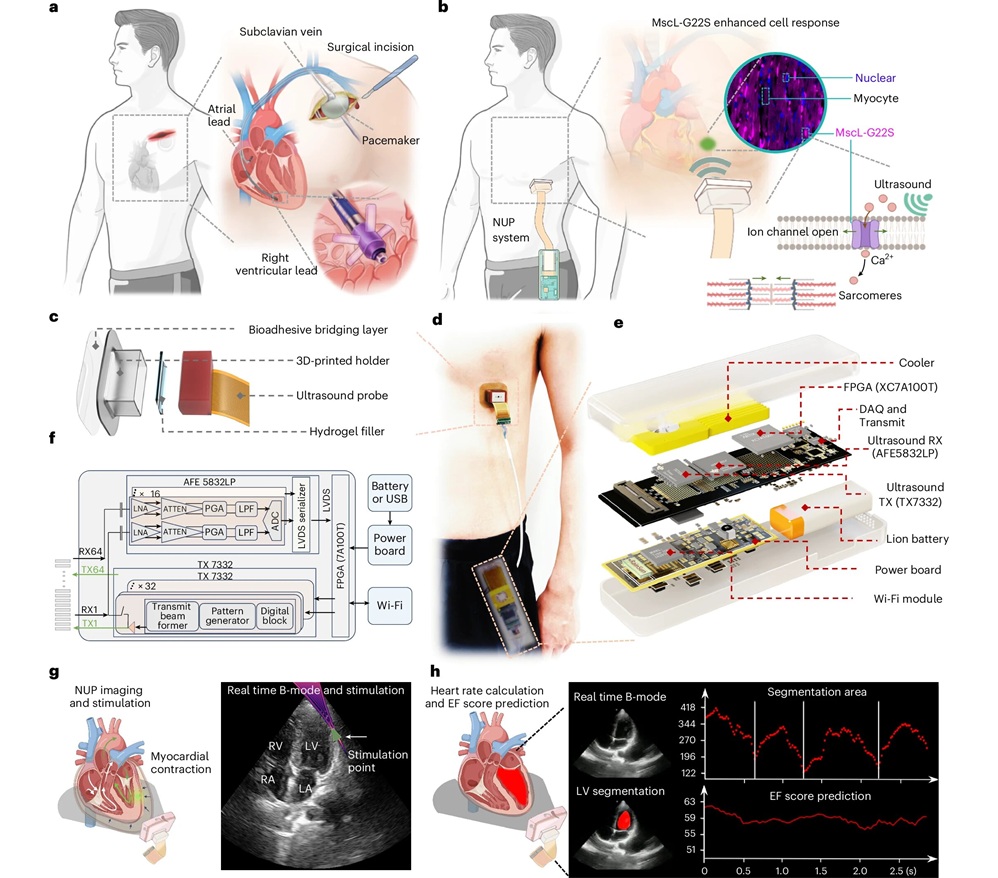
Wearable Ultrasound Patch Noninvasively Paces Heart to Stabilize Arrhythmias
Cardiac arrhythmias, including slow and irregular heart rhythms, often require pacemakers that are surgically implanted. While effective, implants carry procedural risks and long-term device maintenance burdens.... Read moreSurgical Techniques
view channel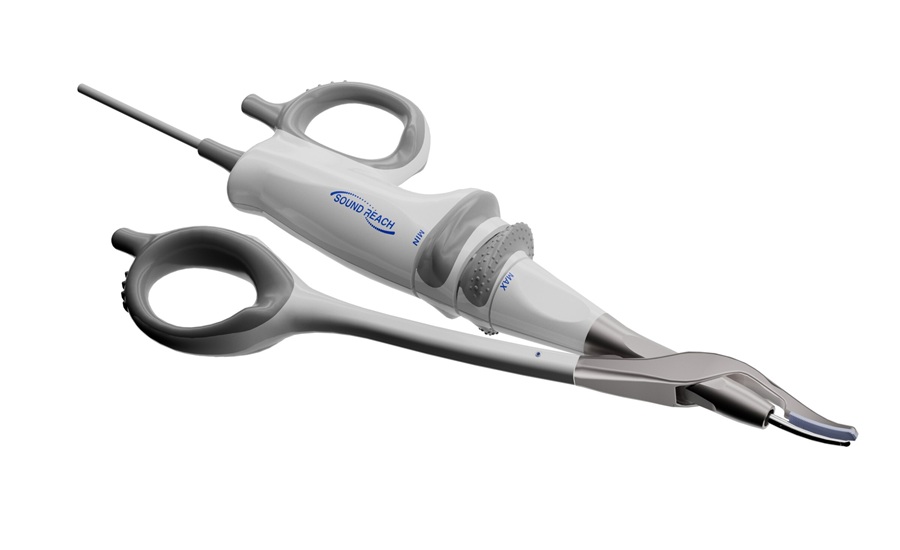
CE-Marked Ultrasonic Shears Streamline Breast and Thyroid Surgery
Thyroid and breast surgeries are often performed in confined anatomical spaces near critical structures, making precise dissection and controlled thermal management essential. As the global disease burden... Read more
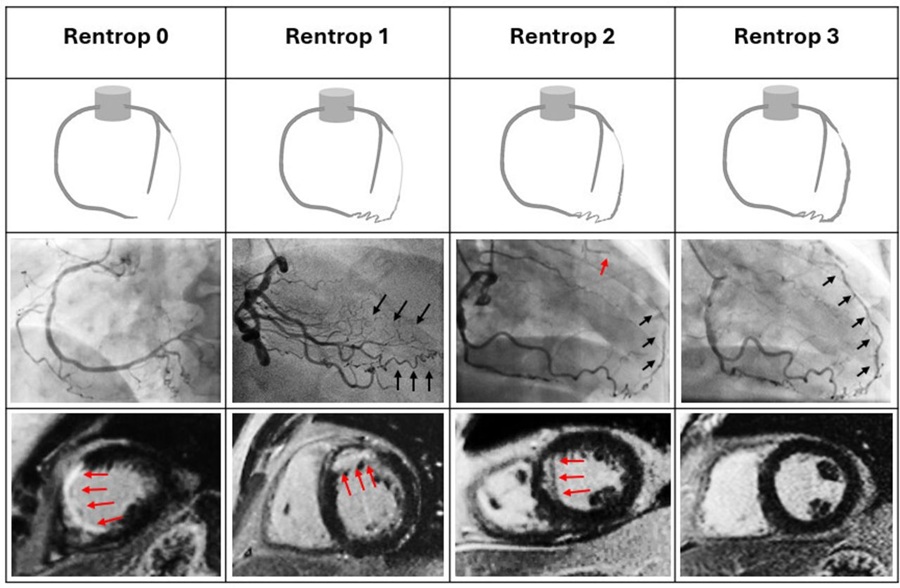
3D Map of Heart Electrical Wiring Aims to Guide Congenital Heart Repair
Tetralogy of Fallot is one of the most common congenital heart problems and often requires surgery in infancy. Many survivors later develop conduction abnormalities because the cardiac electrical system... Read more
Patient Care
view channel
AI Avatar Doctor Improves Patient Understanding Before Radiotherapy
Radiation oncology consultations require patients to grasp complex concepts quickly, yet anxiety and information overload often undermine understanding and informed consent. Poor comprehension can also... Read more
Wearable Sleep Data Predict Adherence to Pulmonary Rehabilitation
Chronic obstructive pulmonary disease (COPD) is a long-term lung disorder that makes breathing difficult and often disturbs sleep, reducing energy for daily activities. Limited engagement in pulmonary... Read more

Health IT
view channel
AI-Native EHR Achieves EU Medical Device Certification
InterSystems (Boston, MA, USA) announced that its IntelliCare electronic health record (EHR) solutions have been certified as Class IIa medical devices under the European Union Medical Device Regulation... Read more
EHR-Integrated Screening Workflow Detects Cognitive Impairment at Admission
Cognitive impairment involves difficulties with thinking, learning, memory, and decision-making, and is more common in older adults. In U.S. hospitals, more than 40% of admitted older adults have dementia,... Read more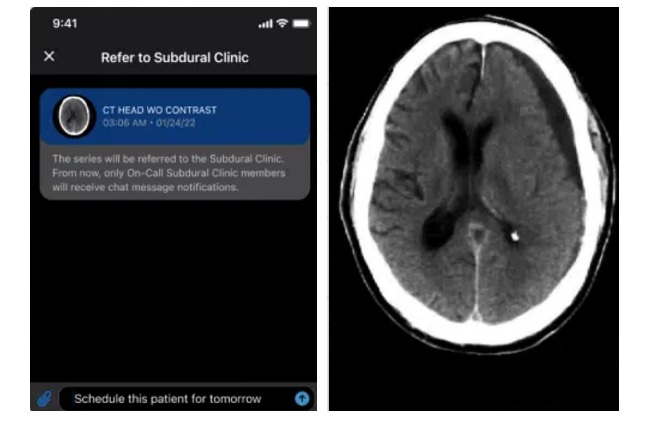

Point of Care
view channel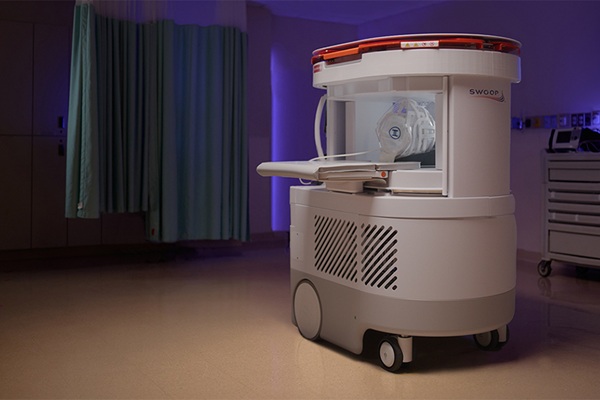
Portable MRI System Accelerates Emergency Brain Imaging and Triage
Emergency departments frequently face delays accessing conventional magnetic resonance imaging (MRI) for patients with suspected neurological emergencies. Such waits can slow triage, prolong boarding,... Read more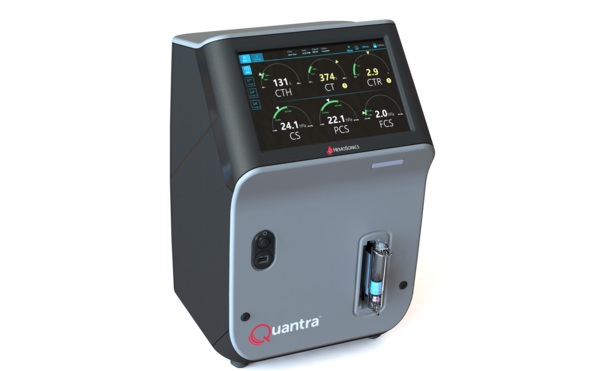
Point-of-Care Viscoelastic Testing System Supports Obstetric Bleeding Management
HemoSonics (Durham, NC, USA) announced on May 5, 2026 that the company's Quantra Hemostasis System for Obstetric Procedures won Silver in the 2026 Edison Awards in the Women’s Health and Reproductive Innovations... Read more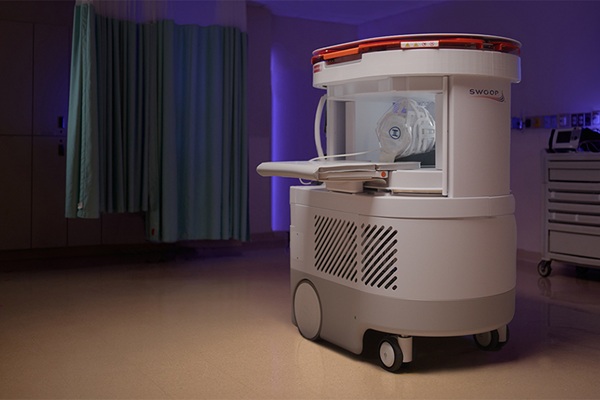

Business
view channel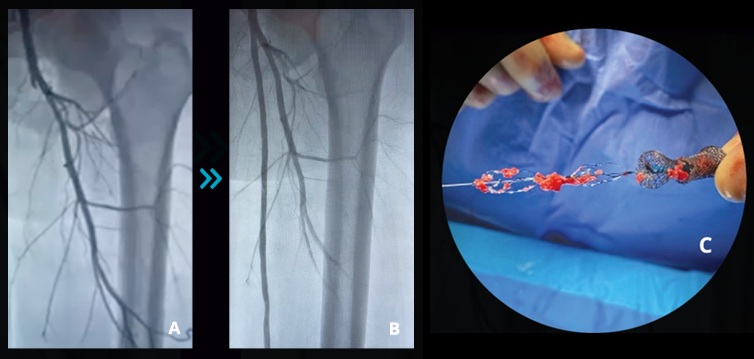
Endologix Adds FDA-Cleared Peripheral Thrombectomy System
Endologix (Santa Rosa, CA, USA) has acquired the Pounce Thrombectomy System from Surmodics, with the transaction closing on May 18, 2026. The FDA-cleared system is indicated for the non-surgical removal... Read more