Programmable Implantable Cardiac Defibrillator Offers Improved Safety
|
By HospiMedica International staff writers Posted on 24 Feb 2010 |


|
A next-generation implantable cardiac defibrillator (ICD) features a state-of-the-art battery technology that delivers 37 Joules of energy to the heart.
The Paradym 8750 cardiac resynchronization therapy defibrillator (CRT-D) is designed to allow more flexibility in the management of cardiac resynchronization and anti-tachyarrhythmia therapy in heart failure patients, by offering consistent charge times throughout the life of the device (10 seconds at beginning of life and 13 seconds at the elective replacement indicator (ERI) point), improved longevity, and a six-month ERI to end of service (EOS) period, twice as long as current ICDs.
A programmable brady-tachy overlap (BTO) feature unlocks pacing and detection to ensure the delivery of resynchronization therapy at high pacing rates during exercise, without compromising the management of slow ventricular tachycardia (VT). The Paradym CRT also features the proprietary PARAD+ detection algorithm, reducing the absolute risk of experiencing an inappropriate shock to only 5%, due to increased specificity. The Paradym CRT 8750 is a product of Sorin Group (Milano, Italy), and has been approved by the U.S. food and Drug Administration (FDA).
"I'm impressed with the Sorin technology; they have managed to pack a lot of power into a small can without compromising on features, good charge times or longevity,” said Dwight Reynolds, M.D., chief of the cardiovascular section at the University of Oklahoma Health Sciences Center (Oklahoma City, USA), who performed the first U.S. implant of Paradym CRT. "I especially like the six months longevity post-ERI and the PARAD+ discrimination algorithm to minimize inappropriate shocks…that is extremely important to both my patients and myself.”
Related Links:
Sorin Group





The Paradym 8750 cardiac resynchronization therapy defibrillator (CRT-D) is designed to allow more flexibility in the management of cardiac resynchronization and anti-tachyarrhythmia therapy in heart failure patients, by offering consistent charge times throughout the life of the device (10 seconds at beginning of life and 13 seconds at the elective replacement indicator (ERI) point), improved longevity, and a six-month ERI to end of service (EOS) period, twice as long as current ICDs.
A programmable brady-tachy overlap (BTO) feature unlocks pacing and detection to ensure the delivery of resynchronization therapy at high pacing rates during exercise, without compromising the management of slow ventricular tachycardia (VT). The Paradym CRT also features the proprietary PARAD+ detection algorithm, reducing the absolute risk of experiencing an inappropriate shock to only 5%, due to increased specificity. The Paradym CRT 8750 is a product of Sorin Group (Milano, Italy), and has been approved by the U.S. food and Drug Administration (FDA).
"I'm impressed with the Sorin technology; they have managed to pack a lot of power into a small can without compromising on features, good charge times or longevity,” said Dwight Reynolds, M.D., chief of the cardiovascular section at the University of Oklahoma Health Sciences Center (Oklahoma City, USA), who performed the first U.S. implant of Paradym CRT. "I especially like the six months longevity post-ERI and the PARAD+ discrimination algorithm to minimize inappropriate shocks…that is extremely important to both my patients and myself.”
Related Links:
Sorin Group

Gold Member
12-Channel ECG
CM1200B
Gold Member
SARS‑CoV‑2/Flu A/Flu B/RSV Sample-To-Answer Test
SARS‑CoV‑2/Flu A/Flu B/RSV Cartridge (CE-IVD)
Hypodermic Syringe
SurTract™ Safety Syringe
POC Respiratory/Sore Throat Test
BIOFIRE SPOTFIRE (R/ST) Panel
Latest Critical Care News
- Smartphone Heart Rhythm App Reduces Unnecessary Cardioversion Procedures
- Bedside CSF Monitor Detects Early Infection in Fluid Drains
- Wearable Ultrasound Patch Noninvasively Paces Heart to Stabilize Arrhythmias
- New Practice Guidance Supports Prostatic Artery Embolization for BPH Symptoms
- AI ECG Tool Detects Cardiac Amyloidosis for Early Screening
- Cuffless Wearable Enables Continuous Blood Pressure Monitoring for Hypertension Care
- AI-Guided System Supports Cardiac Ultrasound Training on Cart-Based Systems
- AI ECG Index Tracks Pubertal Maturation in Children and Adolescents
- Noninvasive AI Tool Enables Pressure-Guided Heart Failure Management
- Regenerative Therapies Aim to Support Recovery After Traumatic Brain Injury
- Ring-Type Cuffless Monitor Becomes First Added to Official Hypertension Guidelines
- “Intelligent Tattoo” Method Detects Early Melanoma Signals
- Implantable Wireless Light Device Advances Bladder Cancer Treatment
- Reusable Intermittent Catheters Reduce Antibiotic Use Without Increasing Urinary Tract Infections
- Smart Wristband Technology Detects Cardiac Arrest and Alerts Responders
- FDA-Cleared Home Sleep Test Enables Multi-Night Diagnosis of Sleep Apnea
Channels
Artificial Intelligence
view channel
AI Platform Supports Noninvasive Remote Hemodynamic Monitoring in Heart Failure
Heart failure remains a leading cause of hospitalization in adults over 65, affecting more than 6.7 million people in the U.S. Clinicians often lose visibility into hemodynamic deterioration once patients... Read more
AI Tool Predicts Unplanned Care and Symptom Burden in Cancer Survivors
Unplanned emergency visits and hospitalizations remain common in cancer survivorship, when routine clinical contact often tapers while new symptoms emerge. These events reflect unmet needs and disrupt... Read more

Surgical Techniques
view channel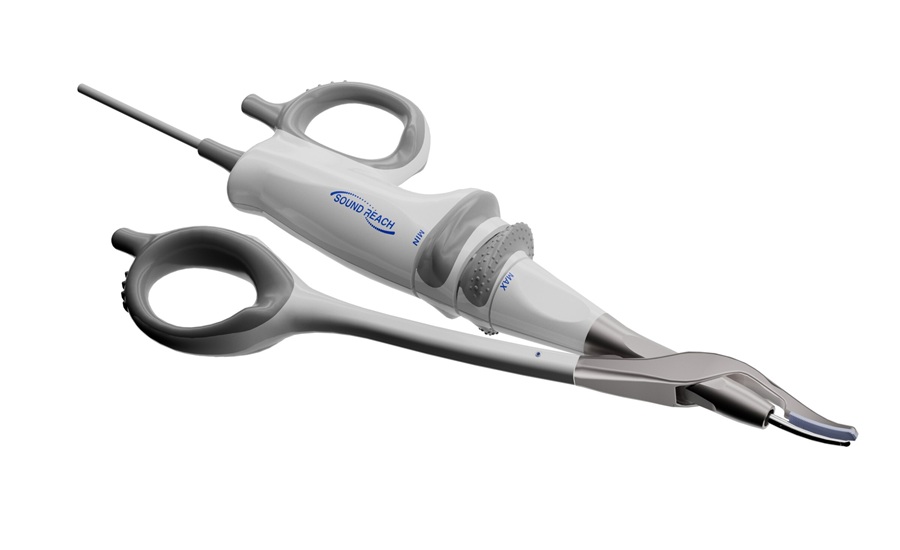
CE-Marked Ultrasonic Shears Streamline Breast and Thyroid Surgery
Thyroid and breast surgeries are often performed in confined anatomical spaces near critical structures, making precise dissection and controlled thermal management essential. As the global disease burden... Read more
3D Map of Heart Electrical Wiring Aims to Guide Congenital Heart Repair
Tetralogy of Fallot is one of the most common congenital heart problems and often requires surgery in infancy. Many survivors later develop conduction abnormalities because the cardiac electrical system... Read more
Patient Care
view channel
AI Avatar Doctor Improves Patient Understanding Before Radiotherapy
Radiation oncology consultations require patients to grasp complex concepts quickly, yet anxiety and information overload often undermine understanding and informed consent. Poor comprehension can also... Read more
Wearable Sleep Data Predict Adherence to Pulmonary Rehabilitation
Chronic obstructive pulmonary disease (COPD) is a long-term lung disorder that makes breathing difficult and often disturbs sleep, reducing energy for daily activities. Limited engagement in pulmonary... Read more

Health IT
view channel
AI-Native EHR Achieves EU Medical Device Certification
InterSystems (Boston, MA, USA) announced that its IntelliCare electronic health record (EHR) solutions have been certified as Class IIa medical devices under the European Union Medical Device Regulation... Read more
EHR-Integrated Screening Workflow Detects Cognitive Impairment at Admission
Cognitive impairment involves difficulties with thinking, learning, memory, and decision-making, and is more common in older adults. In U.S. hospitals, more than 40% of admitted older adults have dementia,... Read more
Point of Care
view channel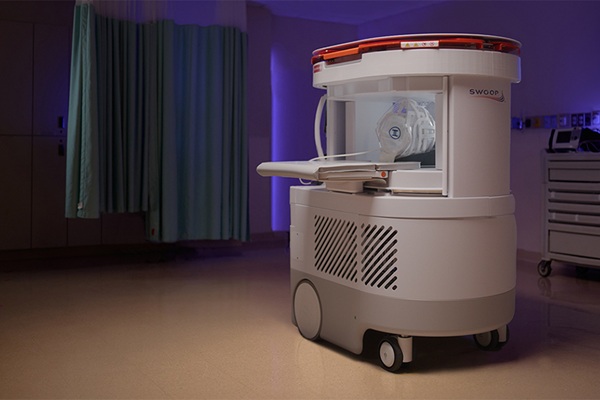
Portable MRI System Accelerates Emergency Brain Imaging and Triage
Emergency departments frequently face delays accessing conventional magnetic resonance imaging (MRI) for patients with suspected neurological emergencies. Such waits can slow triage, prolong boarding,... Read more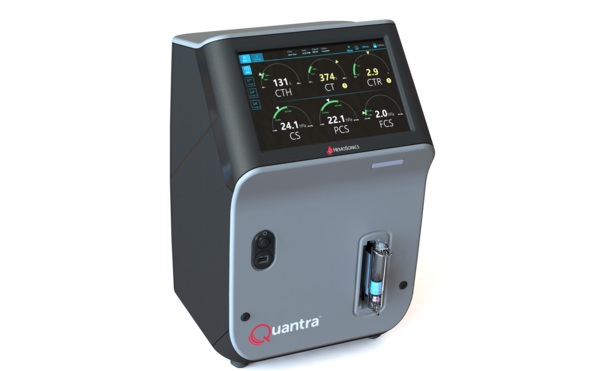
Point-of-Care Viscoelastic Testing System Supports Obstetric Bleeding Management
HemoSonics (Durham, NC, USA) announced on May 5, 2026 that the company's Quantra Hemostasis System for Obstetric Procedures won Silver in the 2026 Edison Awards in the Women’s Health and Reproductive Innovations... Read more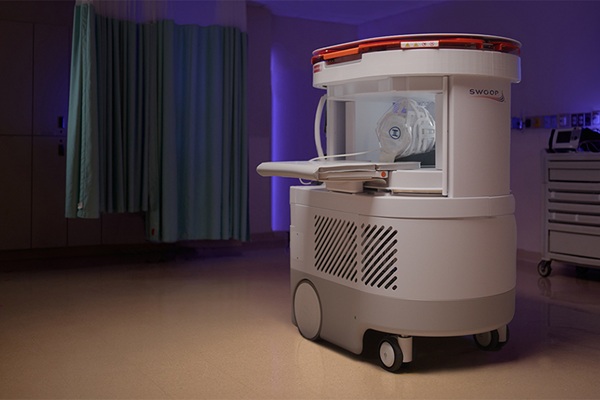

Business
view channel
Endologix Adds FDA-Cleared Peripheral Thrombectomy System
Endologix (Santa Rosa, CA, USA) has acquired the Pounce Thrombectomy System from Surmodics, with the transaction closing on May 18, 2026. The FDA-cleared system is indicated for the non-surgical removal... Read more