Novel Instrument Handle Facilitates Surgical Procedures
|
By HospiMedica International staff writers Posted on 06 Mar 2013 |


|
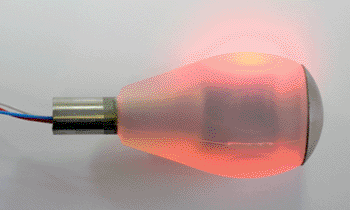
Image: The Fraunhofer instrument handle with integrated torsion LED indicator light (Photo courtesy of Fraunhofer IPA).
An innovative vulcanized instrument handle that visually indicates torque force will make precision surgeries easier to conduct.
Developed by researchers at the Fraunhofer Institute for Manufacturing Engineering and Automation (IPA, Stuttgart, Germany), and Weber Instrumente (Emmingen-Liptingen, Germany), the new instrument handle contains integrated electronic sensors that measure the applied force, providing the surgeon feedback during the procedure. Light emitting diodes (LEDs) embedded in transparent silicon sections of the handle flash to indicate that the optimal torsional moment has been reached. Future enhancements will include a wireless interface, so that the sensor data can be transmitted to a PC, thus allowing the surgical process to be documented.
The nine-centimeter handle is designed so that various surgical tools, such as screwdrivers or spreaders, can be screwed into it. All of the electronics—including the sensors, assessment, and LEDs—are installed in the handle, so that there is no split or seam present that would enable germs to penetrate and proliferate. Power is supplied and stored via an inductive charging process or a coil system. The instrument handle can be sterilized at 134 degrees Celsius, and since the electronics are switched off in the sterilization process, it can withstand the high temperatures undamaged.
“Previously, surgical instruments had no electronics inside; the heat would have rendered them inoperative,” said Christof Giers, a scientist at IPA, adding that “it is primarily the young, less experienced surgeons with little surgical practice who benefit the most from this technology.”
Related Links:
Fraunhofer Institute for Manufacturing Engineering and Automation
Weber Instrumente






Developed by researchers at the Fraunhofer Institute for Manufacturing Engineering and Automation (IPA, Stuttgart, Germany), and Weber Instrumente (Emmingen-Liptingen, Germany), the new instrument handle contains integrated electronic sensors that measure the applied force, providing the surgeon feedback during the procedure. Light emitting diodes (LEDs) embedded in transparent silicon sections of the handle flash to indicate that the optimal torsional moment has been reached. Future enhancements will include a wireless interface, so that the sensor data can be transmitted to a PC, thus allowing the surgical process to be documented.
The nine-centimeter handle is designed so that various surgical tools, such as screwdrivers or spreaders, can be screwed into it. All of the electronics—including the sensors, assessment, and LEDs—are installed in the handle, so that there is no split or seam present that would enable germs to penetrate and proliferate. Power is supplied and stored via an inductive charging process or a coil system. The instrument handle can be sterilized at 134 degrees Celsius, and since the electronics are switched off in the sterilization process, it can withstand the high temperatures undamaged.
“Previously, surgical instruments had no electronics inside; the heat would have rendered them inoperative,” said Christof Giers, a scientist at IPA, adding that “it is primarily the young, less experienced surgeons with little surgical practice who benefit the most from this technology.”
Related Links:
Fraunhofer Institute for Manufacturing Engineering and Automation
Weber Instrumente

Gold Member
12-Channel ECG
CM1200B
Gold Member
STI Test
Vivalytic Sexually Transmitted Infection (STI) Array
Multi-Chamber Washer-Disinfector
WD 390
Wound Irrigation Solution
Prontosan®
Latest Surgical Techniques News
- 3D Map of Heart Electrical Wiring Aims to Guide Congenital Heart Repair
- CE-Marked Ultrasonic Shears Streamline Breast and Thyroid Surgery
- Small Cryoprobe Outperforms Forceps in Lung Biopsy Trial
- Natural Bypass Score May Guide Care in Chronic Coronary Blockages
- Navigation Instruments Cleared for Posterior Cervical Fusion Procedures
- Bioengineered Heart Patch Improves Cardiac Function in Advanced Heart Failure
- Fracture Plating System Combines Anatomical Fit with Streamlined Instrumentation
- Surgical Robotic System Gains CE Mark for Minimally Invasive Procedures
- Pink Noise Stimulation Approach Could Support Safer Anesthesia
- BD Launches Elyra Laser Platform for Kidney Stone and Soft Tissue Procedures
- Anesthesia-Sparing System Targets Faster Ureteral Stone Treatment
- Stretchable Bioelectronic Implant Lowers Blood Pressure in Preclinical Study
- FDA-Cleared Nerve Stimulator Advances Intraoperative Peripheral Nerve Assessment
- Intravascular Lithotripsy Catheter Advances Treatment of Calcified Coronary Disease
- Handheld AI Endomicroscope Enables Real-Time Precancer Detection at Point of Care
- Photoacoustic Imaging System Maps Hidden Nerves and Vessels in Robotic Laparoscopy
Channels
Artificial Intelligence
view channel
AI Platform Supports Noninvasive Remote Hemodynamic Monitoring in Heart Failure
Heart failure remains a leading cause of hospitalization in adults over 65, affecting more than 6.7 million people in the U.S. Clinicians often lose visibility into hemodynamic deterioration once patients... Read more
AI Tool Predicts Unplanned Care and Symptom Burden in Cancer Survivors
Unplanned emergency visits and hospitalizations remain common in cancer survivorship, when routine clinical contact often tapers while new symptoms emerge. These events reflect unmet needs and disrupt... Read more

Critical Care
view channel
Smartphone Heart Rhythm App Reduces Unnecessary Cardioversion Procedures
Atrial fibrillation, an irregular and often rapid heart rhythm, is the most common arrhythmia in adults. Elective electrical cardioversion is frequently canceled on the day of treatment when patients revert... Read more
New Practice Guidance Supports Prostatic Artery Embolization for BPH Symptoms
Benign prostatic hyperplasia is a noncancerous enlargement of the prostate that can cause lower urinary tract symptoms and impair daily functioning. These symptoms erode sleep, productivity, and sexual... Read more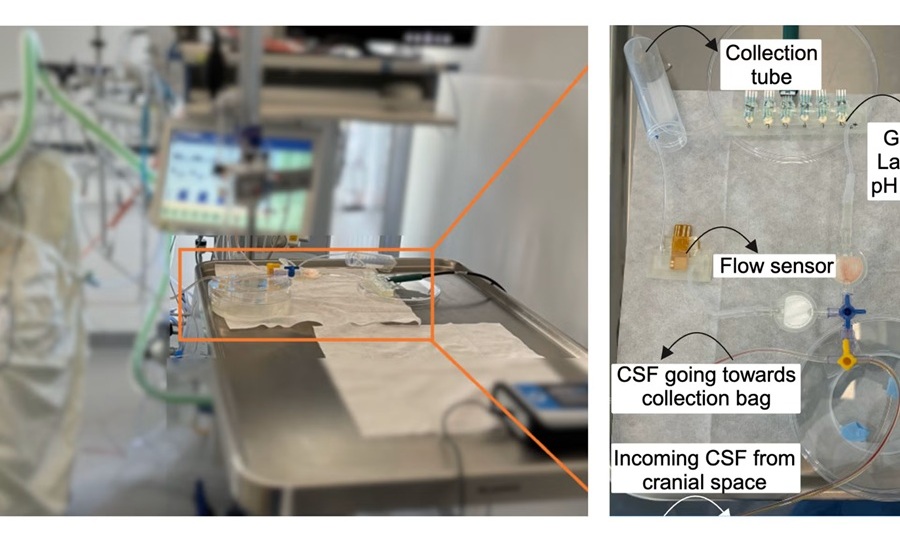
Bedside CSF Monitor Detects Early Infection in Fluid Drains
External drainage of cerebrospinal fluid (CSF) after traumatic brain injury, hydrocephalus, or hemorrhage carries a significant risk of infection. These infections can prolong intensive care, cause severe... Read more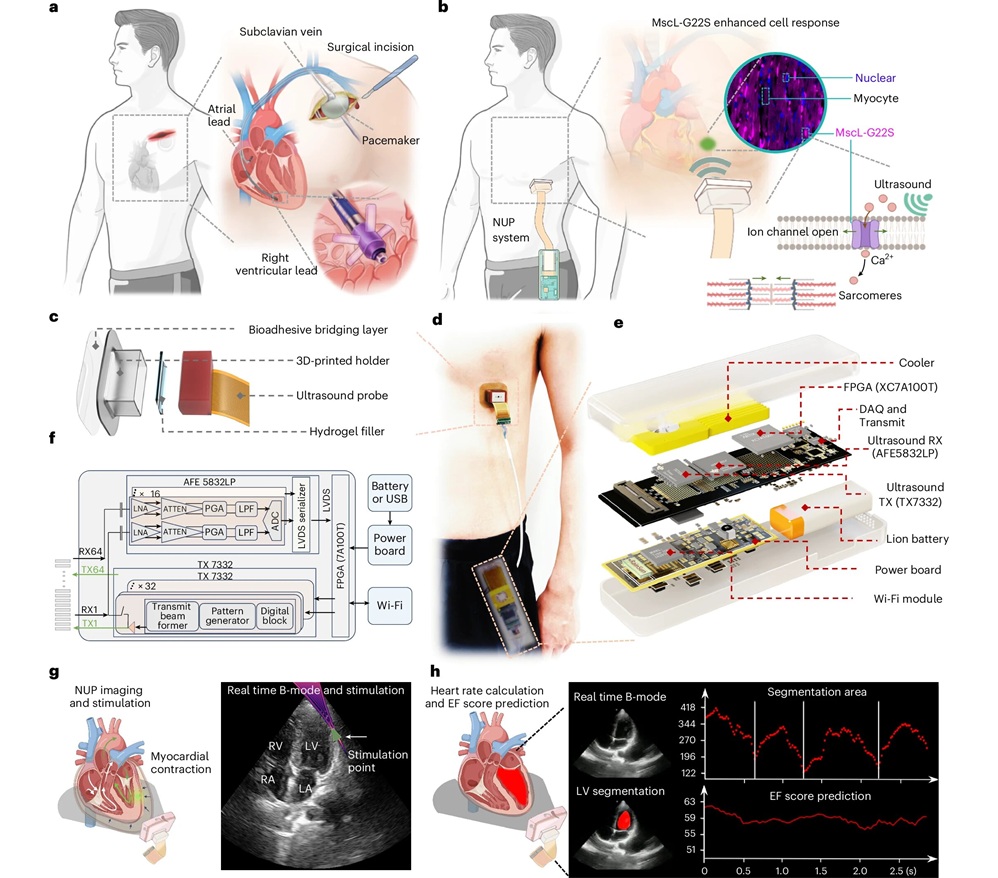
Wearable Ultrasound Patch Noninvasively Paces Heart to Stabilize Arrhythmias
Cardiac arrhythmias, including slow and irregular heart rhythms, often require pacemakers that are surgically implanted. While effective, implants carry procedural risks and long-term device maintenance burdens.... Read morePatient Care
view channel
AI Avatar Doctor Improves Patient Understanding Before Radiotherapy
Radiation oncology consultations require patients to grasp complex concepts quickly, yet anxiety and information overload often undermine understanding and informed consent. Poor comprehension can also... Read more
Wearable Sleep Data Predict Adherence to Pulmonary Rehabilitation
Chronic obstructive pulmonary disease (COPD) is a long-term lung disorder that makes breathing difficult and often disturbs sleep, reducing energy for daily activities. Limited engagement in pulmonary... Read more

Health IT
view channel
AI-Native EHR Achieves EU Medical Device Certification
InterSystems (Boston, MA, USA) announced that its IntelliCare electronic health record (EHR) solutions have been certified as Class IIa medical devices under the European Union Medical Device Regulation... Read more
EHR-Integrated Screening Workflow Detects Cognitive Impairment at Admission
Cognitive impairment involves difficulties with thinking, learning, memory, and decision-making, and is more common in older adults. In U.S. hospitals, more than 40% of admitted older adults have dementia,... Read more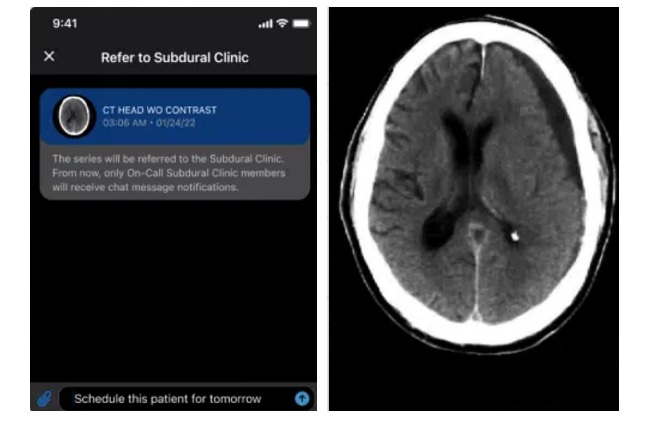

Point of Care
view channel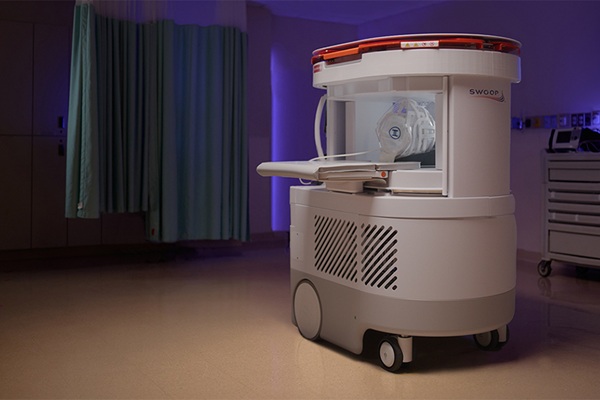
Portable MRI System Accelerates Emergency Brain Imaging and Triage
Emergency departments frequently face delays accessing conventional magnetic resonance imaging (MRI) for patients with suspected neurological emergencies. Such waits can slow triage, prolong boarding,... Read more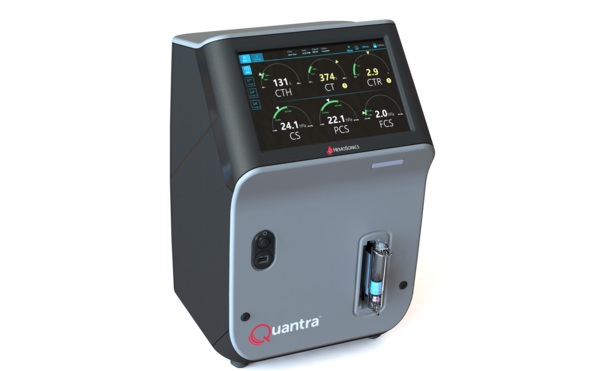
Point-of-Care Viscoelastic Testing System Supports Obstetric Bleeding Management
HemoSonics (Durham, NC, USA) announced on May 5, 2026 that the company's Quantra Hemostasis System for Obstetric Procedures won Silver in the 2026 Edison Awards in the Women’s Health and Reproductive Innovations... Read more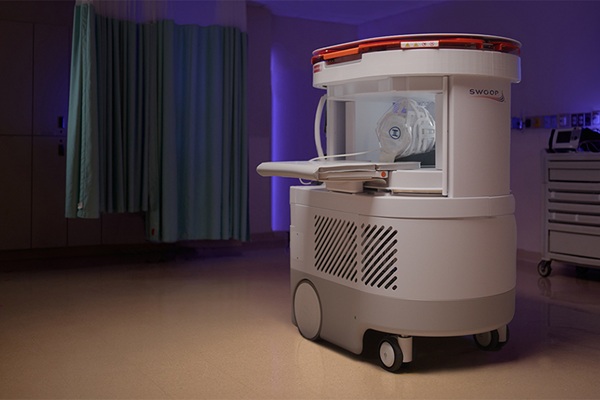

Business
view channel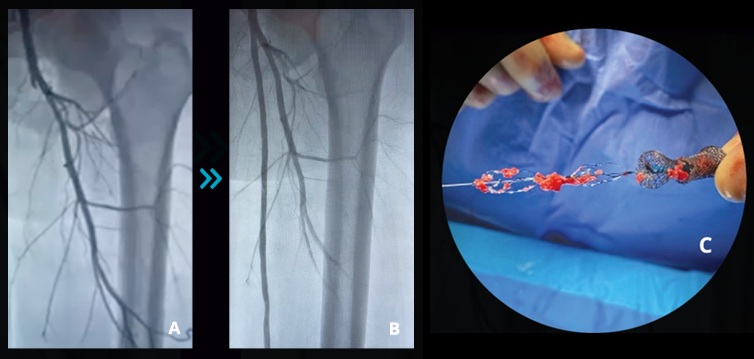
Endologix Adds FDA-Cleared Peripheral Thrombectomy System
Endologix (Santa Rosa, CA, USA) has acquired the Pounce Thrombectomy System from Surmodics, with the transaction closing on May 18, 2026. The FDA-cleared system is indicated for the non-surgical removal... Read more