CTI Acquires Mirada Solutions
|
By HospiMedica staff writers Posted on 12 Sep 2003 |


|
In a move to enhance the company's positron emission tomography (PET) systems, CTI Molecular Imaging, Inc. (Knoxville, TN, USA) has acquired Mirada Solutions Limited (Oxford, UK). Terms were not disclosed.
Mirada, a spinoff from Oxford University, is a developer of fusion software applications for medical imaging workstations. CTI plans to incorporate Mirada's image analysis and fusion software into all its PET scanner workstations, to enhance the analytical and diagnostic capabilities of its PET systems. Mirada has developed several products designed to provide better detection, diagnosis, and disease management through the application of image analysis software to medical images.
"We believe that we have acquired the best-in-class capability that will further distinguish our PET scanners in the marketplace,” said Terry Douglas, chairman and CEO of CTI. "With this acquisition, we not only offer the fastest scan time through our proprietary LSO technology, but we also provide the greatest level of PET image functionality for the clinician.”
Related Links:
CTI
Mirada





Mirada, a spinoff from Oxford University, is a developer of fusion software applications for medical imaging workstations. CTI plans to incorporate Mirada's image analysis and fusion software into all its PET scanner workstations, to enhance the analytical and diagnostic capabilities of its PET systems. Mirada has developed several products designed to provide better detection, diagnosis, and disease management through the application of image analysis software to medical images.
"We believe that we have acquired the best-in-class capability that will further distinguish our PET scanners in the marketplace,” said Terry Douglas, chairman and CEO of CTI. "With this acquisition, we not only offer the fastest scan time through our proprietary LSO technology, but we also provide the greatest level of PET image functionality for the clinician.”
Related Links:
CTI
Mirada

New
Gold Member
Breast Imaging Monitor
Barco Coronis Onelook MDMC-32133 32MP
Resorbable Bovine Collagen Membrane
GenDerm
Glucose Meter
StatStrip®
Latest Business News
- Smart Hospital Market Set for Strong Growth as Digital Healthcare Adoption Accelerates
- Teledyne to Acquire Varex Imaging in $1.1 Billion Deal
- MIMEDX to Add Sanara MedTech’s Regenerative Technologies Through $350 Million Deal
- AI Software Combines Nodule Detection and Diagnosis for Lung Cancer Screening
- AI Care Platform Adds Quantitative MRI Analysis for Multiple Sclerosis
- Danaher Completes Acquisition of Masimo to Expand Patient Monitoring Capabilities
- Endologix Adds FDA-Cleared Peripheral Thrombectomy System
- Artivion Adds FDA-Approved NEXUS System to Aortic Arch Portfolio
- Olympus Partnership Aims to Expand Access to Robot-Assisted Endoscopic Therapy
- Johnson & Johnson Launches AI-Driven Cardiac Mapping System
- Proximie Advances AI-Driven Intelligent Operating Rooms with NVIDIA Collaboration
- GE HealthCare, DeepHealth Expand AI Breast Imaging Collaboration
- Sinocare Presents AI-Driven Integrated Digital Health Solutions at CMEF
- GE HealthCare and Medtronic Expand Alliance with Intraoperative Imaging Integration
- New Partnership Advances Physical AI into Perioperative Workflows
- External Liver Assist System Receives FDA RMAT Designation
Channels
Artificial Intelligence
view channel
Contactless AI Tool Detects Hypertension and Diabetes from Facial Video
Hypertension and diabetes are widespread yet often undiagnosed, driving preventable cardiovascular morbidity and mortality. Screening typically depends on clinic visits or wearable devices, which can limit... Read more
AI Tool Predicts Post-Heart Attack Trajectories to Personalize Follow-Up
Acute myocardial infarction (heart attack) survivors often develop new comorbidities and complications that unfold over years. Predicting which patients will deteriorate and where problems will arise remains... Read more

Critical Care
view channel
AI Tool Predicts Bladder Cancer from Electronic Health Records
Bladder cancer causes substantial mortality and is often detected late because early symptoms can resemble benign urologic conditions. Reliance on visible hematuria and confirmatory cystoscopy may delay... Read more
New Multimodal Framework Targets Debilitating Form of Heart Failure
Heart failure with preserved ejection fraction (HFpEF) occurs when the left ventricle becomes stiff and thickened despite maintaining a normal ejection fraction. The condition is increasingly common with... Read more
Surgical Techniques
view channel
Robot-Assisted Surgery Shows Advantages Over Laparoscopy in Gastric Cancer
Gastric cancer is most often treated with surgery, yet minimally invasive techniques can be technically challenging. Laparoscopic gastrectomy reduces recovery time compared with open surgery but relies... Read more
New Implant-Based System Gains FDA Approval for GERD Treatment
Gastroesophageal reflux disease is often treated surgically with techniques that encircle the esophagus, a strategy associated with dysphagia, inability to belch or vomit, and gas bloating.... Read more
Patient Care
view channel
Multicenter Study Quantifies Delays in Care for Emergency Department Boarders
Emergency department (ED) boarding—the practice of keeping admitted patients in the ED while awaiting an inpatient bed—creates hazardous delays in definitive care. Prolonged transitions expose older and... Read more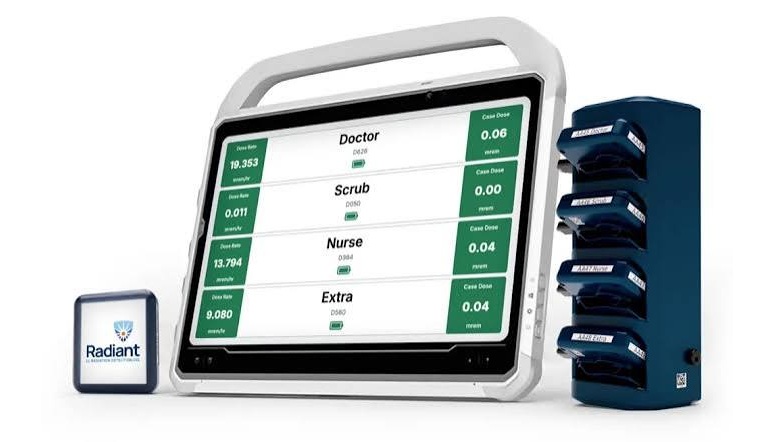
Real-Time Radiation Monitor Supports Safer Fluoroscopy-Guided Procedures
Fluoroscopy-guided procedures expose clinicians to scatter radiation that accumulates over time, creating persistent occupational risks in cath labs and interventional suites. Traditional badges typically... Read more

Medical Imaging
view channel
Study Links Thymus Radiation Dose to Poorer Outcomes in Lung Cancer
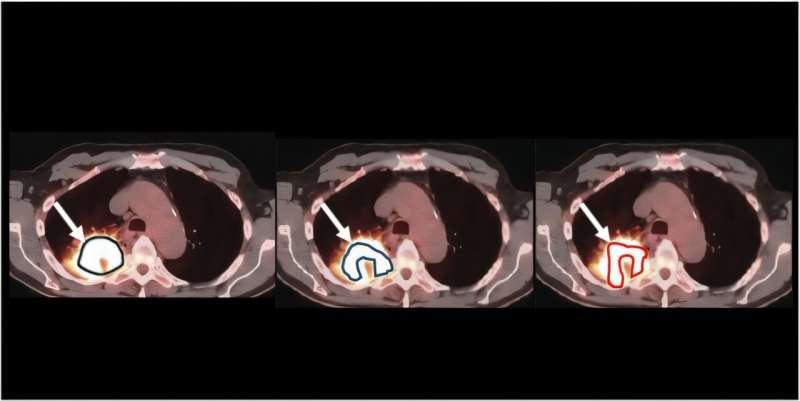
Collateral radiation to the thymus during therapy for non-small cell lung cancer (NSCLC) may compromise antitumor immunity and disease control. The thymus is a small immune organ in the upper chest that... Read more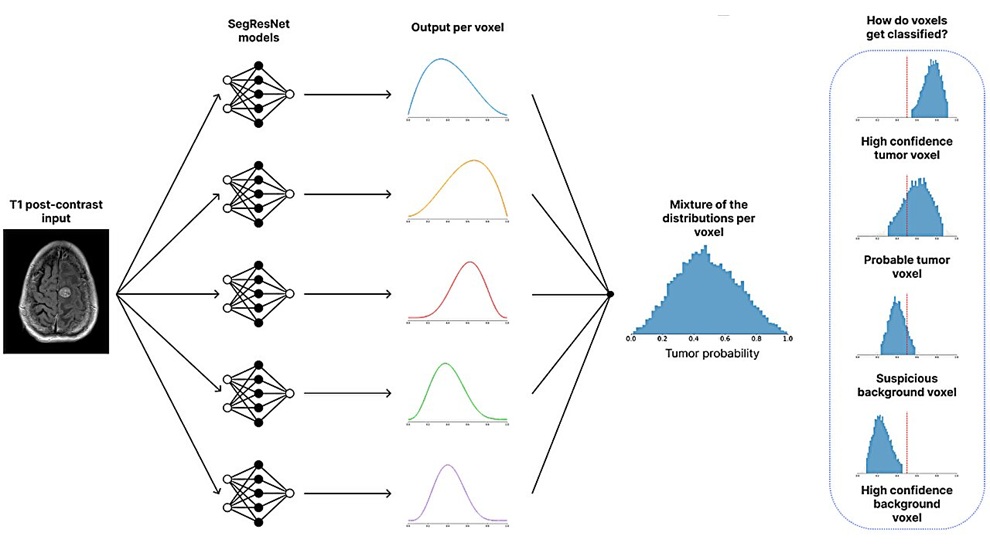
Automated AI Tool Enables Uncertainty-Aware Meningioma Volume Tracking on MRI
Magnetic resonance imaging (MRI) guides diagnosis and monitoring in brain tumors, yet routine measurements often rely on subjective reads or simplified two-dimensional calculations. These methods can miss... Read more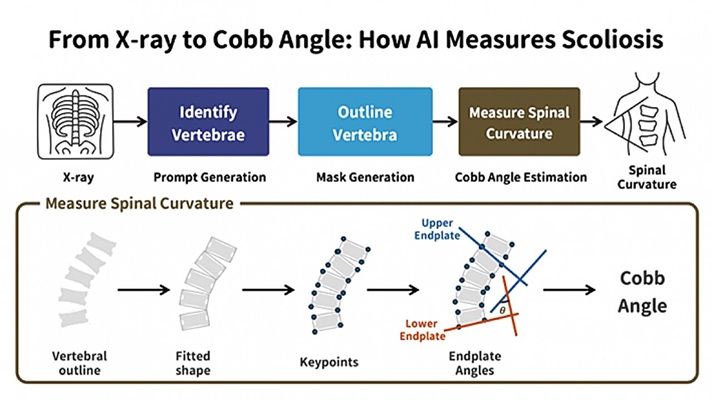
Health IT
view channel
Imaging Tool Quantifies Calcinosis Cutis Volume to Monitor Treatment
Calcinosis cutis involves calcium deposits in the skin or soft tissues that can develop anywhere in the body, causing pain, impaired mobility, and disability. Lesions along the spine or buttocks can make... Read more
Digital Symptom Monitoring Supports More Personalized Breast Cancer Care
Metastatic breast cancer, in which tumors spread to other organs, is incurable but increasingly managed with modern systemic therapies. As more treatments shift from hospital infusions to oral or at-home... Read more

Point of Care
view channel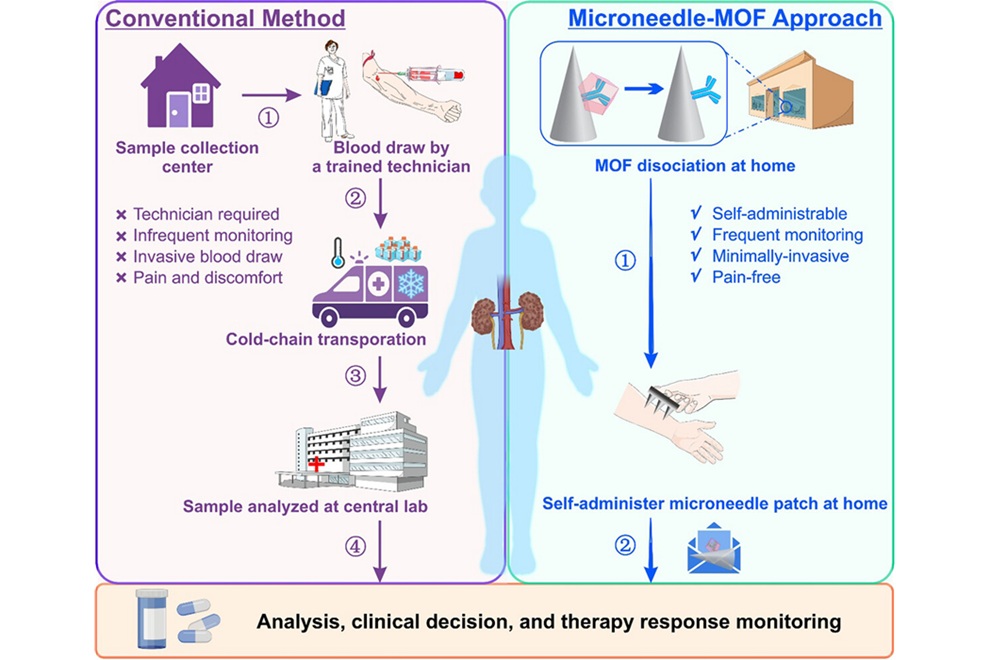
Microneedle Patch Enables At-Home Monitoring of Acute Kidney Injury
Kidney disease is often silent in its early stages, making timely detection difficult outside clinical settings. Early biomarkers such as neutrophil gelatinase–associated lipocalin can require blood draws... Read more