Toshiba Announces PET Distribution Agreement
|
By HospiMedica staff writers Posted on 11 Nov 2003 |


|
Under the terms of a distribution agreement, Toshiba Medical Systems Corp. (Tokyo, Japan; www.toshiba.com) will distribute in Japan certain positron emission tomography (PET) products of CPS Innovations, the trade name for CTI Systems, Inc., a joint venture of CTI Molecular Imaging, Inc. (Knoxville, TN, USA) and Siemens Medical Solutions USA, Inc. (Malvern, PA, USA).
The PET systems to be distributed by Toshiba will feature the LSO FastPET technology of CPS and will be supported by Toshiba's customer service force. This technology allows for much faster scanning times than predecessor technologies and is well suited for clinical applications in Japan, because its physical characteristics maximize image quality at the lowest possible dose level.
"We will be able to provide our customers in Japan with the highest diagnostic performance by combining the CPS PET systems and our specialized applications technology cultivated with our SPECT technology,” said Kenichiro Katsumata, senior vice president, Toshiba Medical Systems Corp.
Related Links:
Toshiba Med. Systems
CTI
Siemens Med. Solutions USA





The PET systems to be distributed by Toshiba will feature the LSO FastPET technology of CPS and will be supported by Toshiba's customer service force. This technology allows for much faster scanning times than predecessor technologies and is well suited for clinical applications in Japan, because its physical characteristics maximize image quality at the lowest possible dose level.
"We will be able to provide our customers in Japan with the highest diagnostic performance by combining the CPS PET systems and our specialized applications technology cultivated with our SPECT technology,” said Kenichiro Katsumata, senior vice president, Toshiba Medical Systems Corp.
Related Links:
Toshiba Med. Systems
CTI
Siemens Med. Solutions USA

Gold Member
SARS‑CoV‑2/Flu A/Flu B/RSV Sample-To-Answer Test
SARS‑CoV‑2/Flu A/Flu B/RSV Cartridge (CE-IVD)
Gold Member
Blood Gas Analyzer
i-Check200
Monitor/Defibrillator
Zenix
Medical Adhesive
MED 5570U
Latest Business News
- Terumo Neuro Acquisition Advances Liquid Embolic Technology for Chronic Subdural Hematoma
- World Health Expo to Showcase Trillion-Dollar Growth Across Pharma, Biotech, Longevity and Wellness at 2027 Edition
- Medtronic Receives FDA Clearance for Vessel-Sealing Instrument for Robotic Surgery
- Robotic Single-Port System Gains CE Mark for Transvaginal Gynecologic Procedures
- Smartphone-Integrated Epinephrine Auto-Injector Concept Wins Red Dot Design Award
- Partnership Advances AI Tool for Predicting Malignant Cerebral Edema
- First U.S. Commercial Cases Demonstrate New Approach to Transseptal Access
- Philips and Imricor Collaboration Advances MRI-Guided Cardiac Procedures
- FDA Approval Clears Path for BCI Integration with Personal Computing Devices
- Abbott LAA Occluder Gains CE Mark for AFib Stroke Risk Reduction
- Smart Hospital Market Set for Strong Growth as Digital Healthcare Adoption Accelerates
- FDA Seeks Feedback on Regulating Generative AI Medical Devices
- Teledyne to Acquire Varex Imaging in $1.1 Billion Deal
- MIMEDX to Add Sanara MedTech’s Regenerative Technologies Through $350 Million Deal
- AI Software Combines Nodule Detection and Diagnosis for Lung Cancer Screening
- AI Care Platform Adds Quantitative MRI Analysis for Multiple Sclerosis
Channels
Artificial Intelligence
view channel
Optical Imaging System Helps Predict Chemotherapy Response in Cancer
Selecting chemotherapy can be difficult because tumors from different patients may respond differently to the same drug. Testing treatment effects directly on living tumor tissue could help clinicians... Read more
AI Tool Predicts Long-Term Cardiovascular Risk from Sleep Study ECG
Sleep disorders such as insomnia and obstructive sleep apnea are established cardiovascular risk factors and are commonly evaluated with overnight polysomnography. These studies routinely record electrocardiogram... Read more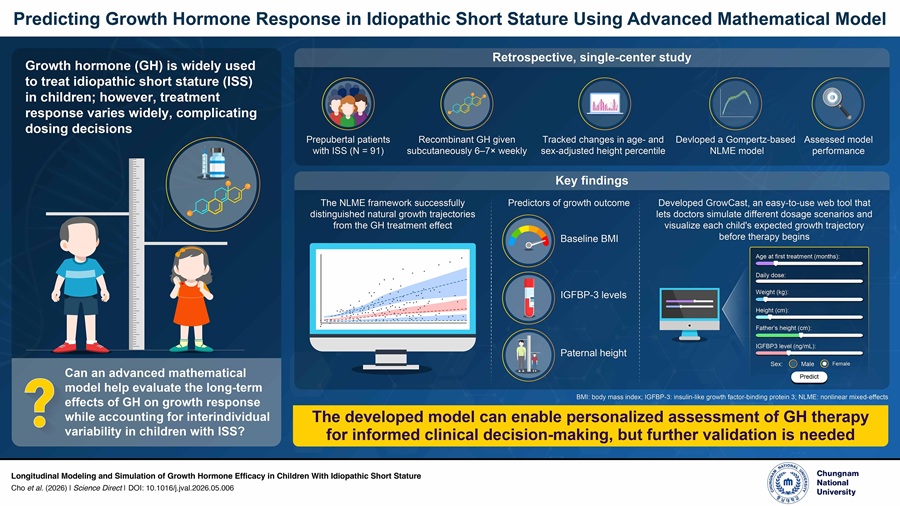
Predictive Model Supports Growth Hormone Treatment Planning in Idiopathic Short Stature
Idiopathic short stature (ISS) describes children whose height is substantially below the expected range for age and sex without an identifiable medical cause. Recombinant growth hormone therapy can support... Read more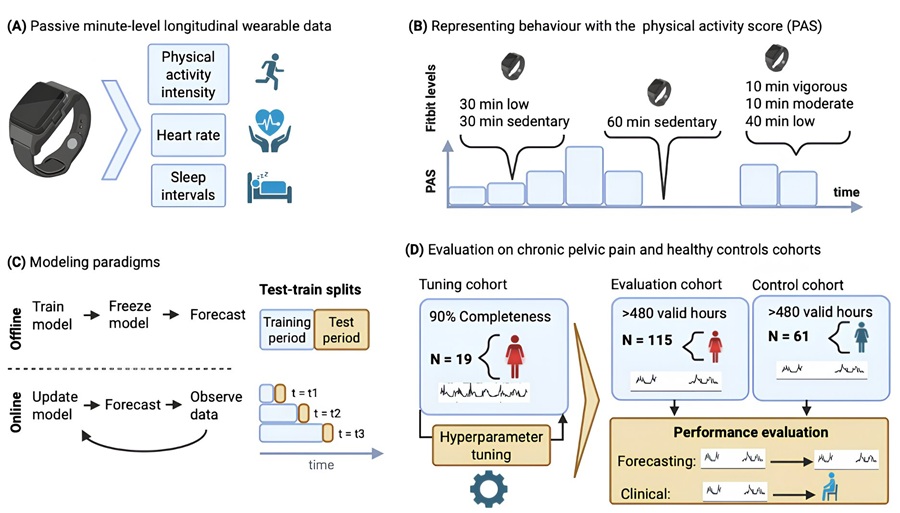
Critical Care
view channel
Proposed Risk Score Prioritizes Sickest Patients for Heart Transplant
Donor hearts remain extremely scarce in the U.S. transplant system, with one in five candidates dying or being removed from the waiting list before receiving an organ. Current allocation rules may also... Read more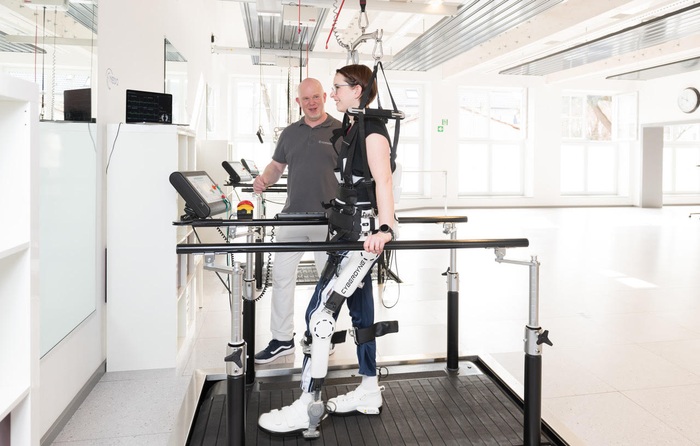
Wearable Robotic Gait Training Linked to Improved Walking Distance in ALS
Amyotrophic lateral sclerosis (ALS) is a progressive neuromuscular disease that damages nerve cells controlling voluntary muscles. As the disease advances, patients can lose the ability to walk, speak,... Read more
Surgical Techniques
view channel
New Surgical Technique Enlarges Aortic Root for Larger Valve Implantation
When replacing a diseased aortic valve, a small aortic root can prevent surgeons from implanting a prosthesis large enough for the patient’s body size. This can lead to patient-prosthesis mismatch, causing... Read more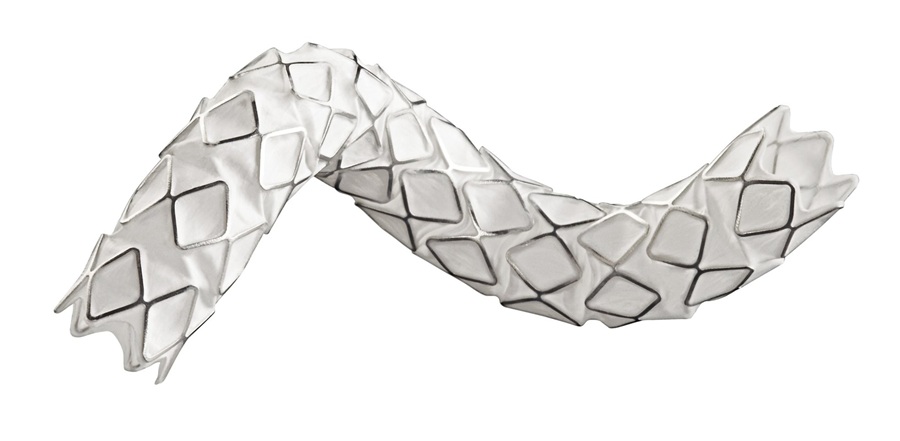
FDA Approval Expands Bridging Stent Use in Complex Aortic Aneurysm Repair
Complex aortic aneurysms are increasingly treated with fenestrated and branched endovascular aortic repair, which rely on bridging stents to maintain blood flow to visceral arteries. These complex procedures... Read more
Patient Care
view channel
AI Platform Personalizes Support Between Visits for Cancer Survivors
Cancer survivors often manage persistent side effects after treatment, including fatigue, anxiety, uncertainty, symptoms, stress, and questions between appointments. Clinical teams need ways to maintain... Read more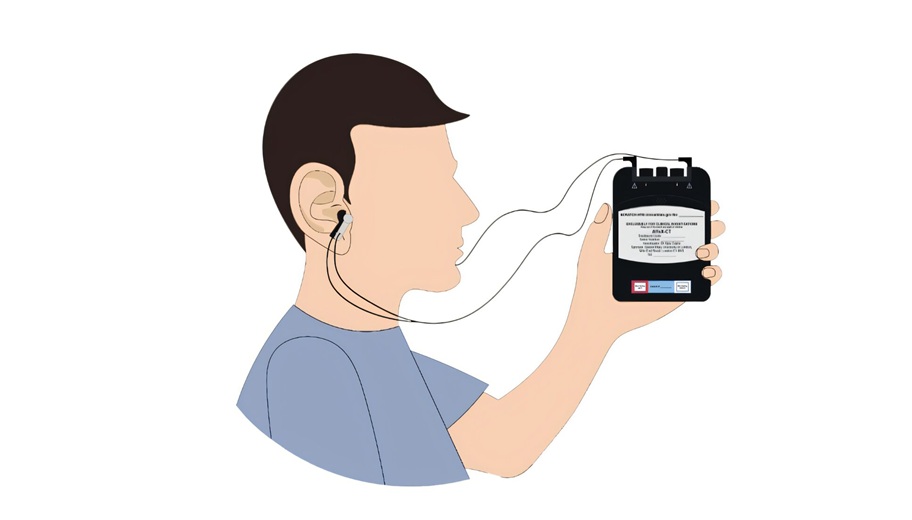
At-Home Neuromodulation Shows Promise in Selected Patients With Hypertension
High blood pressure is a major risk factor for cardiovascular disease, including heart attack and stroke. Many patients receiving treatment for hypertension still remain above recommended blood pressure... Read more
EHR Model Flags High-Risk Periods in Patients with Metastatic Breast Cancer
Determining when patients with metastatic breast cancer are nearing the end of life remains difficult, often leading to intensive interventions with limited benefit. Prognostic uncertainty can delay goals-of-care... Read more
Medical Imaging
view channel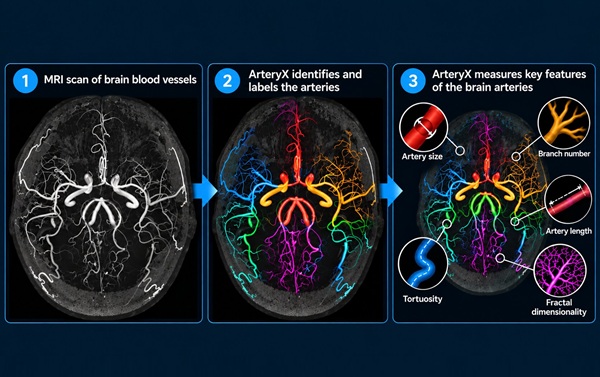
MRI Tool Analysis Identifies Vascular Differences in Cerebral Small Vessel Disease
Cerebral small vessel disease (CSVD) involves changes or damage to the brain’s small blood vessels and is associated with stroke and cognitive impairment. Magnetic resonance imaging (MRI) can show cerebral... Read more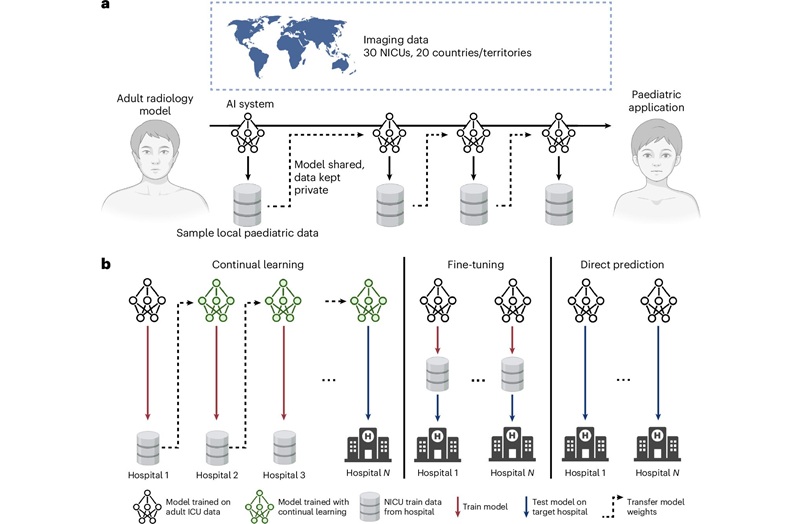
Privacy-Preserving Learning Model Adapts Adult Radiology AI for Neonatal Care
Artificial intelligence models may support radiology image interpretation, yet pediatric and neonatal care remain underserved. Privacy restrictions limit access to children’s medical records, and pediatric... Read more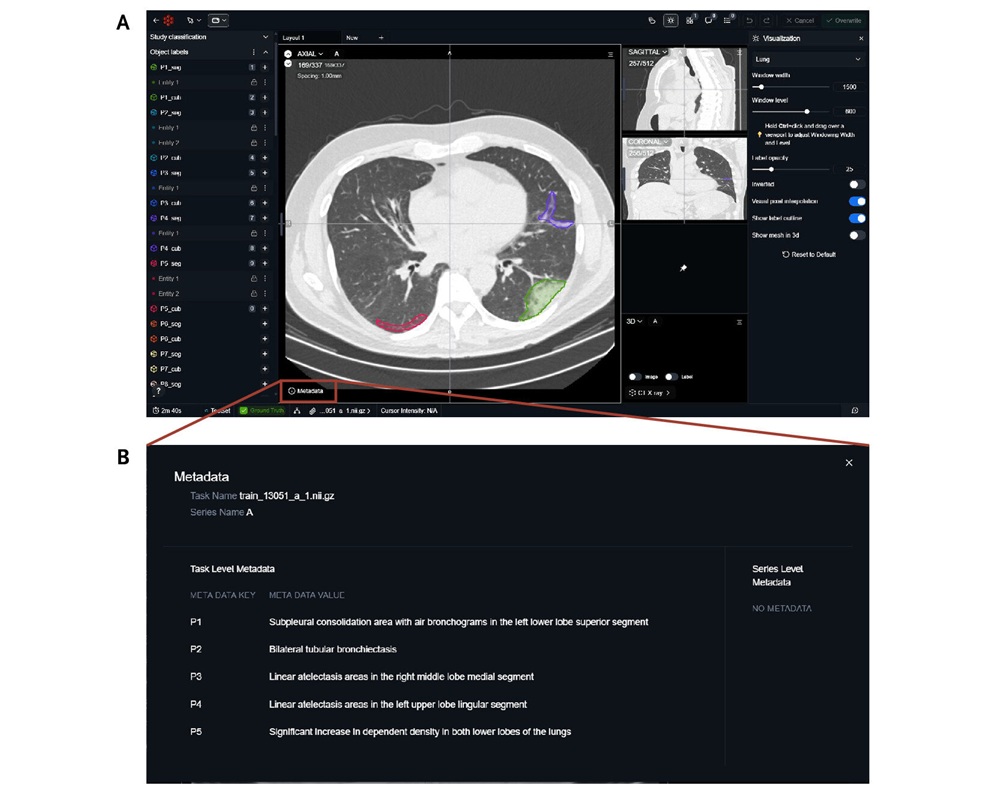
Public Chest CT Dataset Supports Explainable AI in Diagnostic Radiology
Chest computed tomography scans generate complex three-dimensional images that can be difficult for artificial intelligence systems to explain clearly. Clinicians need to verify AI findings before using... Read more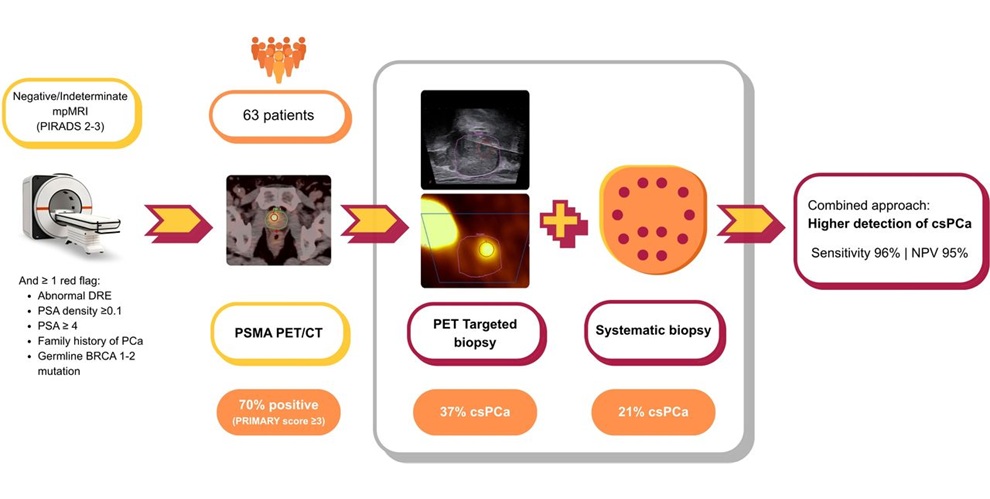
PSMA PET/CT-Guided Biopsy Improves Detection of Significant Prostate Cancer After Nondiagnostic MRI
Prostate cancer can be difficult to detect when magnetic resonance imaging (MRI) findings are negative or inconclusive. Men with persistent clinical risk factors may still require biopsy, yet standard... Read moreHealth IT
view channel
EHR Alerts Support Dosing, Sedation, and Shock Recognition in Cardiac Care
Electronic health record alerts can add to clinician workload when they are poorly targeted. In critical cardiac care, however, delayed decisions can affect treatment timing, sedation exposure, and escalation... Read more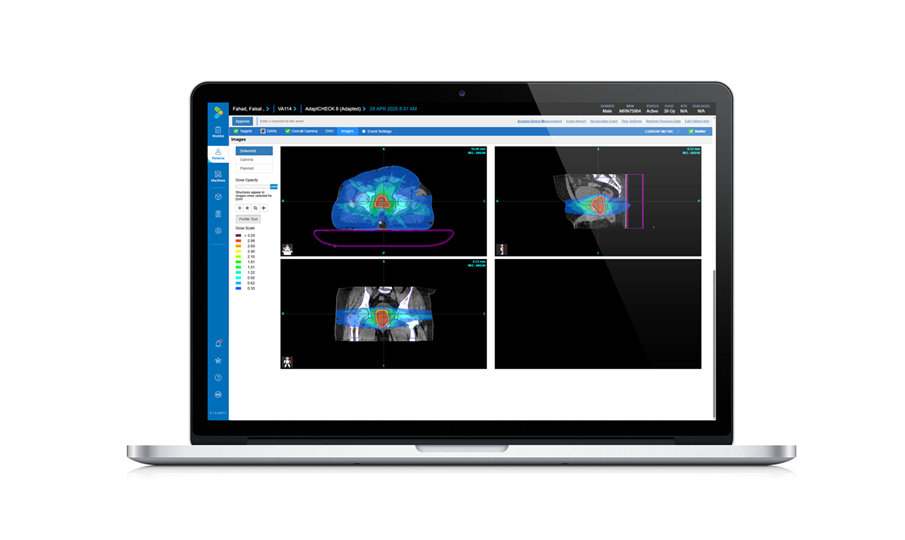
Adaptive Radiation QA Software Gains Validation for NeoArc Treatments
Adaptive radiation therapy allows clinicians to adjust treatment plans to daily anatomical changes such as tumor shrinkage, weight loss, or organ movement, improving precision while limiting exposure to... Read more

Point of Care
view channel
Continuous Glucose Monitoring Identifies Cardiometabolic Risk in Adults Without Diabetes
Dysglycemia—abnormal blood glucose regulation—can fluctuate throughout the day and often escape conventional screening. Clinicians typically rely on fasting plasma glucose and hemoglobin A1c, which offer... Read more