iCAD to Merge with CADx and Qualia Computing
|
By HospiMedica staff writers Posted on 15 Dec 2003 |


|
An agreement has been announced whereby iCAD, Inc. (Nashua, NH, USA; www.icad.med.com) will merge with privately held CADx (Beavercreek, OH, USA) and Qualia Computing, Inc. (also in Beavercreek). Currently, the companies are working on a joint and coordinated basis.
The combination of iCAD and CADx represents a merger of two growing computer-aided detection (CAD) companies with complementary strengths and minimal duplication of activities. iCAD and CADx have installed more than 300 CAD systems for the early detection of breast cancer. CADx anticipates profitable operations in the fourth quarter of 2003 and in 2004, while iCAD has projected profitable operations for 2004. To complete the merger, iCAD will issue 4.3 million shares of its common stock in exchange for all outstanding shares of Qualia Computing, Inc. and CADx System, Inc. In addition, iCAD will pay U.S.$1.55 million in cash and execute a 36-month promissory note in the amount of $4.5 million to purchase Qualia shares owned by two institutional investors. CADx will operate as an independent subsidiary of iCAD, Inc.
"The benefits of this merger for CADx and its customers include access to iCAD's new iQ technology, which allows all women's healthcare facilities, regardless of size, to offer CAD solutions to women at risk,” said Dr. Steven Rogers, president and CEO of CADx and Qualia Computing.
Related Links:
ICAD
CADx
Qualia Computing




The combination of iCAD and CADx represents a merger of two growing computer-aided detection (CAD) companies with complementary strengths and minimal duplication of activities. iCAD and CADx have installed more than 300 CAD systems for the early detection of breast cancer. CADx anticipates profitable operations in the fourth quarter of 2003 and in 2004, while iCAD has projected profitable operations for 2004. To complete the merger, iCAD will issue 4.3 million shares of its common stock in exchange for all outstanding shares of Qualia Computing, Inc. and CADx System, Inc. In addition, iCAD will pay U.S.$1.55 million in cash and execute a 36-month promissory note in the amount of $4.5 million to purchase Qualia shares owned by two institutional investors. CADx will operate as an independent subsidiary of iCAD, Inc.
"The benefits of this merger for CADx and its customers include access to iCAD's new iQ technology, which allows all women's healthcare facilities, regardless of size, to offer CAD solutions to women at risk,” said Dr. Steven Rogers, president and CEO of CADx and Qualia Computing.
Related Links:
ICAD
CADx
Qualia Computing

Gold Member
SARS‑CoV‑2/Flu A/Flu B/RSV Sample-To-Answer Test
SARS‑CoV‑2/Flu A/Flu B/RSV Cartridge (CE-IVD)
Monitor/Defibrillator
Zenix
Patient Monitoring System
AlarmSense
Latest Business News
- Steris to Expand Surgical Safety Portfolio With $2.1 Billion Xodus Medical Deal
- Stryker Enters Soft-Tissue Robotics Through Strategic Alliance With CMR Surgical
- Terumo Neuro Acquisition Advances Liquid Embolic Technology for Chronic Subdural Hematoma
- World Health Expo to Showcase Trillion-Dollar Growth Across Pharma, Biotech, Longevity and Wellness at 2027 Edition
- Medtronic Receives FDA Clearance for Vessel-Sealing Instrument for Robotic Surgery
- Robotic Single-Port System Gains CE Mark for Transvaginal Gynecologic Procedures
- Smartphone-Integrated Epinephrine Auto-Injector Concept Wins Red Dot Design Award
- Partnership Advances AI Tool for Predicting Malignant Cerebral Edema
- First U.S. Commercial Cases Demonstrate New Approach to Transseptal Access
- Philips and Imricor Collaboration Advances MRI-Guided Cardiac Procedures
- FDA Approval Clears Path for BCI Integration with Personal Computing Devices
- Abbott LAA Occluder Gains CE Mark for AFib Stroke Risk Reduction
- Smart Hospital Market Set for Strong Growth as Digital Healthcare Adoption Accelerates
- FDA Seeks Feedback on Regulating Generative AI Medical Devices
- Teledyne to Acquire Varex Imaging in $1.1 Billion Deal
- MIMEDX to Add Sanara MedTech’s Regenerative Technologies Through $350 Million Deal
Channels
Artificial Intelligence
view channel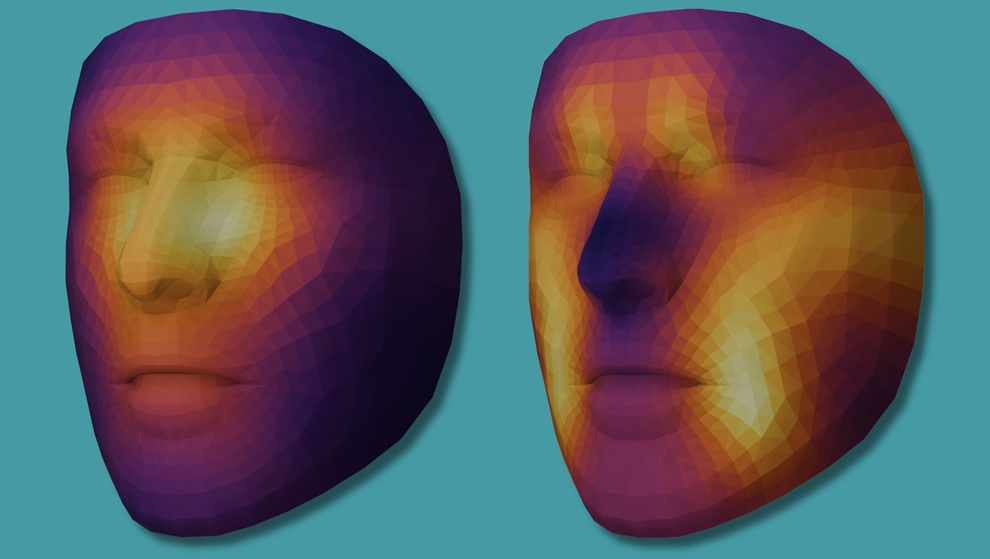
AI Tool Predicts Cancer Survival and Biological Age from Single Facial Photo
Assessing frailty and physiologic reserve remains challenging when clinicians consider intensive cancer treatment. Chronological age alone may not reflect how well a patient can tolerate radiation, surgery,... Read more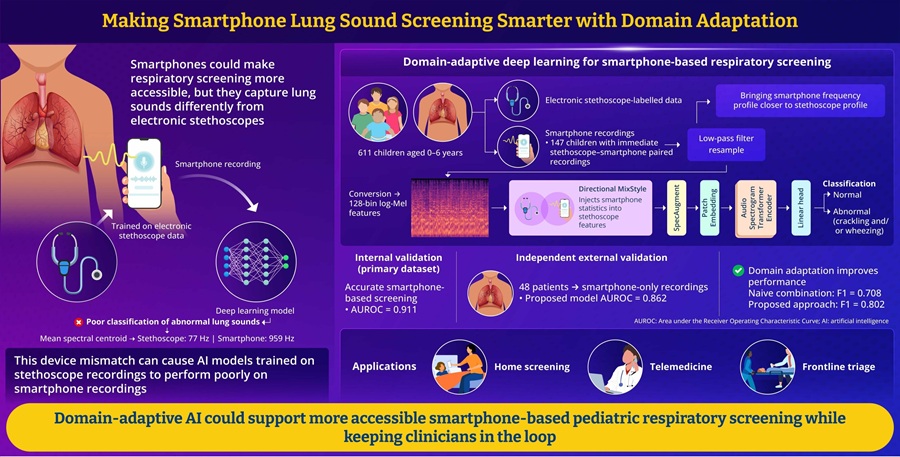
AI Tool Improves Smartphone Detection of Abnormal Pediatric Lung Sounds
Respiratory disease in children remains a major clinical concern worldwide. Abnormal lung sounds can indicate pediatric respiratory illness, but standard auscultation usually requires an in-person examination... Read more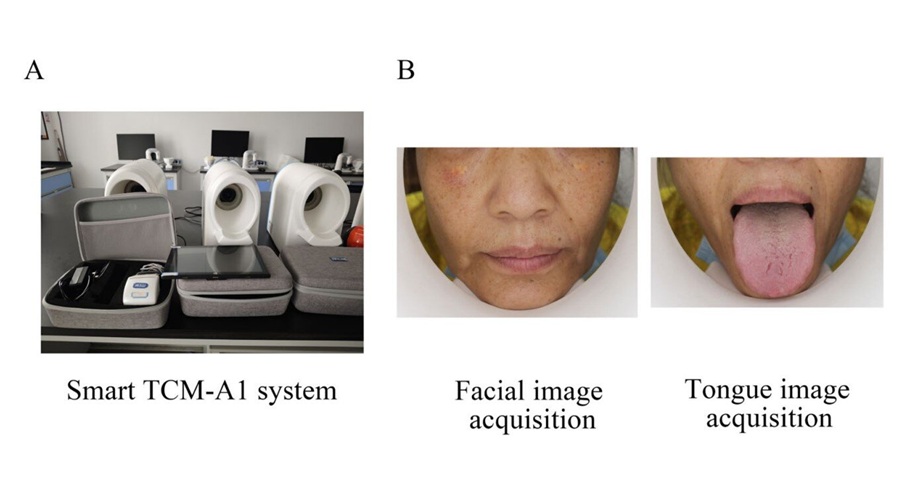

Critical Care
view channel
Noninvasive Brain-Computer Interface Enables Responses in Some Unresponsive ICU Patients
Cognitive motor dissociation occurs when patients retain signs of consciousness but cannot move or speak to communicate. In the ICU, this hidden consciousness can be difficult to distinguish from coma... Read more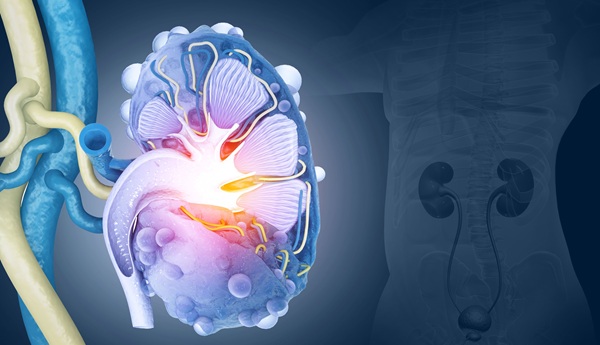
Real-Time Data Platform Supports Precision Care in Polycystic Kidney Disease
Autosomal dominant polycystic kidney disease, the most common genetic kidney disorder, affects more than 7 million people worldwide. Although hospitals generate extensive clinical data on these patients,... Read more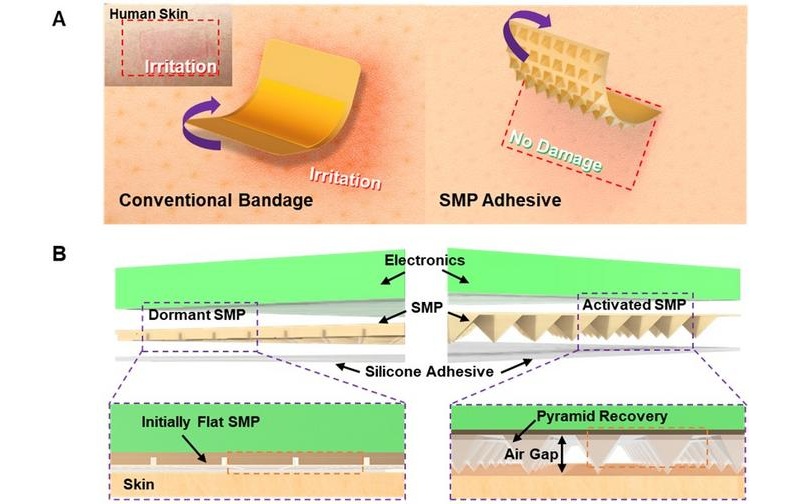
Smart Medical Adhesive Patch Uses Heat to Enable Gentle Removal
Medical adhesive-related skin injury (MARSI) is a persistent concern for neonates, older adults, critically ill patients, and others requiring repeated monitoring. Strong adhesives keep sensors securely... Read more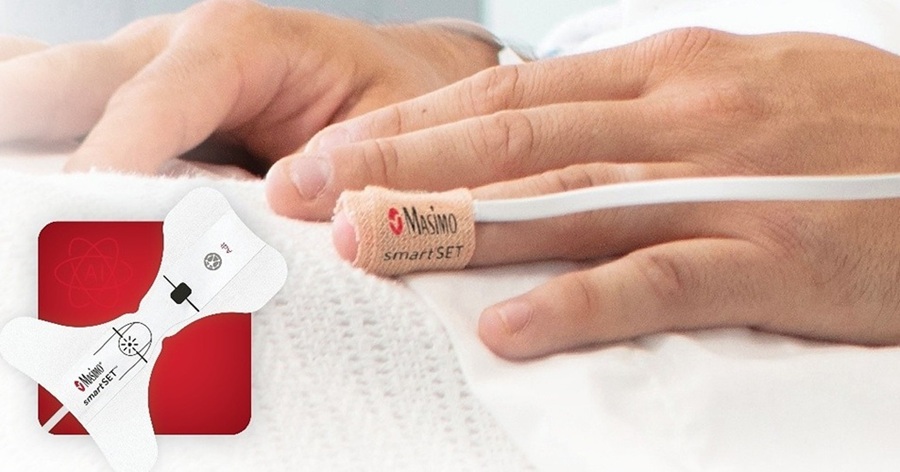
Smart Pulse Oximetry Supports Earlier Recognition of Arrhythmias and Respiratory Risk
On general care floors, respiratory compromise and arrhythmias can develop between routine checks. Atrial fibrillation often goes undiagnosed in older adults, while opioid-induced respiratory depression... Read moreSurgical Techniques
view channel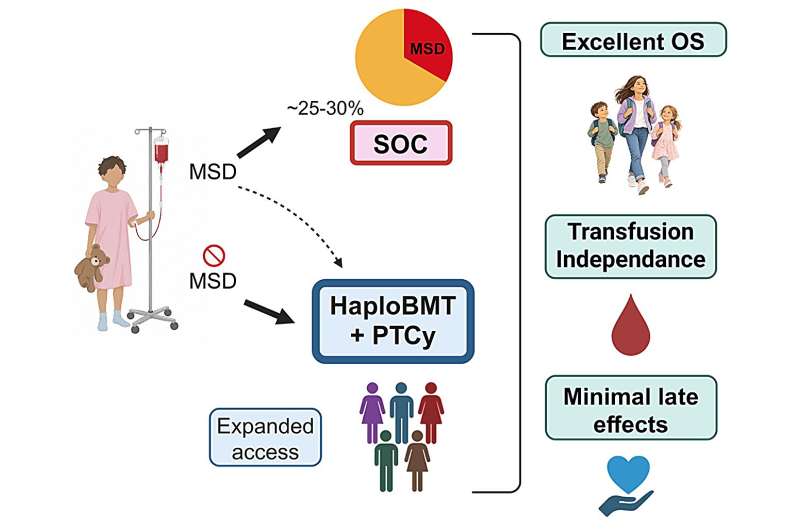
Half-Matched Family Donors Could Expand Transplant Access for Severe Aplastic Anemia
Severe aplastic anemia is a rare, life-threatening disorder in which the bone marrow fails to produce enough healthy blood cells, leaving children and young adults vulnerable to anemia, infection, and bleeding.... Read more
Transcatheter Repair System Gains FDA Approval for Severe Tricuspid Regurgitation
Managing symptomatic severe tricuspid regurgitation can be difficult when patients remain symptomatic despite optimal medical therapy and face intermediate or greater surgical risk. For these patients,... Read more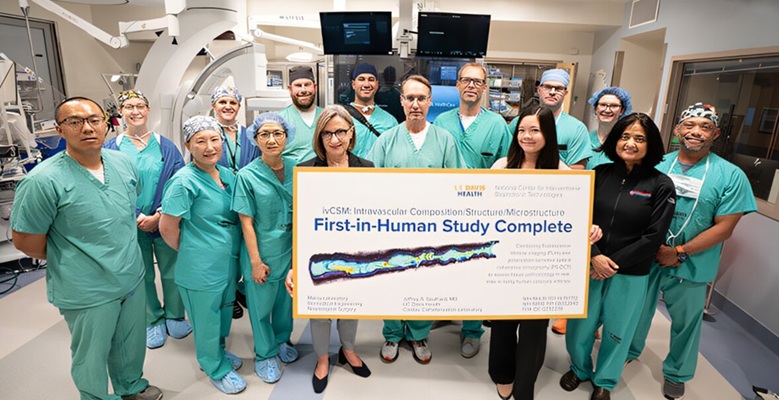
Dual-Imaging Catheter Completes Initial Human Evaluation of Coronary Plaque
Atherosclerosis involves plaque buildup in arterial walls that can narrow blood vessels and increase the risk of heart attack, stroke, and other serious cardiovascular conditions. In coronary arteries,... Read more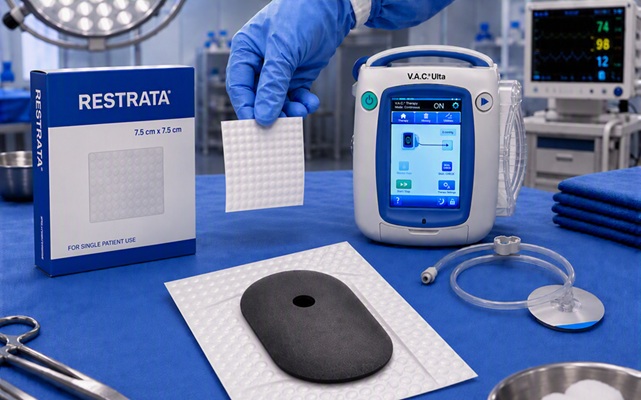
Combined Wound Healing Approach Pairs Synthetic Scaffold With Negative Pressure Therapy
Managing complex wounds requires both structural support for tissue repair and a controlled environment that protects the healing process. Frequent dressing changes can disrupt the wound bed and add complexity... Read morePatient Care
view channel
Total-Body PET/CT Scanner Enables One-Minute Diagnostic-Quality Cancer Imaging
Positron emission tomography/computed tomography (PET/CT) combines radiotracer-based functional imaging with anatomical detail to diagnose, stage, and monitor cancer. Conventional scanners image the body... Read more
AI Platform Personalizes Support Between Visits for Cancer Survivors
Cancer survivors often manage persistent side effects after treatment, including fatigue, anxiety, uncertainty, symptoms, stress, and questions between appointments. Clinical teams need ways to maintain... Read more
At-Home Neuromodulation Shows Promise in Selected Patients With Hypertension
High blood pressure is a major risk factor for cardiovascular disease, including heart attack and stroke. Many patients receiving treatment for hypertension still remain above recommended blood pressure... Read more
EHR Model Flags High-Risk Periods in Patients with Metastatic Breast Cancer
Determining when patients with metastatic breast cancer are nearing the end of life remains difficult, often leading to intensive interventions with limited benefit. Prognostic uncertainty can delay goals-of-care... Read moreMedical Imaging
view channel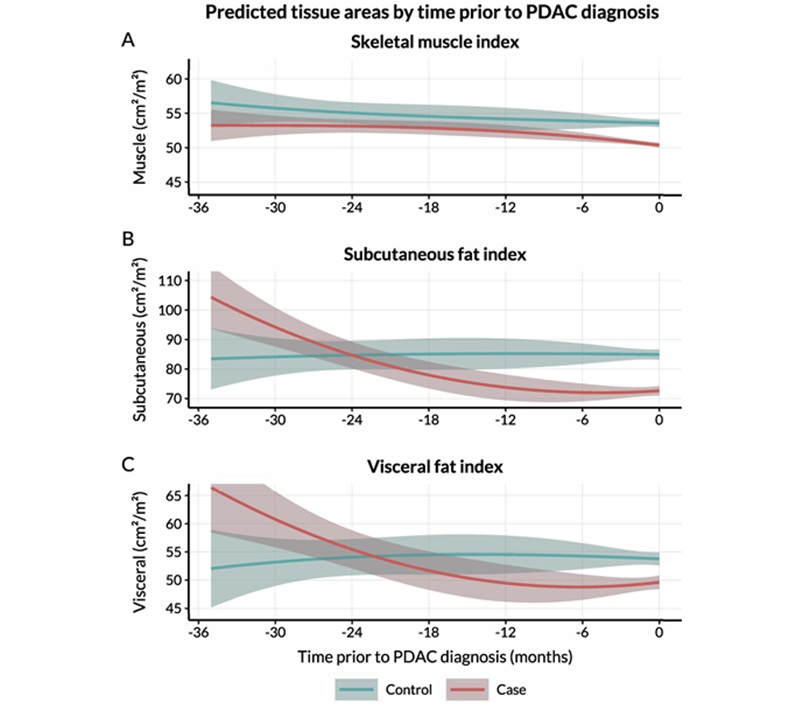
Routine CT Body Composition Tool Helps Identify Early Pancreatic Cancer Risk
Pancreatic ductal adenocarcinoma (PDAC), the most common type of pancreatic cancer, often goes undetected until it has spread. Surveillance programs primarily target people with inherited genetic risk... Read more
AI Tool Improves Fetal MRI for Brain Abnormality Diagnosis
Fetal brain abnormalities can be difficult to diagnose before birth when fetal motion reduces imaging quality. Routine ultrasound may flag a possible abnormality, prompting follow-up fetal MRI, but head... Read more
AI Model Detects Hidden Disease Signals in Routine CT Scans
Computed tomography (CT) scans are often performed to answer a specific diagnostic question, which can leave other potentially important findings outside the immediate clinical focus. As a result, opportunities... Read more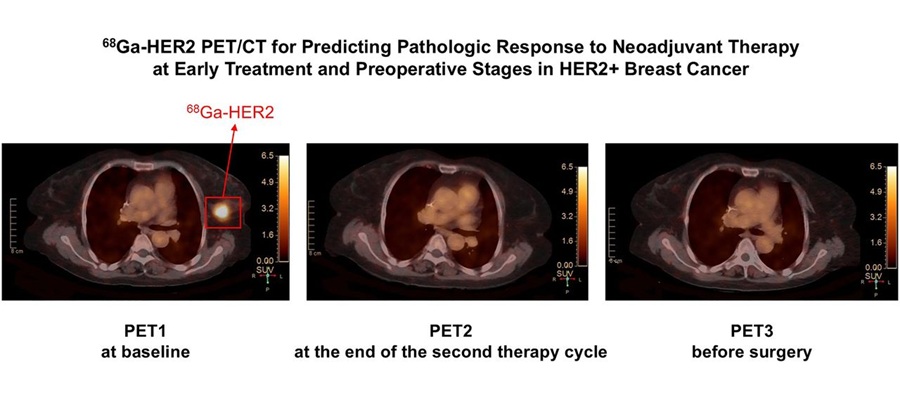
Targeted PET/CT Predicts Early Treatment Response in HER2-Positive Breast Cancer
HER2-positive breast cancer is an aggressive subtype that accounts for a substantial proportion of breast cancer cases. Patients often receive neoadjuvant therapy before surgery to shrink tumors, but assessing... Read moreHealth IT
view channel
Clinical Decision Support Tool Automates CKD Risk Assessment in Primary Care
Chronic kidney disease (CKD) requires timely diagnosis, risk assessment, and coordinated treatment in primary care. Delayed recognition can affect decisions about testing, blood pressure control, cardiovascular... Read more
EHR Alerts Support Dosing, Sedation, and Shock Recognition in Cardiac Care
Electronic health record alerts can add to clinician workload when they are poorly targeted. In critical cardiac care, however, delayed decisions can affect treatment timing, sedation exposure, and escalation... Read more
Point of Care
view channel
Continuous Glucose Monitoring Identifies Cardiometabolic Risk in Adults Without Diabetes
Dysglycemia—abnormal blood glucose regulation—can fluctuate throughout the day and often escape conventional screening. Clinicians typically rely on fasting plasma glucose and hemoglobin A1c, which offer... Read more