Philips and Epic Integrate Information Systems
|
By HospiMedica staff writers Posted on 01 Mar 2004 |


|
By combining their strengths and developing integrated healthcare information systems, Philips Medical Systems (Best, The Netherlands) and Epic Systems (Madison, WI, USA) intend to allow clinicians and nurses to transparently access patient data between departments.
The two companies have been working together to merge the Vequion products of Philips with Epic's software. The collaboration combines Epic's strengths in patient-centric, enterprise-wide healthcare information systems with Philips' strengths in medical imaging. Enterprise-wide accessibility of a system that combines imaging and monitoring is designed to ensure that the right information is available to the right person at the right time and in the right location.
The products will be marketed under the Vequion brand name. An integrated radiology department product is based on Philips' EasyAccess radiology PACS and Epic's Radiant radiology information system (RIS) products. Another integrated product combines Epic's EpicCare electronic medical record (EMR) with the Xcelera catheterization lab management system and TraceMasterVue ECG (electrocardiogram) management system of Philips. These solutions were demonstrated at the Healthcare Information and Management Systems Society (HIMSS) annual meeting in Orlando (FL, USA).
"By working together to dissolve the boundaries between monitoring, imaging, and information technologies, we will be able to deliver systems that provide better care and easier workflow to a broader market,” said Judith R. Faulkner, president and CEO of Epic.
Related Links:
Philips
Epic






The two companies have been working together to merge the Vequion products of Philips with Epic's software. The collaboration combines Epic's strengths in patient-centric, enterprise-wide healthcare information systems with Philips' strengths in medical imaging. Enterprise-wide accessibility of a system that combines imaging and monitoring is designed to ensure that the right information is available to the right person at the right time and in the right location.
The products will be marketed under the Vequion brand name. An integrated radiology department product is based on Philips' EasyAccess radiology PACS and Epic's Radiant radiology information system (RIS) products. Another integrated product combines Epic's EpicCare electronic medical record (EMR) with the Xcelera catheterization lab management system and TraceMasterVue ECG (electrocardiogram) management system of Philips. These solutions were demonstrated at the Healthcare Information and Management Systems Society (HIMSS) annual meeting in Orlando (FL, USA).
"By working together to dissolve the boundaries between monitoring, imaging, and information technologies, we will be able to deliver systems that provide better care and easier workflow to a broader market,” said Judith R. Faulkner, president and CEO of Epic.
Related Links:
Philips
Epic

Gold Member
SARS‑CoV‑2/Flu A/Flu B/RSV Sample-To-Answer Test
SARS‑CoV‑2/Flu A/Flu B/RSV Cartridge (CE-IVD)
Hypodermic Syringe
SurTract™ Safety Syringe
Fetal Monitor
BT-380
Latest Business News
- Smartphone-Integrated Epinephrine Auto-Injector Concept Wins Red Dot Design Award
- Partnership Advances AI Tool for Predicting Malignant Cerebral Edema
- First U.S. Commercial Cases Demonstrate New Approach to Transseptal Access
- Philips and Imricor Collaboration Advances MRI-Guided Cardiac Procedures
- FDA Approval Clears Path for BCI Integration with Personal Computing Devices
- Abbott LAA Occluder Gains CE Mark for AFib Stroke Risk Reduction
- Smart Hospital Market Set for Strong Growth as Digital Healthcare Adoption Accelerates
- FDA Seeks Feedback on Regulating Generative AI Medical Devices
- Teledyne to Acquire Varex Imaging in $1.1 Billion Deal
- MIMEDX to Add Sanara MedTech’s Regenerative Technologies Through $350 Million Deal
- AI Software Combines Nodule Detection and Diagnosis for Lung Cancer Screening
- AI Care Platform Adds Quantitative MRI Analysis for Multiple Sclerosis
- Danaher Completes Acquisition of Masimo to Expand Patient Monitoring Capabilities
- Endologix Adds FDA-Cleared Peripheral Thrombectomy System
- Artivion Adds FDA-Approved NEXUS System to Aortic Arch Portfolio
- Olympus Partnership Aims to Expand Access to Robot-Assisted Endoscopic Therapy
Channels
Artificial Intelligence
view channel
Explainable AI Tool Identifies High-Risk Patients Before Heart Attack Reperfusion
Intramyocardial hemorrhage is bleeding within the heart muscle that can occur after blood flow is restored during heart attack treatment. It affects about 40% of patients treated for ST-segment elevation... Read more
AI Tools Show Potential to Detect Subtle Signs of Interval Breast Cancer
Interval breast cancers, diagnosed after a negative screening mammogram and before the next scheduled exam, remain an important measure of screening performance and are often more aggressive.... Read more

Critical Care
view channel
Octopus-Inspired Patch Improves Adhesion for Transdermal Drug Delivery
Transdermal drug delivery requires secure contact between a patch and dynamically moving skin. Everyday bending and stretching can open microgaps that degrade adhesion and reduce dose consistency, limiting... Read more
Multimodal AI System Tracks Early Warning Signs of Mental Health Crisis
In the United States, more than 47,000 people die by suicide each year and more than 10 million seriously consider it, according to the U.S. Centers for Disease Control and Prevention. Yet clinicians often... Read more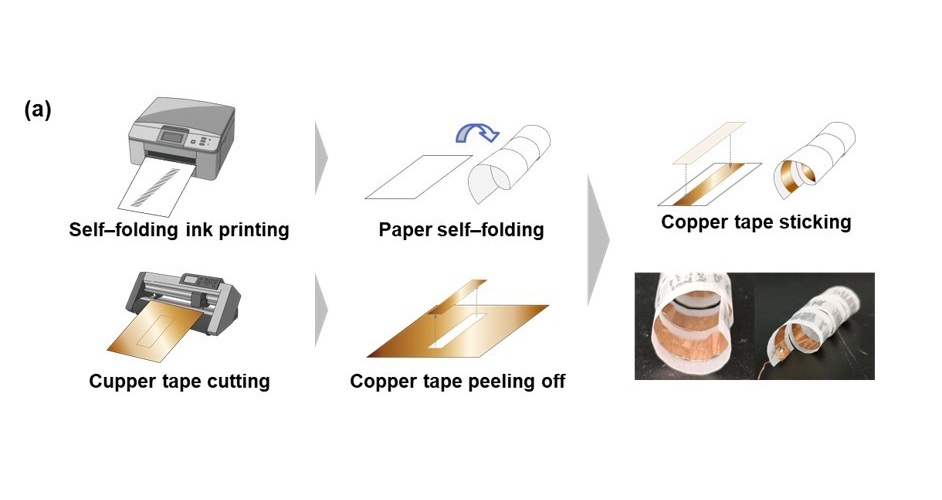

Surgical Techniques
view channel
Integrated Perioperative Care Model Improves Recovery in Older Surgical Patients
Older adults undergoing major surgery often experience anxiety and depression that can slow rehabilitation and worsen functional recovery. Many also take central nervous system–active medications that... Read more
Integrated PET/MRI and EEG Improves Presurgical Lesion Localization in Pediatric Focal Epilepsy
Focal epilepsy, in which seizures arise from a discrete brain region, requires precise lesion localization before surgery. Many children have negative or inconclusive magnetic resonance imaging (MRI),... Read more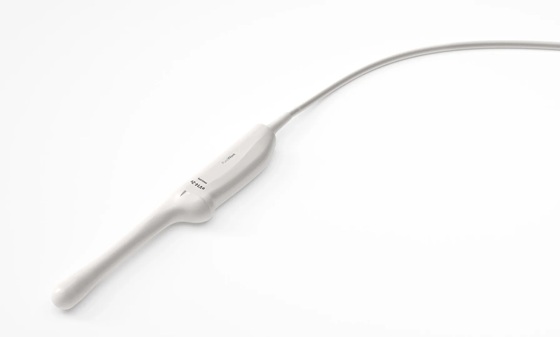
New Transvaginal Transducer Improves Imaging for Gynecology and Early Obstetrics
Transvaginal ultrasound is central to gynecology and early obstetrics, where clinicians must balance deep tissue penetration with high-resolution imaging. Switching probes to achieve this balance can interrupt... Read more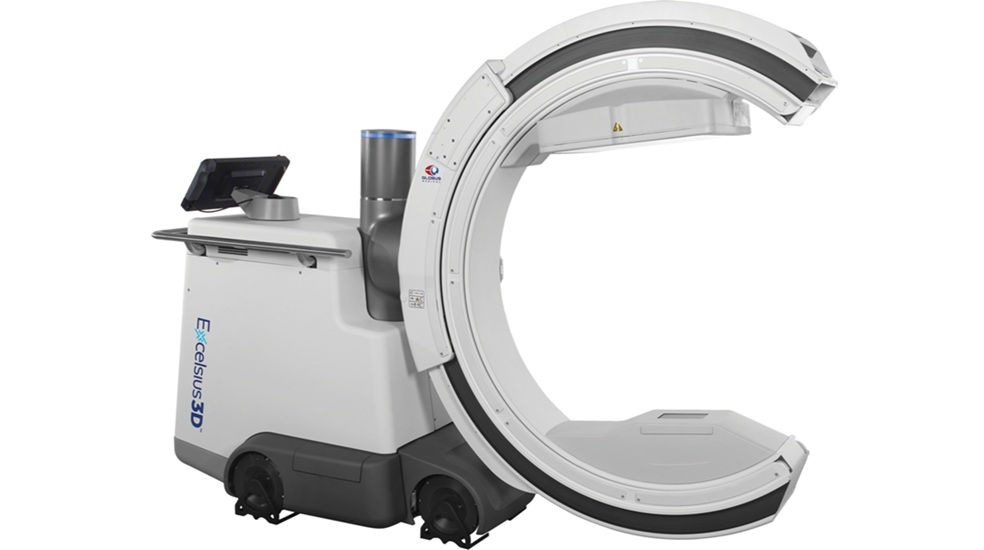
Patient Care
view channel
Virtual Reality Helps Claustrophobic Patients Complete Cardiac PET/CT Scans
Anxiety and claustrophobia—intense fear of confined spaces—often prevent patients from completing cardiac positron emission tomography/computed tomography (PET/CT). Aborted scans delay diagnosis, consume... Read more
Weighted Blankets Reduce Anxiety in Hospitalized Adults
Anxiety is common among hospitalized adults and can impair recovery, disrupt sleep, and worsen mental health. Although clinicians often use nonpharmacologic strategies, bedside options that act quickly... Read more
Medical Imaging
view channel
Noninvasive Optical Test Detects Hidden Tissue Damage in Pelvic Organ Prolapse
Pelvic organ prolapse (POP) occurs when weakened pelvic-support tissues allow the bladder, uterus, or rectum to descend. Although it affects millions of women, the condition remains under-characterized... Read more
AI Imaging Model Predicts Five-Year Breast Cancer Risk from 3D Mammograms
Breast cancer screening programs often struggle to stratify women by near-term risk, which can lead to missed cancers or unnecessary testing. Forecasting who will develop disease within five years is difficult... Read more
Spleen Imaging Signatures May Reveal Hidden Coronary Artery Disease Risk
Coronary artery disease (CAD) remains a leading cause of death despite major gains in managing traditional risk factors. Clinicians still struggle to quantify residual risk and the upstream biology that... Read more
FDA Clears Automated Musculoskeletal Ultrasound Platform for Arthritis Assessment
Musculoskeletal ultrasound is central to evaluating inflammatory arthritis and other joint conditions, but access is limited by workforce shortages and variability in image acquisition. In the United States,... Read moreHealth IT
view channel
Registry-Driven Digital Outreach Boosts Use of Heart Failure Medicines
Heart failure affects more than 64 million people worldwide and is linked to high mortality, reduced quality of life, and heavy healthcare use. Although sodium-glucose cotransporter 2 inhibitors are proven... Read more
Nurse-Coordinated Care Model Improves Heart Failure Outcomes
Heart failure imposes heavy mortality, morbidity, and cost burdens worldwide, yet proven therapies remain underused in routine practice. This inadequate uptake contributes to preventable hospitalizations... Read more

Point of Care
view channel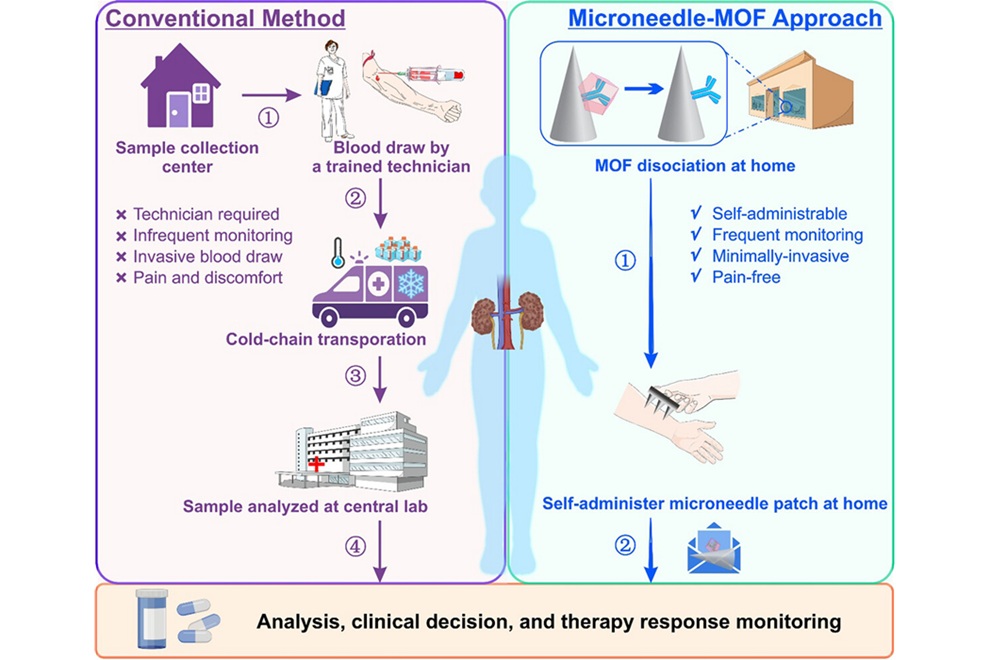
Microneedle Patch Enables At-Home Monitoring of Acute Kidney Injury
Kidney disease is often silent in its early stages, making timely detection difficult outside clinical settings. Early biomarkers such as neutrophil gelatinase–associated lipocalin can require blood draws... Read more