Connectivity Solution Facilitates Information Flow Between Healthcare Providers
|
By HospiMedica International staff writers Posted on 30 Dec 2009 |


|
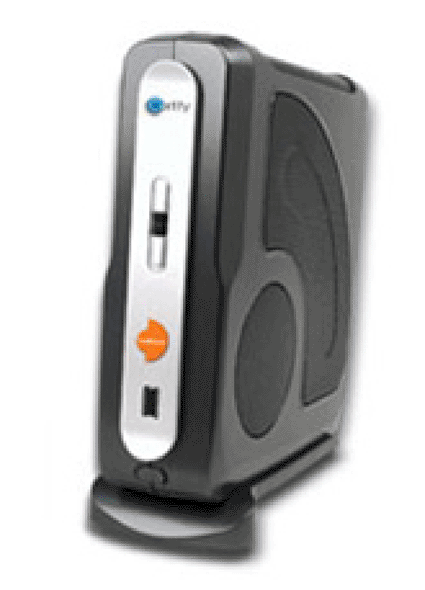
Image: The Certify HealthDock solution (Photo courtesy Certify Data Systems).
A collaborative connectivity solution enables the electronic flow of clinical data securely among hospitals and physician practice settings, regardless of the electronic health records system (EHR) being used.
The Cerner (Kansas City, MO, USA) Hub, in conjunction with the Certify Data Systems' (San Jose, CA, USA) HealthDock--an intelligent, plug-and-play appliance placed in physician offices--provides the mechanism to remove a considerable amount of laborious paper processing between hospitals, physicians, reference labs, imaging centers, and other care settings. The solution enables bidirectional sharing of clinical information from patient visits such as test results, radiology reports, discharge summaries, and other clinical reports. The information is transferred in real-time into physician practice EHRs.
The Cerner Hub and the Certify HealthDock solution eliminate the need for hospital information technology (IT) staff to spend time and money developing interfaces between multiple physician practice EHR systems; improve the speed of data sharing through a real-time, secure network; provide the hospital and the physician practice complete auditing and delivery guarantees; and incorporate a distributed patient matching process that enables the physician office to ensure clinical information is delivered into the appropriate EHR. The Certify HealthDock also allows physician practices to electronically submit radiology and lab orders directly to the hospital, removing paper requisitions from the ordering process.
"Ease of connectivity is a vital missing ingredient to widespread physician acceptance of EHRs,” said Zane Burke, senior vice president at Cerner. "We identified Certify's HealthDock appliance as the best connectivity solution to enhance Cerner Hub services and to achieve Cerner's commitment to achieve true interoperability. The Cerner Hub and the Certify HealthDock create an offering that simplifies information sharing across the care continuum no matter what EHRs are in use.”
"Cerner and Certify share a common goal to help clinicians make informed decisions about patient care by providing them with the right information at the right time,” said Marc Willard, founder and CEO of Certify Data Systems. "The HealthDock will enable the Cerner Hub to share important clinical information seamlessly with primary care providers and specialists. We are very pleased to partner with a leading organization like Cerner to offer their clients our connectivity solution.”
Related Links:
Cerner
Certify Data Systems




The Cerner (Kansas City, MO, USA) Hub, in conjunction with the Certify Data Systems' (San Jose, CA, USA) HealthDock--an intelligent, plug-and-play appliance placed in physician offices--provides the mechanism to remove a considerable amount of laborious paper processing between hospitals, physicians, reference labs, imaging centers, and other care settings. The solution enables bidirectional sharing of clinical information from patient visits such as test results, radiology reports, discharge summaries, and other clinical reports. The information is transferred in real-time into physician practice EHRs.
The Cerner Hub and the Certify HealthDock solution eliminate the need for hospital information technology (IT) staff to spend time and money developing interfaces between multiple physician practice EHR systems; improve the speed of data sharing through a real-time, secure network; provide the hospital and the physician practice complete auditing and delivery guarantees; and incorporate a distributed patient matching process that enables the physician office to ensure clinical information is delivered into the appropriate EHR. The Certify HealthDock also allows physician practices to electronically submit radiology and lab orders directly to the hospital, removing paper requisitions from the ordering process.
"Ease of connectivity is a vital missing ingredient to widespread physician acceptance of EHRs,” said Zane Burke, senior vice president at Cerner. "We identified Certify's HealthDock appliance as the best connectivity solution to enhance Cerner Hub services and to achieve Cerner's commitment to achieve true interoperability. The Cerner Hub and the Certify HealthDock create an offering that simplifies information sharing across the care continuum no matter what EHRs are in use.”
"Cerner and Certify share a common goal to help clinicians make informed decisions about patient care by providing them with the right information at the right time,” said Marc Willard, founder and CEO of Certify Data Systems. "The HealthDock will enable the Cerner Hub to share important clinical information seamlessly with primary care providers and specialists. We are very pleased to partner with a leading organization like Cerner to offer their clients our connectivity solution.”
Related Links:
Cerner
Certify Data Systems

Gold Member
STI Test
Vivalytic Sexually Transmitted Infection (STI) Array
POC Respiratory/Sore Throat Test
BIOFIRE SPOTFIRE (R/ST) Panel
Radiofrequency Generator
GX1
Latest Health IT News
- Adaptive Radiation QA Software Gains Validation for NeoArc Treatments
- Healthcare Database Helps Close Long COVID Surveillance Gap
- Smartphone App Improves Blood Pressure Control in Hypertension
- New Tablet Platform Extends Stroke Neurorehabilitation Beyond the Clinic
- Registry-Driven Digital Outreach Boosts Use of Heart Failure Medicines
- Nurse-Coordinated Care Model Improves Heart Failure Outcomes
- Imaging Tool Quantifies Calcinosis Cutis Volume to Monitor Treatment
- Digital Symptom Monitoring Supports More Personalized Breast Cancer Care
- Short Digital Training Program Improves Motor Function in Parkinson’s Disease
- New Cloud Platform Streamlines Capsule Endoscopy Workflow and Reporting
- Smartwatch Monitoring Identifies Abnormal Vital Signs Before Routine Checks
- Weekly Remote Symptom Monitoring Improves Symptom Control in Advanced Cancer
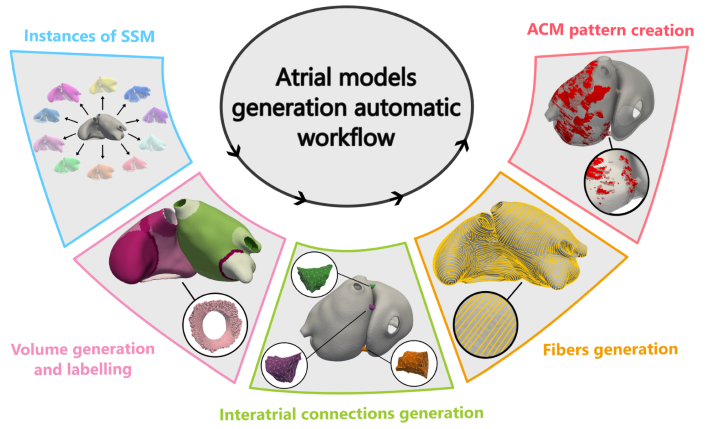
- Digital Heart Model Supports Targeted Ablation in Atrial Fibrillation
- AI Framework Helps Clinicians Create Trustworthy Risk Prediction Tools
- AI Tool Screens for Primary Aldosteronism Using Routine EHR Data
- AI-Enabled ECG Software Predicts One-Year Atrial Fibrillation Risk
Channels
Artificial Intelligence
view channel
Autonomous AI Helps Streamline Urgent Skin Cancer Referrals
Urgent suspected skin cancer referrals place substantial pressure on dermatology services. In England, referrals have almost tripled since 2009, yet only about 6% lead to an urgent skin cancer diagnosis.... Read more
Virtual Ultrasound Images Support Development of Cardiovascular Imaging Tools
An abdominal aortic aneurysm is a widening of the largest blood vessel in the abdomen. Ultrasound imaging can help evaluate the condition, but developing automated diagnostic software requires large numbers... Read more
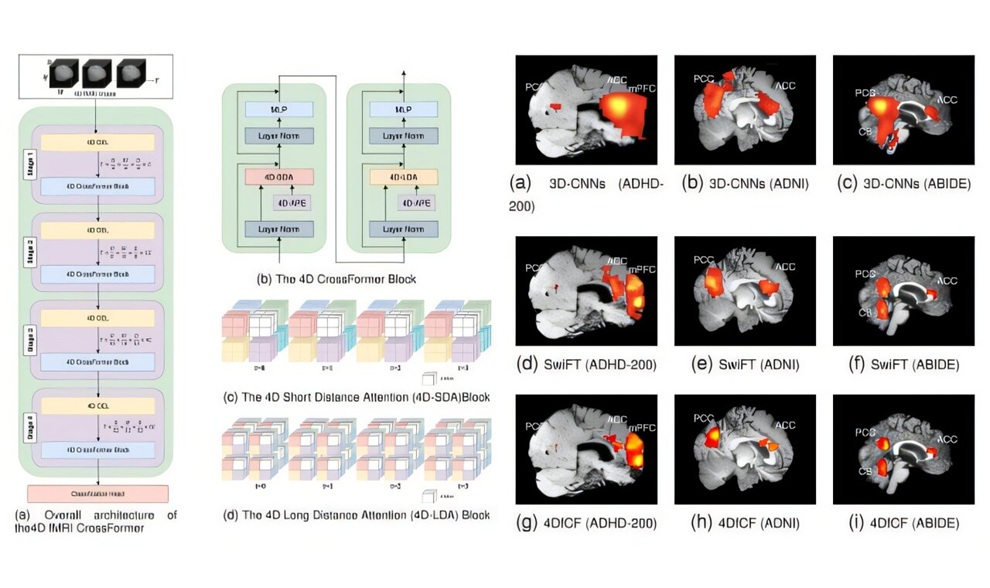
Critical Care
view channel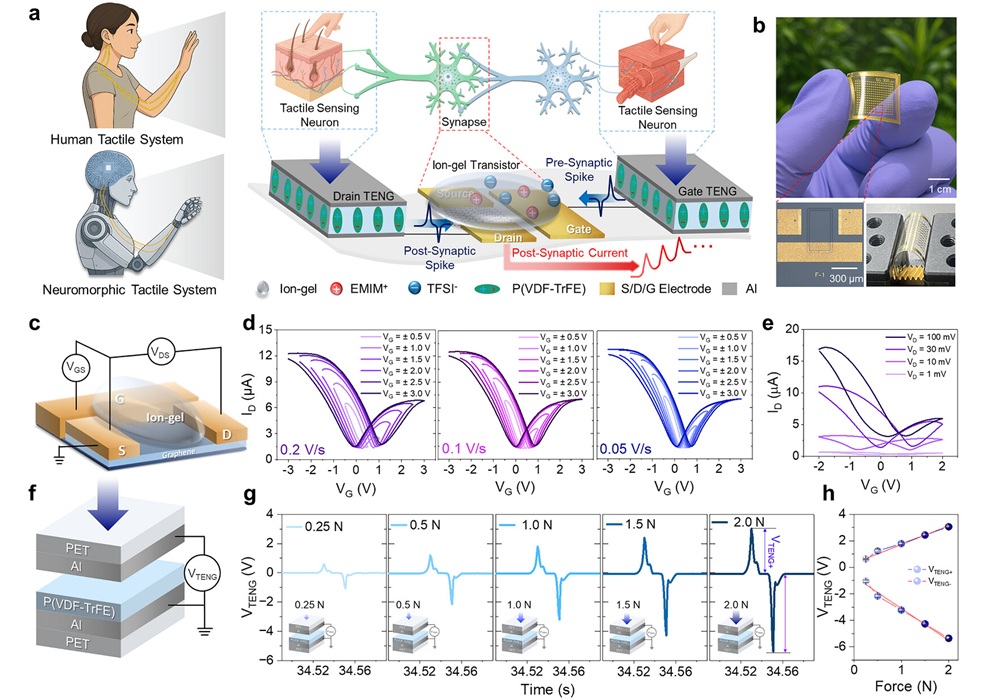
Battery-Free Wearable Sensor Enables Activity Recognition for Health Monitoring
Neuromorphic devices are engineered systems that emulate functions of biological neural networks. Wearable versions could enable low-power patient monitoring, but many existing designs still depend on... Read more
New ECG Foundation Model Enables Broad Cardiac Diagnosis and Risk Prediction
Electrocardiograms are central to cardiovascular decision-making, but conventional artificial intelligence models are often trained for narrow tasks, such as detecting a single arrhythmia.... Read more
Surgical Techniques
view channel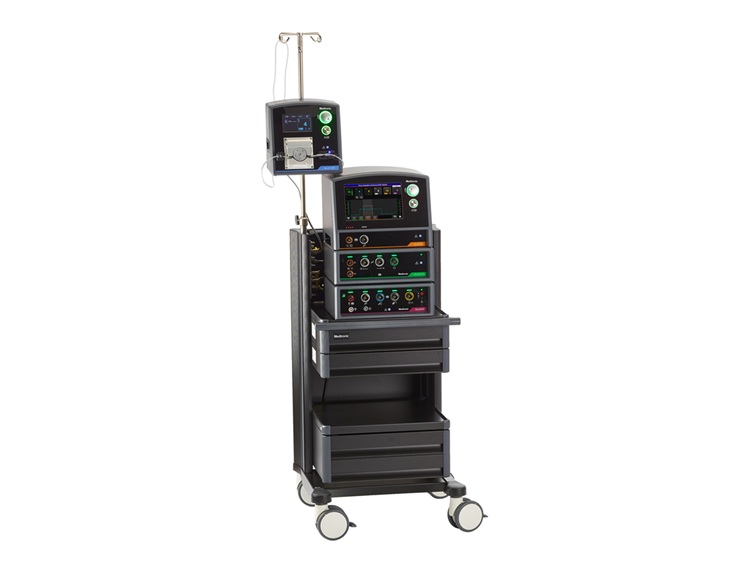
New Software Tools Support Precision Mapping and Guidance in Cardiac Ablation
Catheter ablation for cardiac arrhythmias requires precise intracardiac mapping while minimizing fluoroscopy exposure. Electrophysiologists also need integrated tools that streamline mapping, pacing, and... Read more
Tile-Based Radiation Therapy Reduces Recurrence Risk After Brain Metastasis Surgery
Brain metastases can occur in patients with advanced solid tumors and may affect treatment options and prognosis. For patients with larger or symptomatic lesions requiring surgery, microscopic tumor cells... Read more
Patient Care
view channel
At-Home Neuromodulation Shows Promise in Selected Patients With Hypertension
High blood pressure is a major risk factor for cardiovascular disease, including heart attack and stroke. Many patients receiving treatment for hypertension still remain above recommended blood pressure... Read more
EHR Model Flags High-Risk Periods in Patients with Metastatic Breast Cancer
Determining when patients with metastatic breast cancer are nearing the end of life remains difficult, often leading to intensive interventions with limited benefit. Prognostic uncertainty can delay goals-of-care... Read more

Medical Imaging
view channel
AI Software Detects Osteoporosis from Routine CT Scans
Osteoporosis can progress for years without pain, leaving bone loss undetected until a fracture or back pain prompts testing. By that point, bone loss may already be advanced. Bone density testing is not... Read more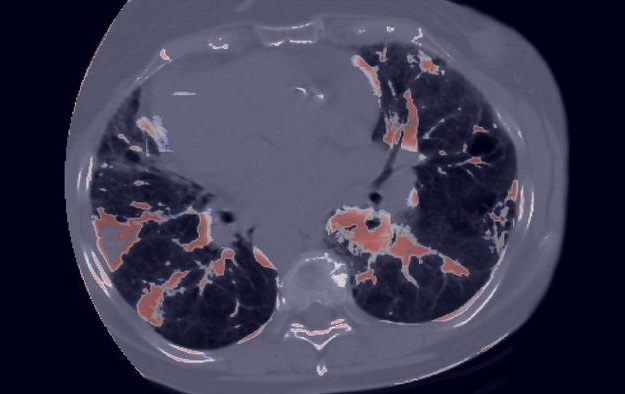
AI Model Uses Pretreatment CT Scans to Predict Immunotherapy-Related Pneumonitis Risk
Pneumonitis is a potentially life-threatening form of lung inflammation that affects about 10% of patients with lung cancer receiving immunotherapy. Because it can be difficult to predict before symptoms... Read more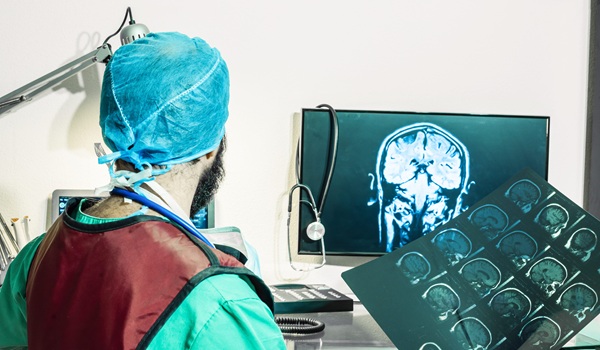
Point of Care
view channel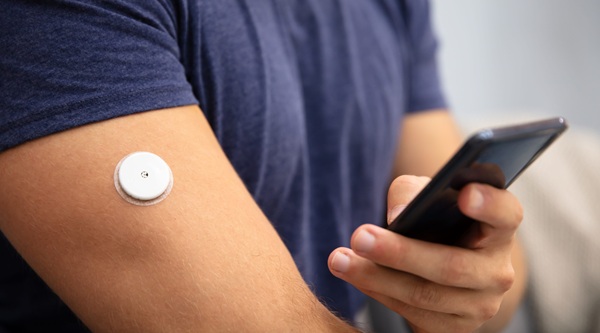
Continuous Glucose Monitoring Identifies Cardiometabolic Risk in Adults Without Diabetes
Dysglycemia—abnormal blood glucose regulation—can fluctuate throughout the day and often escape conventional screening. Clinicians typically rely on fasting plasma glucose and hemoglobin A1c, which offer... Read more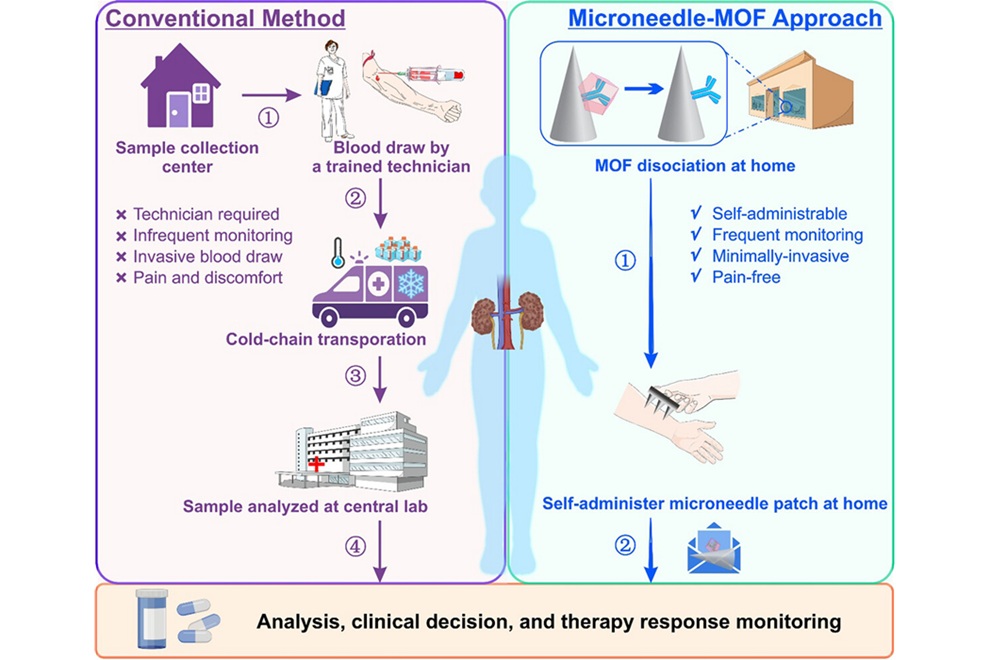
Microneedle Patch Enables At-Home Monitoring of Acute Kidney Injury
Kidney disease is often silent in its early stages, making timely detection difficult outside clinical settings. Early biomarkers such as neutrophil gelatinase–associated lipocalin can require blood draws... Read more
Business
view channel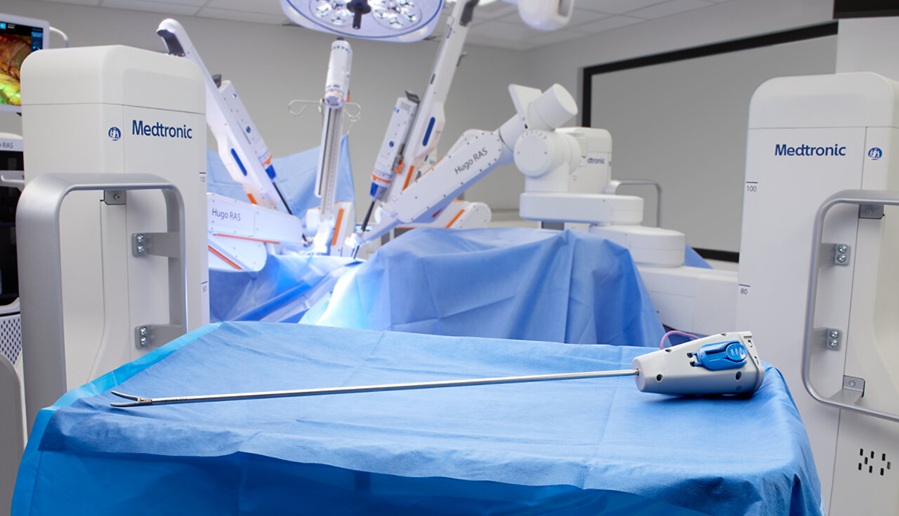
Medtronic Receives FDA Clearance for Vessel-Sealing Instrument for Robotic Surgery
As robotic-assisted surgery expands across U.S. hospitals, teams increasingly seek energy instruments with the familiarity and performance of tools used in open and laparoscopic procedures.... Read more
Robotic Single-Port System Gains CE Mark for Transvaginal Gynecologic Procedures
Intuitive (Sunnyvale, CA, USA) announced that it has received CE mark approval for use of the da Vinci SP Single Port surgical system in transvaginal gynecologic procedures, marking the first such indication... Read more