用血小板尺寸预测脓毒症患者的死亡率
|
By HospiMedica International staff writers Posted on 24 Dec 2012 |


|
一项新研究表明,血小板平均体积(MPV)是脓毒症死亡率的一个容易获取的预后标记物。
德国莱比锡圣乔治医院(www.sanktgeorg.de)的科研人员对191名有脓毒症记录的患者(年龄中位数为72岁,38%为妇女)进行了研究。科研人员前瞻性评估了入院时、脓毒症发作时、脓毒症确诊时以及病程中MPV作为预后标记物的作用。他们比较了这些数据与56名急性上消化道出血和下消化道出血患者(年龄中位数为74,45.5%为妇女)的数据,这56名患者是作为对照受试者。同时收集其它标准实验室生物标记物的数据和临床参数。
结果显示,入院时和症状初显时的MPV与死亡密切相关。183名脓毒症患者中有41人(21.5%)死亡,他们的MPV高于幸存者(9.6毫微微升比9.19毫微微升)。在阳性血液培养物的情况下,这些值又有所上升(11.2毫微微升比9.7毫微微升)。另一方面,温度、白细胞计数、乳酸盐、前降钙素、C反应蛋白(CRP)值这些参数根本不能预测预后。科研人员因而确定,死亡或生存的最佳预测指标是取MPV的阈值为8.7毫微微升。该研究的论文在2012年6月于泰国曼谷举行的第15届国际传染病大会上做了展板宣讲。
“这一数值落在血小板体积正常范围的高端,但仍能很好地预测脓毒症患者的不良预后——也就是死亡,”领衔作者暨论文的宣讲人、传染病与热带医学科主任Thomas Grünewald博士说。“我们发现MPV值高于8.7的患者比MPV值低于8.7的患者更容易出现较差的预后(如死亡),比值比是3.2。”
MPV是电脑计算出来的血液中血小板的平均尺寸,一般是血液检验中的一项。因为当机体产生的血小板较多时血小板的平均尺寸也较大,所以MPV的检验结果可用于推测骨髓中产生的血小板或血小板的遭破坏问题。血小板体积的典型范围是9.7–12.8毫微微升,相当于直径2.65–2.9微米的球。
Related Links:
Klinikum St. Georg >> www.sanktgeorg.de





德国莱比锡圣乔治医院(www.sanktgeorg.de)的科研人员对191名有脓毒症记录的患者(年龄中位数为72岁,38%为妇女)进行了研究。科研人员前瞻性评估了入院时、脓毒症发作时、脓毒症确诊时以及病程中MPV作为预后标记物的作用。他们比较了这些数据与56名急性上消化道出血和下消化道出血患者(年龄中位数为74,45.5%为妇女)的数据,这56名患者是作为对照受试者。同时收集其它标准实验室生物标记物的数据和临床参数。
结果显示,入院时和症状初显时的MPV与死亡密切相关。183名脓毒症患者中有41人(21.5%)死亡,他们的MPV高于幸存者(9.6毫微微升比9.19毫微微升)。在阳性血液培养物的情况下,这些值又有所上升(11.2毫微微升比9.7毫微微升)。另一方面,温度、白细胞计数、乳酸盐、前降钙素、C反应蛋白(CRP)值这些参数根本不能预测预后。科研人员因而确定,死亡或生存的最佳预测指标是取MPV的阈值为8.7毫微微升。该研究的论文在2012年6月于泰国曼谷举行的第15届国际传染病大会上做了展板宣讲。
“这一数值落在血小板体积正常范围的高端,但仍能很好地预测脓毒症患者的不良预后——也就是死亡,”领衔作者暨论文的宣讲人、传染病与热带医学科主任Thomas Grünewald博士说。“我们发现MPV值高于8.7的患者比MPV值低于8.7的患者更容易出现较差的预后(如死亡),比值比是3.2。”
MPV是电脑计算出来的血液中血小板的平均尺寸,一般是血液检验中的一项。因为当机体产生的血小板较多时血小板的平均尺寸也较大,所以MPV的检验结果可用于推测骨髓中产生的血小板或血小板的遭破坏问题。血小板体积的典型范围是9.7–12.8毫微微升,相当于直径2.65–2.9微米的球。
Related Links:
Klinikum St. Georg >> www.sanktgeorg.de

New
Gold Member
Handheld Blood Glucose Analyzer
STAT-Site
New
Wound Irrigation Solution
Prontosan®
New
Glucose Meter
StatStrip®
Latest 重症监护 News
Channels
Artificial Intelligence
view channel
Algorithm Identifies Cardiac Arrest Hotspots to Guide AED Placement
Out-of-hospital sudden cardiac arrest is common and usually fatal, and survival depends on rapid defibrillation. Many communities deploy automated external defibrillators without precise guidance, which... Read more
AI Analysis of Pericardial Fat Refines Long-Term Heart Disease Risk
Accurately identifying long-term cardiovascular disease risk in asymptomatic adults remains challenging for clinicians. Missed or underestimated risk delays preventive therapy and increases the chance... Read more

Critical Care
view channel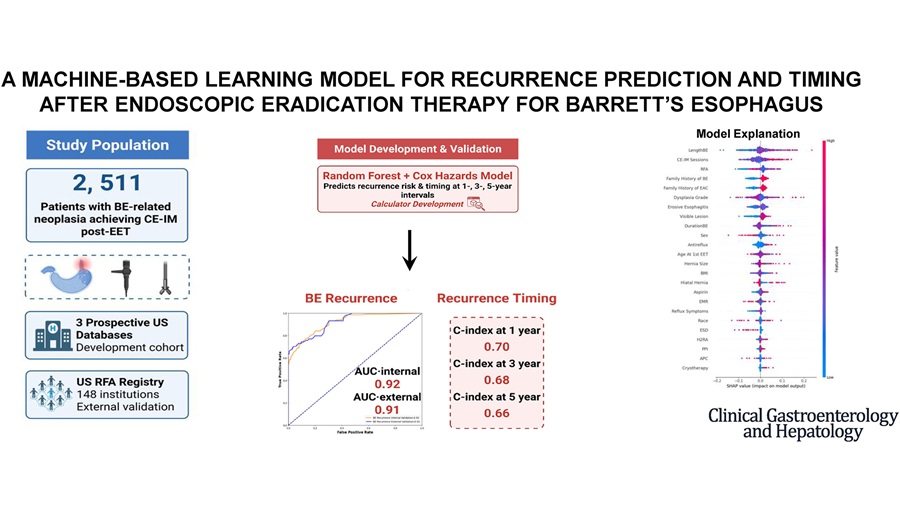
AI Tool Predicts Post-Therapy Barrett’s Esophagus Recurrence
Barrett’s esophagus (BE) is the only known precursor to esophageal adenocarcinoma, an aggressive cancer with high mortality. After endoscopic eradication therapy, disease can recur, making long-term surveillance... Read more
New Technology Turns Earbuds into Sensors for Cardiac Function Tracking
Continuous assessment of cardiac mechanics outside the clinic remains difficult because existing tools often require chest-mounted sensors and brief, supervised recordings. Missed early changes in valve... Read more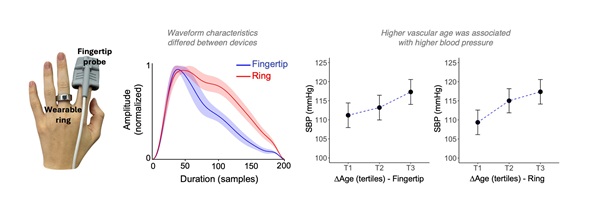
Surgical Techniques
view channel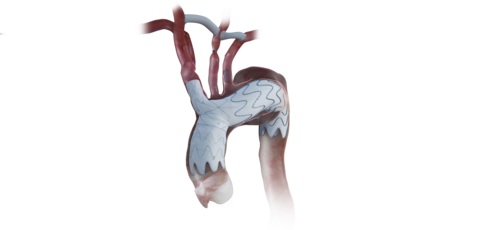
Endovascular Stent Graft Enables Minimally Invasive Aortic Arch Repair
Open repair of aortic arch disease is complex and carries substantial risk for patients with significant comorbidities. Many individuals are not candidates for surgery, and endovascular options for this... Read more
Dynamic Pressure Overlay Reduces Perioperative Pressure Injuries
Perioperative pressure injuries are a persistent risk during long procedures, particularly when repositioning is limited. Time in the operating room beyond two hours is cited as an intrinsic risk factor,... Read more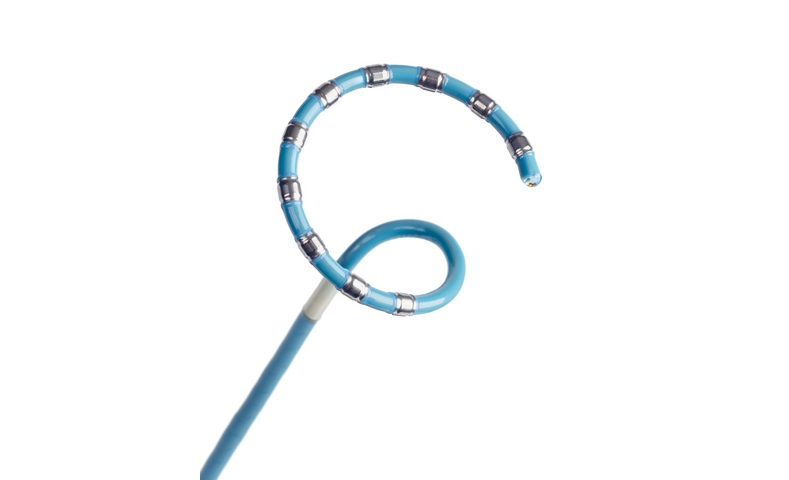
Pulsed Field Ablation System Streamlines Atrial Fibrillation Procedures
Atrial fibrillation is the most common cardiac arrhythmia, affecting more than 50 million people worldwide and straining capacity for rhythm-control procedures. Electrophysiology teams continue to seek... Read more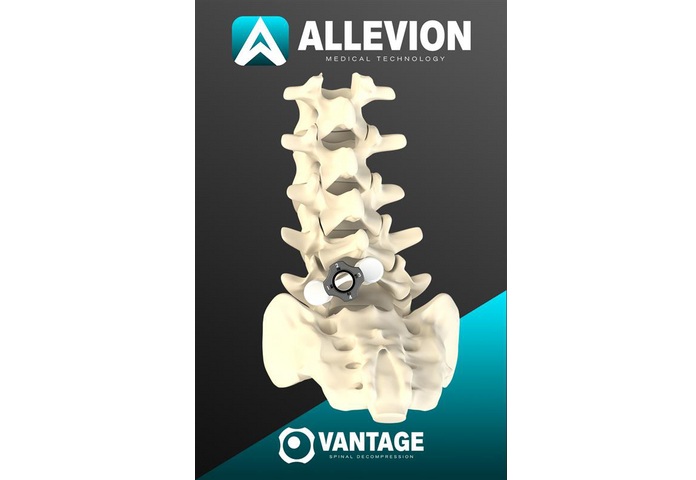
Single-Use System Enables Minimally Invasive Decompression for Lumbar Spinal Stenosis
Lumbar spinal stenosis is frequently driven by hypertrophic bone that narrows the canal and produces pain. Conventional decompression often relies on larger incisions and bulky retractors, adding time,... Read morePatient Care
view channel
Wearable Sleep Data Predict Adherence to Pulmonary Rehabilitation
Chronic obstructive pulmonary disease (COPD) is a long-term lung disorder that makes breathing difficult and often disturbs sleep, reducing energy for daily activities. Limited engagement in pulmonary... Read more
Revolutionary Automatic IV-Line Flushing Device to Enhance Infusion Care
More than 80% of in-hospital patients receive intravenous (IV) therapy. Every dose of IV medicine delivered in a small volume (<250 mL) infusion bag should be followed by subsequent flushing to ensure... Read more

Health IT
view channel
Automated System Classifies and Tracks Cardiogenic Shock Across Hospital Settings
Cardiogenic shock remains a difficult, time-sensitive emergency, with delayed identification driving poor outcomes and persistently high mortality. Many cases go undocumented even at advanced stages, hindering... Read more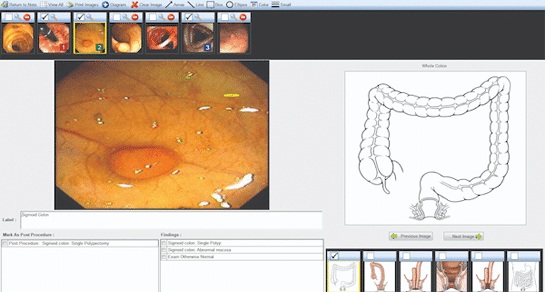
Voice-Driven AI System Enables Structured GI Procedure Documentation
Documentation during gastrointestinal (GI) procedures often competes with real-time clinical decision-making and imposes a significant cognitive burden on physicians. Manual data entry and post-procedure... Read more
EMR-Based Tool Predicts Graft Failure After Kidney Transplant
Kidney transplantation offers patients with end-stage kidney disease longer survival and better quality of life than dialysis, yet graft failure remains a major challenge. Although a successful transplant... Read more
Printable Molecule-Selective Nanoparticles Enable Mass Production of Wearable Biosensors
The future of medicine is likely to focus on the personalization of healthcare—understanding exactly what an individual requires and delivering the appropriate combination of nutrients, metabolites, and... Read more
Business
view channel
External Liver Assist System Receives FDA RMAT Designation
Acute liver failure can develop over days to weeks and is often fatal when transplantation is not possible or unavailable. Although some patients recover spontaneously, many deteriorate rapidly amid a... Read more