New “Bank” Adds Genomics Service to Patient Care
|
By HospiMedica International staff writers Posted on 06 Mar 2013 |


|
A new company is offering a “gene vault” service for doctors who need a better way to store, protect, and share genomic data.
Coriell Life Sciences (Camden, NJ, USA), a startup company that grew out of a partnership between the Coriell Institute for Medical Research (Camden, NJ, USA) and IBM (Armonk, NY, USA) is offering a service to facilitate sequencing a patient’s DNA—through existing sequencing companies such as Illumina (San Diego, CA, USA) or Ion Torrent—and store it in its so-called gene vault, and also act as the middleman between doctors and companies that offer interpretation services.
The cloud-based workflow could help doctors in different locations take advantage of expert interpretations anywhere, analyzing a patient’s genome for DNA variants linked to poor drug response at one point, and later on, for example, order another for variants linked to heart disease. The company will also use a board of scientific advisors to guide them as to the best interpretation programs available. Since keeping the genomic data secure is a key component of the venture, the data will be stored at IBM headquarters and would be available only to limited users. If a patient changes a health-care provider, the data will remain available for the next physician.
“The intent is that the doctor would order a test like any other diagnostic test they order today,” said Scott Megill, president of Coriell Life Sciences. “We will return the genetic result in the human readable form back to the electronic medical record so the doctor can read it and interpret it for the patient.”
“No one company is in position to interpret the entire genome for its meaning,” said Michael Christman, CEO of the Coriell Institute for Medical Research. “But by having one’s sequence in the gene vault, then the physician will be able to order interpretative engines, analogous to apps for the iPhone.”
Whole genome sequencing is a laboratory process that determines the complete DNA sequence of an organism's genome at a single time. Almost any biological sample containing a full copy of the DNA can provide the material necessary for full genome sequencing. Such samples may include saliva, epithelial cells, bone marrow, or anything else that has DNA-containing cells. Because the sequence data that is produced can be quite large (for example, there are approximately six billion base pairs in each human diploid genome), genomic data is stored electronically and requires a large amount of computing power and storage capacity.
Related Links:
Coriell Institute for Medical Research
IBM
Illumina





Coriell Life Sciences (Camden, NJ, USA), a startup company that grew out of a partnership between the Coriell Institute for Medical Research (Camden, NJ, USA) and IBM (Armonk, NY, USA) is offering a service to facilitate sequencing a patient’s DNA—through existing sequencing companies such as Illumina (San Diego, CA, USA) or Ion Torrent—and store it in its so-called gene vault, and also act as the middleman between doctors and companies that offer interpretation services.
The cloud-based workflow could help doctors in different locations take advantage of expert interpretations anywhere, analyzing a patient’s genome for DNA variants linked to poor drug response at one point, and later on, for example, order another for variants linked to heart disease. The company will also use a board of scientific advisors to guide them as to the best interpretation programs available. Since keeping the genomic data secure is a key component of the venture, the data will be stored at IBM headquarters and would be available only to limited users. If a patient changes a health-care provider, the data will remain available for the next physician.
“The intent is that the doctor would order a test like any other diagnostic test they order today,” said Scott Megill, president of Coriell Life Sciences. “We will return the genetic result in the human readable form back to the electronic medical record so the doctor can read it and interpret it for the patient.”
“No one company is in position to interpret the entire genome for its meaning,” said Michael Christman, CEO of the Coriell Institute for Medical Research. “But by having one’s sequence in the gene vault, then the physician will be able to order interpretative engines, analogous to apps for the iPhone.”
Whole genome sequencing is a laboratory process that determines the complete DNA sequence of an organism's genome at a single time. Almost any biological sample containing a full copy of the DNA can provide the material necessary for full genome sequencing. Such samples may include saliva, epithelial cells, bone marrow, or anything else that has DNA-containing cells. Because the sequence data that is produced can be quite large (for example, there are approximately six billion base pairs in each human diploid genome), genomic data is stored electronically and requires a large amount of computing power and storage capacity.
Related Links:
Coriell Institute for Medical Research
IBM
Illumina

Gold Member
12-Channel ECG
CM1200B
Gold Member
Neonatal Heel Incision Device
Tenderfoot
Medical Adhesive
MED 5570U
Hypodermic Syringe
SurTract™ Safety Syringe
Latest Health IT News
- AI-Native EHR Achieves EU Medical Device Certification
- EHR-Integrated Screening Workflow Detects Cognitive Impairment at Admission
- AI System Detects and Quantifies Chronic Subdural Hematoma
- Continuous Monitoring Platform Detects Infection Risk Across Care Transitions
- Automated System Classifies and Tracks Cardiogenic Shock Across Hospital Settings
- Voice-Driven AI System Enables Structured GI Procedure Documentation
- EMR-Based Tool Predicts Graft Failure After Kidney Transplant
Channels
Artificial Intelligence
view channel
AI Platform Supports Noninvasive Remote Hemodynamic Monitoring in Heart Failure
Heart failure remains a leading cause of hospitalization in adults over 65, affecting more than 6.7 million people in the U.S. Clinicians often lose visibility into hemodynamic deterioration once patients... Read more
AI Tool Predicts Unplanned Care and Symptom Burden in Cancer Survivors
Unplanned emergency visits and hospitalizations remain common in cancer survivorship, when routine clinical contact often tapers while new symptoms emerge. These events reflect unmet needs and disrupt... Read more

Critical Care
view channel
Smartphone Heart Rhythm App Reduces Unnecessary Cardioversion Procedures
Atrial fibrillation, an irregular and often rapid heart rhythm, is the most common arrhythmia in adults. Elective electrical cardioversion is frequently canceled on the day of treatment when patients revert... Read more
New Practice Guidance Supports Prostatic Artery Embolization for BPH Symptoms
Benign prostatic hyperplasia is a noncancerous enlargement of the prostate that can cause lower urinary tract symptoms and impair daily functioning. These symptoms erode sleep, productivity, and sexual... Read more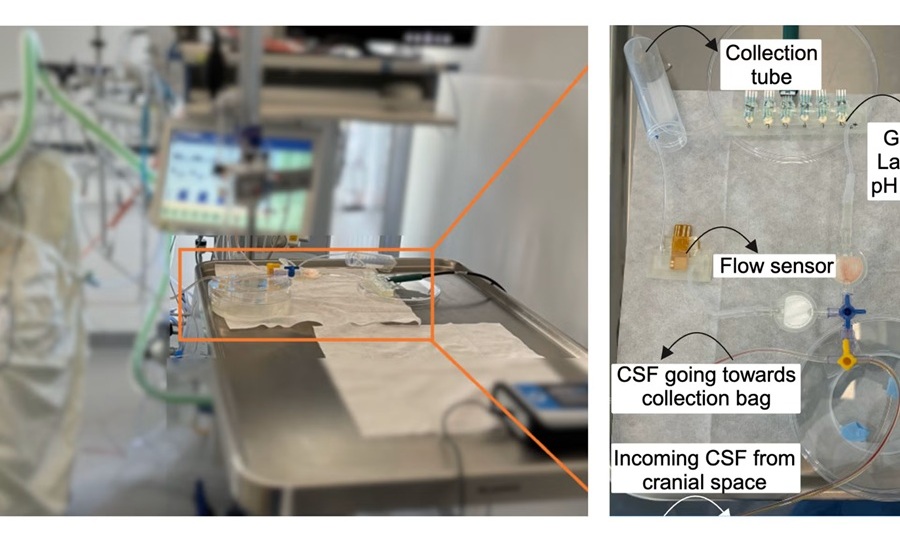
Bedside CSF Monitor Detects Early Infection in Fluid Drains
External drainage of cerebrospinal fluid (CSF) after traumatic brain injury, hydrocephalus, or hemorrhage carries a significant risk of infection. These infections can prolong intensive care, cause severe... Read more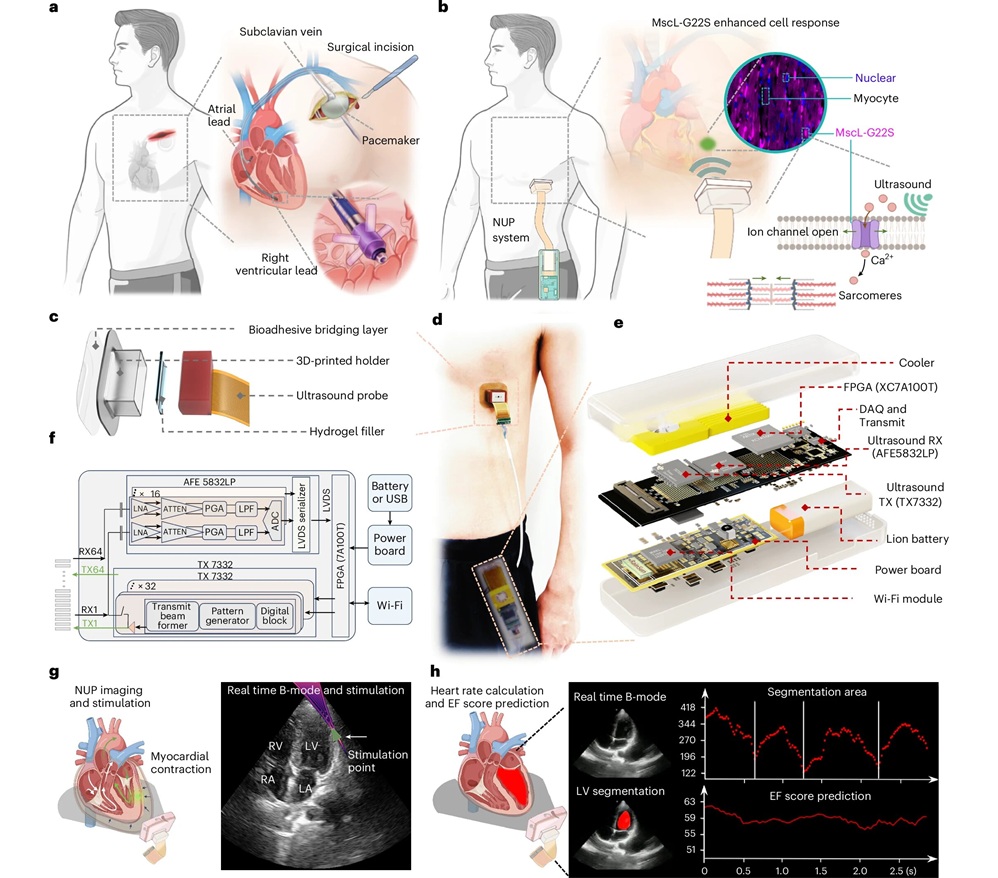
Wearable Ultrasound Patch Noninvasively Paces Heart to Stabilize Arrhythmias
Cardiac arrhythmias, including slow and irregular heart rhythms, often require pacemakers that are surgically implanted. While effective, implants carry procedural risks and long-term device maintenance burdens.... Read moreSurgical Techniques
view channel
CE-Marked Ultrasonic Shears Streamline Breast and Thyroid Surgery
Thyroid and breast surgeries are often performed in confined anatomical spaces near critical structures, making precise dissection and controlled thermal management essential. As the global disease burden... Read more
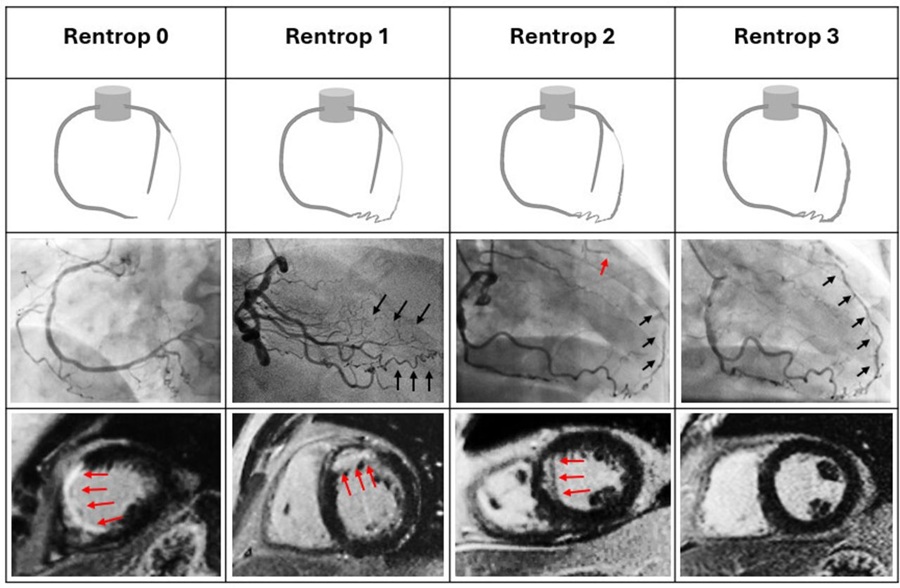
3D Map of Heart Electrical Wiring Aims to Guide Congenital Heart Repair
Tetralogy of Fallot is one of the most common congenital heart problems and often requires surgery in infancy. Many survivors later develop conduction abnormalities because the cardiac electrical system... Read more
Patient Care
view channel
AI Avatar Doctor Improves Patient Understanding Before Radiotherapy
Radiation oncology consultations require patients to grasp complex concepts quickly, yet anxiety and information overload often undermine understanding and informed consent. Poor comprehension can also... Read more
Wearable Sleep Data Predict Adherence to Pulmonary Rehabilitation
Chronic obstructive pulmonary disease (COPD) is a long-term lung disorder that makes breathing difficult and often disturbs sleep, reducing energy for daily activities. Limited engagement in pulmonary... Read more

Point of Care
view channel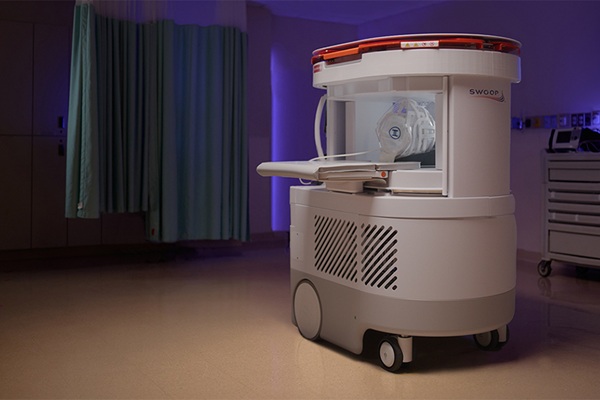
Portable MRI System Accelerates Emergency Brain Imaging and Triage
Emergency departments frequently face delays accessing conventional magnetic resonance imaging (MRI) for patients with suspected neurological emergencies. Such waits can slow triage, prolong boarding,... Read more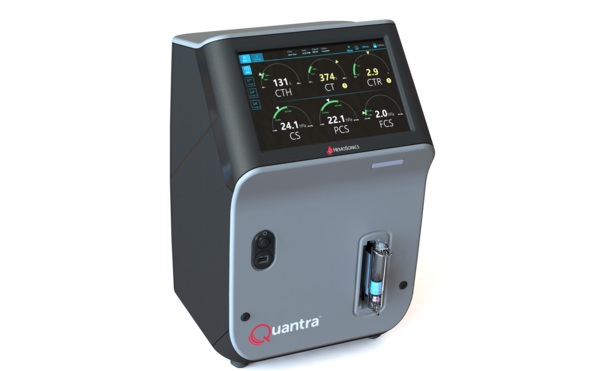
Point-of-Care Viscoelastic Testing System Supports Obstetric Bleeding Management
HemoSonics (Durham, NC, USA) announced on May 5, 2026 that the company's Quantra Hemostasis System for Obstetric Procedures won Silver in the 2026 Edison Awards in the Women’s Health and Reproductive Innovations... Read more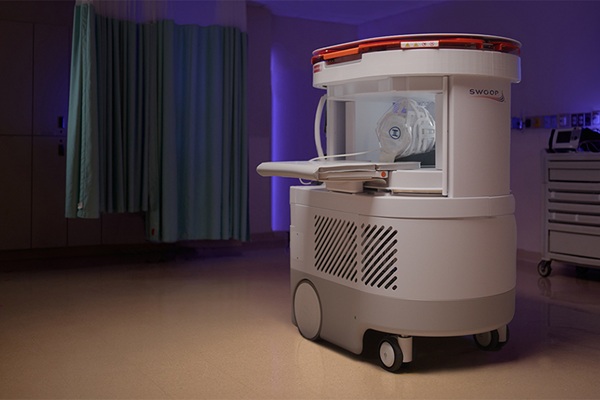

Business
view channel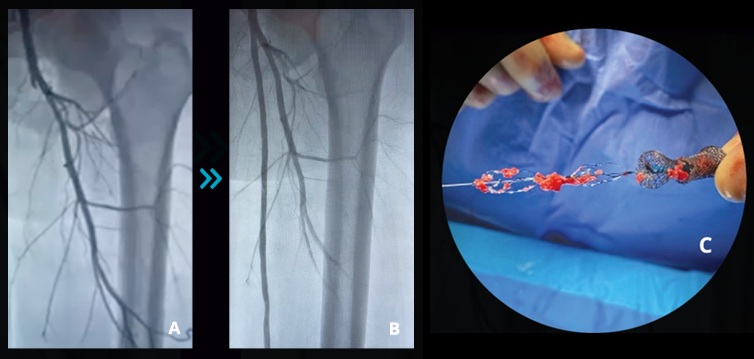
Endologix Adds FDA-Cleared Peripheral Thrombectomy System
Endologix (Santa Rosa, CA, USA) has acquired the Pounce Thrombectomy System from Surmodics, with the transaction closing on May 18, 2026. The FDA-cleared system is indicated for the non-surgical removal... Read more