






Blood Purifier Captures Deadly Viral Pathogens
|
By HospiMedica International staff writers Posted on 11 Jul 2013 |


|
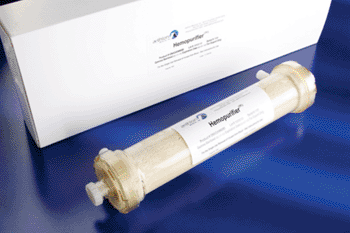
Image: The Aethlon Medical Hemopurifier (Photo courtesy of Aethlon Medical).
A first-in-class medical device targets the rapid elimination of life-threatening infectious disease and cancer glycopathogens from circulation.
The Aethlon Medical Hemopurifier is based on the affinity lectin Galanthus nivalis agglutinin (GNA), which selectively binds unique high mannose signatures—abundant on the surface of cancer-secreted exosomes and glycoproteins—that resides on the outer membrane of infectious viral pathogens. Advanced plasma membrane technology is then used to eliminate broad-spectrum disease targets rapidly, based on the GNA affinity. The design allows extracorporeal therapeutic delivery to occur on standard continuous renal replacement therapy (CRRT) and dialysis instruments already located in hospitals and clinics worldwide.
The Hemopurifier can be used in the treatment of Hepatitis C virus (HCV) as an adjuvant to either interferon-based standard of care (SOC) or emerging all-antiviral drug regimens, without adding drug toxicity. In addition to augmenting the early viral kinetic response to SOC, the Hemopurifier is also a candidate solution for viral rebound patients who are forced to discontinue therapy at the point HCV establishes resistance to drug regimens. The Hemopurifier also addresses the large population of HCV-infected end stage renal disease (ESRD) patients for which SOC and emerging all-antiviral strategies may be contraindicated or not yet cleared.
In studies conducted in India, Hemopurifier therapy was demonstrated to be well tolerated in treatment of naïve HIV and HCV-infected ESRD patients when included during normally scheduled four-hour dialysis sessions. In these studies, average per treatment viral load reductions were observed to exceed 50% in both disease conditions. In follow-on studies of non-ESRD individuals infected with HCV, a three-treatment protocol of Hemopurifier therapy in combination with interferon-based SOC resulted in undetectable HCV in as little as seven days in hardest to treat patients. The studies also documented the ability of the Hemopurifier to capture as many as 300 billion HCV copies during a single six-hour treatment.
The Hemopurifier also captures tumor-derived exosomes possessing immunosuppressive properties that facilitate tumor growth, metastasis, and the development of drug resistance. The microvesicular particles suppress the immune response in cancer patients through apoptosis of immune cells, and their quantity in circulation correlates directly with disease progression. The Hemopurifier is used as an adjunct to established cancer treatment regimens, capturing exosomes underlying lymphoma, melanoma, ovarian, and breast cancer. The Hemopurifier is a product of Aethlon Medical (San Diego, CA, USA), and has received an investigational device exemption (IDE) from the US Food and Drug Administration (FDA) to initiate human feasibility studies.
“Aethlon Medical has been laying the groundwork necessary to implement the now approved clinical trial protocol for several years,” said Rod Kenley, President of Aethlon Medical. “We are finally able to move forward with our contract research and clinical partners in finalizing all of the activities that can now take place prior to initiating treatment of the first patient. While there is still some work to be done, today the biggest hurdle has been cleared, and we are anxious to make rapid progress towards commercialization.”
Related Links:
Aethlon Medical





The Aethlon Medical Hemopurifier is based on the affinity lectin Galanthus nivalis agglutinin (GNA), which selectively binds unique high mannose signatures—abundant on the surface of cancer-secreted exosomes and glycoproteins—that resides on the outer membrane of infectious viral pathogens. Advanced plasma membrane technology is then used to eliminate broad-spectrum disease targets rapidly, based on the GNA affinity. The design allows extracorporeal therapeutic delivery to occur on standard continuous renal replacement therapy (CRRT) and dialysis instruments already located in hospitals and clinics worldwide.
The Hemopurifier can be used in the treatment of Hepatitis C virus (HCV) as an adjuvant to either interferon-based standard of care (SOC) or emerging all-antiviral drug regimens, without adding drug toxicity. In addition to augmenting the early viral kinetic response to SOC, the Hemopurifier is also a candidate solution for viral rebound patients who are forced to discontinue therapy at the point HCV establishes resistance to drug regimens. The Hemopurifier also addresses the large population of HCV-infected end stage renal disease (ESRD) patients for which SOC and emerging all-antiviral strategies may be contraindicated or not yet cleared.
In studies conducted in India, Hemopurifier therapy was demonstrated to be well tolerated in treatment of naïve HIV and HCV-infected ESRD patients when included during normally scheduled four-hour dialysis sessions. In these studies, average per treatment viral load reductions were observed to exceed 50% in both disease conditions. In follow-on studies of non-ESRD individuals infected with HCV, a three-treatment protocol of Hemopurifier therapy in combination with interferon-based SOC resulted in undetectable HCV in as little as seven days in hardest to treat patients. The studies also documented the ability of the Hemopurifier to capture as many as 300 billion HCV copies during a single six-hour treatment.
The Hemopurifier also captures tumor-derived exosomes possessing immunosuppressive properties that facilitate tumor growth, metastasis, and the development of drug resistance. The microvesicular particles suppress the immune response in cancer patients through apoptosis of immune cells, and their quantity in circulation correlates directly with disease progression. The Hemopurifier is used as an adjunct to established cancer treatment regimens, capturing exosomes underlying lymphoma, melanoma, ovarian, and breast cancer. The Hemopurifier is a product of Aethlon Medical (San Diego, CA, USA), and has received an investigational device exemption (IDE) from the US Food and Drug Administration (FDA) to initiate human feasibility studies.
“Aethlon Medical has been laying the groundwork necessary to implement the now approved clinical trial protocol for several years,” said Rod Kenley, President of Aethlon Medical. “We are finally able to move forward with our contract research and clinical partners in finalizing all of the activities that can now take place prior to initiating treatment of the first patient. While there is still some work to be done, today the biggest hurdle has been cleared, and we are anxious to make rapid progress towards commercialization.”
Related Links:
Aethlon Medical

Gold Member
STI Test
Vivalytic Sexually Transmitted Infection (STI) Array
New
POC Respiratory/Sore Throat Test
BIOFIRE SPOTFIRE (R/ST) Panel
New
X-Ray Generator
Advantage Plus Generators
Latest Critical Care News
- Noninvasive Monitoring Device Enables Earlier Intervention in Heart Failure
- Automated IV Labeling Solution Improves Infusion Safety and Efficiency
- First-Of-Its-Kind AI Tool Detects Pulmonary Hypertension from Standard ECGs
- 4D Digital Twin Heart Model Improves CRT Outcomes
- AI Turns Glucose Data Into Actionable Insights for Diabetes Care
- Microscale Wireless Implant Tracks Brain Activity Over Time
- Smart Mask Delivers Continuous, Battery-Free Breath Monitoring
- Routine Blood Pressure Readings May Identify Risk of Future Cognitive Decline
- CGM-Based Algorithm Enhances Insulin Dose Adjustment in Type 2 Diabetes
- Fish Scale–Based Implants Offer New Approach to Corneal Repair
- Dual-Function Wound Patch Combines Infection Sensing and Treatment
- Smartwatch Signals and Blood Tests Team Up for Early Warning on Insulin Resistance
- Smart Fabric Technology Aims to Prevent Pressure Injuries in Hospital Care
- Standardized Treatment Algorithm Improves Blood Pressure Control
- Combined Infection Control Strategy Limits Drug-Resistant Outbreak in NICU
- AI Helps Predict Which Heart-Failure Patients Will Worsen Within a Year
Channels
Artificial Intelligence
view channel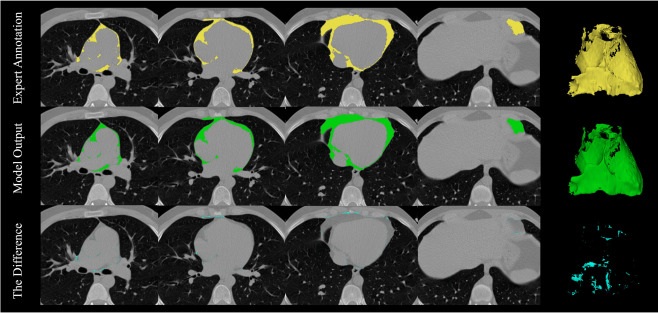
AI Analysis of Pericardial Fat Refines Long-Term Heart Disease Risk
Accurately identifying long-term cardiovascular disease risk in asymptomatic adults remains challenging for clinicians. Missed or underestimated risk delays preventive therapy and increases the chance... Read more
Machine Learning Approach Enhances Liver Cancer Risk Stratification
Hepatocellular carcinoma, the most common form of primary liver cancer, is often detected late despite targeted surveillance programs. Current screening guidelines emphasize patients with known cirrhosis,... Read more

Surgical Techniques
view channel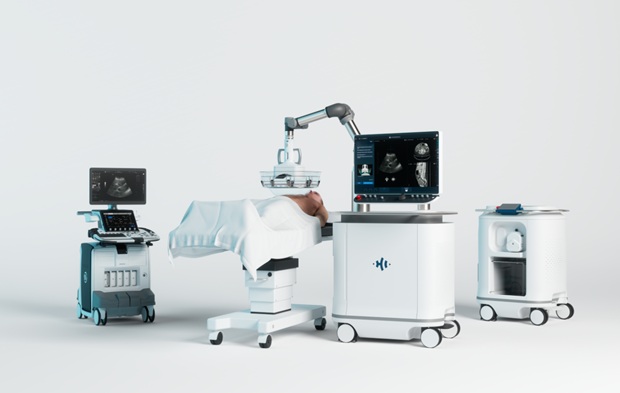
Ultrasound Technology Aims to Replace Invasive BPH Procedures
Benign prostatic hyperplasia (BPH) is a frequent cause of lower urinary tract symptoms in aging men and often requires invasive procedures or prolonged recovery. With prevalence expected to rise as populations... Read more
Continuous Monitoring with Wearables Enhances Postoperative Patient Safety
Postoperative hypoxemia on general surgical wards is common and often missed by intermittent vital sign checks. Undetected low oxygen levels can delay recovery and raise the risk of complications that... Read more
Patient Care
view channel
Wearable Sleep Data Predict Adherence to Pulmonary Rehabilitation
Chronic obstructive pulmonary disease (COPD) is a long-term lung disorder that makes breathing difficult and often disturbs sleep, reducing energy for daily activities. Limited engagement in pulmonary... Read more
Revolutionary Automatic IV-Line Flushing Device to Enhance Infusion Care
More than 80% of in-hospital patients receive intravenous (IV) therapy. Every dose of IV medicine delivered in a small volume (<250 mL) infusion bag should be followed by subsequent flushing to ensure... Read more

Health IT
view channel
EMR-Based Tool Predicts Graft Failure After Kidney Transplant
Kidney transplantation offers patients with end-stage kidney disease longer survival and better quality of life than dialysis, yet graft failure remains a major challenge. Although a successful transplant... Read more
Printable Molecule-Selective Nanoparticles Enable Mass Production of Wearable Biosensors
The future of medicine is likely to focus on the personalization of healthcare—understanding exactly what an individual requires and delivering the appropriate combination of nutrients, metabolites, and... Read more


Business
view channel
GE HealthCare Leads Major European Initiative to Advance Cardio-Oncology Care
Cardiovascular complications are increasingly recognized among people undergoing or recovering from cancer treatment, driven by pre‑existing disease and the cardiotoxic effects of chemotherapy, radiotherapy,... Read more

