






Anterior Lumbar Fixation System Simplifies Spinal Fusion
|
By HospiMedica International staff writers Posted on 24 Oct 2013 |


|
An innovative surgical device uses a one-step locking mechanism that simplifies stand-alone intervertebral fusion surgery.
The Logic system is indicated for stand-alone intervertebral body fusion in patients with degenerative disc disease, at one or two contiguous levels of the lumbosacral spine (L2-S1). Each implant is designed with a large central window for optimum autograft bone placement, with size offerings range 10–20 mm in height, and all devices having an anatomically-shaped lordotic angle that matches the convex curvature of the vertebral endplates. The devices are implanted into the intervertebral space and are then stabilized with three screws placed through the device into the vertebrae to facilitate fusion.
The Logic system is made of PEEK-OPTIMA polymer, a versatile polymeric biomaterial with strength and durability characteristics that provides a combination of high strength, stiffness and toughness, and proven biocompatibility. Another feature is inherent radiolucency, which does not generate image artifacts that interfere with the assessment of the healing site via X-ray, computerized tomography (CT), or magnetic resonance imaging (MRI) imaging modalities. The Logic system is a product of Binder Biomedical (Miami, FL, USA); PEEK-OPTIMA is manufactured by Invibio Biomaterial Solutions (West Conshohocken, PA, USA).
“We are excited to bring such a streamlined device to market,” said Lawrence Binder, President of Binder Biomedical. “Our design team has done a great job putting together such a comprehensive system, ensuring that it can be tailored to any surgeon's preferred surgical technique."
“Rather than being content with the industry standard, we have created a truly innovative system that reflects our lengthy collective experience as surgeons and engineers,” added design team member Peter Whang, MD, an associate professor in the department of orthopedics at Yale University School of Medicine (New Haven, CT, USA). “Together, we have created a world-class system that meets all of our needs while maintaining ease of use.”
Interbody devices are designed to replace the intervertebral disc of the spine, enhancing stability in the region while the spine fuses. Over time, the packed bone graft material is gradually replaced by natural bone. The fusion procedure typically uses a posterior fixation device to the associated level, since the surgeons will implant interbody devices from an anterior approach and flip the patient over to implant a posterior pedicle screw device. This combination increases fusion success.
Related Links:
Binder Biomedical
Invibio Biomaterial Solutions






The Logic system is indicated for stand-alone intervertebral body fusion in patients with degenerative disc disease, at one or two contiguous levels of the lumbosacral spine (L2-S1). Each implant is designed with a large central window for optimum autograft bone placement, with size offerings range 10–20 mm in height, and all devices having an anatomically-shaped lordotic angle that matches the convex curvature of the vertebral endplates. The devices are implanted into the intervertebral space and are then stabilized with three screws placed through the device into the vertebrae to facilitate fusion.
The Logic system is made of PEEK-OPTIMA polymer, a versatile polymeric biomaterial with strength and durability characteristics that provides a combination of high strength, stiffness and toughness, and proven biocompatibility. Another feature is inherent radiolucency, which does not generate image artifacts that interfere with the assessment of the healing site via X-ray, computerized tomography (CT), or magnetic resonance imaging (MRI) imaging modalities. The Logic system is a product of Binder Biomedical (Miami, FL, USA); PEEK-OPTIMA is manufactured by Invibio Biomaterial Solutions (West Conshohocken, PA, USA).
“We are excited to bring such a streamlined device to market,” said Lawrence Binder, President of Binder Biomedical. “Our design team has done a great job putting together such a comprehensive system, ensuring that it can be tailored to any surgeon's preferred surgical technique."
“Rather than being content with the industry standard, we have created a truly innovative system that reflects our lengthy collective experience as surgeons and engineers,” added design team member Peter Whang, MD, an associate professor in the department of orthopedics at Yale University School of Medicine (New Haven, CT, USA). “Together, we have created a world-class system that meets all of our needs while maintaining ease of use.”
Interbody devices are designed to replace the intervertebral disc of the spine, enhancing stability in the region while the spine fuses. Over time, the packed bone graft material is gradually replaced by natural bone. The fusion procedure typically uses a posterior fixation device to the associated level, since the surgeons will implant interbody devices from an anterior approach and flip the patient over to implant a posterior pedicle screw device. This combination increases fusion success.
Related Links:
Binder Biomedical
Invibio Biomaterial Solutions

New
Gold Member
Handheld Blood Glucose Analyzer
STAT-Site
New
Creatinine/eGFR Meter
StatSensor® Creatinine/eGFR Meter
New
Fetal Monitor
BT-380
Latest Surgical Techniques News
- Fiber-Form Bone Graft Expands Intraoperative Options for Spinal Fusion
- Ultrasound‑Aided Catheter Treatment Cuts Early Collapse in Pulmonary Embolism
- Ultrasound Technology Aims to Replace Invasive BPH Procedures
- Continuous Monitoring with Wearables Enhances Postoperative Patient Safety
- New Approach Enables Customized Muscle Tissue Without Biomaterial Scaffolds
- Robot-Assisted Brain Angiography Improves Procedural Outcomes
- Brain Mapping Technology Enhances Precision in Brain Tumor Resection
- Handheld Robotic System Expands Options for Total Knee Surgery
- VR Experience Reduces Patient Anxiety Before Kidney Stone Procedure
- Injectable Mini Livers Offer Hope for Patients Awaiting Transplant
- Pulsed Field Ablation Technology Cleared in Europe for Persistent AFib
- AI-Powered Imaging Brings Real-Time Margin Clarity to Breast Cancer Surgery
- Minimally Invasive Device Safely Treats Challenging Brain Aneurysms
- Surgical Robot Makes Complex Liver Tumor Surgery Safer and Less Invasive
- Neurostimulation Implant Reduces Seizure Burden in Drug-Resistant Epilepsy
- Minimally Invasive Procedure Effectively Treats Small Kidney Cancers
Channels
Artificial Intelligence
view channel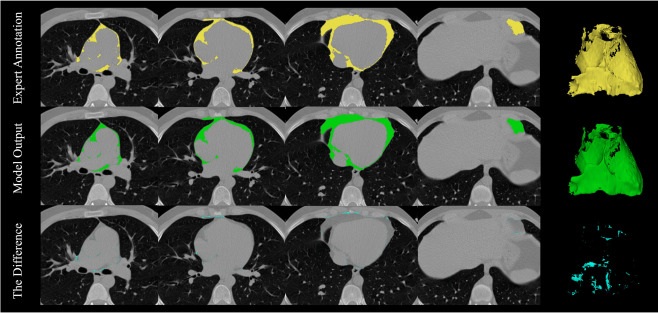
AI Analysis of Pericardial Fat Refines Long-Term Heart Disease Risk
Accurately identifying long-term cardiovascular disease risk in asymptomatic adults remains challenging for clinicians. Missed or underestimated risk delays preventive therapy and increases the chance... Read more
Machine Learning Approach Enhances Liver Cancer Risk Stratification
Hepatocellular carcinoma, the most common form of primary liver cancer, is often detected late despite targeted surveillance programs. Current screening guidelines emphasize patients with known cirrhosis,... Read more

Critical Care
view channel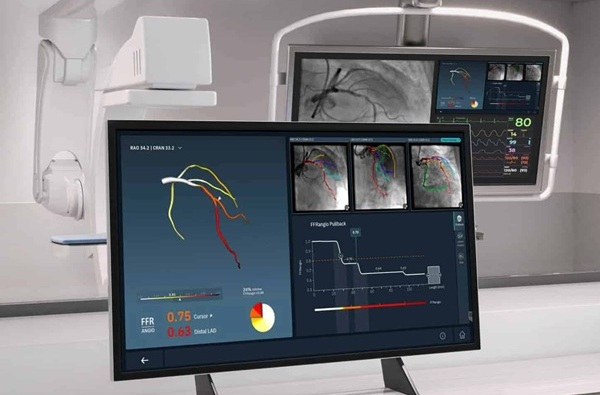
Angiography-Based FFR Approach Matches Gold Standard Results Without Wires
Accurately determining whether a coronary stenosis limits blood flow is essential to guide percutaneous coronary intervention, yet wire-based physiologic testing remains underused due to added procedural... Read more
Eye Imaging AI Identifies Elevated Cardiovascular Risk
Many adults at risk for atherosclerotic cardiovascular disease are not identified until they undergo formal primary care assessment. Delayed risk recognition can postpone initiation of statins and lifestyle... Read more

Patient Care
view channel
Wearable Sleep Data Predict Adherence to Pulmonary Rehabilitation
Chronic obstructive pulmonary disease (COPD) is a long-term lung disorder that makes breathing difficult and often disturbs sleep, reducing energy for daily activities. Limited engagement in pulmonary... Read more
Revolutionary Automatic IV-Line Flushing Device to Enhance Infusion Care
More than 80% of in-hospital patients receive intravenous (IV) therapy. Every dose of IV medicine delivered in a small volume (<250 mL) infusion bag should be followed by subsequent flushing to ensure... Read more

Health IT
view channel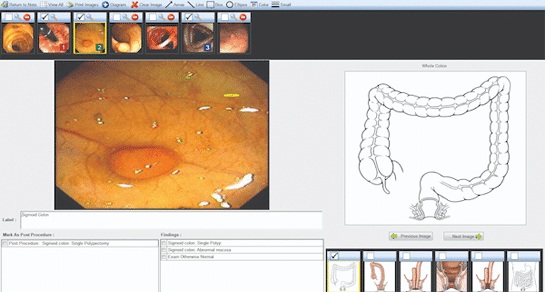
Voice-Driven AI System Enables Structured GI Procedure Documentation
Documentation during gastrointestinal (GI) procedures often competes with real-time clinical decision-making and imposes a significant cognitive burden on physicians. Manual data entry and post-procedure... Read more
EMR-Based Tool Predicts Graft Failure After Kidney Transplant
Kidney transplantation offers patients with end-stage kidney disease longer survival and better quality of life than dialysis, yet graft failure remains a major challenge. Although a successful transplant... Read more
Printable Molecule-Selective Nanoparticles Enable Mass Production of Wearable Biosensors
The future of medicine is likely to focus on the personalization of healthcare—understanding exactly what an individual requires and delivering the appropriate combination of nutrients, metabolites, and... Read more

Business
view channel
GE HealthCare Leads Major European Initiative to Advance Cardio-Oncology Care
Cardiovascular complications are increasingly recognized among people undergoing or recovering from cancer treatment, driven by pre‑existing disease and the cardiotoxic effects of chemotherapy, radiotherapy,... Read more

