






Patient Wristband Eliminates Mistaken Identity Hazard
|
By HospiMedica International staff writers Posted on 04 Feb 2014 |


|
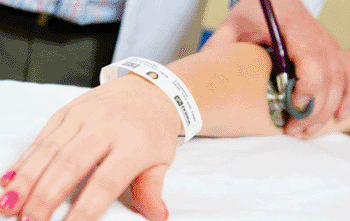
Image: The LaserBand 2 Advanced latex-free direct print laser wristband (Photo courtesy of Zebra Technologies).
A laser-printed identification (ID) wristband enhances patient-centered care and reduces treatment errors.
The LaserBand 2 Advanced latex-free direct print laser wristbands feature a unique shape and design that makes assembly easy and allows the wristbands to lie flat on the wrist, simplifying quick scanning, while providing superior patient comfort. Features of the wristband include a self-laminating design that protects printed text and barcodes and a tamper-evident, adhesive closure. The wristbands are available in adult, pediatric, and infant sizes and several colors, as well as a labor and delivery format, and a wristband extender is available to fit a wider range of wrist sizes.
The wristbands can be printed together with patient chart labels on one sheet using existing laser printers, streamlining patient admissions. A patented self-laminating seal protects the wristband from moisture and hand-sanitizers, preserving patient data for longer wristband usability. The wristbands are also available with hole-punches for securing them into patient charts. The LaserBand 2 Advanced wristbands are a product of Zebra Technologies (Lincolnshire, IL, USA).
“Patient-centered care and safety is every hospital’s number one priority and accurate patient identification is fundamental to achieving this,” said Pratik Kajaria, territory manager for the Middle East at Zebra Technologies Europe. “Zebra’s LaserBand healthcare wristband and barcode printing solutions can help hospitals, healthcare organizations, and laboratories … reduce or eliminate human errors and increase overall productivity, whilst meeting the standards for patient safety set by healthcare regulators and international accreditation bodies.”
Barcoded wristbands serve as an alternative to printed text for expressing patient information, lab sample management, and streamlining of facility operations. Using barcoded wristbands, nurses, doctors, medical assistants, lab technicians, and other personnel can correctly identify the patient and be sure they administer the correct treatment.
Related Links:
Zebra Technologies





The LaserBand 2 Advanced latex-free direct print laser wristbands feature a unique shape and design that makes assembly easy and allows the wristbands to lie flat on the wrist, simplifying quick scanning, while providing superior patient comfort. Features of the wristband include a self-laminating design that protects printed text and barcodes and a tamper-evident, adhesive closure. The wristbands are available in adult, pediatric, and infant sizes and several colors, as well as a labor and delivery format, and a wristband extender is available to fit a wider range of wrist sizes.
The wristbands can be printed together with patient chart labels on one sheet using existing laser printers, streamlining patient admissions. A patented self-laminating seal protects the wristband from moisture and hand-sanitizers, preserving patient data for longer wristband usability. The wristbands are also available with hole-punches for securing them into patient charts. The LaserBand 2 Advanced wristbands are a product of Zebra Technologies (Lincolnshire, IL, USA).
“Patient-centered care and safety is every hospital’s number one priority and accurate patient identification is fundamental to achieving this,” said Pratik Kajaria, territory manager for the Middle East at Zebra Technologies Europe. “Zebra’s LaserBand healthcare wristband and barcode printing solutions can help hospitals, healthcare organizations, and laboratories … reduce or eliminate human errors and increase overall productivity, whilst meeting the standards for patient safety set by healthcare regulators and international accreditation bodies.”
Barcoded wristbands serve as an alternative to printed text for expressing patient information, lab sample management, and streamlining of facility operations. Using barcoded wristbands, nurses, doctors, medical assistants, lab technicians, and other personnel can correctly identify the patient and be sure they administer the correct treatment.
Related Links:
Zebra Technologies

Gold Member
STI Test
Vivalytic Sexually Transmitted Infection (STI) Array
New
POC Respiratory/Sore Throat Test
BIOFIRE SPOTFIRE (R/ST) Panel
New
Vessel Sealing Instrument
ERGOseal
Latest Health IT News
- Voice-Driven AI System Enables Structured GI Procedure Documentation
- EMR-Based Tool Predicts Graft Failure After Kidney Transplant
- Printable Molecule-Selective Nanoparticles Enable Mass Production of Wearable Biosensors
- Smartwatches Could Detect Congestive Heart Failure
- Versatile Smart Patch Combines Health Monitoring and Drug Delivery
Channels
Artificial Intelligence
view channel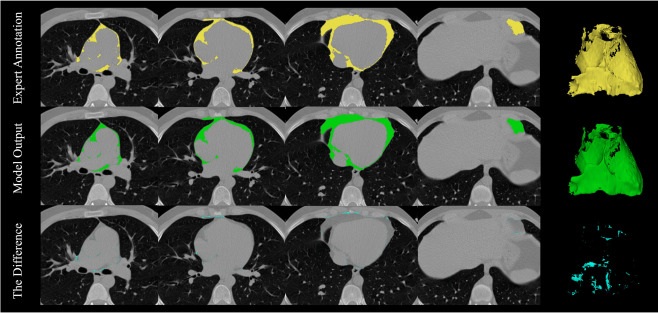
AI Analysis of Pericardial Fat Refines Long-Term Heart Disease Risk
Accurately identifying long-term cardiovascular disease risk in asymptomatic adults remains challenging for clinicians. Missed or underestimated risk delays preventive therapy and increases the chance... Read more
Machine Learning Approach Enhances Liver Cancer Risk Stratification
Hepatocellular carcinoma, the most common form of primary liver cancer, is often detected late despite targeted surveillance programs. Current screening guidelines emphasize patients with known cirrhosis,... Read more

Critical Care
view channel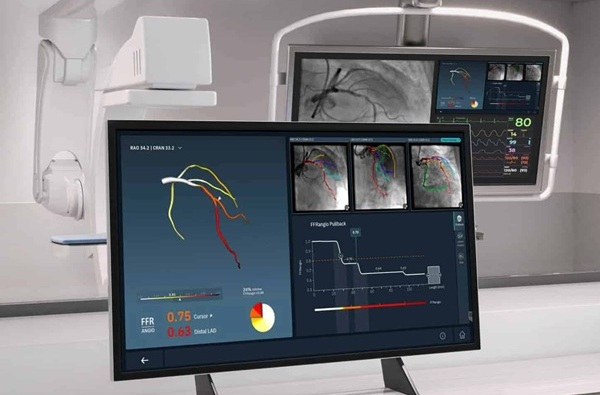
Angiography-Based FFR Approach Matches Gold Standard Results Without Wires
Accurately determining whether a coronary stenosis limits blood flow is essential to guide percutaneous coronary intervention, yet wire-based physiologic testing remains underused due to added procedural... Read more
Eye Imaging AI Identifies Elevated Cardiovascular Risk
Many adults at risk for atherosclerotic cardiovascular disease are not identified until they undergo formal primary care assessment. Delayed risk recognition can postpone initiation of statins and lifestyle... Read more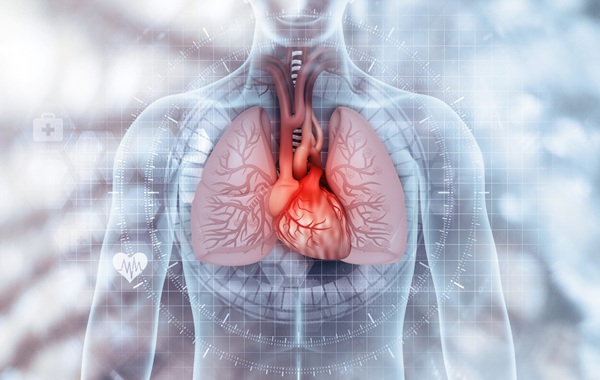

Surgical Techniques
view channel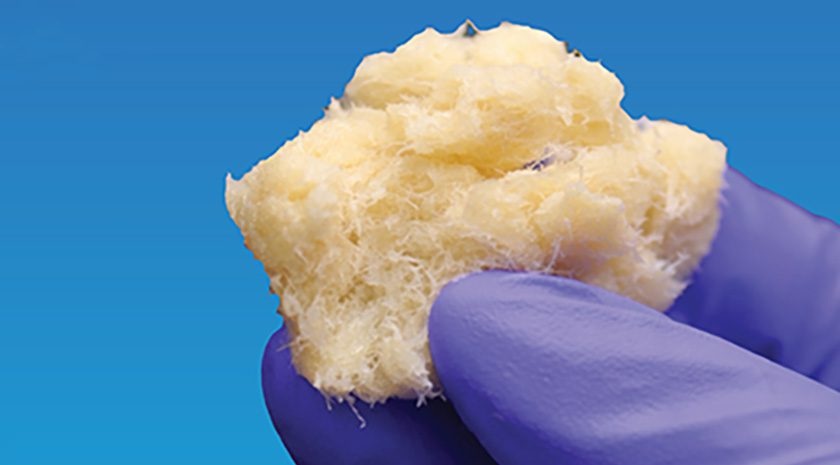
Fiber-Form Bone Graft Expands Intraoperative Options for Spinal Fusion
Spinal and orthopedic fusion procedures often require bone graft materials that handle predictably and support bone formation. Surgeons face added complexity in difficult anatomy and challenging fusion environments.... Read more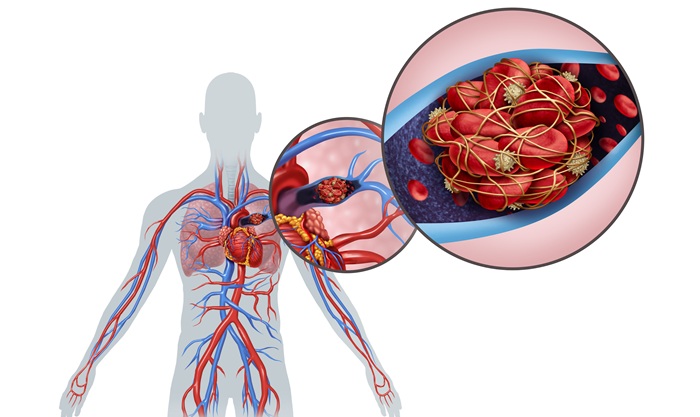
Ultrasound‑Aided Catheter Treatment Cuts Early Collapse in Pulmonary Embolism
Acute pulmonary embolism can cause rapid hemodynamic deterioration and early death in hospitalized and emergency patients. Systemic thrombolysis can dissolve clots but is limited by a high risk of major... Read more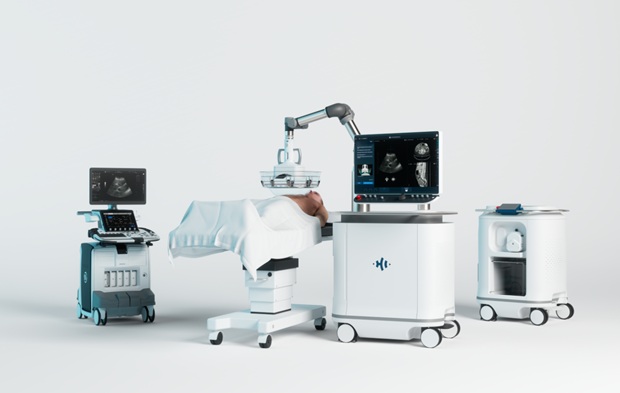

Health IT
view channel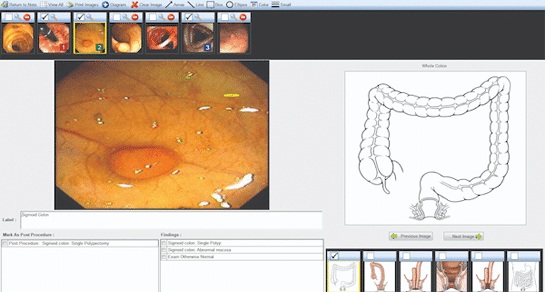
Voice-Driven AI System Enables Structured GI Procedure Documentation
Documentation during gastrointestinal (GI) procedures often competes with real-time clinical decision-making and imposes a significant cognitive burden on physicians. Manual data entry and post-procedure... Read more
EMR-Based Tool Predicts Graft Failure After Kidney Transplant
Kidney transplantation offers patients with end-stage kidney disease longer survival and better quality of life than dialysis, yet graft failure remains a major challenge. Although a successful transplant... Read more
Printable Molecule-Selective Nanoparticles Enable Mass Production of Wearable Biosensors
The future of medicine is likely to focus on the personalization of healthcare—understanding exactly what an individual requires and delivering the appropriate combination of nutrients, metabolites, and... Read more

Business
view channel
GE HealthCare Leads Major European Initiative to Advance Cardio-Oncology Care
Cardiovascular complications are increasingly recognized among people undergoing or recovering from cancer treatment, driven by pre‑existing disease and the cardiotoxic effects of chemotherapy, radiotherapy,... Read more

