Cardinal to Acquire Cordis Vascular Technology for USD 1.94 Billion
|
By HospiMedica International staff writers Posted on 15 Mar 2015 |


|
US pharmaceutical and medical equipment maker Johnson & Johnson (J&J; New Brunswick, NJ, USA) has agreed to sell its Cordis vascular technology unit to Cardinal Health (Dublin, OH, USA) for USD 1.94 billion.
The acquisition follows a sequence of strategic moves for Cardinal Health in the areas of cardiology, wound management, and orthopedics, and is designed to elevate Cardinal Health to the status of a global manufacturer of cardiology and endovascular devices, as well as providing an opportunity to build a generic medical devices business that could be a powerful competitor to cardiovascular device companies such as Abbott Laboratories, Boston Scientific (Natick, MA, USA), and Medtronic.
The purchase of Cordis (Fremont, CA, USA) marks the continued departure of J&J from the cardiovascular stent business, a move that enables the company to focus on other areas that offer greater opportunities for growth. J&J said, however, that it would continue to stay in the cardiovascular disease sector through its electrophysiology business, Biosense Webster, and its leading cardiovascular treatment Xarelto.
“With an aging population and the accompanying demand for less invasive medical treatments, health systems around the world are searching for the best way to bring quality care to their patients in the most cost-effective way,” said George Barrett, chairman and CEO of Cardinal Health. “The acquisition of Cordis reinforces our strategic position to address this need and strengthens an important growth driver in the Cardinal Health portfolio.”
“This initiative is part of our ongoing disciplined portfolio management approach to focus on our most promising opportunities to help patients and drive growth,” said Gary Pruden, worldwide chairman of the global surgery group at J&J. “Cordis has made significant contributions to the field of cardiovascular care, and we believe the business has a promising future with Cardinal Health, a company with which we have a long-standing relationship.”
Related Links:
Johnson & Johnson
Cardinal Health
Cordis





The acquisition follows a sequence of strategic moves for Cardinal Health in the areas of cardiology, wound management, and orthopedics, and is designed to elevate Cardinal Health to the status of a global manufacturer of cardiology and endovascular devices, as well as providing an opportunity to build a generic medical devices business that could be a powerful competitor to cardiovascular device companies such as Abbott Laboratories, Boston Scientific (Natick, MA, USA), and Medtronic.
The purchase of Cordis (Fremont, CA, USA) marks the continued departure of J&J from the cardiovascular stent business, a move that enables the company to focus on other areas that offer greater opportunities for growth. J&J said, however, that it would continue to stay in the cardiovascular disease sector through its electrophysiology business, Biosense Webster, and its leading cardiovascular treatment Xarelto.
“With an aging population and the accompanying demand for less invasive medical treatments, health systems around the world are searching for the best way to bring quality care to their patients in the most cost-effective way,” said George Barrett, chairman and CEO of Cardinal Health. “The acquisition of Cordis reinforces our strategic position to address this need and strengthens an important growth driver in the Cardinal Health portfolio.”
“This initiative is part of our ongoing disciplined portfolio management approach to focus on our most promising opportunities to help patients and drive growth,” said Gary Pruden, worldwide chairman of the global surgery group at J&J. “Cordis has made significant contributions to the field of cardiovascular care, and we believe the business has a promising future with Cardinal Health, a company with which we have a long-standing relationship.”
Related Links:
Johnson & Johnson
Cardinal Health
Cordis

Gold Member
SARS‑CoV‑2/Flu A/Flu B/RSV Sample-To-Answer Test
SARS‑CoV‑2/Flu A/Flu B/RSV Cartridge (CE-IVD)
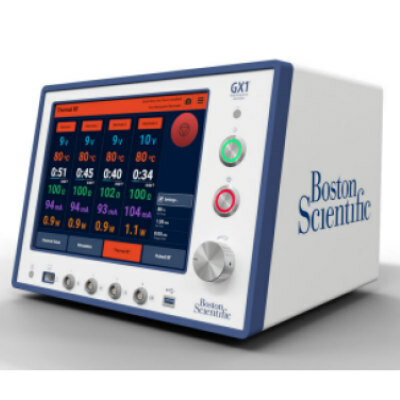
Radiofrequency Generator
GX1
POC Respiratory/Sore Throat Test
BIOFIRE SPOTFIRE (R/ST) Panel
Latest Business News
- Steris to Expand Surgical Safety Portfolio With $2.1 Billion Xodus Medical Deal
- Stryker Enters Soft-Tissue Robotics Through Strategic Alliance With CMR Surgical
- Terumo Neuro Acquisition Advances Liquid Embolic Technology for Chronic Subdural Hematoma
- World Health Expo to Showcase Trillion-Dollar Growth Across Pharma, Biotech, Longevity and Wellness at 2027 Edition
- Medtronic Receives FDA Clearance for Vessel-Sealing Instrument for Robotic Surgery
- Robotic Single-Port System Gains CE Mark for Transvaginal Gynecologic Procedures
- Smartphone-Integrated Epinephrine Auto-Injector Concept Wins Red Dot Design Award
- Partnership Advances AI Tool for Predicting Malignant Cerebral Edema
- First U.S. Commercial Cases Demonstrate New Approach to Transseptal Access
- Philips and Imricor Collaboration Advances MRI-Guided Cardiac Procedures
- FDA Approval Clears Path for BCI Integration with Personal Computing Devices
- Abbott LAA Occluder Gains CE Mark for AFib Stroke Risk Reduction
- Smart Hospital Market Set for Strong Growth as Digital Healthcare Adoption Accelerates
- FDA Seeks Feedback on Regulating Generative AI Medical Devices
- Teledyne to Acquire Varex Imaging in $1.1 Billion Deal
- MIMEDX to Add Sanara MedTech’s Regenerative Technologies Through $350 Million Deal
Channels
Artificial Intelligence
view channel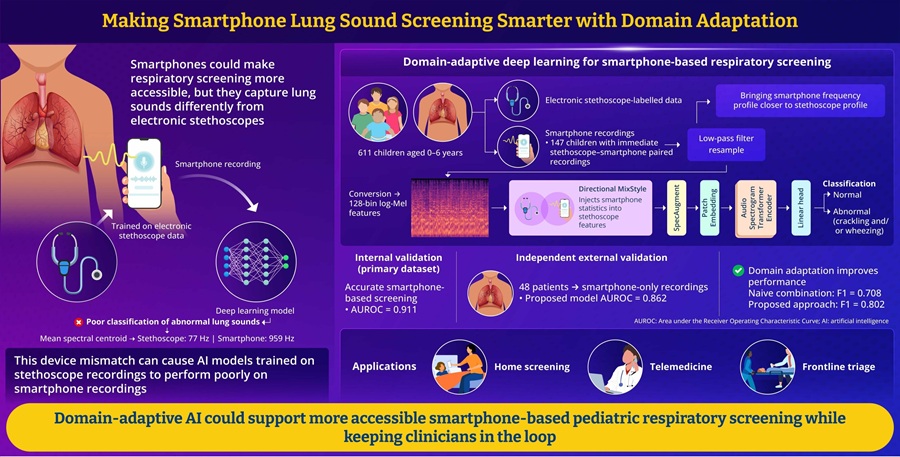
AI Tool Improves Smartphone Detection of Abnormal Pediatric Lung Sounds
Respiratory disease in children remains a major clinical concern worldwide. Abnormal lung sounds can indicate pediatric respiratory illness, but standard auscultation usually requires an in-person examination... Read more
AI Tool Detects Coronary Heart Disease from Face and Tongue Images
Coronary heart disease (CHD) develops when fatty plaques narrow the arteries supplying the heart muscle, restricting blood flow and sometimes first presenting as chest pain, myocardial infarction, or another... Read more

Critical Care
view channel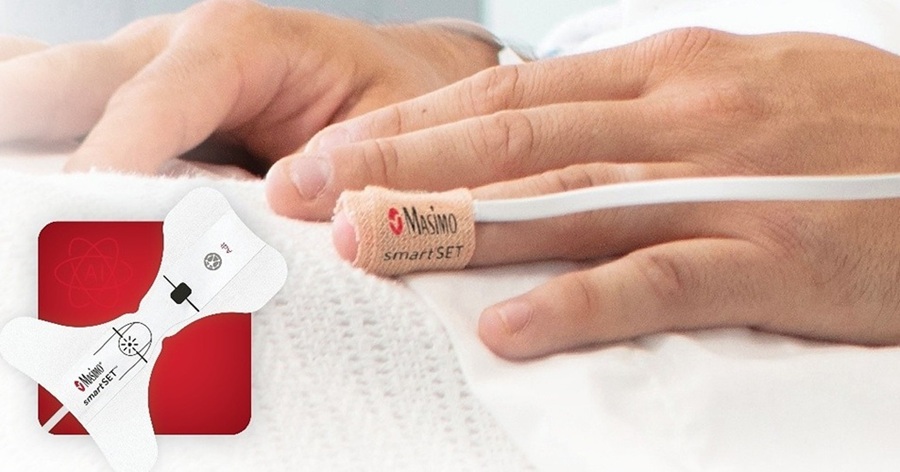
Smart Pulse Oximetry Supports Earlier Recognition of Arrhythmias and Respiratory Risk
On general care floors, respiratory compromise and arrhythmias can develop between routine checks. Atrial fibrillation often goes undiagnosed in older adults, while opioid-induced respiratory depression... Read more
Proposed Risk Score Prioritizes Sickest Patients for Heart Transplant
Donor hearts remain extremely scarce in the U.S. transplant system, with one in five candidates dying or being removed from the waiting list before receiving an organ. Current allocation rules may also... Read more

Surgical Techniques
view channel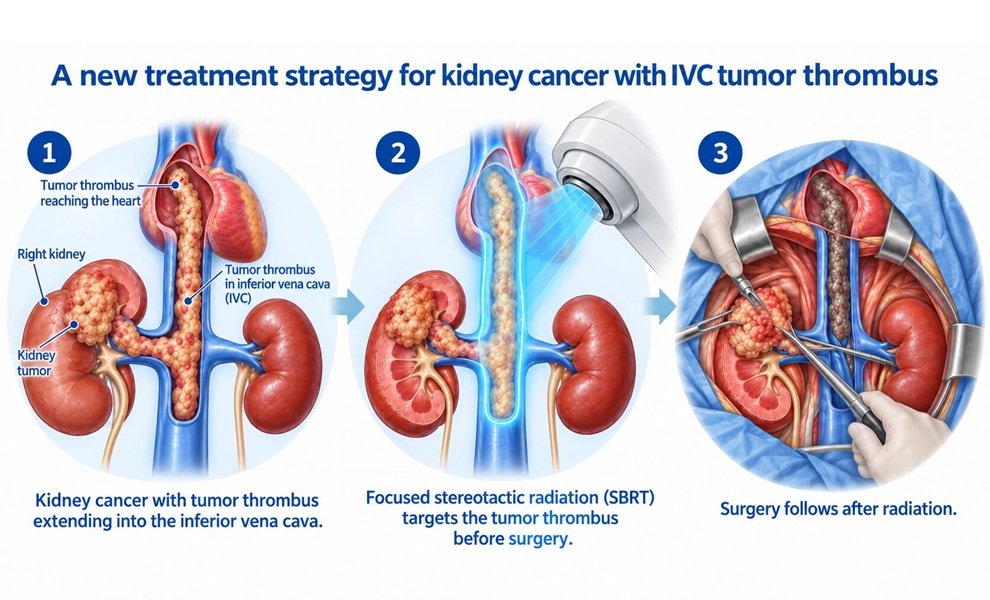
Targeted Radiotherapy Before Surgery Improves Control of Kidney Cancer Thrombus
Inferior vena cava tumor thrombus occurs when kidney cancer extends into the body’s largest vein, potentially obstructing blood flow, progressing toward the heart, and making surgery more complex.... Read more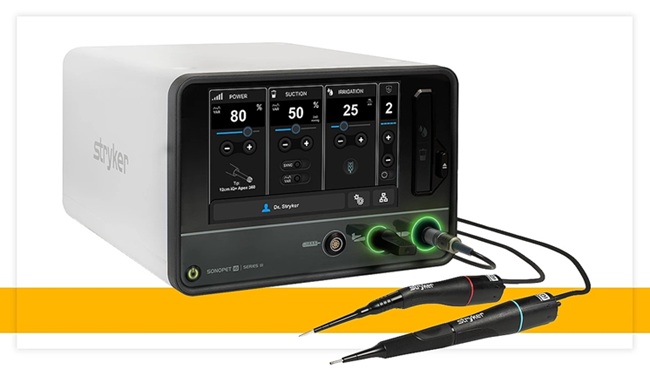
New Ultrasonic Surgical Platform Adds Control for Bone and Soft Tissue Removal
Surgical removal of bone and soft tissue requires controlled resection with sufficient power and precision. In demanding neurosurgical procedures, workflow efficiency, ergonomics, and system integration... Read more
Patient Care
view channel
AI Platform Personalizes Support Between Visits for Cancer Survivors
Cancer survivors often manage persistent side effects after treatment, including fatigue, anxiety, uncertainty, symptoms, stress, and questions between appointments. Clinical teams need ways to maintain... Read more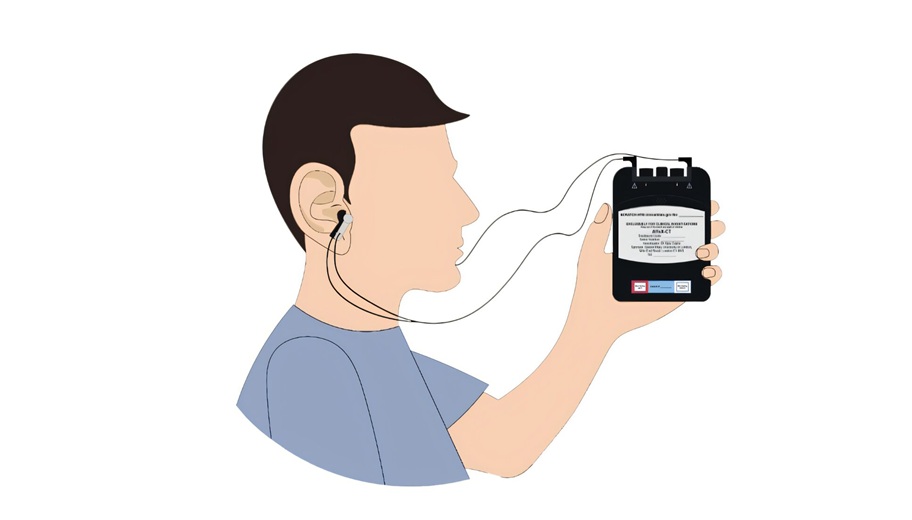
At-Home Neuromodulation Shows Promise in Selected Patients With Hypertension
High blood pressure is a major risk factor for cardiovascular disease, including heart attack and stroke. Many patients receiving treatment for hypertension still remain above recommended blood pressure... Read more
EHR Model Flags High-Risk Periods in Patients with Metastatic Breast Cancer
Determining when patients with metastatic breast cancer are nearing the end of life remains difficult, often leading to intensive interventions with limited benefit. Prognostic uncertainty can delay goals-of-care... Read more
Medical Imaging
view channel
Amyloid and Tau PET Guide Selection and Monitoring of Alzheimer’s Therapy
Alzheimer’s disease is the most common form of dementia and can be difficult to distinguish from other causes of cognitive decline. According to the World Health Organization (WHO), 57 million people were... Read more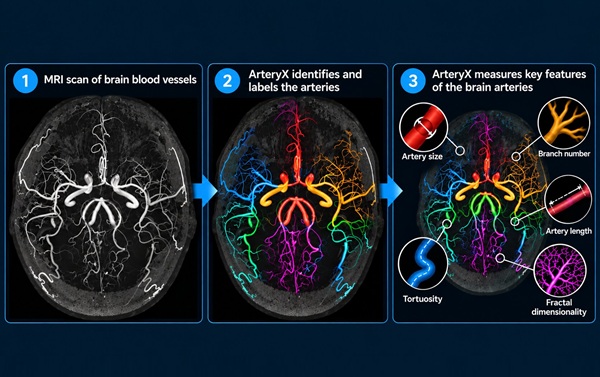
MRI Tool Analysis Identifies Vascular Differences in Cerebral Small Vessel Disease
Cerebral small vessel disease (CSVD) involves changes or damage to the brain’s small blood vessels and is associated with stroke and cognitive impairment. Magnetic resonance imaging (MRI) can show cerebral... Read more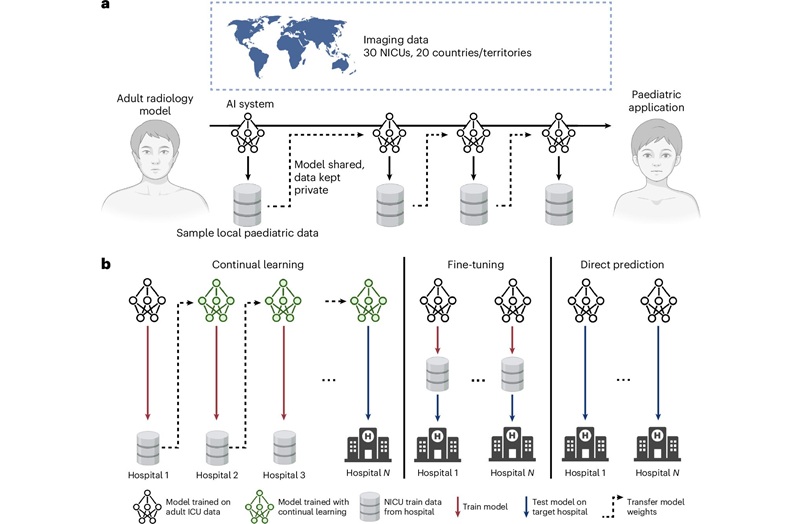
Health IT
view channel
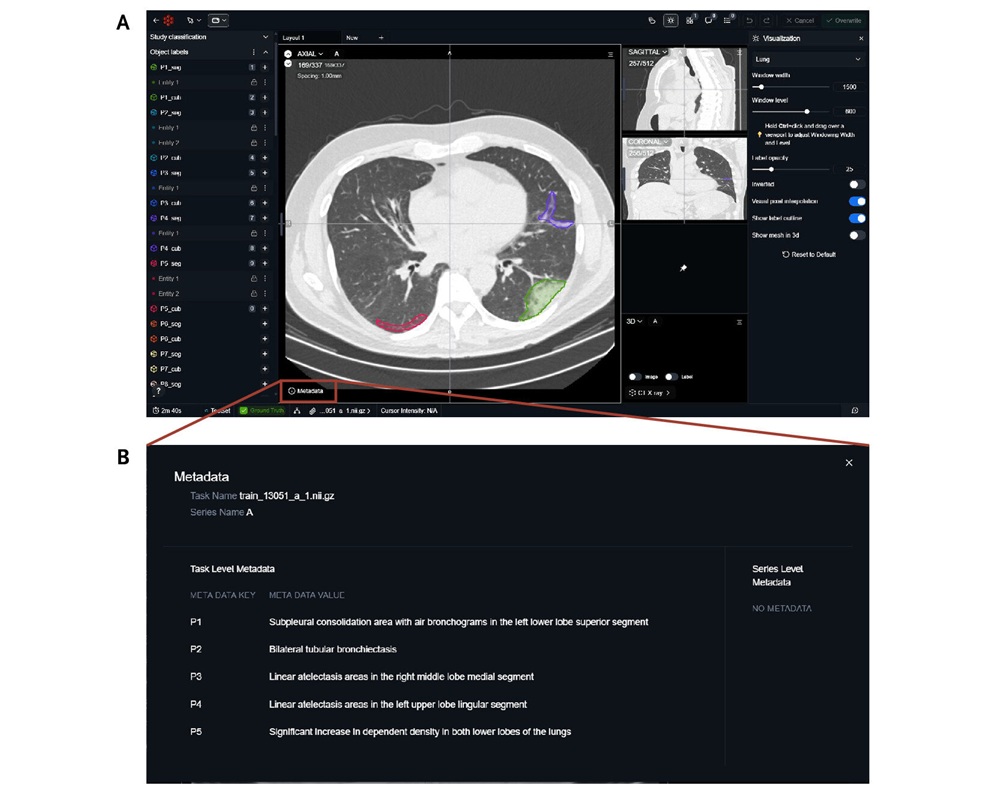
EHR Alerts Support Dosing, Sedation, and Shock Recognition in Cardiac Care
Electronic health record alerts can add to clinician workload when they are poorly targeted. In critical cardiac care, however, delayed decisions can affect treatment timing, sedation exposure, and escalation... Read more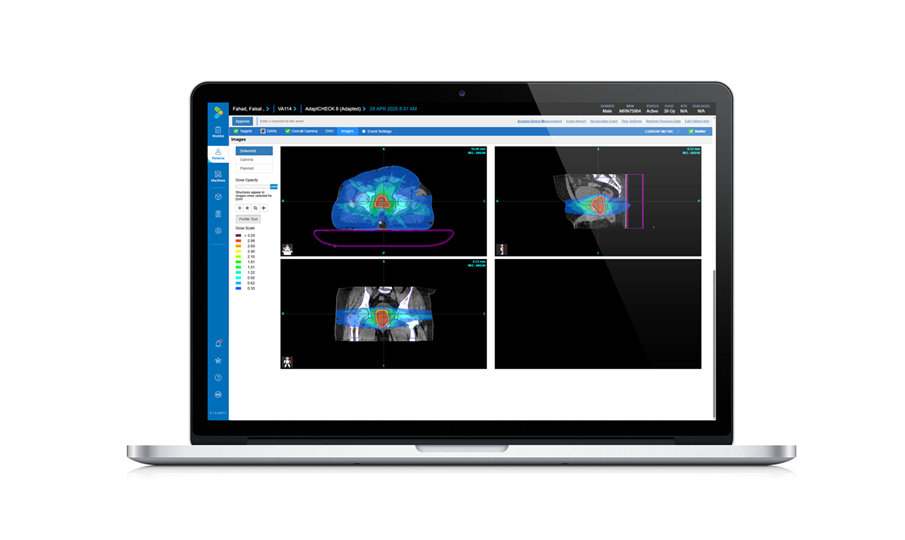
Adaptive Radiation QA Software Gains Validation for NeoArc Treatments
Adaptive radiation therapy allows clinicians to adjust treatment plans to daily anatomical changes such as tumor shrinkage, weight loss, or organ movement, improving precision while limiting exposure to... Read more

Point of Care
view channel
Continuous Glucose Monitoring Identifies Cardiometabolic Risk in Adults Without Diabetes
Dysglycemia—abnormal blood glucose regulation—can fluctuate throughout the day and often escape conventional screening. Clinicians typically rely on fasting plasma glucose and hemoglobin A1c, which offer... Read more