






New System Protects Healthcare Workers from Hazardous Drug Exposure
|
By HospiMedica International staff writers Posted on 11 Aug 2015 |


|
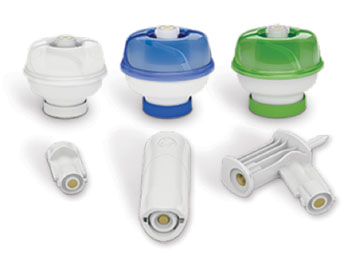
Image: The Halo Closed System Transfer Device (CSTD) (Photo courtesy of Corvida Medical).
A novel concept in hazardous drug protection provides health care professionals with a simple design that ensures compatibility with existing work procedures.
The Halo Closed System Transfer Device (CSTD) is an airtight, leak-proof, closed system that provides complete fluid and vapor containment and a strong vial attachment. Tests have shown the system prevents escape of hazardous drug or vapor concentration, bars the transfer of environmental contaminants, and prevents microbial ingress. The easy to use system comes with few pieces and fewer steps, and is compatible with existing work procedures, protocols, and disposable equipment.
The system mechanically prohibits the transfer of environmental contaminants into the system, and the escape of drug or vapor concentrations outside the system. This is achieved by addressing safety concerns for each connection type, such as drug vial adapters, syringe and line adapters, and bag spikes, containing the drug through each of the reconstitution and transfer steps. The Halo CSTD is a product of Corvida Medical (Coralville, IA, USA), and has been approved by the US Food and Drug Administration (FDA).
“We are focused on developing and introducing products designed to meet critical unmet needs, and have worked closely with thought leaders throughout our product development efforts. The feedback on Halo has been phenomenal,” said Kent Smith, President and CEO of Corvida Medical. “Health care professionals appreciate Halo’s simplicity and we look forward to introducing it to the market.”
Healthcare workers are continuously exposed to hazardous drugs during the preparation and delivery of chemotherapy, which can cause serious health problems, including cancer, infertility, genetic mutations, and other adverse effects. Protective equipment intended to shield from these dangers often can be complicated, difficult to use, and provide incomplete solutions.
Related Links:
Corvida Medical



The Halo Closed System Transfer Device (CSTD) is an airtight, leak-proof, closed system that provides complete fluid and vapor containment and a strong vial attachment. Tests have shown the system prevents escape of hazardous drug or vapor concentration, bars the transfer of environmental contaminants, and prevents microbial ingress. The easy to use system comes with few pieces and fewer steps, and is compatible with existing work procedures, protocols, and disposable equipment.
The system mechanically prohibits the transfer of environmental contaminants into the system, and the escape of drug or vapor concentrations outside the system. This is achieved by addressing safety concerns for each connection type, such as drug vial adapters, syringe and line adapters, and bag spikes, containing the drug through each of the reconstitution and transfer steps. The Halo CSTD is a product of Corvida Medical (Coralville, IA, USA), and has been approved by the US Food and Drug Administration (FDA).
“We are focused on developing and introducing products designed to meet critical unmet needs, and have worked closely with thought leaders throughout our product development efforts. The feedback on Halo has been phenomenal,” said Kent Smith, President and CEO of Corvida Medical. “Health care professionals appreciate Halo’s simplicity and we look forward to introducing it to the market.”
Healthcare workers are continuously exposed to hazardous drugs during the preparation and delivery of chemotherapy, which can cause serious health problems, including cancer, infertility, genetic mutations, and other adverse effects. Protective equipment intended to shield from these dangers often can be complicated, difficult to use, and provide incomplete solutions.
Related Links:
Corvida Medical

Gold Member
STI Test
Vivalytic Sexually Transmitted Infection (STI) Array
New
Medical Examination & Procedure Light
Vega 80
New
Desk Aneroid Sphyg
Diagnostix 750D+
Latest Critical Care News
- Angiography-Based FFR Approach Matches Gold Standard Results Without Wires
- Eye Imaging AI Identifies Elevated Cardiovascular Risk
- Noninvasive Monitoring Device Enables Earlier Intervention in Heart Failure
- Automated IV Labeling Solution Improves Infusion Safety and Efficiency
- First-Of-Its-Kind AI Tool Detects Pulmonary Hypertension from Standard ECGs
- 4D Digital Twin Heart Model Improves CRT Outcomes
- AI Turns Glucose Data Into Actionable Insights for Diabetes Care
- Microscale Wireless Implant Tracks Brain Activity Over Time
- Smart Mask Delivers Continuous, Battery-Free Breath Monitoring
- Routine Blood Pressure Readings May Identify Risk of Future Cognitive Decline
- CGM-Based Algorithm Enhances Insulin Dose Adjustment in Type 2 Diabetes
- Fish Scale–Based Implants Offer New Approach to Corneal Repair
- Dual-Function Wound Patch Combines Infection Sensing and Treatment
- Smartwatch Signals and Blood Tests Team Up for Early Warning on Insulin Resistance
- Smart Fabric Technology Aims to Prevent Pressure Injuries in Hospital Care
- Standardized Treatment Algorithm Improves Blood Pressure Control
Channels
Artificial Intelligence
view channel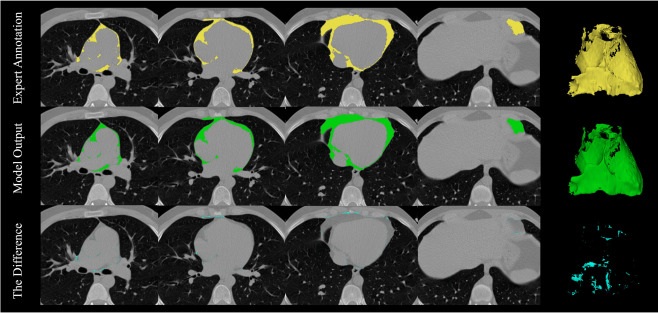
AI Analysis of Pericardial Fat Refines Long-Term Heart Disease Risk
Accurately identifying long-term cardiovascular disease risk in asymptomatic adults remains challenging for clinicians. Missed or underestimated risk delays preventive therapy and increases the chance... Read more
Machine Learning Approach Enhances Liver Cancer Risk Stratification
Hepatocellular carcinoma, the most common form of primary liver cancer, is often detected late despite targeted surveillance programs. Current screening guidelines emphasize patients with known cirrhosis,... Read more

Surgical Techniques
view channel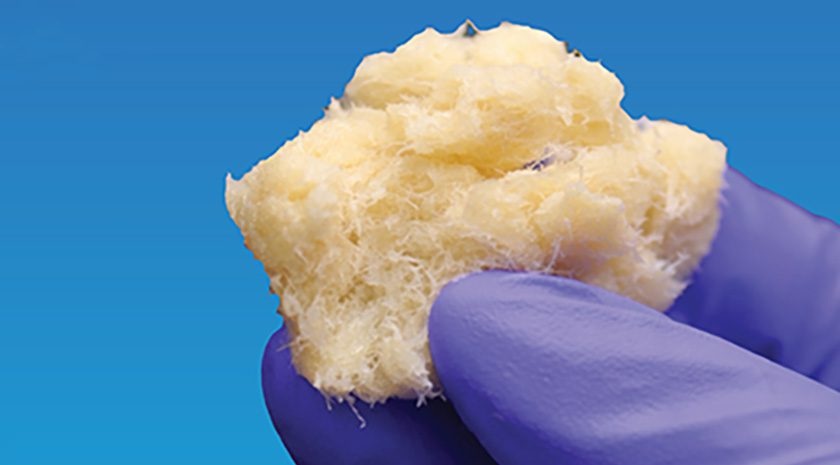
Fiber-Form Bone Graft Expands Intraoperative Options for Spinal Fusion
Spinal and orthopedic fusion procedures often require bone graft materials that handle predictably and support bone formation. Surgeons face added complexity in difficult anatomy and challenging fusion environments.... Read more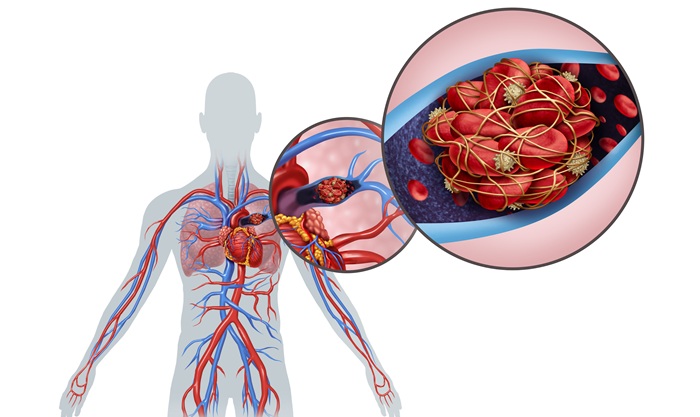
Ultrasound‑Aided Catheter Treatment Cuts Early Collapse in Pulmonary Embolism
Acute pulmonary embolism can cause rapid hemodynamic deterioration and early death in hospitalized and emergency patients. Systemic thrombolysis can dissolve clots but is limited by a high risk of major... Read more

Patient Care
view channel
Wearable Sleep Data Predict Adherence to Pulmonary Rehabilitation
Chronic obstructive pulmonary disease (COPD) is a long-term lung disorder that makes breathing difficult and often disturbs sleep, reducing energy for daily activities. Limited engagement in pulmonary... Read more
Revolutionary Automatic IV-Line Flushing Device to Enhance Infusion Care
More than 80% of in-hospital patients receive intravenous (IV) therapy. Every dose of IV medicine delivered in a small volume (<250 mL) infusion bag should be followed by subsequent flushing to ensure... Read more

Health IT
view channel
Voice-Driven AI System Enables Structured GI Procedure Documentation
Documentation during gastrointestinal (GI) procedures often competes with real-time clinical decision-making and imposes a significant cognitive burden on physicians. Manual data entry and post-procedure... Read more
EMR-Based Tool Predicts Graft Failure After Kidney Transplant
Kidney transplantation offers patients with end-stage kidney disease longer survival and better quality of life than dialysis, yet graft failure remains a major challenge. Although a successful transplant... Read more
Printable Molecule-Selective Nanoparticles Enable Mass Production of Wearable Biosensors
The future of medicine is likely to focus on the personalization of healthcare—understanding exactly what an individual requires and delivering the appropriate combination of nutrients, metabolites, and... Read more

Business
view channel
GE HealthCare Leads Major European Initiative to Advance Cardio-Oncology Care
Cardiovascular complications are increasingly recognized among people undergoing or recovering from cancer treatment, driven by pre‑existing disease and the cardiotoxic effects of chemotherapy, radiotherapy,... Read more

