






Smartphone app Reduces High Cost of Prescription Drugs 
|
By HospiMedica International staff writers Posted on 01 Mar 2016 |


|
A free smartphone app provides users the lowest prices on generic prescription drugs, regardless of their insurance status.
Blink Health is a free mobile app and website that groups patients together to leverage their purchasing power, resulting in significantly lower prices for users of generic drugs. Users search on the app for a prescribed medication, and if the Blink Health price is cheaper than what they would pay normally, they can purchase it via Blink Health and pick it up at over 60,000 pharmacies across the United States at no extra charge, as the Blink Health price is the same no matter which pharmacy the customer uses.
Blink Health has no membership fees or monthly premiums, and is also able to aggregate funds from employers, not-for-profits, and others to further lower patients' out-of-pocket expenses. For example, generic Lipitor, which retails at USD 163.24 and costs about USD 26.50 under prescription discount programs, costs just USD 9.94 with Blink Health. Prilosec, which typically commands USD 19.61 under other plans, costs USD 6.94 with Blink Health.
About 50% of the medications on Blink Health cost USD 10 or less, creating savings of up to 99% on prescriptions at all major pharmacies, including Walgreens (Chicago, IL, USA), CVS, Rite Aid, Wal-Mart, Duane Reade, and most independent pharmacies. The app can be downloaded on the iTunes store and Google Play store (for Android). All functions are also available at the Blink Health website.
“Nobody should ever be forced to skip a dose of medicine or leave a prescription behind at the pharmacy counter because they can't afford it," said Geoffrey Chaiken, CEO and co-founder of Blink Health. “The fast adoption of the app just further shows us that so many people are in need of a solution to the rising costs of prescription drugs. As more people join, our prices will continue to fall, ensuring everyone gets the medications they need.”
“Until Blink Health, the Internet has made it cheaper for Americans to buy practically anything they need, except for prescription medication,” added Matthew Chaiken, who co-founded Blink with his brother Geoffrey. “Now, any patient can go online and get the lowest prices for their medications. Our customers are already saving tens of thousands of dollars on their generic drug costs.”
Related Links:
Blink Health
Walgreens



Blink Health is a free mobile app and website that groups patients together to leverage their purchasing power, resulting in significantly lower prices for users of generic drugs. Users search on the app for a prescribed medication, and if the Blink Health price is cheaper than what they would pay normally, they can purchase it via Blink Health and pick it up at over 60,000 pharmacies across the United States at no extra charge, as the Blink Health price is the same no matter which pharmacy the customer uses.
Blink Health has no membership fees or monthly premiums, and is also able to aggregate funds from employers, not-for-profits, and others to further lower patients' out-of-pocket expenses. For example, generic Lipitor, which retails at USD 163.24 and costs about USD 26.50 under prescription discount programs, costs just USD 9.94 with Blink Health. Prilosec, which typically commands USD 19.61 under other plans, costs USD 6.94 with Blink Health.
About 50% of the medications on Blink Health cost USD 10 or less, creating savings of up to 99% on prescriptions at all major pharmacies, including Walgreens (Chicago, IL, USA), CVS, Rite Aid, Wal-Mart, Duane Reade, and most independent pharmacies. The app can be downloaded on the iTunes store and Google Play store (for Android). All functions are also available at the Blink Health website.
“Nobody should ever be forced to skip a dose of medicine or leave a prescription behind at the pharmacy counter because they can't afford it," said Geoffrey Chaiken, CEO and co-founder of Blink Health. “The fast adoption of the app just further shows us that so many people are in need of a solution to the rising costs of prescription drugs. As more people join, our prices will continue to fall, ensuring everyone gets the medications they need.”
“Until Blink Health, the Internet has made it cheaper for Americans to buy practically anything they need, except for prescription medication,” added Matthew Chaiken, who co-founded Blink with his brother Geoffrey. “Now, any patient can go online and get the lowest prices for their medications. Our customers are already saving tens of thousands of dollars on their generic drug costs.”
Related Links:
Blink Health
Walgreens

New
Gold Member
Handheld Blood Glucose Analyzer
STAT-Site
New
Rapid Sepsis Test
SeptiCyte RAPID
New
Surgical System
Stealth AXiS
Latest Health IT News
- Voice-Driven AI System Enables Structured GI Procedure Documentation
- EMR-Based Tool Predicts Graft Failure After Kidney Transplant
- Printable Molecule-Selective Nanoparticles Enable Mass Production of Wearable Biosensors
- Smartwatches Could Detect Congestive Heart Failure
- Versatile Smart Patch Combines Health Monitoring and Drug Delivery
Channels
Artificial Intelligence
view channel
AI Analysis of Pericardial Fat Refines Long-Term Heart Disease Risk
Accurately identifying long-term cardiovascular disease risk in asymptomatic adults remains challenging for clinicians. Missed or underestimated risk delays preventive therapy and increases the chance... Read more
Machine Learning Approach Enhances Liver Cancer Risk Stratification
Hepatocellular carcinoma, the most common form of primary liver cancer, is often detected late despite targeted surveillance programs. Current screening guidelines emphasize patients with known cirrhosis,... Read more

Critical Care
view channel
Noninvasive Monitoring Device Enables Earlier Intervention in Heart Failure
Hospitalizations for heart failure with preserved ejection fraction (HFpEF) remain common because lung congestion often worsens before symptoms prompt treatment changes. Missed early decompensation... Read more
Automated IV Labeling Solution Improves Infusion Safety and Efficiency
Medication administration in high-acuity settings is often complicated by multiple concurrent infusions, making accurate line identification essential. In a 10-hospital intensive care unit study, 60% of... Read more
Surgical Techniques
view channel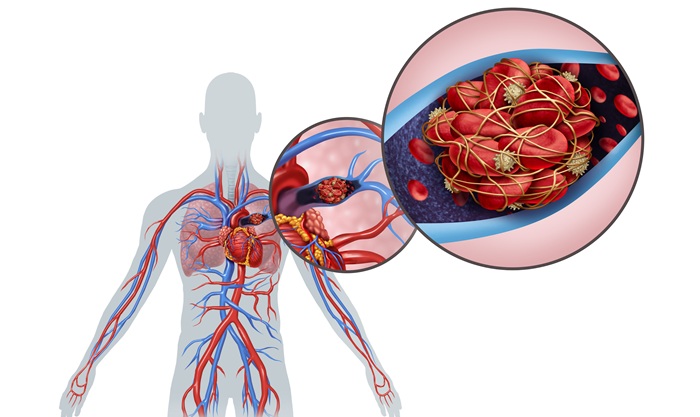
Ultrasound‑Aided Catheter Treatment Cuts Early Collapse in Pulmonary Embolism
Acute pulmonary embolism can cause rapid hemodynamic deterioration and early death in hospitalized and emergency patients. Systemic thrombolysis can dissolve clots but is limited by a high risk of major... Read more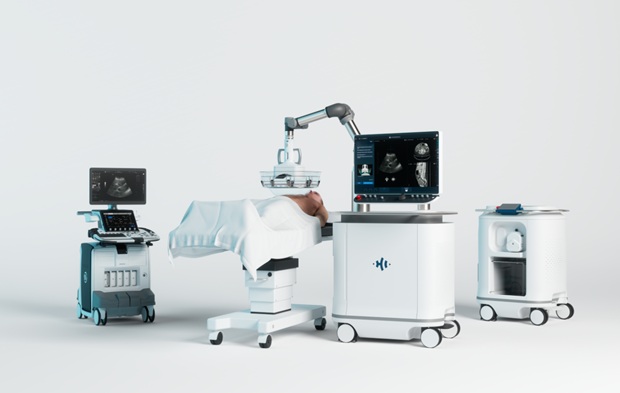
Ultrasound Technology Aims to Replace Invasive BPH Procedures
Benign prostatic hyperplasia (BPH) is a frequent cause of lower urinary tract symptoms in aging men and often requires invasive procedures or prolonged recovery. With prevalence expected to rise as populations... Read more

Patient Care
view channel
Wearable Sleep Data Predict Adherence to Pulmonary Rehabilitation
Chronic obstructive pulmonary disease (COPD) is a long-term lung disorder that makes breathing difficult and often disturbs sleep, reducing energy for daily activities. Limited engagement in pulmonary... Read more
Revolutionary Automatic IV-Line Flushing Device to Enhance Infusion Care
More than 80% of in-hospital patients receive intravenous (IV) therapy. Every dose of IV medicine delivered in a small volume (<250 mL) infusion bag should be followed by subsequent flushing to ensure... Read more


Business
view channel
GE HealthCare Leads Major European Initiative to Advance Cardio-Oncology Care
Cardiovascular complications are increasingly recognized among people undergoing or recovering from cancer treatment, driven by pre‑existing disease and the cardiotoxic effects of chemotherapy, radiotherapy,... Read more

