Genesis HealthCare to Sell Home & Hospice Operations
|
By HospiMedica International staff writers Posted on 27 Mar 2016 |


|
Genesis HealthCare (Kennett Square, PA, USA) has signed an agreement to sell the majority of its home health and hospice operations to Compassus (Brentwood, TN, USA) for USD 84 million.
The Genesis home health and hospice operations included in the deal are located in the states of California, Idaho, Montana, and New Mexico; remaining hospice operations in Arizona and Nevada will be closed. The agreement is part of an ongoing strategic move launched by Genesis to monetize non-strategic assets, including the home health and hospice businesses, in order to repay debts. The strategy is expected to yield a cash flow income of USD 100–150 million, after tax.
The home health and hospice operations became part of Genesis HealthCare following its February 2015 merger with Skilled Healthcare, which created one of the largest post-acute care providers in the United States. The buyer, Compassus, is comprised of a nationwide network of community-based post-acute care services primarily focused on hospice, palliative, and home health care. The company opened its first hospice in 1979, and following the deal will operate more than 165 programs in 30 states.
“Home health and hospice services are non-strategic businesses for Genesis to operate at this time, and we believe we can better allocate the capital by de-levering our balance sheet,” said George Hager, Jr., CEO of Genesis HealthCare. “We are pleased that our home health and hospice businesses will join a respected, quality provider like Compassus.”
“We are excited to welcome Genesis’ home health and hospice businesses to the Compassus family, as we share very similar missions and values,” said James Deal, CEO of Compassus. “As Compassus continues to grow, this further strengthens our ability and desire to provide greater access to a continuum of high-quality post-acute care, including hospice, palliative, and home health care services to even more patients, families and the health care professionals who serve them.”
According to the Wall Street Journal (WSJ), the supersizing of the healthcare industry in the United States is a result of the Affordable Care Act, and reflects the efforts of providers to gain the scale necessary to succeed amid the changes unleashed or accelerated by the health law. Those include growing pressures to constrain costs and new forms of payment that require providers to meet efficiency and care-quality goals. The process has so far not been slowed down by the growing regulatory concern about health-care consolidation.
Related Links:
Genesis HealthCare
Compassus






The Genesis home health and hospice operations included in the deal are located in the states of California, Idaho, Montana, and New Mexico; remaining hospice operations in Arizona and Nevada will be closed. The agreement is part of an ongoing strategic move launched by Genesis to monetize non-strategic assets, including the home health and hospice businesses, in order to repay debts. The strategy is expected to yield a cash flow income of USD 100–150 million, after tax.
The home health and hospice operations became part of Genesis HealthCare following its February 2015 merger with Skilled Healthcare, which created one of the largest post-acute care providers in the United States. The buyer, Compassus, is comprised of a nationwide network of community-based post-acute care services primarily focused on hospice, palliative, and home health care. The company opened its first hospice in 1979, and following the deal will operate more than 165 programs in 30 states.
“Home health and hospice services are non-strategic businesses for Genesis to operate at this time, and we believe we can better allocate the capital by de-levering our balance sheet,” said George Hager, Jr., CEO of Genesis HealthCare. “We are pleased that our home health and hospice businesses will join a respected, quality provider like Compassus.”
“We are excited to welcome Genesis’ home health and hospice businesses to the Compassus family, as we share very similar missions and values,” said James Deal, CEO of Compassus. “As Compassus continues to grow, this further strengthens our ability and desire to provide greater access to a continuum of high-quality post-acute care, including hospice, palliative, and home health care services to even more patients, families and the health care professionals who serve them.”
According to the Wall Street Journal (WSJ), the supersizing of the healthcare industry in the United States is a result of the Affordable Care Act, and reflects the efforts of providers to gain the scale necessary to succeed amid the changes unleashed or accelerated by the health law. Those include growing pressures to constrain costs and new forms of payment that require providers to meet efficiency and care-quality goals. The process has so far not been slowed down by the growing regulatory concern about health-care consolidation.
Related Links:
Genesis HealthCare
Compassus

Gold Member
STI Test
Vivalytic Sexually Transmitted Infection (STI) Array
New
Gold Member
Neonatal Heel Incision Device
Tenderfoot
New
Monitor/Defibrillator
Zenix
New
Hypodermic Syringe
SurTract™ Safety Syringe
Latest Business News
- Johnson & Johnson Launches AI-Driven Cardiac Mapping System
- Proximie Advances AI-Driven Intelligent Operating Rooms with NVIDIA Collaboration
- GE HealthCare, DeepHealth Expand AI Breast Imaging Collaboration
- Sinocare Presents AI-Driven Integrated Digital Health Solutions at CMEF
- GE HealthCare and Medtronic Expand Alliance with Intraoperative Imaging Integration
- New Partnership Advances Physical AI into Perioperative Workflows
- External Liver Assist System Receives FDA RMAT Designation
- New Partnership Expands Access to Predictive Tool for Patient Monitoring
- GE HealthCare Leads Major European Initiative to Advance Cardio-Oncology Care
- Medtronic and GE HealthCare Broaden Alliance Across Monitoring and Care Solutions
- Quantum Surgical Acquires NeuWave from Johnson & Johnson
- Medtronic to Acquire Coronary Artery Medtech Company CathWorks
- Medtronic and Mindray Expand Strategic Partnership to Ambulatory Surgery Centers in the U.S.
- FDA Clearance Expands Robotic Options for Minimally Invasive Heart Surgery
- WHX in Dubai (formerly Arab Health) to debut specialised Biotech & Life Sciences Zone as sector growth accelerates globally
- WHX in Dubai (formerly Arab Health) to bring together key UAE government entities during the groundbreaking 2026 edition
Channels
Artificial Intelligence
view channel
Facial Image Analysis Tracks Biological Aging, Predicts Cancer Outcomes
Biological aging is the progressive loss of physiological function that may diverge from chronological age. In cancer care, clinicians need simple tools that reflect dynamic changes in patient resilience... Read more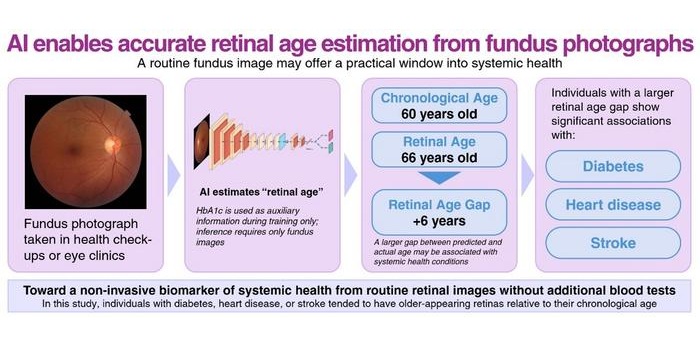
AI Model Uses Eye Imaging to Identify Risk of Major Systemic Diseases
Early detection of systemic disease risk remains a persistent challenge in population health screening. Cardiometabolic conditions such as diabetes, heart disease, and stroke often progress without symptoms... Read more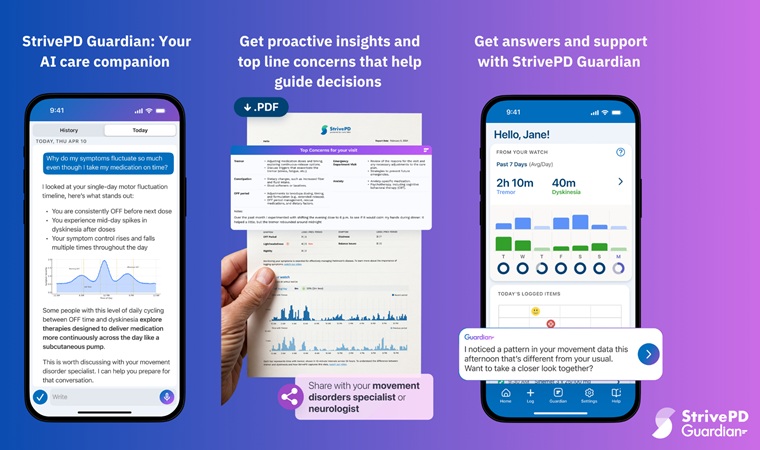

Critical Care
view channel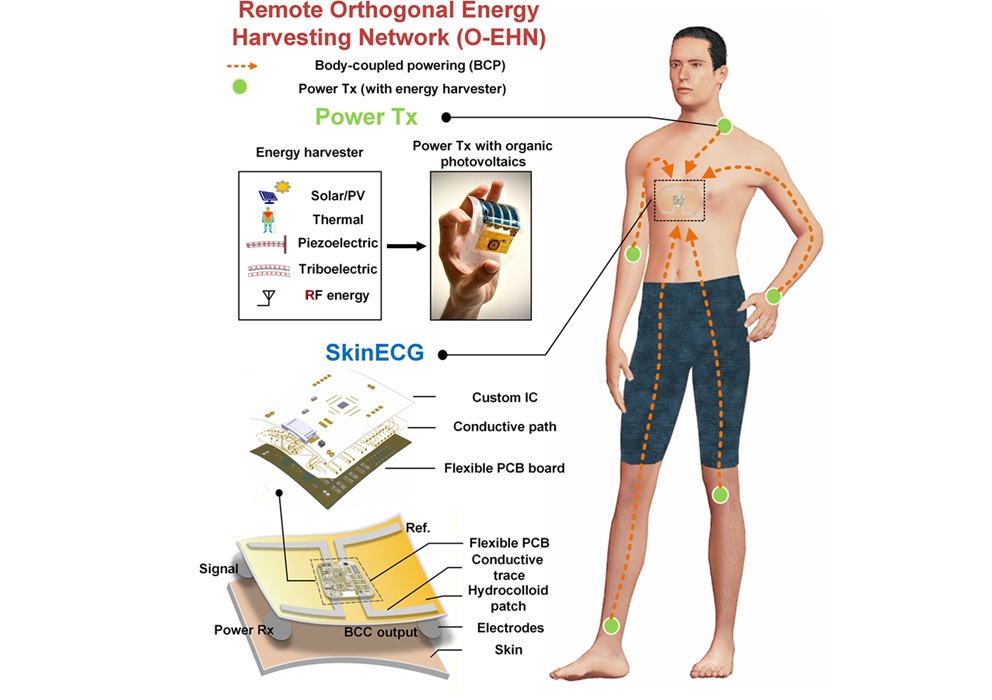
Battery-Free ECG Patch Enables Continuous Arrhythmia Monitoring
Continuous electrocardiogram (ECG) monitoring supports early detection of arrhythmias and enables timely intervention, yet many wearables depend on bulky batteries that interrupt care when depleted.... Read more
Rapid Clotting Gel Improves Emergency Bleeding Control
Uncontrolled hemorrhage remains a leading cause of preventable death in trauma and major surgery. Conventional clots can form too slowly and fail under mechanical stress, limiting hemostasis and impairing... Read more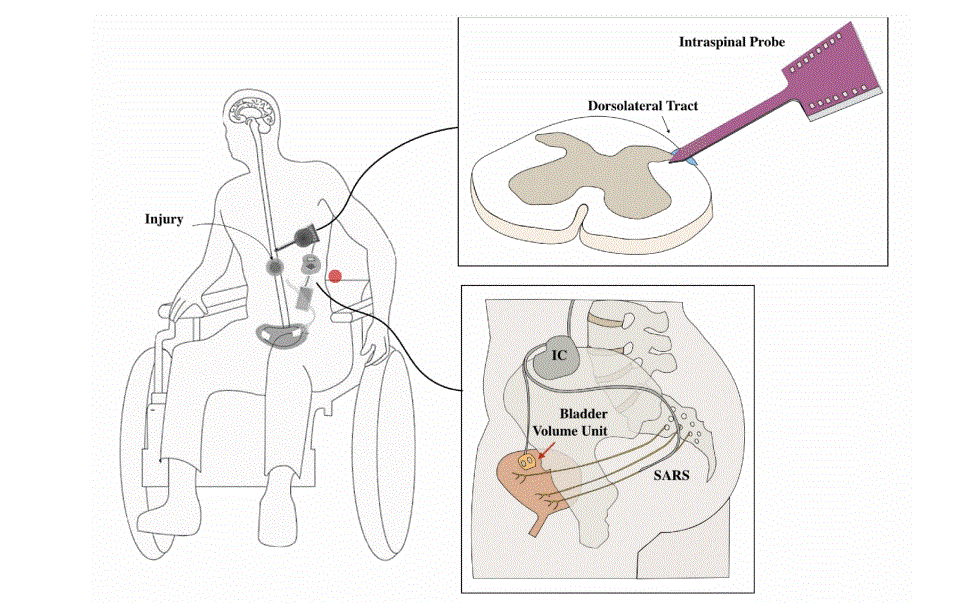

Surgical Techniques
view channel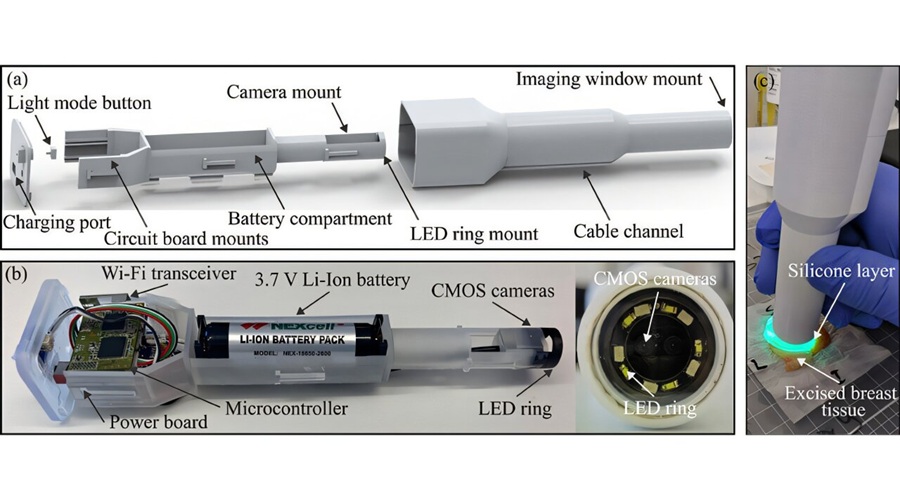
Handheld Probe Enables Real-Time Tumor Mapping in Breast-Conserving Surgery
Breast-conserving surgery aims to remove malignant tissue while preserving healthy breast tissue, but real-time tumor mapping remains difficult. Incomplete excision increases the risk of repeat operations... Read more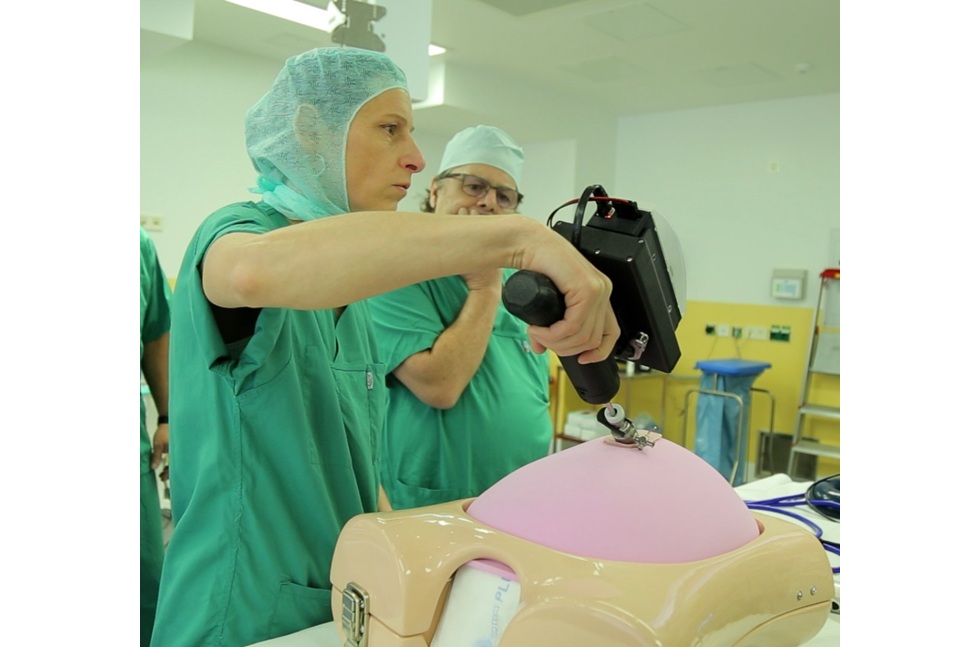
Optical Wireless Link Enables Cable-Free 4K Endoscopic Imaging
Cabled endoscopes can hamper workflow in minimally invasive surgery and complicate infection control in the operating room. Power, lighting, and data lines drape across patients and floors, creating hygiene... Read more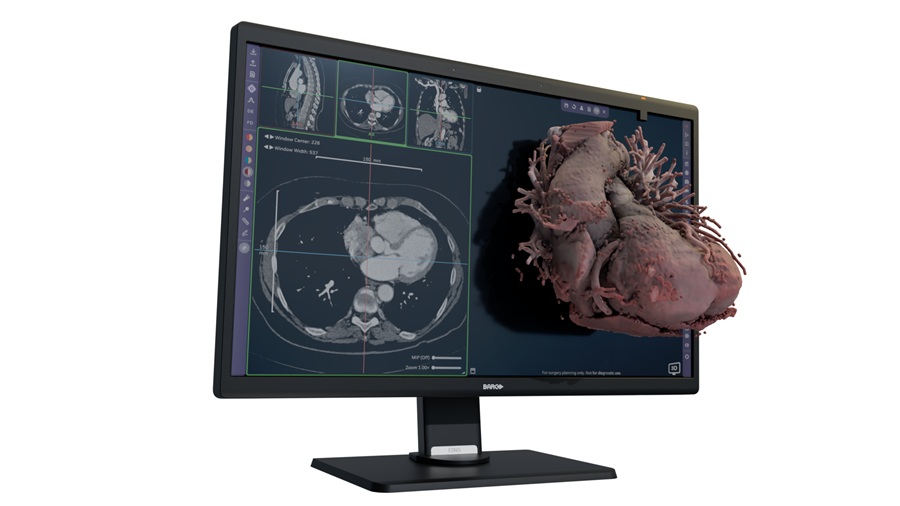
Patient Care
view channel
Wearable Sleep Data Predict Adherence to Pulmonary Rehabilitation
Chronic obstructive pulmonary disease (COPD) is a long-term lung disorder that makes breathing difficult and often disturbs sleep, reducing energy for daily activities. Limited engagement in pulmonary... Read more
Revolutionary Automatic IV-Line Flushing Device to Enhance Infusion Care
More than 80% of in-hospital patients receive intravenous (IV) therapy. Every dose of IV medicine delivered in a small volume (<250 mL) infusion bag should be followed by subsequent flushing to ensure... Read more

Health IT
view channel
EHR-Integrated Screening Workflow Detects Cognitive Impairment at Admission
Cognitive impairment involves difficulties with thinking, learning, memory, and decision-making, and is more common in older adults. In U.S. hospitals, more than 40% of admitted older adults have dementia,... Read more
AI System Detects and Quantifies Chronic Subdural Hematoma
Viz.ai (San Francisco, CA, USA) announced a strategic commercialization collaboration with Johnson & Johnson (New Brunswick, NJ, USA) to expand access in the United States to the Viz Subdural solution... Read more
Continuous Monitoring Platform Detects Infection Risk Across Care Transitions
Patients leaving skilled nursing facilities often lose continuous physiologic monitoring, increasing the risk of undetected infection and delayed intervention. Nursing home residents are seven times more... Read more
Automated System Classifies and Tracks Cardiogenic Shock Across Hospital Settings
Cardiogenic shock remains a difficult, time-sensitive emergency, with delayed identification driving poor outcomes and persistently high mortality. Many cases go undocumented even at advanced stages, hindering... Read morePoint of Care
view channel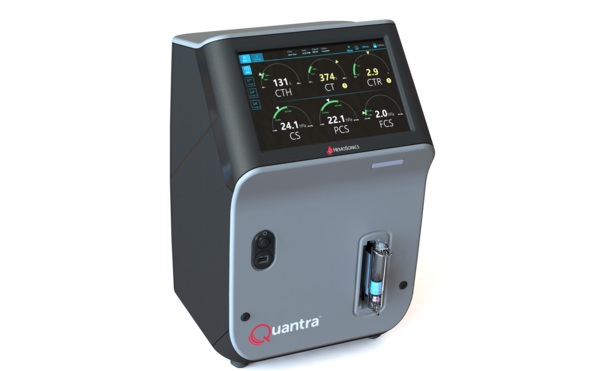
Point-of-Care Viscoelastic Testing System Supports Obstetric Bleeding Management
HemoSonics (Durham, NC, USA) announced on May 5, 2026 that the company's Quantra Hemostasis System for Obstetric Procedures won Silver in the 2026 Edison Awards in the Women’s Health and Reproductive Innovations... Read more

Business
view channel
Johnson & Johnson Launches AI-Driven Cardiac Mapping System
Johnson & Johnson has introduced the CARTOSOUND SONATA Module for the CARTO System at the Heart Rhythm Society (HRS) 2026 meeting in Chicago. The module uses artificial intelligence with the CARTO... Read more