






Wearable Patch Monitors Physical Activity
|
By HospiMedica International staff writers Posted on 01 Jun 2016 |


|
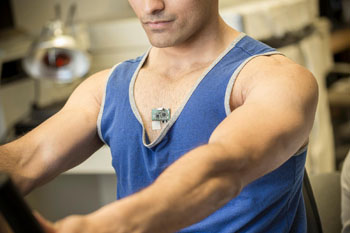
Image: The Chem-Phys patch placed above the sternum (Photo courtesy of UC San Diego).
A new study describes a flexible, wearable device capable of monitoring both biochemical and electric signals in the human body.
Developed at the University of California, San Diego (UCSD, USA), the Chem-Phys patch tracks and records, in real time, electrocardiogram (EKG) heart signals and tracks levels of lactate, a biochemical marker of physical effort. The patch was screen printed onto a thin, flexible polyester sheet. An electrode to sense lactate was printed in the center of the patch, with two isolated EKG electrodes bracketing it to the left and the right.
The lactate sensor works by applying a small voltage and measuring electric current across its electrodes; since this current can pass through sweat, which is slightly conductive, it can potentially disrupt EKG measurements. The researchers therefore added a printed layer of soft water-repelling silicone rubber to the patch, and configured it to keep the sweat away from the EKG electrodes, but not the lactate sensor.
The researchers also went through several iterations of the patch to find the best distance between electrodes in order to avoid interference, and found that a distance of four centimeters between the EKG electrodes was optimal. The sensors were then connected to a small custom printed circuit board equipped with a microcontroller and a Bluetooth Low Energy chip, which wirelessly transmits the data gathered by the patch to a smartphone, smart watch, or laptop computer.
The patch was tested on three male subjects, who wore the device on their chest while doing 15-30 minutes of intense activity. The data collected by the EKG electrodes closely matched that collected by a commercial wristband heart rate monitor. The researchers now intend to adding sensors for other chemical markers, such as magnesium and potassium, as well as other vital signs. The study describing the Chem-Phys patch was published in the May 23, 2016, issue of Nature Communications.
“One of the overarching goals of our research is to build a wearable tricorder-like device that can measure simultaneously a whole suite of chemical, physical, and electrophysiological signals continuously throughout the day,” said senior author professor of electrical engineering Patrick Mercier, of the UCSD. “This research represents an important first step to show this may be possible.”
Related Links:
University of California, San Diego




Developed at the University of California, San Diego (UCSD, USA), the Chem-Phys patch tracks and records, in real time, electrocardiogram (EKG) heart signals and tracks levels of lactate, a biochemical marker of physical effort. The patch was screen printed onto a thin, flexible polyester sheet. An electrode to sense lactate was printed in the center of the patch, with two isolated EKG electrodes bracketing it to the left and the right.
The lactate sensor works by applying a small voltage and measuring electric current across its electrodes; since this current can pass through sweat, which is slightly conductive, it can potentially disrupt EKG measurements. The researchers therefore added a printed layer of soft water-repelling silicone rubber to the patch, and configured it to keep the sweat away from the EKG electrodes, but not the lactate sensor.
The researchers also went through several iterations of the patch to find the best distance between electrodes in order to avoid interference, and found that a distance of four centimeters between the EKG electrodes was optimal. The sensors were then connected to a small custom printed circuit board equipped with a microcontroller and a Bluetooth Low Energy chip, which wirelessly transmits the data gathered by the patch to a smartphone, smart watch, or laptop computer.
The patch was tested on three male subjects, who wore the device on their chest while doing 15-30 minutes of intense activity. The data collected by the EKG electrodes closely matched that collected by a commercial wristband heart rate monitor. The researchers now intend to adding sensors for other chemical markers, such as magnesium and potassium, as well as other vital signs. The study describing the Chem-Phys patch was published in the May 23, 2016, issue of Nature Communications.
“One of the overarching goals of our research is to build a wearable tricorder-like device that can measure simultaneously a whole suite of chemical, physical, and electrophysiological signals continuously throughout the day,” said senior author professor of electrical engineering Patrick Mercier, of the UCSD. “This research represents an important first step to show this may be possible.”
Related Links:
University of California, San Diego

Gold Member
STI Test
Vivalytic Sexually Transmitted Infection (STI) Array
New
Glucose Meter
StatStrip®
New
Medical Examination & Procedure Light
Vega 80
Latest Health IT News
- Voice-Driven AI System Enables Structured GI Procedure Documentation
- EMR-Based Tool Predicts Graft Failure After Kidney Transplant
- Printable Molecule-Selective Nanoparticles Enable Mass Production of Wearable Biosensors
- Smartwatches Could Detect Congestive Heart Failure
- Versatile Smart Patch Combines Health Monitoring and Drug Delivery
Channels
Artificial Intelligence
view channel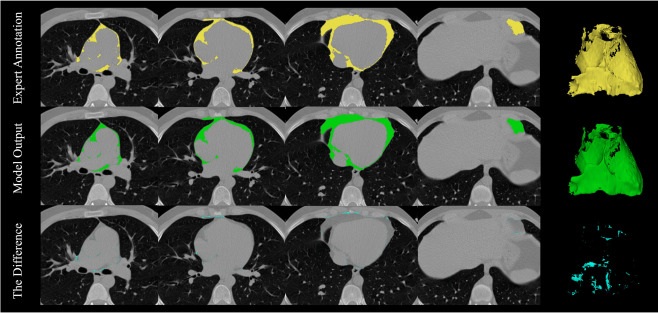
AI Analysis of Pericardial Fat Refines Long-Term Heart Disease Risk
Accurately identifying long-term cardiovascular disease risk in asymptomatic adults remains challenging for clinicians. Missed or underestimated risk delays preventive therapy and increases the chance... Read more
Machine Learning Approach Enhances Liver Cancer Risk Stratification
Hepatocellular carcinoma, the most common form of primary liver cancer, is often detected late despite targeted surveillance programs. Current screening guidelines emphasize patients with known cirrhosis,... Read more

Critical Care
view channel
Eye Imaging AI Identifies Elevated Cardiovascular Risk
Many adults at risk for atherosclerotic cardiovascular disease are not identified until they undergo formal primary care assessment. Delayed risk recognition can postpone initiation of statins and lifestyle... Read more
Noninvasive Monitoring Device Enables Earlier Intervention in Heart Failure
Hospitalizations for heart failure with preserved ejection fraction (HFpEF) remain common because lung congestion often worsens before symptoms prompt treatment changes. Missed early decompensation... Read more

Surgical Techniques
view channel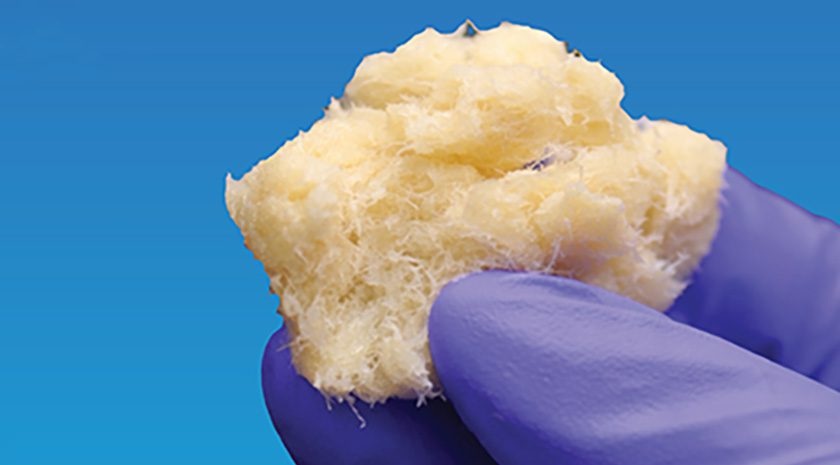
Fiber-Form Bone Graft Expands Intraoperative Options for Spinal Fusion
Spinal and orthopedic fusion procedures often require bone graft materials that handle predictably and support bone formation. Surgeons face added complexity in difficult anatomy and challenging fusion environments.... Read more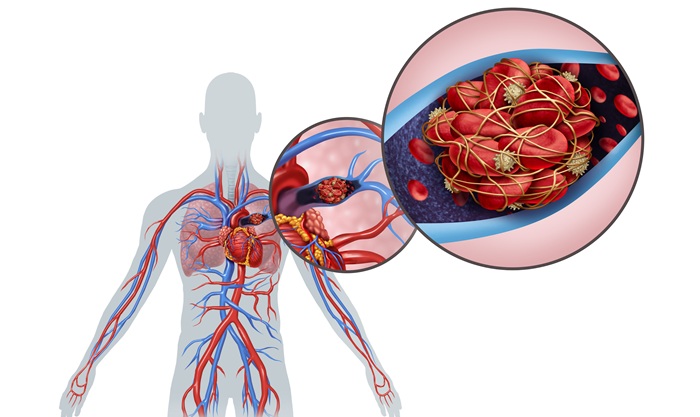
Ultrasound‑Aided Catheter Treatment Cuts Early Collapse in Pulmonary Embolism
Acute pulmonary embolism can cause rapid hemodynamic deterioration and early death in hospitalized and emergency patients. Systemic thrombolysis can dissolve clots but is limited by a high risk of major... Read more

Patient Care
view channel
Wearable Sleep Data Predict Adherence to Pulmonary Rehabilitation
Chronic obstructive pulmonary disease (COPD) is a long-term lung disorder that makes breathing difficult and often disturbs sleep, reducing energy for daily activities. Limited engagement in pulmonary... Read more
Revolutionary Automatic IV-Line Flushing Device to Enhance Infusion Care
More than 80% of in-hospital patients receive intravenous (IV) therapy. Every dose of IV medicine delivered in a small volume (<250 mL) infusion bag should be followed by subsequent flushing to ensure... Read more


Business
view channel
GE HealthCare Leads Major European Initiative to Advance Cardio-Oncology Care
Cardiovascular complications are increasingly recognized among people undergoing or recovering from cancer treatment, driven by pre‑existing disease and the cardiotoxic effects of chemotherapy, radiotherapy,... Read more

