






Interscatter Communication Helps Implanted Devices Exchange Data
|
By HospiMedica International staff writers Posted on 07 Sep 2016 |


|
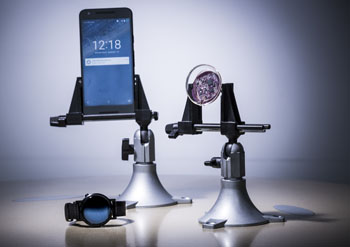
Image: Bluetooth signals from a smartwatch transmit a signal to a neural implant reflected to a smartphone via Interscatter Wi-FI (Photo courtesy of Mark Stone/UW).
A new study describes how small devices such as brain implants, contact lenses, and wearables can talk to other devices like smartphones by using Bluetooth signals that convert into Wi-Fi transmissions.
Developed by researchers at the University of Washington (UW; Seattle, USA), “interscatter communication” is a technology that creates Wi-Fi signals by using Bluetooth transmissions from nearby mobile devices, such as smartphones or laptops. An example of the process is a smart contact lens and a smartwatch. The watch sends a blank Bluetooth signal to the lens’s antenna, which it receives as a single tone signal that can be manipulated. Using backscattering, the lens can then encode data into a standard Wi-Fi transmission.
The mobile device thus serves as both source and receiver for the reflected signals, enabling inter-technology communication. The system requires no specialized equipment, relying solely on mobile devices commonly found with users to generate the Wi-Fi signals, using 10,000 times less energy than conventional methods. The new technique was presented at the annual conference of the Association for Computing Machinery’s Special Interest Group on Data Communication (SIGCOMM 2016), held during August 2016 in Florianópolis (Brazil).
“Wireless connectivity for implanted devices can transform how we manage chronic diseases,” said study co-author Vikram Iyer, a UW electrical engineering doctoral student. “For example, a contact lens could monitor a diabetic’s blood sugar level in tears and send notifications to the phone when the blood sugar level goes down.”
“Preserving battery life is very important in implanted medical devices, since replacing the battery in a pacemaker or brain stimulator requires surgery and puts patients at potential risk from those complications,” said study co-author Joshua Smith, PhD, an associate professor of electrical engineering and of computer science and engineering. “Interscatter can enable Wi-Fi for these implanted devices while consuming only tens of microwatts of power.”
Beyond applications in implanted medical devices, the researchers show that their technology can be applied for other uses, such as in credit cards that can communicate with each other by reflecting Bluetooth signals coming from a smartphone. This opens up possibilities for smart credit cards that can communicate directly with other cards, enable applications where users can split the bill by just tapping their credit cards together.
Related Links:
University of Washington





Developed by researchers at the University of Washington (UW; Seattle, USA), “interscatter communication” is a technology that creates Wi-Fi signals by using Bluetooth transmissions from nearby mobile devices, such as smartphones or laptops. An example of the process is a smart contact lens and a smartwatch. The watch sends a blank Bluetooth signal to the lens’s antenna, which it receives as a single tone signal that can be manipulated. Using backscattering, the lens can then encode data into a standard Wi-Fi transmission.
The mobile device thus serves as both source and receiver for the reflected signals, enabling inter-technology communication. The system requires no specialized equipment, relying solely on mobile devices commonly found with users to generate the Wi-Fi signals, using 10,000 times less energy than conventional methods. The new technique was presented at the annual conference of the Association for Computing Machinery’s Special Interest Group on Data Communication (SIGCOMM 2016), held during August 2016 in Florianópolis (Brazil).
“Wireless connectivity for implanted devices can transform how we manage chronic diseases,” said study co-author Vikram Iyer, a UW electrical engineering doctoral student. “For example, a contact lens could monitor a diabetic’s blood sugar level in tears and send notifications to the phone when the blood sugar level goes down.”
“Preserving battery life is very important in implanted medical devices, since replacing the battery in a pacemaker or brain stimulator requires surgery and puts patients at potential risk from those complications,” said study co-author Joshua Smith, PhD, an associate professor of electrical engineering and of computer science and engineering. “Interscatter can enable Wi-Fi for these implanted devices while consuming only tens of microwatts of power.”
Beyond applications in implanted medical devices, the researchers show that their technology can be applied for other uses, such as in credit cards that can communicate with each other by reflecting Bluetooth signals coming from a smartphone. This opens up possibilities for smart credit cards that can communicate directly with other cards, enable applications where users can split the bill by just tapping their credit cards together.
Related Links:
University of Washington

Gold Member
12-Channel ECG
CM1200B
New
Digital Radiography System (Ceiling Free)
Digix CF Series
New
Wound Irrigation Solution
Prontosan®
Channels
Artificial Intelligence
view channel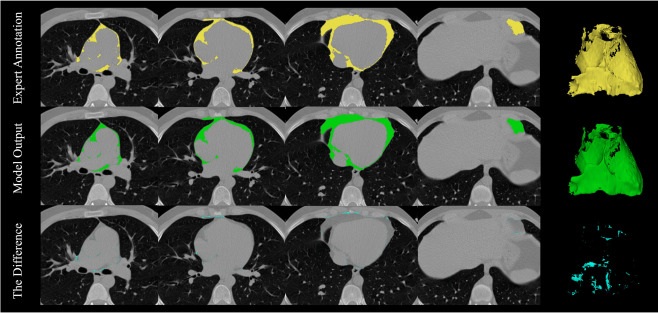
AI Analysis of Pericardial Fat Refines Long-Term Heart Disease Risk
Accurately identifying long-term cardiovascular disease risk in asymptomatic adults remains challenging for clinicians. Missed or underestimated risk delays preventive therapy and increases the chance... Read more
Machine Learning Approach Enhances Liver Cancer Risk Stratification
Hepatocellular carcinoma, the most common form of primary liver cancer, is often detected late despite targeted surveillance programs. Current screening guidelines emphasize patients with known cirrhosis,... Read more

Critical Care
view channel
Noninvasive Monitoring Device Enables Earlier Intervention in Heart Failure
Hospitalizations for heart failure with preserved ejection fraction (HFpEF) remain common because lung congestion often worsens before symptoms prompt treatment changes. Missed early decompensation... Read more
Automated IV Labeling Solution Improves Infusion Safety and Efficiency
Medication administration in high-acuity settings is often complicated by multiple concurrent infusions, making accurate line identification essential. In a 10-hospital intensive care unit study, 60% of... Read more

Surgical Techniques
view channel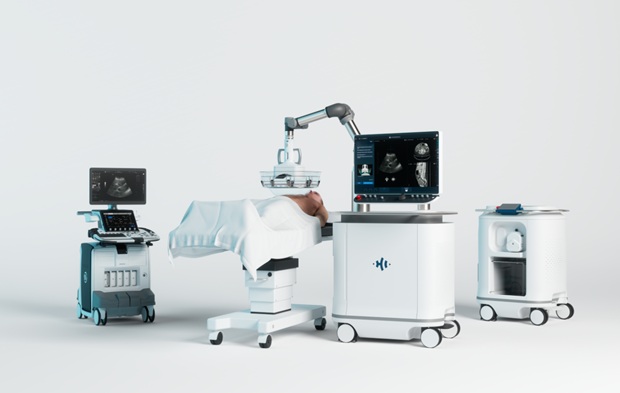
Ultrasound Technology Aims to Replace Invasive BPH Procedures
Benign prostatic hyperplasia (BPH) is a frequent cause of lower urinary tract symptoms in aging men and often requires invasive procedures or prolonged recovery. With prevalence expected to rise as populations... Read more
Continuous Monitoring with Wearables Enhances Postoperative Patient Safety
Postoperative hypoxemia on general surgical wards is common and often missed by intermittent vital sign checks. Undetected low oxygen levels can delay recovery and raise the risk of complications that... Read more
Patient Care
view channel
Wearable Sleep Data Predict Adherence to Pulmonary Rehabilitation
Chronic obstructive pulmonary disease (COPD) is a long-term lung disorder that makes breathing difficult and often disturbs sleep, reducing energy for daily activities. Limited engagement in pulmonary... Read more
Revolutionary Automatic IV-Line Flushing Device to Enhance Infusion Care
More than 80% of in-hospital patients receive intravenous (IV) therapy. Every dose of IV medicine delivered in a small volume (<250 mL) infusion bag should be followed by subsequent flushing to ensure... Read more


Business
view channel
GE HealthCare Leads Major European Initiative to Advance Cardio-Oncology Care
Cardiovascular complications are increasingly recognized among people undergoing or recovering from cancer treatment, driven by pre‑existing disease and the cardiotoxic effects of chemotherapy, radiotherapy,... Read more

