






NEC Display Solutions Discontinues Medical Diagnostic Display Business
|
By Sanjit Dutt Posted on 16 Nov 2016 |


|
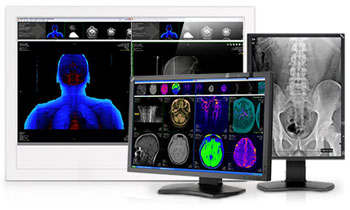
Image: NEC will discontinue its medical diagnostic displays to focus on its healthcare display portfolio (Photo courtesy of NEC Display Solutions).
NEC Display Solutions of America (Itasca, Illinois, USA), a leading designer and provider of display products, will be discontinuing its medical diagnostic displays to focus on its healthcare display portfolio. The company offers various display products, including commercial- and professional-grade large-screen LCD displays, desktop LCD monitors, direct view LED displays, multimedia and digital cinema projectors, and integrated display solutions.
NEC plans to capitalize on the growing need for displays in the healthcare segment with its wide range of display solutions, such as healthcare clinical review displays, operating theatre displays, and healthcare information and signage solutions. The company will now focus on key business areas, including clinical review, administration and back office, information way-finding, digital signage, education and conferencing.
“While discontinuing future development in the medical diagnostic display market is a difficult decision, we are determined that now is the appropriate time to accelerate innovation in the markets where we deliver the greatest benefits and highest value,” said Todd Bouman, President and CEO of NEC Display. “We are thankful for our valued diagnostic display customers and remain committed to seeing them through this transition.”
Related Links:
NEC Display Solutions of America




NEC plans to capitalize on the growing need for displays in the healthcare segment with its wide range of display solutions, such as healthcare clinical review displays, operating theatre displays, and healthcare information and signage solutions. The company will now focus on key business areas, including clinical review, administration and back office, information way-finding, digital signage, education and conferencing.
“While discontinuing future development in the medical diagnostic display market is a difficult decision, we are determined that now is the appropriate time to accelerate innovation in the markets where we deliver the greatest benefits and highest value,” said Todd Bouman, President and CEO of NEC Display. “We are thankful for our valued diagnostic display customers and remain committed to seeing them through this transition.”
Related Links:
NEC Display Solutions of America

Gold Member
SARS‑CoV‑2/Flu A/Flu B/RSV Sample-To-Answer Test
SARS‑CoV‑2/Flu A/Flu B/RSV Cartridge (CE-IVD)
New
Blood Pressure Monitor
Cuff Blood Pressure Monitor
New
Monitor/Defibrillator
Zenix
Latest Business News
- GE HealthCare Leads Major European Initiative to Advance Cardio-Oncology Care
- Medtronic and GE HealthCare Broaden Alliance Across Monitoring and Care Solutions
- Quantum Surgical Acquires NeuWave from Johnson & Johnson
- Medtronic to Acquire Coronary Artery Medtech Company CathWorks
- Medtronic and Mindray Expand Strategic Partnership to Ambulatory Surgery Centers in the U.S.
- FDA Clearance Expands Robotic Options for Minimally Invasive Heart Surgery
- WHX in Dubai (formerly Arab Health) to debut specialised Biotech & Life Sciences Zone as sector growth accelerates globally
- WHX in Dubai (formerly Arab Health) to bring together key UAE government entities during the groundbreaking 2026 edition
- Interoperability Push Fuels Surge in Healthcare IT Market
- Philips and Masimo Partner to Advance Patient Monitoring Measurement Technologies
- B. Braun Acquires Digital Microsurgery Company True Digital Surgery
- CMEF 2025 to Promote Holistic and High-Quality Development of Medical and Health Industry
- Bayer and Broad Institute Extend Research Collaboration to Develop New Cardiovascular Therapies
- Medtronic Partners with Corsano to Expand Acute Care & Monitoring Portfolio in Europe
- Expanded Collaboration to Transform OR Technology Through AI and Automation
- Becton Dickinson to Spin Out Biosciences and Diagnostic Solutions Business
Channels
Artificial Intelligence
view channel
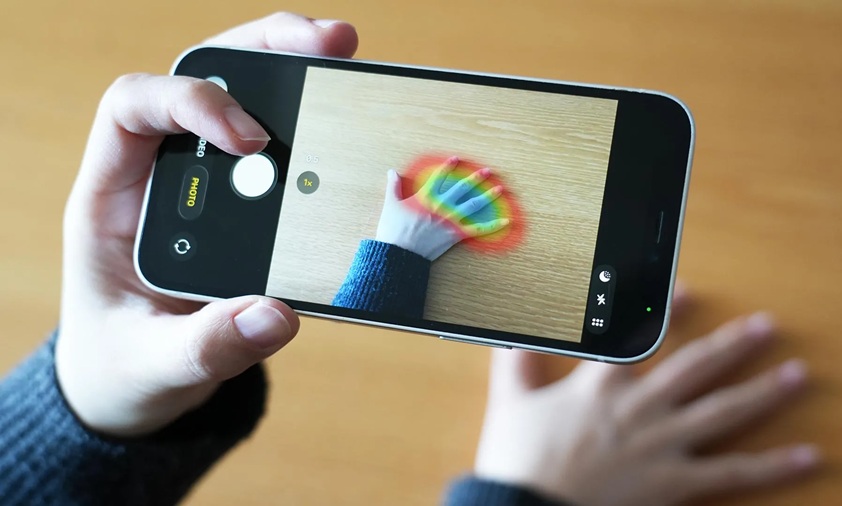
Machine Learning Approach Enhances Liver Cancer Risk Stratification
Hepatocellular carcinoma, the most common form of primary liver cancer, is often detected late despite targeted surveillance programs. Current screening guidelines emphasize patients with known cirrhosis,... Read more
New AI Approach Monitors Brain Health Using Passive Wearable Data
Brain health spans cognitive and emotional functions and can fluctuate even in adults without diagnosed disease. Detecting early changes remains difficult in routine care and burdens specialty services... Read more
Critical Care
view channel
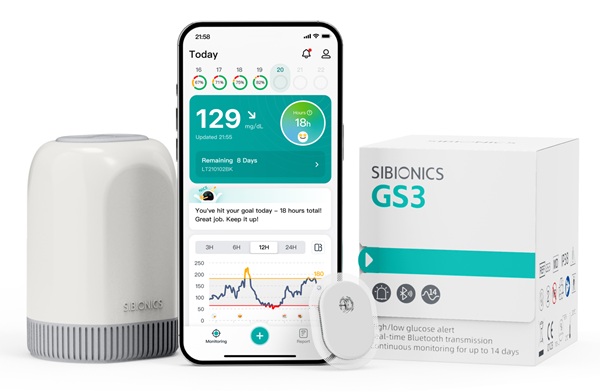
Automated IV Labeling Solution Improves Infusion Safety and Efficiency
Medication administration in high-acuity settings is often complicated by multiple concurrent infusions, making accurate line identification essential. In a 10-hospital intensive care unit study, 60% of... Read more
First-Of-Its-Kind AI Tool Detects Pulmonary Hypertension from Standard ECGs
Pulmonary hypertension is a progressive, life‑threatening disease that is frequently missed early because symptoms such as dyspnea are nonspecific and diagnostic delays can exceed two years.... Read more
Surgical Techniques
view channel
Continuous Monitoring with Wearables Enhances Postoperative Patient Safety
Postoperative hypoxemia on general surgical wards is common and often missed by intermittent vital sign checks. Undetected low oxygen levels can delay recovery and raise the risk of complications that... Read more
New Approach Enables Customized Muscle Tissue Without Biomaterial Scaffolds
Volumetric muscle loss is a traumatic loss of skeletal muscle that often leads to permanent functional impairment and limited reconstructive options. Current experimental strategies struggle to deliver... Read more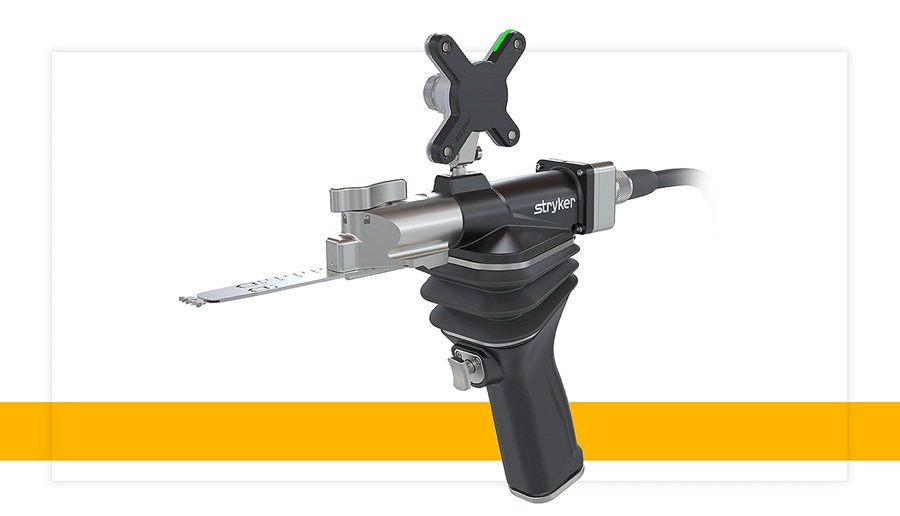
Patient Care
view channel
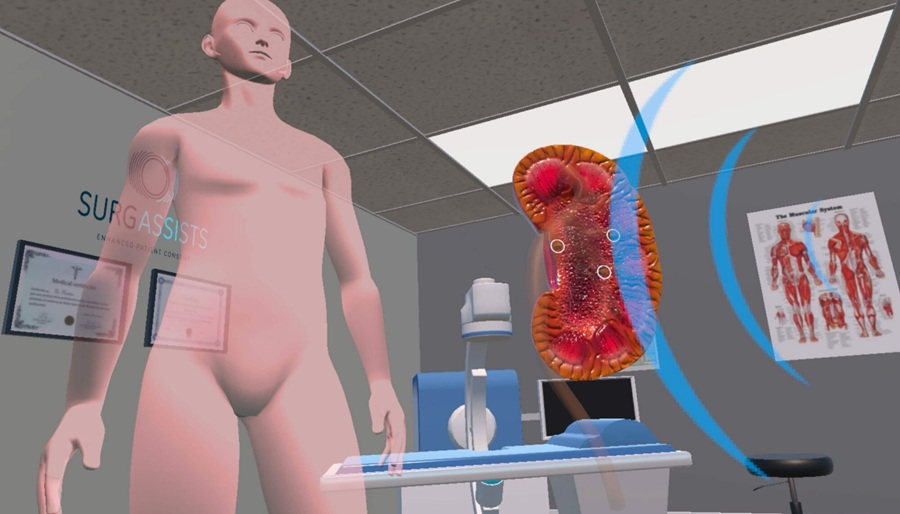
Wearable Sleep Data Predict Adherence to Pulmonary Rehabilitation
Chronic obstructive pulmonary disease (COPD) is a long-term lung disorder that makes breathing difficult and often disturbs sleep, reducing energy for daily activities. Limited engagement in pulmonary... Read more
Revolutionary Automatic IV-Line Flushing Device to Enhance Infusion Care
More than 80% of in-hospital patients receive intravenous (IV) therapy. Every dose of IV medicine delivered in a small volume (<250 mL) infusion bag should be followed by subsequent flushing to ensure... Read more

Health IT
view channel
EMR-Based Tool Predicts Graft Failure After Kidney Transplant
Kidney transplantation offers patients with end-stage kidney disease longer survival and better quality of life than dialysis, yet graft failure remains a major challenge. Although a successful transplant... Read more


