






Journal of X-Ray Science and Technology to Feature 3D Imaging
|
By Daniel Beris Posted on 08 Dec 2016 |


|
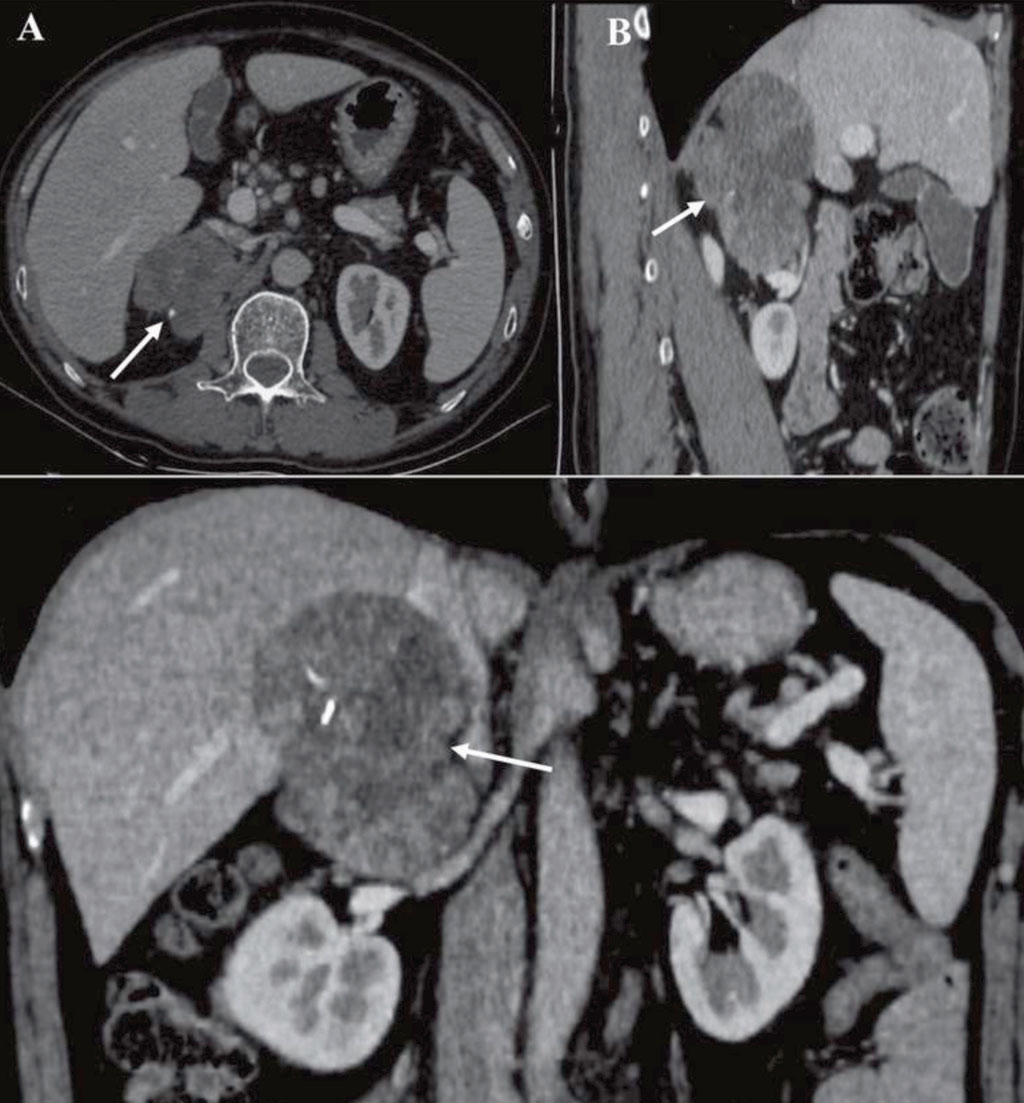
Image: Contrast-enhanced CT images used to create the dynamic 3D images (Photo courtesy of Journal of X-Ray Science and Technology).
The current issue of the Journal of X-Ray Science and Technology features three-dimensional (3D) imaging embedded within its articles for the first time.
The 3D digital multimedia is being used to enhance the value of five papers, which focus on kidney injuries, tumor diagnoses, and dental medicine. The 3D images are incorporated directly into the articles, providing greater insights and learning opportunities, and demonstrating how imaging techniques can contribute to positive patient outcomes. The videos of the rotating 3D images can be accessed directly, allowing readers to examine them in detail and gain deeper understanding of the diagnoses, prognoses, and treatments described.
The first study shows how multi-slice spiral CT (MSCT) permits reliable detection of renal trauma and the associated organ or tissue injuries, enhancing diagnosis and classification of renal trauma or internal organ injures. The second article describes how creation of a 3D image helped physicians remove a large nephroblastoma in a 3-year old girl. The third shows how a rare congenital disorder resulting in an almost complete duplication of the ureter from the left kidney of a 27-year-old male patient can be visualized more effectively using MSCT, and how corrective surgery was facilitated by a 3D reconstruction of the patient's anatomy.
The next article describes how surgeons were able to achieve a better surgical outcome by integrating 3D-reconstructed CT images into a dynamic video for preoperative planning and intraoperative guidance during resection of an adrenocortical carcinoma (ACC). The diseased adrenal gland was resected completely, without neighbor organ injury and surgical complications. The final article describes how cone beam computed tomography (CBCT) helps evaluate the hard and soft tissues of the maxillofacial region in 3D and high spatial detail.
“State-of-the-art cross-sectional imaging approaches make it possible to visualize diseases-affected tissues or defected organs with greater assurance by minimizing the interrupter of overlying tissues to focus on individual organs, which aids in the detection and characterization of targeted tissues,” said guest editor Yuanyuan Zhang, MD, PhD, of Wake Forest School of Medicine (Winston-Salem, NC, USA). “The rotated multimedia 3D videos provide animations, which could better help medical students, residents, practitioners, and inquisitive minds better understand the diseases.”
“Digital and multimedia techniques are used more and more to facilitate scientific presentations,” said advisory editor-in-chief Hong Liu, PhD, of the center for bioengineering and school of electrical and computer Engineering at the University of Oklahoma (Norman, USA). “As an interdisciplinary journal publishing numerous papers spanning the field of medical imaging, the Journal of X-Ray Science and Technology should lead the way to serve our authors and readers with advanced presentation methods.”
Related Links:
Wake Forest School of Medicine
University of Oklahoma







The 3D digital multimedia is being used to enhance the value of five papers, which focus on kidney injuries, tumor diagnoses, and dental medicine. The 3D images are incorporated directly into the articles, providing greater insights and learning opportunities, and demonstrating how imaging techniques can contribute to positive patient outcomes. The videos of the rotating 3D images can be accessed directly, allowing readers to examine them in detail and gain deeper understanding of the diagnoses, prognoses, and treatments described.
The first study shows how multi-slice spiral CT (MSCT) permits reliable detection of renal trauma and the associated organ or tissue injuries, enhancing diagnosis and classification of renal trauma or internal organ injures. The second article describes how creation of a 3D image helped physicians remove a large nephroblastoma in a 3-year old girl. The third shows how a rare congenital disorder resulting in an almost complete duplication of the ureter from the left kidney of a 27-year-old male patient can be visualized more effectively using MSCT, and how corrective surgery was facilitated by a 3D reconstruction of the patient's anatomy.
The next article describes how surgeons were able to achieve a better surgical outcome by integrating 3D-reconstructed CT images into a dynamic video for preoperative planning and intraoperative guidance during resection of an adrenocortical carcinoma (ACC). The diseased adrenal gland was resected completely, without neighbor organ injury and surgical complications. The final article describes how cone beam computed tomography (CBCT) helps evaluate the hard and soft tissues of the maxillofacial region in 3D and high spatial detail.
“State-of-the-art cross-sectional imaging approaches make it possible to visualize diseases-affected tissues or defected organs with greater assurance by minimizing the interrupter of overlying tissues to focus on individual organs, which aids in the detection and characterization of targeted tissues,” said guest editor Yuanyuan Zhang, MD, PhD, of Wake Forest School of Medicine (Winston-Salem, NC, USA). “The rotated multimedia 3D videos provide animations, which could better help medical students, residents, practitioners, and inquisitive minds better understand the diseases.”
“Digital and multimedia techniques are used more and more to facilitate scientific presentations,” said advisory editor-in-chief Hong Liu, PhD, of the center for bioengineering and school of electrical and computer Engineering at the University of Oklahoma (Norman, USA). “As an interdisciplinary journal publishing numerous papers spanning the field of medical imaging, the Journal of X-Ray Science and Technology should lead the way to serve our authors and readers with advanced presentation methods.”
Related Links:
Wake Forest School of Medicine
University of Oklahoma

New
Gold Member
Neonatal Heel Incision Device
Tenderfoot
New
X-Ray Generator
Advantage Plus Generators
New
Blood Gas Analyzer
i-Check200
Latest Health IT News
- Voice-Driven AI System Enables Structured GI Procedure Documentation
- EMR-Based Tool Predicts Graft Failure After Kidney Transplant
- Printable Molecule-Selective Nanoparticles Enable Mass Production of Wearable Biosensors
- Smartwatches Could Detect Congestive Heart Failure
- Versatile Smart Patch Combines Health Monitoring and Drug Delivery
Channels
Artificial Intelligence
view channel
AI Analysis of Pericardial Fat Refines Long-Term Heart Disease Risk
Accurately identifying long-term cardiovascular disease risk in asymptomatic adults remains challenging for clinicians. Missed or underestimated risk delays preventive therapy and increases the chance... Read more
Machine Learning Approach Enhances Liver Cancer Risk Stratification
Hepatocellular carcinoma, the most common form of primary liver cancer, is often detected late despite targeted surveillance programs. Current screening guidelines emphasize patients with known cirrhosis,... Read more

Critical Care
view channel
Eye Imaging AI Identifies Elevated Cardiovascular Risk
Many adults at risk for atherosclerotic cardiovascular disease are not identified until they undergo formal primary care assessment. Delayed risk recognition can postpone initiation of statins and lifestyle... Read more
Noninvasive Monitoring Device Enables Earlier Intervention in Heart Failure
Hospitalizations for heart failure with preserved ejection fraction (HFpEF) remain common because lung congestion often worsens before symptoms prompt treatment changes. Missed early decompensation... Read more

Surgical Techniques
view channel
Fiber-Form Bone Graft Expands Intraoperative Options for Spinal Fusion
Spinal and orthopedic fusion procedures often require bone graft materials that handle predictably and support bone formation. Surgeons face added complexity in difficult anatomy and challenging fusion environments.... Read more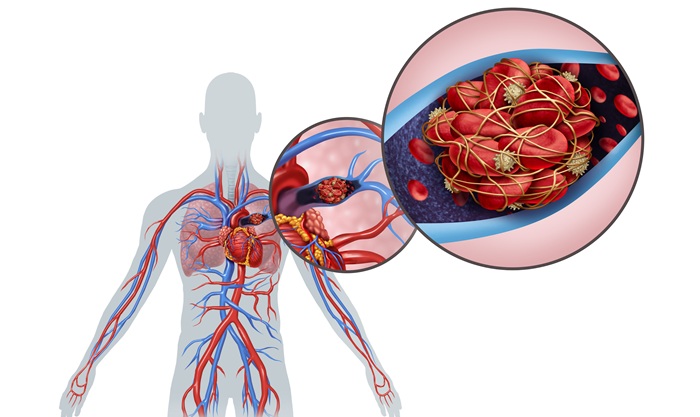
Ultrasound‑Aided Catheter Treatment Cuts Early Collapse in Pulmonary Embolism
Acute pulmonary embolism can cause rapid hemodynamic deterioration and early death in hospitalized and emergency patients. Systemic thrombolysis can dissolve clots but is limited by a high risk of major... Read more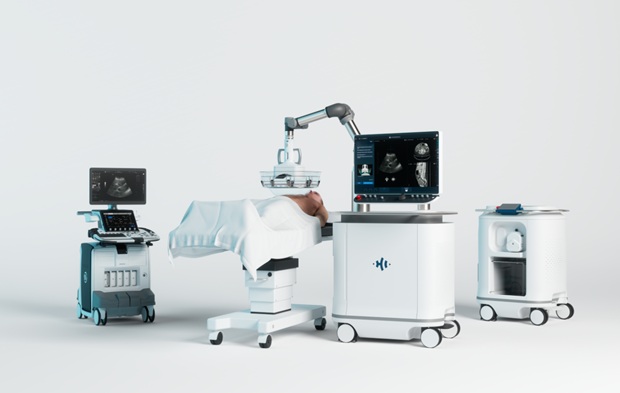

Patient Care
view channel
Wearable Sleep Data Predict Adherence to Pulmonary Rehabilitation
Chronic obstructive pulmonary disease (COPD) is a long-term lung disorder that makes breathing difficult and often disturbs sleep, reducing energy for daily activities. Limited engagement in pulmonary... Read more
Revolutionary Automatic IV-Line Flushing Device to Enhance Infusion Care
More than 80% of in-hospital patients receive intravenous (IV) therapy. Every dose of IV medicine delivered in a small volume (<250 mL) infusion bag should be followed by subsequent flushing to ensure... Read more


Business
view channel
GE HealthCare Leads Major European Initiative to Advance Cardio-Oncology Care
Cardiovascular complications are increasingly recognized among people undergoing or recovering from cancer treatment, driven by pre‑existing disease and the cardiotoxic effects of chemotherapy, radiotherapy,... Read more

