






Top Ten Medical Device Trends of 2017
|
By HospiMedica International staff writers Posted on 24 Jan 2017 |


|
Medical device manufacturers will be concerned with several trends in 2017 ranging from mergers, to wearable devices, to the recent election. These are the latest findings of Kalorama Information, an independent medical market research firm, which has identified the top ten medical device trends for 2017.
MDUFA fees: The medical devices industry is aiming for a further reduction or limited/no increase in the Medical Device User Fee (MDUFA) agreement fee and expects a sympathetic hearing from the Trump administration on the matter, as medical device issues enjoy comparatively more bipartisan support.
ACA and FDA: The medical device industry is also likely to advocate for improving the FDA regulatory process and an outright repeal versus suspension of the medical device tax. The industry is expected to seek ACA repeal through its lobby group AvaMed and has indicated that it would not like to see coverage of newly insured being disrupted and ensure that the coverage process allows patient access to the latest innovations.
Slow and steady revenue growth: The medical devices market, which is currently worth USD 390 billion is estimated to record an average growth of 2.8% in 2017 and the following five years. Cost-cutting mechanisms are likely to continue impacting price increases in the near-term even as the user base for medical devices is growing.
Continued M&As: Medical device leaders are expected to continue focusing on acquisitions to boost growth, gain share and capitalize on available buying opportunities in 2017 as well.
Hospital consolidation: Continued hospital consolidation in the US would mean less buyers for medical device products and more gatekeepers in a majority of the cases. However, consolidated hospitals could be better spenders for top companies selling innovative products as they reduce the total customer base. Nevertheless, the FTC’s recent aggressive stance could curb the trend of hospital consolidation in the US.
Pricing: Boards and buying committees in hospitals that seek to streamline device purchasing, group purchasing organizations, value analysis committees, reimbursement reductions to hospital buyers of devices, competitive bidding schemes, and other programs have together resulted in prices of medical devices growing at a slower pace than inflation.
Research and development: The medical device industry continues to fund research with companies spending an average of 7% of their revenue on R&D.
Focus on US, but Asia rising: The US will remain the world’s largest medical devices market in 2017 and will continue to be in focus due to the reimbursement challenges in Europe and slightly lower-than-expected growth. However, China is expected to record a far higher growth than the overall market in 2017, along with the rest of Southeast Asia.
Cybersecurity: With medical devices becoming more complicated and featuring components that use the cloud or online reporting, there is growing concern over the ability of hackers and criminals to undermine security systems.
Wearables: Healthcare is among the fastest growing segments for wearables due to the increasing need for monitoring diseases and aging populations. Medical devices with a wearable component are expected to record an average revenue growth double the overall device market, which was worth just over USD 13.2 billion for 2016.




MDUFA fees: The medical devices industry is aiming for a further reduction or limited/no increase in the Medical Device User Fee (MDUFA) agreement fee and expects a sympathetic hearing from the Trump administration on the matter, as medical device issues enjoy comparatively more bipartisan support.
ACA and FDA: The medical device industry is also likely to advocate for improving the FDA regulatory process and an outright repeal versus suspension of the medical device tax. The industry is expected to seek ACA repeal through its lobby group AvaMed and has indicated that it would not like to see coverage of newly insured being disrupted and ensure that the coverage process allows patient access to the latest innovations.
Slow and steady revenue growth: The medical devices market, which is currently worth USD 390 billion is estimated to record an average growth of 2.8% in 2017 and the following five years. Cost-cutting mechanisms are likely to continue impacting price increases in the near-term even as the user base for medical devices is growing.
Continued M&As: Medical device leaders are expected to continue focusing on acquisitions to boost growth, gain share and capitalize on available buying opportunities in 2017 as well.
Hospital consolidation: Continued hospital consolidation in the US would mean less buyers for medical device products and more gatekeepers in a majority of the cases. However, consolidated hospitals could be better spenders for top companies selling innovative products as they reduce the total customer base. Nevertheless, the FTC’s recent aggressive stance could curb the trend of hospital consolidation in the US.
Pricing: Boards and buying committees in hospitals that seek to streamline device purchasing, group purchasing organizations, value analysis committees, reimbursement reductions to hospital buyers of devices, competitive bidding schemes, and other programs have together resulted in prices of medical devices growing at a slower pace than inflation.
Research and development: The medical device industry continues to fund research with companies spending an average of 7% of their revenue on R&D.
Focus on US, but Asia rising: The US will remain the world’s largest medical devices market in 2017 and will continue to be in focus due to the reimbursement challenges in Europe and slightly lower-than-expected growth. However, China is expected to record a far higher growth than the overall market in 2017, along with the rest of Southeast Asia.
Cybersecurity: With medical devices becoming more complicated and featuring components that use the cloud or online reporting, there is growing concern over the ability of hackers and criminals to undermine security systems.
Wearables: Healthcare is among the fastest growing segments for wearables due to the increasing need for monitoring diseases and aging populations. Medical devices with a wearable component are expected to record an average revenue growth double the overall device market, which was worth just over USD 13.2 billion for 2016.

Gold Member
SARS‑CoV‑2/Flu A/Flu B/RSV Sample-To-Answer Test
SARS‑CoV‑2/Flu A/Flu B/RSV Cartridge (CE-IVD)
New
Digital Radiography System (Ceiling Free)
Digix CF Series
New
Monitor/Defibrillator
Zenix
Latest Business News
- GE HealthCare Leads Major European Initiative to Advance Cardio-Oncology Care
- Medtronic and GE HealthCare Broaden Alliance Across Monitoring and Care Solutions
- Quantum Surgical Acquires NeuWave from Johnson & Johnson
- Medtronic to Acquire Coronary Artery Medtech Company CathWorks
- Medtronic and Mindray Expand Strategic Partnership to Ambulatory Surgery Centers in the U.S.
- FDA Clearance Expands Robotic Options for Minimally Invasive Heart Surgery
- WHX in Dubai (formerly Arab Health) to debut specialised Biotech & Life Sciences Zone as sector growth accelerates globally
- WHX in Dubai (formerly Arab Health) to bring together key UAE government entities during the groundbreaking 2026 edition
- Interoperability Push Fuels Surge in Healthcare IT Market
- Philips and Masimo Partner to Advance Patient Monitoring Measurement Technologies
- B. Braun Acquires Digital Microsurgery Company True Digital Surgery
- CMEF 2025 to Promote Holistic and High-Quality Development of Medical and Health Industry
- Bayer and Broad Institute Extend Research Collaboration to Develop New Cardiovascular Therapies
- Medtronic Partners with Corsano to Expand Acute Care & Monitoring Portfolio in Europe
- Expanded Collaboration to Transform OR Technology Through AI and Automation
- Becton Dickinson to Spin Out Biosciences and Diagnostic Solutions Business
Channels
Artificial Intelligence
view channel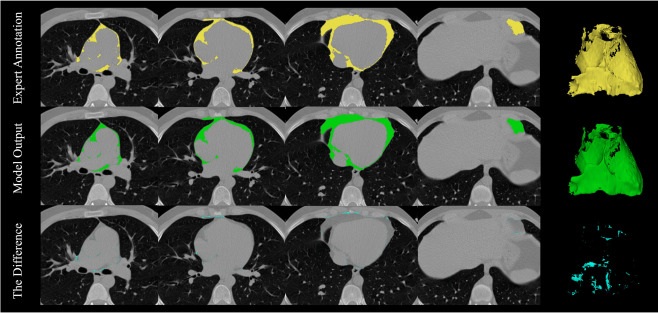
AI Analysis of Pericardial Fat Refines Long-Term Heart Disease Risk
Accurately identifying long-term cardiovascular disease risk in asymptomatic adults remains challenging for clinicians. Missed or underestimated risk delays preventive therapy and increases the chance... Read more
Machine Learning Approach Enhances Liver Cancer Risk Stratification
Hepatocellular carcinoma, the most common form of primary liver cancer, is often detected late despite targeted surveillance programs. Current screening guidelines emphasize patients with known cirrhosis,... Read more

Critical Care
view channel
Noninvasive Monitoring Device Enables Earlier Intervention in Heart Failure
Hospitalizations for heart failure with preserved ejection fraction (HFpEF) remain common because lung congestion often worsens before symptoms prompt treatment changes. Missed early decompensation... Read more
Automated IV Labeling Solution Improves Infusion Safety and Efficiency
Medication administration in high-acuity settings is often complicated by multiple concurrent infusions, making accurate line identification essential. In a 10-hospital intensive care unit study, 60% of... Read more

Surgical Techniques
view channel
Ultrasound Technology Aims to Replace Invasive BPH Procedures
Benign prostatic hyperplasia (BPH) is a frequent cause of lower urinary tract symptoms in aging men and often requires invasive procedures or prolonged recovery. With prevalence expected to rise as populations... Read more
Continuous Monitoring with Wearables Enhances Postoperative Patient Safety
Postoperative hypoxemia on general surgical wards is common and often missed by intermittent vital sign checks. Undetected low oxygen levels can delay recovery and raise the risk of complications that... Read more
Patient Care
view channel
Wearable Sleep Data Predict Adherence to Pulmonary Rehabilitation
Chronic obstructive pulmonary disease (COPD) is a long-term lung disorder that makes breathing difficult and often disturbs sleep, reducing energy for daily activities. Limited engagement in pulmonary... Read more
Revolutionary Automatic IV-Line Flushing Device to Enhance Infusion Care
More than 80% of in-hospital patients receive intravenous (IV) therapy. Every dose of IV medicine delivered in a small volume (<250 mL) infusion bag should be followed by subsequent flushing to ensure... Read more

Health IT
view channel
EMR-Based Tool Predicts Graft Failure After Kidney Transplant
Kidney transplantation offers patients with end-stage kidney disease longer survival and better quality of life than dialysis, yet graft failure remains a major challenge. Although a successful transplant... Read more


