






Forehead Sensor Facilitates Low Perfusion Pulse Oximetry
|
By HospiMedica International staff writers Posted on 26 Jan 2017 |


|

Image: The TFA-1 forehead oximetry sensor (Photo courtesy of Masimo).
An innovative transflectance sensor provides oxygen saturation measurements that are less susceptible to peripheral perfusion changes.
The TFA-1 single-patient-use adhesive forehead sensor allows clinicians to detection desaturation and resaturation faster than via digit sensors when using Masimo SET measure-through motion and low perfusion pulse oximetry, by addressing low perfusion and motion artifact challenges. By harnessing adaptive filters to reduce measurement inaccuracy and the alternative forehead-monitoring site (rather than a finger), the TFA-1 provides easier access during surgery, resuscitation, and in patients with finger deformities.
The TFA-1 is suitable for both pediatric and adult patients, and is available in both Masimo LNCS and M-LNCS connector versions, each provided with a flat cable for improved patient comfort. Using a forehead sensor also avoids cross-contamination risks that accompany reusable sensors, reduces the complexity associated with reusable sensors, such as cleaning, storage, and transport. The TFA-1 single-patient-use adhesive forehead sensor is a product of Masimo, and has been approved by the U.S. Food and Drug Administration (FDA).
“The TFA-1 transflectance forehead adhesive sensor offers clinicians yet another way to leverage the breakthrough measurement capability in Masimo SET pulse oximetry,” said Joe Kiani, founder and CEO of Masimo. “By continuing to take Masimo's breakthrough technologies to new sites and applications, we are helping improve patient outcomes and safety while reducing cost of care.”
Masimo SET is a noninvasive sensor technology that uses more than seven wavelengths of light to acquire blood constituent data. Advanced signal processing algorithms and unique adaptive filters work together to isolate, identify, and quantify various hemoglobin species based on theur light absorption characteristics, delivering the results in numerical values. Masimo SET includes measurement of oxygen saturation (SpO2), pulse rate (PR), perfusion index (PI), and pleth variability index (PVI), a measure of the dynamic changes in perfusion index that occur during the respiratory cycle.




The TFA-1 single-patient-use adhesive forehead sensor allows clinicians to detection desaturation and resaturation faster than via digit sensors when using Masimo SET measure-through motion and low perfusion pulse oximetry, by addressing low perfusion and motion artifact challenges. By harnessing adaptive filters to reduce measurement inaccuracy and the alternative forehead-monitoring site (rather than a finger), the TFA-1 provides easier access during surgery, resuscitation, and in patients with finger deformities.
The TFA-1 is suitable for both pediatric and adult patients, and is available in both Masimo LNCS and M-LNCS connector versions, each provided with a flat cable for improved patient comfort. Using a forehead sensor also avoids cross-contamination risks that accompany reusable sensors, reduces the complexity associated with reusable sensors, such as cleaning, storage, and transport. The TFA-1 single-patient-use adhesive forehead sensor is a product of Masimo, and has been approved by the U.S. Food and Drug Administration (FDA).
“The TFA-1 transflectance forehead adhesive sensor offers clinicians yet another way to leverage the breakthrough measurement capability in Masimo SET pulse oximetry,” said Joe Kiani, founder and CEO of Masimo. “By continuing to take Masimo's breakthrough technologies to new sites and applications, we are helping improve patient outcomes and safety while reducing cost of care.”
Masimo SET is a noninvasive sensor technology that uses more than seven wavelengths of light to acquire blood constituent data. Advanced signal processing algorithms and unique adaptive filters work together to isolate, identify, and quantify various hemoglobin species based on theur light absorption characteristics, delivering the results in numerical values. Masimo SET includes measurement of oxygen saturation (SpO2), pulse rate (PR), perfusion index (PI), and pleth variability index (PVI), a measure of the dynamic changes in perfusion index that occur during the respiratory cycle.

Gold Member
12-Channel ECG
CM1200B
New
Surgical System
Stealth AXiS
New
Desk Aneroid Sphyg
Diagnostix 750D+
Latest Critical Care News
- Noninvasive Monitoring Device Enables Earlier Intervention in Heart Failure
- Automated IV Labeling Solution Improves Infusion Safety and Efficiency
- First-Of-Its-Kind AI Tool Detects Pulmonary Hypertension from Standard ECGs
- 4D Digital Twin Heart Model Improves CRT Outcomes
- AI Turns Glucose Data Into Actionable Insights for Diabetes Care
- Microscale Wireless Implant Tracks Brain Activity Over Time
- Smart Mask Delivers Continuous, Battery-Free Breath Monitoring
- Routine Blood Pressure Readings May Identify Risk of Future Cognitive Decline
- CGM-Based Algorithm Enhances Insulin Dose Adjustment in Type 2 Diabetes
- Fish Scale–Based Implants Offer New Approach to Corneal Repair
- Dual-Function Wound Patch Combines Infection Sensing and Treatment
- Smartwatch Signals and Blood Tests Team Up for Early Warning on Insulin Resistance
- Smart Fabric Technology Aims to Prevent Pressure Injuries in Hospital Care
- Standardized Treatment Algorithm Improves Blood Pressure Control
- Combined Infection Control Strategy Limits Drug-Resistant Outbreak in NICU
- AI Helps Predict Which Heart-Failure Patients Will Worsen Within a Year
Channels
Artificial Intelligence
view channel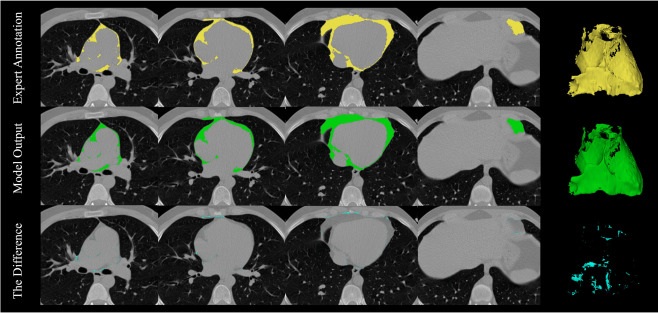
AI Analysis of Pericardial Fat Refines Long-Term Heart Disease Risk
Accurately identifying long-term cardiovascular disease risk in asymptomatic adults remains challenging for clinicians. Missed or underestimated risk delays preventive therapy and increases the chance... Read more
Machine Learning Approach Enhances Liver Cancer Risk Stratification
Hepatocellular carcinoma, the most common form of primary liver cancer, is often detected late despite targeted surveillance programs. Current screening guidelines emphasize patients with known cirrhosis,... Read more

Surgical Techniques
view channel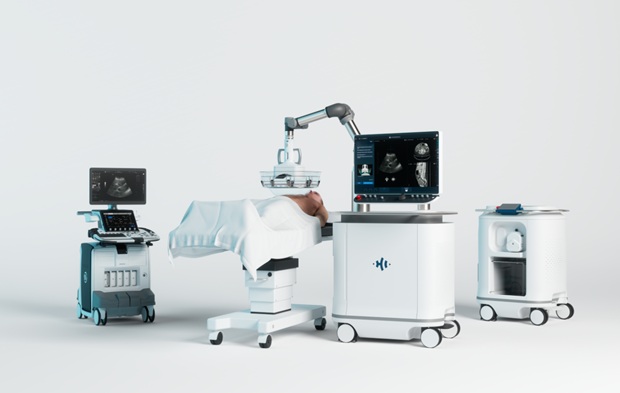
Ultrasound Technology Aims to Replace Invasive BPH Procedures
Benign prostatic hyperplasia (BPH) is a frequent cause of lower urinary tract symptoms in aging men and often requires invasive procedures or prolonged recovery. With prevalence expected to rise as populations... Read more
Continuous Monitoring with Wearables Enhances Postoperative Patient Safety
Postoperative hypoxemia on general surgical wards is common and often missed by intermittent vital sign checks. Undetected low oxygen levels can delay recovery and raise the risk of complications that... Read more
Patient Care
view channel
Wearable Sleep Data Predict Adherence to Pulmonary Rehabilitation
Chronic obstructive pulmonary disease (COPD) is a long-term lung disorder that makes breathing difficult and often disturbs sleep, reducing energy for daily activities. Limited engagement in pulmonary... Read more
Revolutionary Automatic IV-Line Flushing Device to Enhance Infusion Care
More than 80% of in-hospital patients receive intravenous (IV) therapy. Every dose of IV medicine delivered in a small volume (<250 mL) infusion bag should be followed by subsequent flushing to ensure... Read more

Health IT
view channel
EMR-Based Tool Predicts Graft Failure After Kidney Transplant
Kidney transplantation offers patients with end-stage kidney disease longer survival and better quality of life than dialysis, yet graft failure remains a major challenge. Although a successful transplant... Read more
Printable Molecule-Selective Nanoparticles Enable Mass Production of Wearable Biosensors
The future of medicine is likely to focus on the personalization of healthcare—understanding exactly what an individual requires and delivering the appropriate combination of nutrients, metabolites, and... Read more


Business
view channel
GE HealthCare Leads Major European Initiative to Advance Cardio-Oncology Care
Cardiovascular complications are increasingly recognized among people undergoing or recovering from cancer treatment, driven by pre‑existing disease and the cardiotoxic effects of chemotherapy, radiotherapy,... Read more

