






Transplant Patients Suffer More Mohs Surgery Infections
|
By HospiMedica International staff writers Posted on 21 Mar 2017 |


|
Image
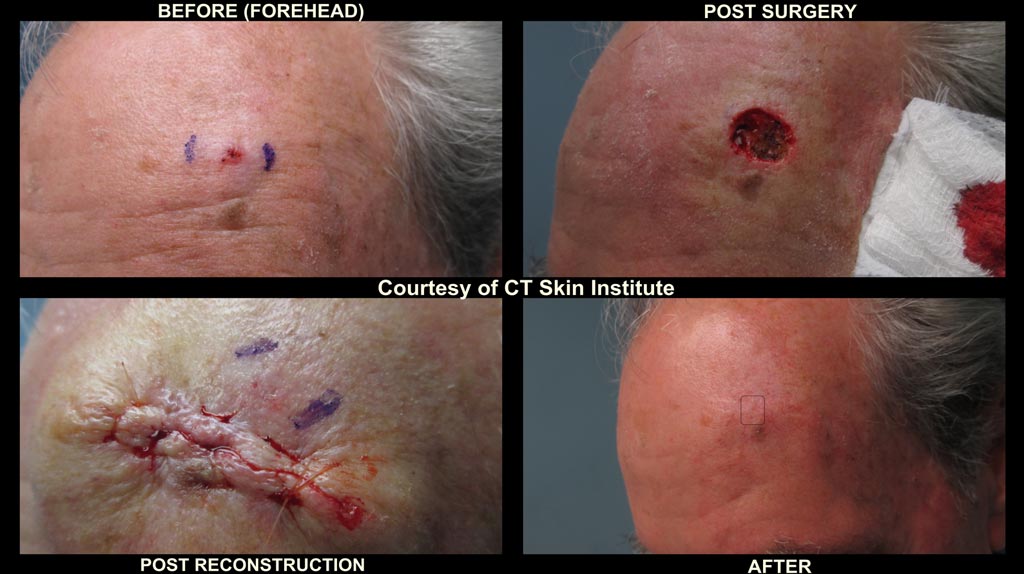
Patients with a history of immunosuppression (IS) who undergo Mohs micrographic surgery (MMS) are more likely to experience post-surgical complications, according to a new study.
Researchers at the University of California, San Diego conducted a cross-sectional retrospective study that included data involving 4,151 patients who underwent MMS for non-melanoma skin cancer (NMSC); of these, 693 patients were defined as IS, including patients who were solid organ transplant recipients (SOTR), patients on chronic immunosuppressive therapy, or patients who had a diagnosis of leukemia, lymphoma, or HIV. Complication was defined as any adverse event reported within two weeks of MMS, directly related to the procedure.
The result showed that overall IS status was associated with a 9.6 times odds of complication. Among subtypes, SOTR had 8.824 times the odds of complication, while hematologic malignancy or HIV-positive status did not predict significantly higher odds. IS therapy was associated with 5.775 times the odds of complication, with the macrolides sirolimus and tacrolimus displaying 18 and 9 times higher odds, respectively. The study was presented as a poster session at the annual meeting of the American Academy of Dermatology, held during March 2017 in Orlando (FL, USA).
“IS patients are not only at higher risk for multiple, aggressive NMSCs, but may be at increased risk for overall post-operative complication following MMS,” concluded lead author UCSD medical student Pallavi Basu, BA, and colleagues. “In particular, heart transplant recipients or patients on sirolimus or tacrolimus may benefit from post-procedure infection prophylaxis, as well as careful management and repair to avoid necrosis or hematoma.”
MMS is the treatment of choice for basal cell and squamous cell carcinomas at high risk for local recurrence. The technique involves removal of the cutaneous carcinomas using precise microscopic marginal control with the aid of horizontal frozen sections. Advantages include superior cure rates, maximal tissue conservation, the ability to trace perineural or infiltrating tumors histologically, overall lower costs relative to that of radiation therapy, excision, or surgery, and negligible risk of complications from general anesthesia.





Researchers at the University of California, San Diego conducted a cross-sectional retrospective study that included data involving 4,151 patients who underwent MMS for non-melanoma skin cancer (NMSC); of these, 693 patients were defined as IS, including patients who were solid organ transplant recipients (SOTR), patients on chronic immunosuppressive therapy, or patients who had a diagnosis of leukemia, lymphoma, or HIV. Complication was defined as any adverse event reported within two weeks of MMS, directly related to the procedure.
The result showed that overall IS status was associated with a 9.6 times odds of complication. Among subtypes, SOTR had 8.824 times the odds of complication, while hematologic malignancy or HIV-positive status did not predict significantly higher odds. IS therapy was associated with 5.775 times the odds of complication, with the macrolides sirolimus and tacrolimus displaying 18 and 9 times higher odds, respectively. The study was presented as a poster session at the annual meeting of the American Academy of Dermatology, held during March 2017 in Orlando (FL, USA).
“IS patients are not only at higher risk for multiple, aggressive NMSCs, but may be at increased risk for overall post-operative complication following MMS,” concluded lead author UCSD medical student Pallavi Basu, BA, and colleagues. “In particular, heart transplant recipients or patients on sirolimus or tacrolimus may benefit from post-procedure infection prophylaxis, as well as careful management and repair to avoid necrosis or hematoma.”
MMS is the treatment of choice for basal cell and squamous cell carcinomas at high risk for local recurrence. The technique involves removal of the cutaneous carcinomas using precise microscopic marginal control with the aid of horizontal frozen sections. Advantages include superior cure rates, maximal tissue conservation, the ability to trace perineural or infiltrating tumors histologically, overall lower costs relative to that of radiation therapy, excision, or surgery, and negligible risk of complications from general anesthesia.

New
Gold Member
Neonatal Heel Incision Device
Tenderfoot
New
Medical-Grade Display
HL2316SHTB
New
Gas Analyzer
GE SAM
Latest Critical Care News
- Automated IV Labeling Solution Improves Infusion Safety and Efficiency
- First-Of-Its-Kind AI Tool Detects Pulmonary Hypertension from Standard ECGs
- 4D Digital Twin Heart Model Improves CRT Outcomes
- AI Turns Glucose Data Into Actionable Insights for Diabetes Care
- Microscale Wireless Implant Tracks Brain Activity Over Time
- Smart Mask Delivers Continuous, Battery-Free Breath Monitoring
- Routine Blood Pressure Readings May Identify Risk of Future Cognitive Decline
- CGM-Based Algorithm Enhances Insulin Dose Adjustment in Type 2 Diabetes
- Fish Scale–Based Implants Offer New Approach to Corneal Repair
- Dual-Function Wound Patch Combines Infection Sensing and Treatment
- Smartwatch Signals and Blood Tests Team Up for Early Warning on Insulin Resistance
- Smart Fabric Technology Aims to Prevent Pressure Injuries in Hospital Care
- Standardized Treatment Algorithm Improves Blood Pressure Control
- Combined Infection Control Strategy Limits Drug-Resistant Outbreak in NICU
- AI Helps Predict Which Heart-Failure Patients Will Worsen Within a Year
- Algorithm Allows Paramedics to Predict Brain Damage Risk After Cardiac Arrest
Channels
Artificial Intelligence
view channel
Machine Learning Approach Enhances Liver Cancer Risk Stratification
Hepatocellular carcinoma, the most common form of primary liver cancer, is often detected late despite targeted surveillance programs. Current screening guidelines emphasize patients with known cirrhosis,... Read more
New AI Approach Monitors Brain Health Using Passive Wearable Data
Brain health spans cognitive and emotional functions and can fluctuate even in adults without diagnosed disease. Detecting early changes remains difficult in routine care and burdens specialty services... Read more

Surgical Techniques
view channel
Continuous Monitoring with Wearables Enhances Postoperative Patient Safety
Postoperative hypoxemia on general surgical wards is common and often missed by intermittent vital sign checks. Undetected low oxygen levels can delay recovery and raise the risk of complications that... Read more
New Approach Enables Customized Muscle Tissue Without Biomaterial Scaffolds
Volumetric muscle loss is a traumatic loss of skeletal muscle that often leads to permanent functional impairment and limited reconstructive options. Current experimental strategies struggle to deliver... Read more
Patient Care
view channel
Wearable Sleep Data Predict Adherence to Pulmonary Rehabilitation
Chronic obstructive pulmonary disease (COPD) is a long-term lung disorder that makes breathing difficult and often disturbs sleep, reducing energy for daily activities. Limited engagement in pulmonary... Read more
Revolutionary Automatic IV-Line Flushing Device to Enhance Infusion Care
More than 80% of in-hospital patients receive intravenous (IV) therapy. Every dose of IV medicine delivered in a small volume (<250 mL) infusion bag should be followed by subsequent flushing to ensure... Read more

Health IT
view channel
EMR-Based Tool Predicts Graft Failure After Kidney Transplant
Kidney transplantation offers patients with end-stage kidney disease longer survival and better quality of life than dialysis, yet graft failure remains a major challenge. Although a successful transplant... Read more
Printable Molecule-Selective Nanoparticles Enable Mass Production of Wearable Biosensors
The future of medicine is likely to focus on the personalization of healthcare—understanding exactly what an individual requires and delivering the appropriate combination of nutrients, metabolites, and... Read more


Business
view channel
GE HealthCare Leads Major European Initiative to Advance Cardio-Oncology Care
Cardiovascular complications are increasingly recognized among people undergoing or recovering from cancer treatment, driven by pre‑existing disease and the cardiotoxic effects of chemotherapy, radiotherapy,... Read more

