






Immortalized Erythroid Line Facilitates Mass Production of RBCs
|
By HospiMedica International staff writers Posted on 12 Apr 2017 |


|
A robust and reproducible technique allows the production of immortalized erythroid cell lines, which can be cultured indefinitely for large-scale production of red blood cells (RBCs).
Researchers at the University of Bristol immortalized early human adult erythroblasts, which can differentiate efficiently into mature, functional, reticulocytes that can be isolated by filtration. The Bristol Erythroid Line Adult (BEL-A) cell was created from adult bone marrow CD34+cells, which were first transduced and cultured for four days. They were then transferred to expansion medium containing doxycycline to induce expression of E6 and E7, and were maintained in this medium thereafter.
The cells proliferated continuously, achieving a mean doubling time of 20 hours after 100 days in a continuous culture medium. A morphological analysis of the immortalized cells showed them to be pro- to early basophilic erythroblasts, and there was no change in morphology over time. The researchers showed that the erythroid line can fully recapitulate normal erythropoiesis, enucleating to generate mature reticulocytes, the characterization of which revealed no functional differences from normal reticulocytes, even at the molecular level, and with no aberrant protein expression.
According to the researchers, preliminary tests demonstrate similar survival rates to adult donor RBCs in vivo. The technique is robust and reproducible, with multiple additional lines successfully generated, and could allow large-scale and continuous production of RBCs for clinical use. They added that as the BEL-A line is easily transduced, it could also facilitate the development of novel therapeutic products, as well as serve as a superior research tool for the study of erythropoiesis and RBC disease. The study was published on March 14, 2017, in Nature Communications.
“Previous approaches to producing red blood cells have relied on various sources of stem cells which can only presently produce very limited quantities,” said lead author Jan Frayne, PhD, of the University of Bristol School of Biochemistry. “By taking an alternative approach, we have demonstrated a feasible way to sustainably manufacture red cells for clinical use from in vitro culture. Cultured red blood cells have advantages over donor blood, such as reduced risk of infectious disease transmission.”
Blood shortage is a global healthcare problem, and is likely to become even more challenging as people live longer and donor numbers dwindle. Cultured RBCs may provide an alternative to donor blood and hold several potential advantages, such as reduced risk of infectious disease transmission. As the BEL-A cultured cells are all nascent, the number of transfusions administered to patients suffering from sickle cell disease, thalassaemia myelodysplasia, and certain other cancers could be reduced, ameliorating the consequences of organ damage from iron overload.





Researchers at the University of Bristol immortalized early human adult erythroblasts, which can differentiate efficiently into mature, functional, reticulocytes that can be isolated by filtration. The Bristol Erythroid Line Adult (BEL-A) cell was created from adult bone marrow CD34+cells, which were first transduced and cultured for four days. They were then transferred to expansion medium containing doxycycline to induce expression of E6 and E7, and were maintained in this medium thereafter.
The cells proliferated continuously, achieving a mean doubling time of 20 hours after 100 days in a continuous culture medium. A morphological analysis of the immortalized cells showed them to be pro- to early basophilic erythroblasts, and there was no change in morphology over time. The researchers showed that the erythroid line can fully recapitulate normal erythropoiesis, enucleating to generate mature reticulocytes, the characterization of which revealed no functional differences from normal reticulocytes, even at the molecular level, and with no aberrant protein expression.
According to the researchers, preliminary tests demonstrate similar survival rates to adult donor RBCs in vivo. The technique is robust and reproducible, with multiple additional lines successfully generated, and could allow large-scale and continuous production of RBCs for clinical use. They added that as the BEL-A line is easily transduced, it could also facilitate the development of novel therapeutic products, as well as serve as a superior research tool for the study of erythropoiesis and RBC disease. The study was published on March 14, 2017, in Nature Communications.
“Previous approaches to producing red blood cells have relied on various sources of stem cells which can only presently produce very limited quantities,” said lead author Jan Frayne, PhD, of the University of Bristol School of Biochemistry. “By taking an alternative approach, we have demonstrated a feasible way to sustainably manufacture red cells for clinical use from in vitro culture. Cultured red blood cells have advantages over donor blood, such as reduced risk of infectious disease transmission.”
Blood shortage is a global healthcare problem, and is likely to become even more challenging as people live longer and donor numbers dwindle. Cultured RBCs may provide an alternative to donor blood and hold several potential advantages, such as reduced risk of infectious disease transmission. As the BEL-A cultured cells are all nascent, the number of transfusions administered to patients suffering from sickle cell disease, thalassaemia myelodysplasia, and certain other cancers could be reduced, ameliorating the consequences of organ damage from iron overload.

New
Gold Member
Neonatal Heel Incision Device
Tenderfoot
New
Digital Radiography System (Ceiling Free)
Digix CF Series
New
Gas Analyzer
GE SAM
Latest Critical Care News
- Automated IV Labeling Solution Improves Infusion Safety and Efficiency
- First-Of-Its-Kind AI Tool Detects Pulmonary Hypertension from Standard ECGs
- 4D Digital Twin Heart Model Improves CRT Outcomes
- AI Turns Glucose Data Into Actionable Insights for Diabetes Care
- Microscale Wireless Implant Tracks Brain Activity Over Time
- Smart Mask Delivers Continuous, Battery-Free Breath Monitoring
- Routine Blood Pressure Readings May Identify Risk of Future Cognitive Decline
- CGM-Based Algorithm Enhances Insulin Dose Adjustment in Type 2 Diabetes
- Fish Scale–Based Implants Offer New Approach to Corneal Repair
- Dual-Function Wound Patch Combines Infection Sensing and Treatment
- Smartwatch Signals and Blood Tests Team Up for Early Warning on Insulin Resistance
- Smart Fabric Technology Aims to Prevent Pressure Injuries in Hospital Care
- Standardized Treatment Algorithm Improves Blood Pressure Control
- Combined Infection Control Strategy Limits Drug-Resistant Outbreak in NICU
- AI Helps Predict Which Heart-Failure Patients Will Worsen Within a Year
- Algorithm Allows Paramedics to Predict Brain Damage Risk After Cardiac Arrest
Channels
Artificial Intelligence
view channel
Machine Learning Approach Enhances Liver Cancer Risk Stratification
Hepatocellular carcinoma, the most common form of primary liver cancer, is often detected late despite targeted surveillance programs. Current screening guidelines emphasize patients with known cirrhosis,... Read more
New AI Approach Monitors Brain Health Using Passive Wearable Data
Brain health spans cognitive and emotional functions and can fluctuate even in adults without diagnosed disease. Detecting early changes remains difficult in routine care and burdens specialty services... Read more

Surgical Techniques
view channel
Continuous Monitoring with Wearables Enhances Postoperative Patient Safety
Postoperative hypoxemia on general surgical wards is common and often missed by intermittent vital sign checks. Undetected low oxygen levels can delay recovery and raise the risk of complications that... Read more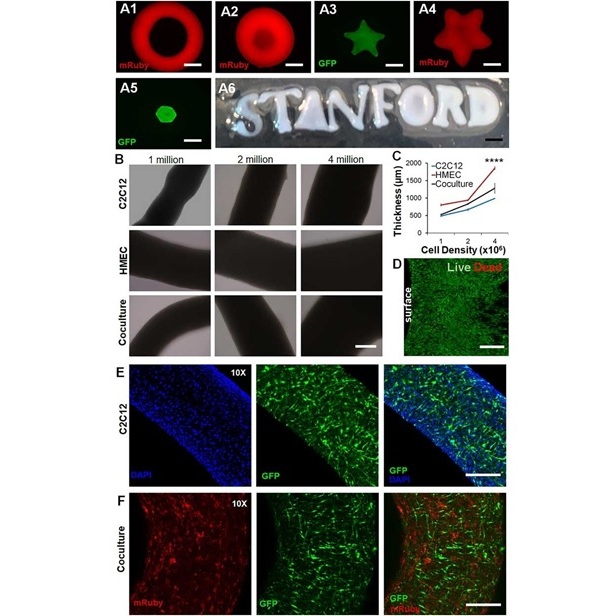
New Approach Enables Customized Muscle Tissue Without Biomaterial Scaffolds
Volumetric muscle loss is a traumatic loss of skeletal muscle that often leads to permanent functional impairment and limited reconstructive options. Current experimental strategies struggle to deliver... Read more

Patient Care
view channel
Wearable Sleep Data Predict Adherence to Pulmonary Rehabilitation
Chronic obstructive pulmonary disease (COPD) is a long-term lung disorder that makes breathing difficult and often disturbs sleep, reducing energy for daily activities. Limited engagement in pulmonary... Read more
Revolutionary Automatic IV-Line Flushing Device to Enhance Infusion Care
More than 80% of in-hospital patients receive intravenous (IV) therapy. Every dose of IV medicine delivered in a small volume (<250 mL) infusion bag should be followed by subsequent flushing to ensure... Read more

Health IT
view channel
EMR-Based Tool Predicts Graft Failure After Kidney Transplant
Kidney transplantation offers patients with end-stage kidney disease longer survival and better quality of life than dialysis, yet graft failure remains a major challenge. Although a successful transplant... Read more
Printable Molecule-Selective Nanoparticles Enable Mass Production of Wearable Biosensors
The future of medicine is likely to focus on the personalization of healthcare—understanding exactly what an individual requires and delivering the appropriate combination of nutrients, metabolites, and... Read more


Business
view channel
GE HealthCare Leads Major European Initiative to Advance Cardio-Oncology Care
Cardiovascular complications are increasingly recognized among people undergoing or recovering from cancer treatment, driven by pre‑existing disease and the cardiotoxic effects of chemotherapy, radiotherapy,... Read more

