Portable Support System Combines Respiratory Therapies
|
By HospiMedica International staff writers Posted on 25 Apr 2017 |


|

Image: The Ventilation, Oxygen, Cough, Suction, and Nebulization (VOCSN) system (Photo courtesy of Ventec Life Systems).
An innovative respiratory system integrates ventilation, oxygen concentration, cough assistance, suction, and nebulization into one simple, mobile device.
The Ventec Life Systems Ventilation, Oxygen, Cough, Suction, and Nebulization (VOCSN) system is designed to improve care for patients with neuromuscular diseases (such as muscular dystrophies and ALS), impaired lung function (such as COPD, cystic fibrosis, lung cancers, and emphysema), spinal cord injury, and pediatric development complications across the continuum of care, from children five kg and up to adults. Patients can get all five therapies, or just the mix of therapies needed.
The device, which is more than 70% lighter and smaller than current machines, features a nine-hour on-board battery, and is controlled through an intuitive touchscreen interface and user-friendly operating system. Caregivers can seamlessly switch between therapies using the Ventec One-Circuit function with the touch of a button, and no longer need to change circuits between therapies. Instead of having several cumbersome tubes connecting to separate devices, Ventec One-Circuit creates one easy-to-manage system.
“I’ve seen firsthand how improved ventilator technology can enhance the quality of life for patients and caregivers. Our team didn’t want to create just another ventilator, we spent the past five years focused on building a truly integrated solution,” said Doug DeVries, founder and CEO of Ventec. “VOCSN is inspired by ideas from patients, caregivers, medical professionals, and a team of more than 30 leading engineers. New technology was developed to provide best-in-class treatment in a smaller, more energy efficient system.”





The Ventec Life Systems Ventilation, Oxygen, Cough, Suction, and Nebulization (VOCSN) system is designed to improve care for patients with neuromuscular diseases (such as muscular dystrophies and ALS), impaired lung function (such as COPD, cystic fibrosis, lung cancers, and emphysema), spinal cord injury, and pediatric development complications across the continuum of care, from children five kg and up to adults. Patients can get all five therapies, or just the mix of therapies needed.
The device, which is more than 70% lighter and smaller than current machines, features a nine-hour on-board battery, and is controlled through an intuitive touchscreen interface and user-friendly operating system. Caregivers can seamlessly switch between therapies using the Ventec One-Circuit function with the touch of a button, and no longer need to change circuits between therapies. Instead of having several cumbersome tubes connecting to separate devices, Ventec One-Circuit creates one easy-to-manage system.
“I’ve seen firsthand how improved ventilator technology can enhance the quality of life for patients and caregivers. Our team didn’t want to create just another ventilator, we spent the past five years focused on building a truly integrated solution,” said Doug DeVries, founder and CEO of Ventec. “VOCSN is inspired by ideas from patients, caregivers, medical professionals, and a team of more than 30 leading engineers. New technology was developed to provide best-in-class treatment in a smaller, more energy efficient system.”

Gold Member
STI Test
Vivalytic Sexually Transmitted Infection (STI) Array
Blood Pressure Monitor
Cuff Blood Pressure Monitor
POC Respiratory/Sore Throat Test
BIOFIRE SPOTFIRE (R/ST) Panel
Latest Critical Care News
- Noninvasive Brain-Computer Interface Enables Responses in Some Unresponsive ICU Patients
- Smart Medical Adhesive Patch Uses Heat to Enable Gentle Removal
- Real-Time Data Platform Supports Precision Care in Polycystic Kidney Disease
- Smart Pulse Oximetry Supports Earlier Recognition of Arrhythmias and Respiratory Risk
- Wearable Robotic Gait Training Linked to Improved Walking Distance in ALS
- Consumer Smartwatch May Expand Access to Obstructive Sleep Apnea Screening
- Proposed Risk Score Prioritizes Sickest Patients for Heart Transplant
- Wristwatch Sensor Tracks Sodium and Potassium in Sweat in Real Time
- Smart Tear Sensors May Help Detect Shifts in Eye Health Over Time
- Wearable Smart Ring Receives FDA Clearance for Noninvasive Blood Oxygen Monitoring
- AI Tool Combining ECG and Blood Tests Reduces Unnecessary Heart Transplant Biopsies
- Deep Brain Stimulation Window May Matter for Parkinson’s Patients With GBA1 Variants
- Minimally Invasive Ultrasound-Guided Procedure Eases Carpal Tunnel Symptoms
- FDA-Approved App Enables Pulmonary Pressure Monitoring and Medication Guidance in Heart Failure
- Wearable Patch Prototype Advances Toward Integrated Automated Insulin Delivery
- Standardized Scoring Tool Supports ICU Discharge Decisions
Channels
Artificial Intelligence
view channel
AI Tool Predicts Cancer Survival and Biological Age from Single Facial Photo
Assessing frailty and physiologic reserve remains challenging when clinicians consider intensive cancer treatment. Chronological age alone may not reflect how well a patient can tolerate radiation, surgery,... Read more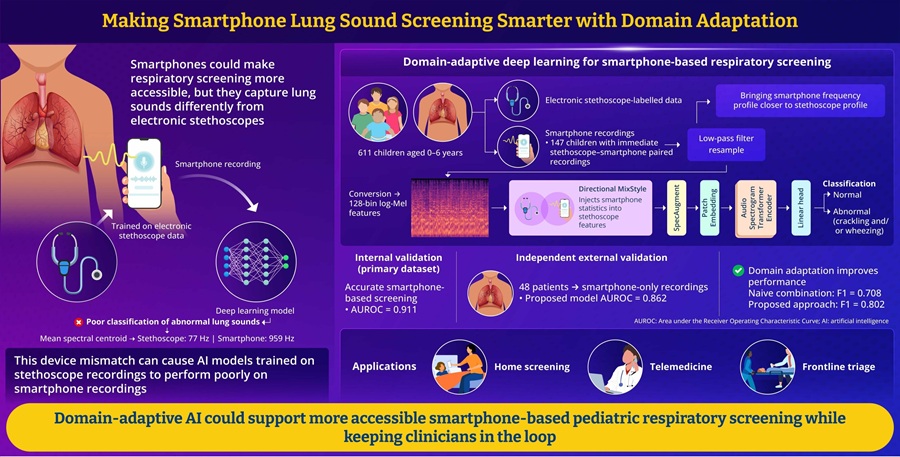
AI Tool Improves Smartphone Detection of Abnormal Pediatric Lung Sounds
Respiratory disease in children remains a major clinical concern worldwide. Abnormal lung sounds can indicate pediatric respiratory illness, but standard auscultation usually requires an in-person examination... Read more

Surgical Techniques
view channel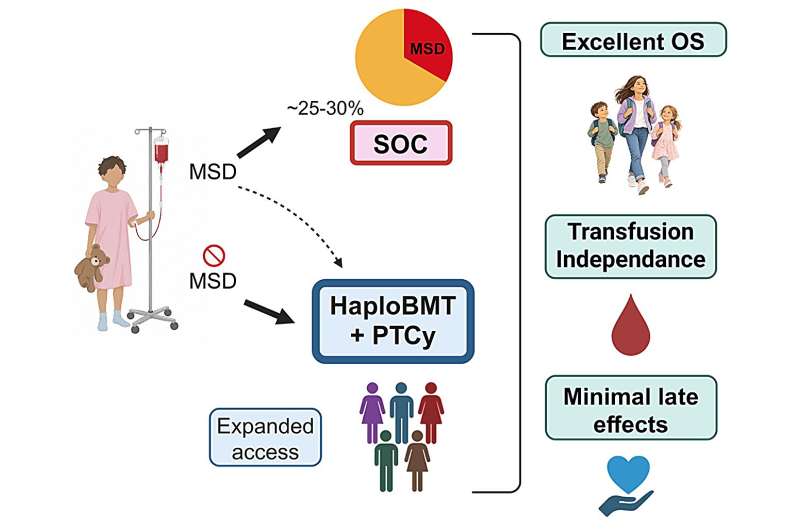
Half-Matched Family Donors Could Expand Transplant Access for Severe Aplastic Anemia
Severe aplastic anemia is a rare, life-threatening disorder in which the bone marrow fails to produce enough healthy blood cells, leaving children and young adults vulnerable to anemia, infection, and bleeding.... Read more
Transcatheter Repair System Gains FDA Approval for Severe Tricuspid Regurgitation
Managing symptomatic severe tricuspid regurgitation can be difficult when patients remain symptomatic despite optimal medical therapy and face intermediate or greater surgical risk. For these patients,... Read more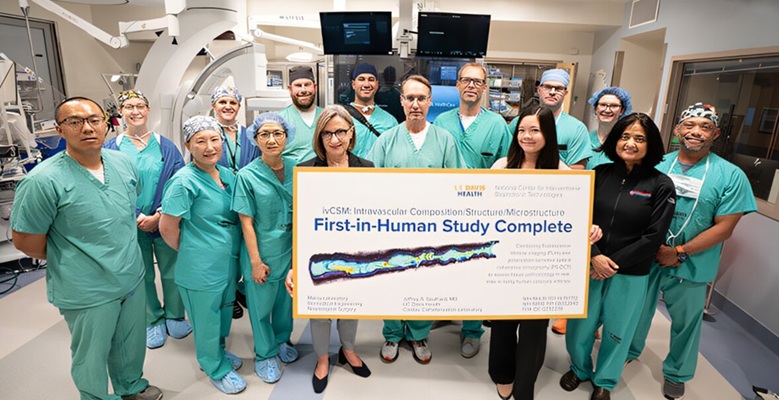
Dual-Imaging Catheter Completes Initial Human Evaluation of Coronary Plaque
Atherosclerosis involves plaque buildup in arterial walls that can narrow blood vessels and increase the risk of heart attack, stroke, and other serious cardiovascular conditions. In coronary arteries,... Read more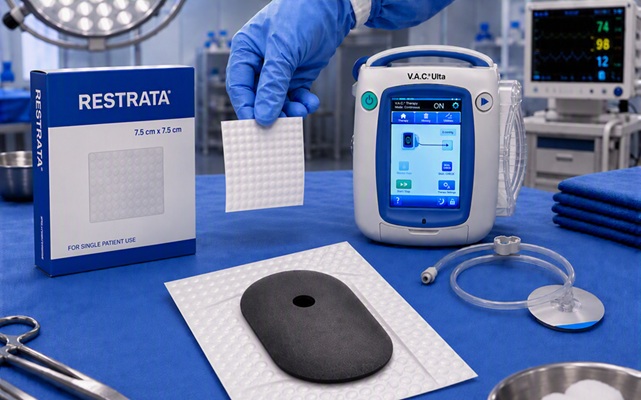
Combined Wound Healing Approach Pairs Synthetic Scaffold With Negative Pressure Therapy
Managing complex wounds requires both structural support for tissue repair and a controlled environment that protects the healing process. Frequent dressing changes can disrupt the wound bed and add complexity... Read morePatient Care
view channel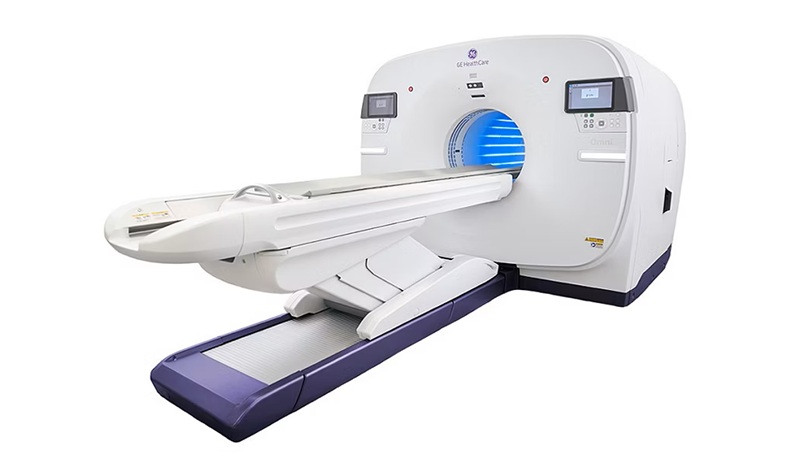
Total-Body PET/CT Scanner Enables One-Minute Diagnostic-Quality Cancer Imaging
Positron emission tomography/computed tomography (PET/CT) combines radiotracer-based functional imaging with anatomical detail to diagnose, stage, and monitor cancer. Conventional scanners image the body... Read more
AI Platform Personalizes Support Between Visits for Cancer Survivors
Cancer survivors often manage persistent side effects after treatment, including fatigue, anxiety, uncertainty, symptoms, stress, and questions between appointments. Clinical teams need ways to maintain... Read more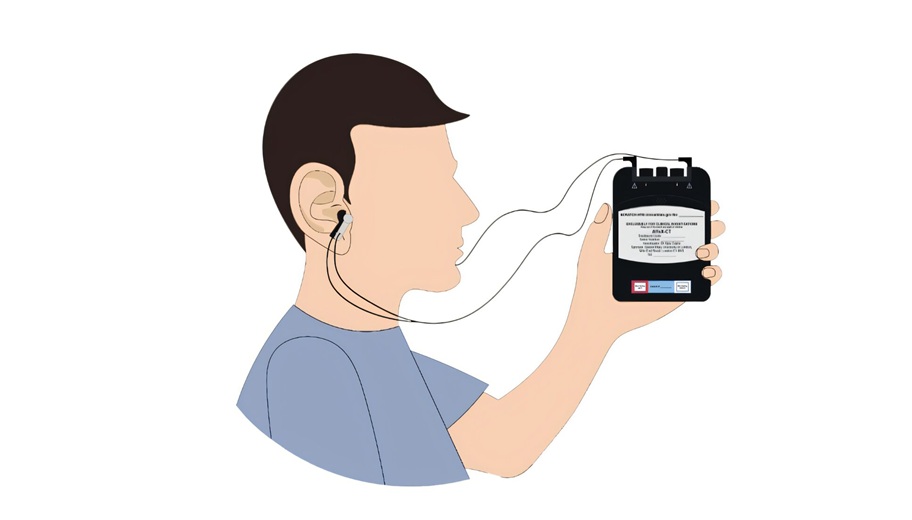
At-Home Neuromodulation Shows Promise in Selected Patients With Hypertension
High blood pressure is a major risk factor for cardiovascular disease, including heart attack and stroke. Many patients receiving treatment for hypertension still remain above recommended blood pressure... Read more
EHR Model Flags High-Risk Periods in Patients with Metastatic Breast Cancer
Determining when patients with metastatic breast cancer are nearing the end of life remains difficult, often leading to intensive interventions with limited benefit. Prognostic uncertainty can delay goals-of-care... Read moreMedical Imaging
view channel
Routine CT Body Composition Tool Helps Identify Early Pancreatic Cancer Risk
Pancreatic ductal adenocarcinoma (PDAC), the most common type of pancreatic cancer, often goes undetected until it has spread. Surveillance programs primarily target people with inherited genetic risk... Read more
AI Tool Improves Fetal MRI for Brain Abnormality Diagnosis
Fetal brain abnormalities can be difficult to diagnose before birth when fetal motion reduces imaging quality. Routine ultrasound may flag a possible abnormality, prompting follow-up fetal MRI, but head... Read more
AI Model Detects Hidden Disease Signals in Routine CT Scans
Computed tomography (CT) scans are often performed to answer a specific diagnostic question, which can leave other potentially important findings outside the immediate clinical focus. As a result, opportunities... Read more
Targeted PET/CT Predicts Early Treatment Response in HER2-Positive Breast Cancer
HER2-positive breast cancer is an aggressive subtype that accounts for a substantial proportion of breast cancer cases. Patients often receive neoadjuvant therapy before surgery to shrink tumors, but assessing... Read moreHealth IT
view channel
EHR Alerts Support Dosing, Sedation, and Shock Recognition in Cardiac Care
Electronic health record alerts can add to clinician workload when they are poorly targeted. In critical cardiac care, however, delayed decisions can affect treatment timing, sedation exposure, and escalation... Read more
Adaptive Radiation QA Software Gains Validation for NeoArc Treatments
Adaptive radiation therapy allows clinicians to adjust treatment plans to daily anatomical changes such as tumor shrinkage, weight loss, or organ movement, improving precision while limiting exposure to... Read more

Point of Care
view channel
Continuous Glucose Monitoring Identifies Cardiometabolic Risk in Adults Without Diabetes
Dysglycemia—abnormal blood glucose regulation—can fluctuate throughout the day and often escape conventional screening. Clinicians typically rely on fasting plasma glucose and hemoglobin A1c, which offer... Read more
Microneedle Patch Enables At-Home Monitoring of Acute Kidney Injury
Kidney disease is often silent in its early stages, making timely detection difficult outside clinical settings. Early biomarkers such as neutrophil gelatinase–associated lipocalin can require blood draws... Read more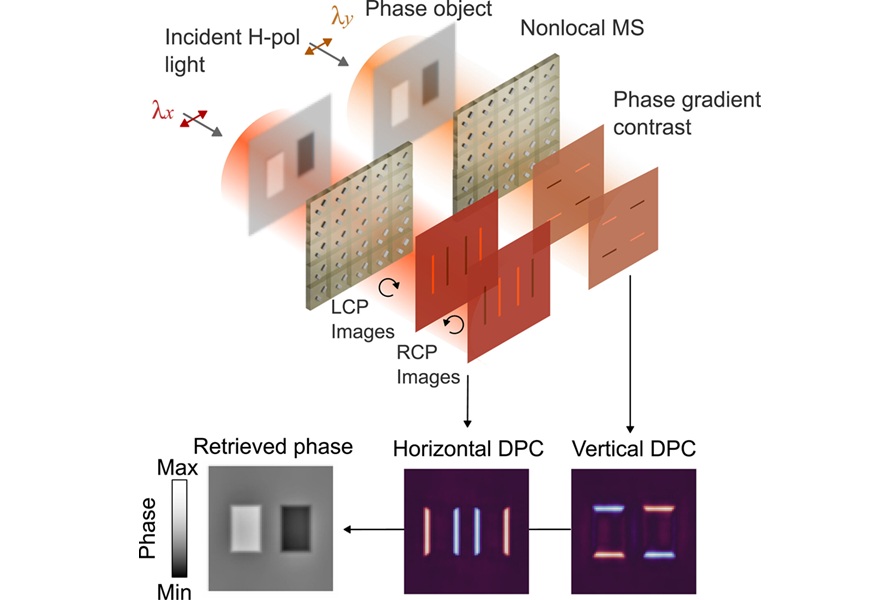
Business
view channel
Steris to Expand Surgical Safety Portfolio With $2.1 Billion Xodus Medical Deal
Steris has signed a definitive agreement to acquire Xodus Medical, a specialty surgical products business based in Pennsylvania, for $2.1 billion at closing. The acquisition will expand Steris’s healthcare... Read more
Stryker Enters Soft-Tissue Robotics Through Strategic Alliance With CMR Surgical
Stryker (Portage, MI, USA) and CMR Surgical (Cambridge, UK) have announced a strategic alliance centered on the Versius Surgical Robotic portfolio. The agreement includes an approximately USD 400 million... Read more
Terumo Neuro Acquisition Advances Liquid Embolic Technology for Chronic Subdural Hematoma
Terumo Neuro (Aliso Viejo, CA, USA) signed an agreement to acquire Arsenal Medical Inc. (Waltham, MA, USA), a privately held, clinical-stage biomaterials company. The proposed acquisition would add NeoCast,... Read more