






3D-Printed Organs Help Clarify Anatomical Quandaries
|
By HospiMedica International staff writers Posted on 02 May 2017 |


|
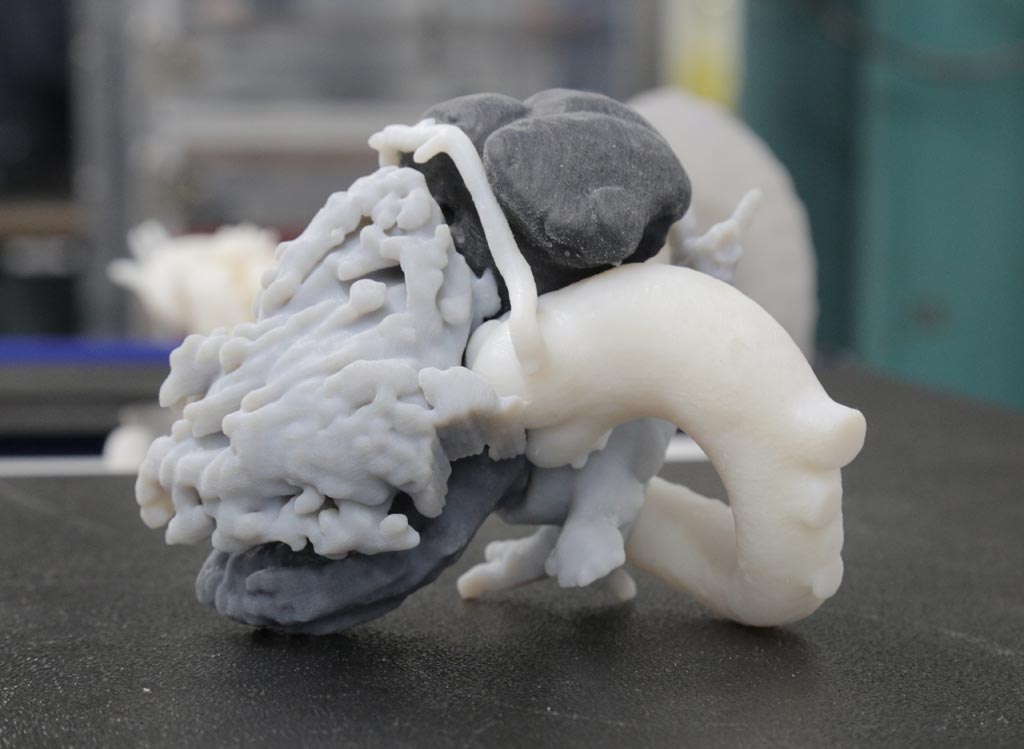
Image: A 3D model of a heart printed with additive manufacturing technology (Photo courtesy of GE Healthcare).
Three-dimensional (3D) printed anatomical models of internal organs can offer patients added insight by showing them what’s really going on inside their bodies.
Researchers at the GE Advanced Manufacturing & Engineering Center (AMEC) are searching for ways to efficiently translate images from computerized tomography (CT), magnetic resonance imaging (MRI), and ultrasound scanners into printable files, so that 3D printed medical models can be produced as quickly as pushing the “Play” button on Netflix. But making such 3D model printing a reality is difficult, due to the vast amount of data. For instance, in just one second, a CT scanner can generate and transmit enough data to make up 6,000 Netflix movies.
To try and streamline and speed up the process, another GE business unit, GE Additive, which develops 3D printers and other additive manufacturing methods, is working with AMEC to explore whether a custom machine that prints organs from data files derived from imaging software is feasible. Currently, to print organs, up to three weeks are needed to transform the data to an image that can be translated to an additive printer production file. AMEC has already printed several such organs, such as a liver, a lung, and a heart.
“You can show the patient the body part that has the problem. When they hold it in their hands and see it clearly, rather than look at a grayscale 2D image on-screen, they can quickly grasp what needs to be fixed,” said Jimmie Beacham, chief engineer for advanced manufacturing at GE Healthcare. “I think as people get more informed about health, they will want to be a bigger part of the solution. Helping them see the problem clearly will build more trust between the doctor and the patient. It translates into quicker action.”
Additive manufacturing describes technologies that build 3D objects by adding layer-upon-layer of material, using computer aided design (CAD) modeling software, machine equipment, and layering material. Once a CAD sketch is produced, the data is relayed to the printer, which lays downs or adds successive layers of liquid, powder, sheet material or other, in a layer-upon-layer fashion to fabricate a 3D object. Many technologies are included in this definition, such as rapid prototyping, direct digital manufacturing, layered manufacturing, and additive fabrication.







Researchers at the GE Advanced Manufacturing & Engineering Center (AMEC) are searching for ways to efficiently translate images from computerized tomography (CT), magnetic resonance imaging (MRI), and ultrasound scanners into printable files, so that 3D printed medical models can be produced as quickly as pushing the “Play” button on Netflix. But making such 3D model printing a reality is difficult, due to the vast amount of data. For instance, in just one second, a CT scanner can generate and transmit enough data to make up 6,000 Netflix movies.
To try and streamline and speed up the process, another GE business unit, GE Additive, which develops 3D printers and other additive manufacturing methods, is working with AMEC to explore whether a custom machine that prints organs from data files derived from imaging software is feasible. Currently, to print organs, up to three weeks are needed to transform the data to an image that can be translated to an additive printer production file. AMEC has already printed several such organs, such as a liver, a lung, and a heart.
“You can show the patient the body part that has the problem. When they hold it in their hands and see it clearly, rather than look at a grayscale 2D image on-screen, they can quickly grasp what needs to be fixed,” said Jimmie Beacham, chief engineer for advanced manufacturing at GE Healthcare. “I think as people get more informed about health, they will want to be a bigger part of the solution. Helping them see the problem clearly will build more trust between the doctor and the patient. It translates into quicker action.”
Additive manufacturing describes technologies that build 3D objects by adding layer-upon-layer of material, using computer aided design (CAD) modeling software, machine equipment, and layering material. Once a CAD sketch is produced, the data is relayed to the printer, which lays downs or adds successive layers of liquid, powder, sheet material or other, in a layer-upon-layer fashion to fabricate a 3D object. Many technologies are included in this definition, such as rapid prototyping, direct digital manufacturing, layered manufacturing, and additive fabrication.

New
Gold Member
Neonatal Heel Incision Device
Tenderfoot
New
Wound Irrigation Solution
Prontosan®
New
Blood Pressure Monitor
Cuff Blood Pressure Monitor
Latest Health IT News
- Voice-Driven AI System Enables Structured GI Procedure Documentation
- EMR-Based Tool Predicts Graft Failure After Kidney Transplant
- Printable Molecule-Selective Nanoparticles Enable Mass Production of Wearable Biosensors
- Smartwatches Could Detect Congestive Heart Failure
- Versatile Smart Patch Combines Health Monitoring and Drug Delivery
Channels
Artificial Intelligence
view channel
AI Analysis of Pericardial Fat Refines Long-Term Heart Disease Risk
Accurately identifying long-term cardiovascular disease risk in asymptomatic adults remains challenging for clinicians. Missed or underestimated risk delays preventive therapy and increases the chance... Read more
Machine Learning Approach Enhances Liver Cancer Risk Stratification
Hepatocellular carcinoma, the most common form of primary liver cancer, is often detected late despite targeted surveillance programs. Current screening guidelines emphasize patients with known cirrhosis,... Read more

Critical Care
view channel
Eye Imaging AI Identifies Elevated Cardiovascular Risk
Many adults at risk for atherosclerotic cardiovascular disease are not identified until they undergo formal primary care assessment. Delayed risk recognition can postpone initiation of statins and lifestyle... Read more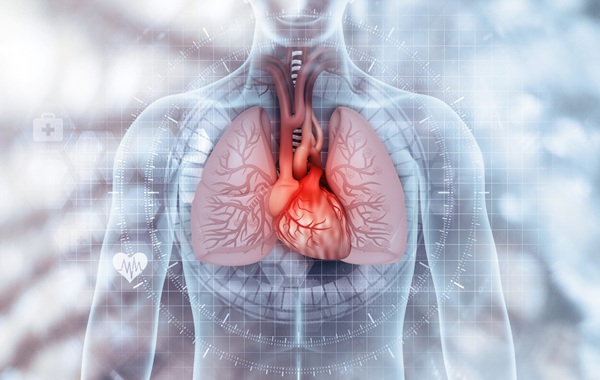
Noninvasive Monitoring Device Enables Earlier Intervention in Heart Failure
Hospitalizations for heart failure with preserved ejection fraction (HFpEF) remain common because lung congestion often worsens before symptoms prompt treatment changes. Missed early decompensation... Read more

Surgical Techniques
view channel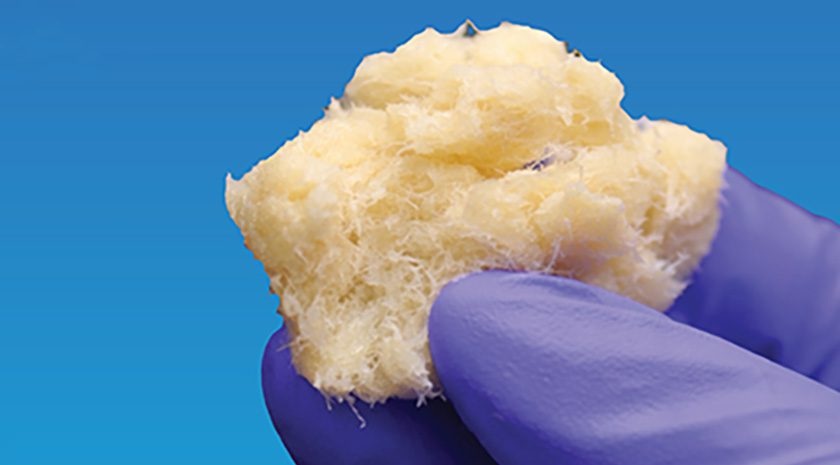
Fiber-Form Bone Graft Expands Intraoperative Options for Spinal Fusion
Spinal and orthopedic fusion procedures often require bone graft materials that handle predictably and support bone formation. Surgeons face added complexity in difficult anatomy and challenging fusion environments.... Read more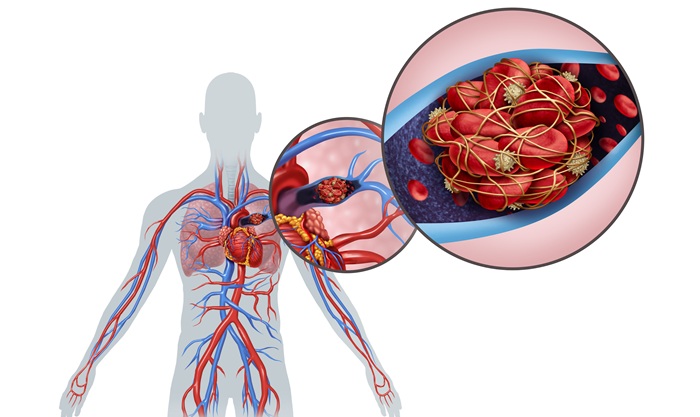
Ultrasound‑Aided Catheter Treatment Cuts Early Collapse in Pulmonary Embolism
Acute pulmonary embolism can cause rapid hemodynamic deterioration and early death in hospitalized and emergency patients. Systemic thrombolysis can dissolve clots but is limited by a high risk of major... Read more

Patient Care
view channel
Wearable Sleep Data Predict Adherence to Pulmonary Rehabilitation
Chronic obstructive pulmonary disease (COPD) is a long-term lung disorder that makes breathing difficult and often disturbs sleep, reducing energy for daily activities. Limited engagement in pulmonary... Read more
Revolutionary Automatic IV-Line Flushing Device to Enhance Infusion Care
More than 80% of in-hospital patients receive intravenous (IV) therapy. Every dose of IV medicine delivered in a small volume (<250 mL) infusion bag should be followed by subsequent flushing to ensure... Read more


Business
view channel
GE HealthCare Leads Major European Initiative to Advance Cardio-Oncology Care
Cardiovascular complications are increasingly recognized among people undergoing or recovering from cancer treatment, driven by pre‑existing disease and the cardiotoxic effects of chemotherapy, radiotherapy,... Read more

