






AI and Information Integration Aid Therapy Decisions
|
By HospiMedica International staff writers Posted on 06 Jun 2017 |


|

Image: Research suggests comprehensive, unified databases linking clinicians will aid therapy decisions (Photo courtesy of Alamy).
A new research alliance between the Fraunhofer Institute for Medical Image Computing and Siemens Healthineers will develop artificial intelligence (AI) software systems to facilitate diagnosis and therapy decisions using advanced data integration, comprehensive databases, and deep machine learning.
The collaboration will initially focus on tumor diseases, such as lung cancer, in order to help determine the necessity of a biopsy by displaying all information that could be relevant to making a decision. The physician would not have to gather information from separate sources, saving valuable time, and would also be informed of specific guidelines issued by medical specialist societies, which will be integrated automatically into the system, providing valuable support. Ultimately, the algorithms will link the case at hand with a comprehensive database of similar cases.
In addition, the system will help determine the best possible course of therapy by enabling physicians with different specialties to access one central system to view all relevant information, including X-ray and magnetic resonance imaging (MRI) images, tissue analyses, genetic parameters, lab values, and relevant data from the patient's electronic medical record (EMR). The algorithms will then search for similar patterns that could deliver insight into the case at hand. For example, did surgery outperform radiation therapy in similar cases? Does an ongoing course of chemotherapy bring the anticipated success, or should it be ceased?
“When it comes to detecting relevant patterns and correlations in complex data volumes, computers are now better than humans," said professor of medical imaging Horst Hahn, PhD, director of Fraunhofer MEVIS. “This does not mean, however, that computers will make therapy decisions. They will simply support physicians with database-driven knowledge.”
“The applications developed in collaboration with Fraunhofer MEVIS will support our customers to increase diagnostic quality and to make better decisions for their patients,” said Walter Maerzendorfer, president of diagnostic imaging at Siemens Healthineers. “Thanks to this research alliance and the merits of intelligent data integration, we take the next step towards evidence based medicine.”
Most of the information in clinics and medical practices is stored digitally, but until now image data, findings, lab values, digital patient records, and surgery reports have been handled separately. A current trend aimed at data integration into one unified software framework will eventually enable faster handling of medical information and is laying the foundation for more efficient interaction between different specialties and more precise and personalized clinical decisions.




The collaboration will initially focus on tumor diseases, such as lung cancer, in order to help determine the necessity of a biopsy by displaying all information that could be relevant to making a decision. The physician would not have to gather information from separate sources, saving valuable time, and would also be informed of specific guidelines issued by medical specialist societies, which will be integrated automatically into the system, providing valuable support. Ultimately, the algorithms will link the case at hand with a comprehensive database of similar cases.
In addition, the system will help determine the best possible course of therapy by enabling physicians with different specialties to access one central system to view all relevant information, including X-ray and magnetic resonance imaging (MRI) images, tissue analyses, genetic parameters, lab values, and relevant data from the patient's electronic medical record (EMR). The algorithms will then search for similar patterns that could deliver insight into the case at hand. For example, did surgery outperform radiation therapy in similar cases? Does an ongoing course of chemotherapy bring the anticipated success, or should it be ceased?
“When it comes to detecting relevant patterns and correlations in complex data volumes, computers are now better than humans," said professor of medical imaging Horst Hahn, PhD, director of Fraunhofer MEVIS. “This does not mean, however, that computers will make therapy decisions. They will simply support physicians with database-driven knowledge.”
“The applications developed in collaboration with Fraunhofer MEVIS will support our customers to increase diagnostic quality and to make better decisions for their patients,” said Walter Maerzendorfer, president of diagnostic imaging at Siemens Healthineers. “Thanks to this research alliance and the merits of intelligent data integration, we take the next step towards evidence based medicine.”
Most of the information in clinics and medical practices is stored digitally, but until now image data, findings, lab values, digital patient records, and surgery reports have been handled separately. A current trend aimed at data integration into one unified software framework will eventually enable faster handling of medical information and is laying the foundation for more efficient interaction between different specialties and more precise and personalized clinical decisions.

Gold Member
SARS‑CoV‑2/Flu A/Flu B/RSV Sample-To-Answer Test
SARS‑CoV‑2/Flu A/Flu B/RSV Cartridge (CE-IVD)
New
Glucose Meter
StatStrip®
New
Medical Adhesive
MED 5570U
Channels
Artificial Intelligence
view channel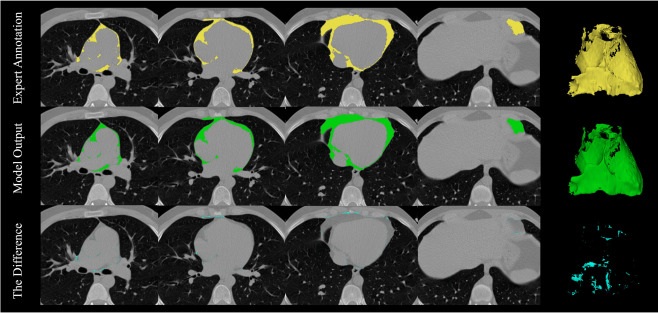
AI Analysis of Pericardial Fat Refines Long-Term Heart Disease Risk
Accurately identifying long-term cardiovascular disease risk in asymptomatic adults remains challenging for clinicians. Missed or underestimated risk delays preventive therapy and increases the chance... Read more
Machine Learning Approach Enhances Liver Cancer Risk Stratification
Hepatocellular carcinoma, the most common form of primary liver cancer, is often detected late despite targeted surveillance programs. Current screening guidelines emphasize patients with known cirrhosis,... Read more

Critical Care
view channel
Noninvasive Monitoring Device Enables Earlier Intervention in Heart Failure
Hospitalizations for heart failure with preserved ejection fraction (HFpEF) remain common because lung congestion often worsens before symptoms prompt treatment changes. Missed early decompensation... Read more
Automated IV Labeling Solution Improves Infusion Safety and Efficiency
Medication administration in high-acuity settings is often complicated by multiple concurrent infusions, making accurate line identification essential. In a 10-hospital intensive care unit study, 60% of... Read more

Surgical Techniques
view channel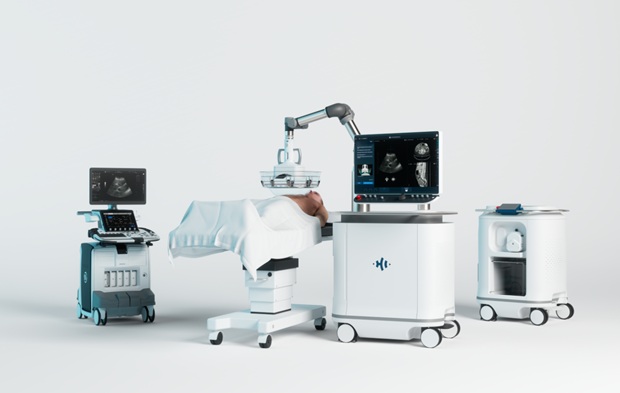
Ultrasound Technology Aims to Replace Invasive BPH Procedures
Benign prostatic hyperplasia (BPH) is a frequent cause of lower urinary tract symptoms in aging men and often requires invasive procedures or prolonged recovery. With prevalence expected to rise as populations... Read more
Continuous Monitoring with Wearables Enhances Postoperative Patient Safety
Postoperative hypoxemia on general surgical wards is common and often missed by intermittent vital sign checks. Undetected low oxygen levels can delay recovery and raise the risk of complications that... Read more
Patient Care
view channel
Wearable Sleep Data Predict Adherence to Pulmonary Rehabilitation
Chronic obstructive pulmonary disease (COPD) is a long-term lung disorder that makes breathing difficult and often disturbs sleep, reducing energy for daily activities. Limited engagement in pulmonary... Read more
Revolutionary Automatic IV-Line Flushing Device to Enhance Infusion Care
More than 80% of in-hospital patients receive intravenous (IV) therapy. Every dose of IV medicine delivered in a small volume (<250 mL) infusion bag should be followed by subsequent flushing to ensure... Read more


Business
view channel
GE HealthCare Leads Major European Initiative to Advance Cardio-Oncology Care
Cardiovascular complications are increasingly recognized among people undergoing or recovering from cancer treatment, driven by pre‑existing disease and the cardiotoxic effects of chemotherapy, radiotherapy,... Read more

