






Virtual Reality System Helps Reassure Surgical Patients
|
By HospiMedica International staff writers Posted on 26 Jul 2017 |


|
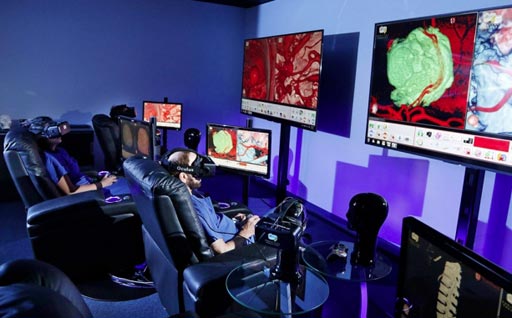
Image: A VR system assists surgeons in planning surgery and helps educate patients (Photo courtesy of Paul Sakuma/ Stanford University).
A new software system combines magnetic resonance imaging (MRI), computerized tomography (CT), and angiograms to create a virtual reality (VR) three-dimensional (3D) model.
The Surgical Theater (Mayfield Village, OH, USA) Precision VR medical visualization platform is designed to work on multiple levels of interaction and immersion for both patient and surgeon, with the aid of Oculus Rift or HTC Vive VR headset. When wearing the VR headset, the patient can explore the 3D model generated from his own imaging, thus bridging a critical gap in patient education and providing increased shared decision-making opportunities.
The Precision VR visualization platform also delivers powerful surgical planning capabilities and provides professional education and rehearsal functionality. Neurosurgeons can navigate their patients’ anatomy and simulate complex operations in surgical VR before making an incision. In addition, neurosurgical training for residents is available for even the most challenging surgical cases. Residents can hone their surgical techniques and situational awareness of the patient’s brain anatomy, optimizing performance and skill acquisition before entering the operating room.
“We see tremendous value in utilizing virtual reality across our treatment continuum, especially with regards to educating patients and families about complex treatments options,” said Professor Gary Steinberg, MD, PhD, chairman of the department of neurosurgery. “Equipping our neurosurgeons with virtual reality also allows us to advance our mission of precision medicine while further personalizing our approach to solve the most challenging neurological disorders for each patient.”
VR technology provides an immersive, multisensory, and 3D environment that enables users to have modified experiences of reality by stimulating the visual, auditory, and proprioception senses. VR has already been used to help treat anxiety disorders, support physical rehabilitation, and distract patients during wound care. For example, VR coupled with medication is effective in decreasing pain during bandage changes for severe burns, and provides positive distraction during routine procedures such as intravenous line placements and dental procedures.




The Surgical Theater (Mayfield Village, OH, USA) Precision VR medical visualization platform is designed to work on multiple levels of interaction and immersion for both patient and surgeon, with the aid of Oculus Rift or HTC Vive VR headset. When wearing the VR headset, the patient can explore the 3D model generated from his own imaging, thus bridging a critical gap in patient education and providing increased shared decision-making opportunities.
The Precision VR visualization platform also delivers powerful surgical planning capabilities and provides professional education and rehearsal functionality. Neurosurgeons can navigate their patients’ anatomy and simulate complex operations in surgical VR before making an incision. In addition, neurosurgical training for residents is available for even the most challenging surgical cases. Residents can hone their surgical techniques and situational awareness of the patient’s brain anatomy, optimizing performance and skill acquisition before entering the operating room.
“We see tremendous value in utilizing virtual reality across our treatment continuum, especially with regards to educating patients and families about complex treatments options,” said Professor Gary Steinberg, MD, PhD, chairman of the department of neurosurgery. “Equipping our neurosurgeons with virtual reality also allows us to advance our mission of precision medicine while further personalizing our approach to solve the most challenging neurological disorders for each patient.”
VR technology provides an immersive, multisensory, and 3D environment that enables users to have modified experiences of reality by stimulating the visual, auditory, and proprioception senses. VR has already been used to help treat anxiety disorders, support physical rehabilitation, and distract patients during wound care. For example, VR coupled with medication is effective in decreasing pain during bandage changes for severe burns, and provides positive distraction during routine procedures such as intravenous line placements and dental procedures.

Gold Member
STI Test
Vivalytic Sexually Transmitted Infection (STI) Array
New
Desk Aneroid Sphyg
Diagnostix 750D+
New
Fetal Monitor
BT-380
Channels
Artificial Intelligence
view channel
Machine Learning Approach Enhances Liver Cancer Risk Stratification
Hepatocellular carcinoma, the most common form of primary liver cancer, is often detected late despite targeted surveillance programs. Current screening guidelines emphasize patients with known cirrhosis,... Read more
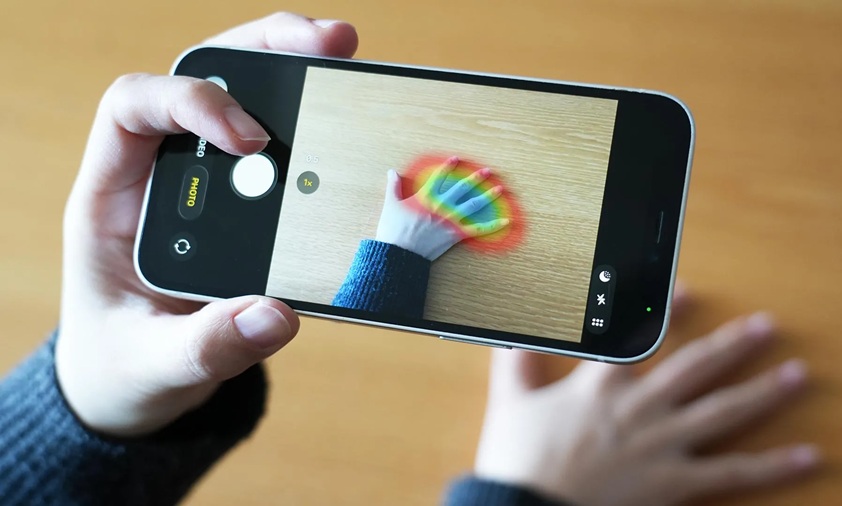
New AI Approach Monitors Brain Health Using Passive Wearable Data
Brain health spans cognitive and emotional functions and can fluctuate even in adults without diagnosed disease. Detecting early changes remains difficult in routine care and burdens specialty services... Read more
Critical Care
view channel
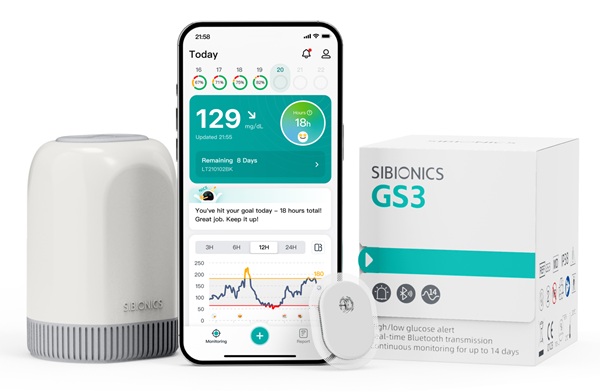
Automated IV Labeling Solution Improves Infusion Safety and Efficiency
Medication administration in high-acuity settings is often complicated by multiple concurrent infusions, making accurate line identification essential. In a 10-hospital intensive care unit study, 60% of... Read more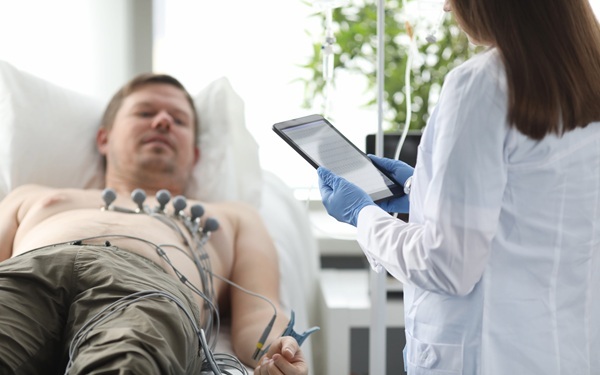
First-Of-Its-Kind AI Tool Detects Pulmonary Hypertension from Standard ECGs
Pulmonary hypertension is a progressive, life‑threatening disease that is frequently missed early because symptoms such as dyspnea are nonspecific and diagnostic delays can exceed two years.... Read more
Surgical Techniques
view channel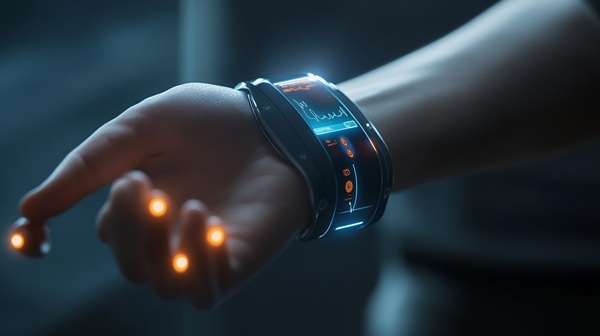
Continuous Monitoring with Wearables Enhances Postoperative Patient Safety
Postoperative hypoxemia on general surgical wards is common and often missed by intermittent vital sign checks. Undetected low oxygen levels can delay recovery and raise the risk of complications that... Read more
New Approach Enables Customized Muscle Tissue Without Biomaterial Scaffolds
Volumetric muscle loss is a traumatic loss of skeletal muscle that often leads to permanent functional impairment and limited reconstructive options. Current experimental strategies struggle to deliver... Read more
Patient Care
view channel
Wearable Sleep Data Predict Adherence to Pulmonary Rehabilitation
Chronic obstructive pulmonary disease (COPD) is a long-term lung disorder that makes breathing difficult and often disturbs sleep, reducing energy for daily activities. Limited engagement in pulmonary... Read more
Revolutionary Automatic IV-Line Flushing Device to Enhance Infusion Care
More than 80% of in-hospital patients receive intravenous (IV) therapy. Every dose of IV medicine delivered in a small volume (<250 mL) infusion bag should be followed by subsequent flushing to ensure... Read more


Business
view channel
GE HealthCare Leads Major European Initiative to Advance Cardio-Oncology Care
Cardiovascular complications are increasingly recognized among people undergoing or recovering from cancer treatment, driven by pre‑existing disease and the cardiotoxic effects of chemotherapy, radiotherapy,... Read more

