






Studies Show Prevalence of Hypertension in China
|
By HospiMedica International staff writers Posted on 07 Nov 2017 |


|

Image: New studies show only a small percentage of people with hypertension in China receive adequate treatment (Photo courtesy of 123rf.com).
Nearly half of Chinese adults have hypertension, fewer than one-third are being treated, and fewer than one in twelve are in control of their blood pressure (BP), warn two new studies.
Conducted by researchers at Yale University (New Haven, CT, USA), Fuwai Hospital (Beijing, China), and the Chinese National Center for Cardiovascular Disease (NCCD), located in Peking Union Medical College (PUMC; China), the two studies are part of the China Patient-Centered Evaluative Assessment of Cardiac Events (PEACE) Million Persons Project, an ongoing initiative to study and improve cardiovascular disease (CVD) risk factors in China.
The first study screened 1,738,886 million people (median age 55.6 years) in all 31 mainland China provinces for hypertension, defined as systolic BP of at least 140 mm Hg, diastolic BP of at least 90 mm Hg, or self-reported antihypertensive medication. The results revealed that 37% had high BP, but only 5.7% have it under control. Treatment rates were low, with only 22.9% of hypertensive patients taking any medication, and were mostly ineffective or inappropriate. Of the patients who were treated, most were only taking one medication. The second study analyzed antihypertensive medication prescription rates at 3,362 primary health care sites in China.
The results showed that 88.7% sites stocked at least one class of anti-hypertensive medications, but only one in three stocked all four classes; 8% of sites did not stock any BP medication at all. Moreover, only 32.7% of sites stocked high-value medications, and few of them were prescribed. The data revealed that higher cost medications were more likely to be prescribed than lower cost ones. The authors suggest that medicine policy will need to be refined in order to ensure low-cost, high value medications are prescribed as a priority. The studies were published on October 25, 2017, in a special issue on China of The Lancet.
“The small number of people in China who have this disease under control, even among those who receive medication, is quite alarming,” said co-senior author of both studies Professor Harlan Krumholz, MD, director of the Yale Center for Outcomes Research and Evaluation (CORE). “This remarkable collaboration has revealed substantial opportunities for improvement, with the prospect of preventing millions of events over the next decade if we can succeed in improving the control of hypertension in China.”
“Stroke is the leading cause of death in China, causing one in five deaths every year, and uncontrolled hypertension is a significant risk factor. Blood pressure levels in China are also increasing, likely because of an ageing population, urbanization, dietary changes, and obesity,” said co-senior author Professor Lixin Jiang, MD, PhD, of Fuwai Hospital. “The alarmingly low control rate, even among the minority of people who receive treatment, highlights the need for a national strategy on the prevention and treatment of hypertension.”
Related Links:
Yale University
Fuwai Hospital
Peking Union Medical College






Conducted by researchers at Yale University (New Haven, CT, USA), Fuwai Hospital (Beijing, China), and the Chinese National Center for Cardiovascular Disease (NCCD), located in Peking Union Medical College (PUMC; China), the two studies are part of the China Patient-Centered Evaluative Assessment of Cardiac Events (PEACE) Million Persons Project, an ongoing initiative to study and improve cardiovascular disease (CVD) risk factors in China.
The first study screened 1,738,886 million people (median age 55.6 years) in all 31 mainland China provinces for hypertension, defined as systolic BP of at least 140 mm Hg, diastolic BP of at least 90 mm Hg, or self-reported antihypertensive medication. The results revealed that 37% had high BP, but only 5.7% have it under control. Treatment rates were low, with only 22.9% of hypertensive patients taking any medication, and were mostly ineffective or inappropriate. Of the patients who were treated, most were only taking one medication. The second study analyzed antihypertensive medication prescription rates at 3,362 primary health care sites in China.
The results showed that 88.7% sites stocked at least one class of anti-hypertensive medications, but only one in three stocked all four classes; 8% of sites did not stock any BP medication at all. Moreover, only 32.7% of sites stocked high-value medications, and few of them were prescribed. The data revealed that higher cost medications were more likely to be prescribed than lower cost ones. The authors suggest that medicine policy will need to be refined in order to ensure low-cost, high value medications are prescribed as a priority. The studies were published on October 25, 2017, in a special issue on China of The Lancet.
“The small number of people in China who have this disease under control, even among those who receive medication, is quite alarming,” said co-senior author of both studies Professor Harlan Krumholz, MD, director of the Yale Center for Outcomes Research and Evaluation (CORE). “This remarkable collaboration has revealed substantial opportunities for improvement, with the prospect of preventing millions of events over the next decade if we can succeed in improving the control of hypertension in China.”
“Stroke is the leading cause of death in China, causing one in five deaths every year, and uncontrolled hypertension is a significant risk factor. Blood pressure levels in China are also increasing, likely because of an ageing population, urbanization, dietary changes, and obesity,” said co-senior author Professor Lixin Jiang, MD, PhD, of Fuwai Hospital. “The alarmingly low control rate, even among the minority of people who receive treatment, highlights the need for a national strategy on the prevention and treatment of hypertension.”
Related Links:
Yale University
Fuwai Hospital
Peking Union Medical College

New
Gold Member
Handheld Blood Glucose Analyzer
STAT-Site
New
POC Respiratory/Sore Throat Test
BIOFIRE SPOTFIRE (R/ST) Panel
New
Medical-Grade Display
HL2316SHTB
Latest Critical Care News
- Eye Imaging AI Identifies Elevated Cardiovascular Risk
- Noninvasive Monitoring Device Enables Earlier Intervention in Heart Failure
- Automated IV Labeling Solution Improves Infusion Safety and Efficiency
- First-Of-Its-Kind AI Tool Detects Pulmonary Hypertension from Standard ECGs
- 4D Digital Twin Heart Model Improves CRT Outcomes
- AI Turns Glucose Data Into Actionable Insights for Diabetes Care
- Microscale Wireless Implant Tracks Brain Activity Over Time
- Smart Mask Delivers Continuous, Battery-Free Breath Monitoring
- Routine Blood Pressure Readings May Identify Risk of Future Cognitive Decline
- CGM-Based Algorithm Enhances Insulin Dose Adjustment in Type 2 Diabetes
- Fish Scale–Based Implants Offer New Approach to Corneal Repair
- Dual-Function Wound Patch Combines Infection Sensing and Treatment
- Smartwatch Signals and Blood Tests Team Up for Early Warning on Insulin Resistance
- Smart Fabric Technology Aims to Prevent Pressure Injuries in Hospital Care
- Standardized Treatment Algorithm Improves Blood Pressure Control
- Combined Infection Control Strategy Limits Drug-Resistant Outbreak in NICU
Channels
Artificial Intelligence
view channel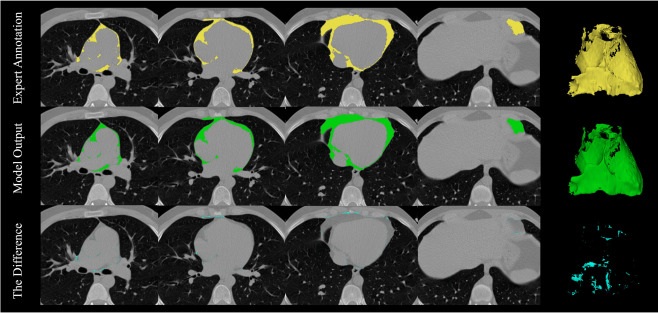
AI Analysis of Pericardial Fat Refines Long-Term Heart Disease Risk
Accurately identifying long-term cardiovascular disease risk in asymptomatic adults remains challenging for clinicians. Missed or underestimated risk delays preventive therapy and increases the chance... Read more
Machine Learning Approach Enhances Liver Cancer Risk Stratification
Hepatocellular carcinoma, the most common form of primary liver cancer, is often detected late despite targeted surveillance programs. Current screening guidelines emphasize patients with known cirrhosis,... Read more

Surgical Techniques
view channel
Fiber-Form Bone Graft Expands Intraoperative Options for Spinal Fusion
Spinal and orthopedic fusion procedures often require bone graft materials that handle predictably and support bone formation. Surgeons face added complexity in difficult anatomy and challenging fusion environments.... Read more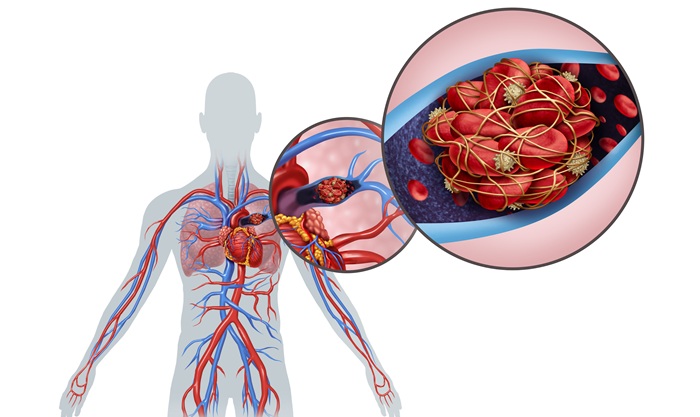
Ultrasound‑Aided Catheter Treatment Cuts Early Collapse in Pulmonary Embolism
Acute pulmonary embolism can cause rapid hemodynamic deterioration and early death in hospitalized and emergency patients. Systemic thrombolysis can dissolve clots but is limited by a high risk of major... Read more

Patient Care
view channel
Wearable Sleep Data Predict Adherence to Pulmonary Rehabilitation
Chronic obstructive pulmonary disease (COPD) is a long-term lung disorder that makes breathing difficult and often disturbs sleep, reducing energy for daily activities. Limited engagement in pulmonary... Read more
Revolutionary Automatic IV-Line Flushing Device to Enhance Infusion Care
More than 80% of in-hospital patients receive intravenous (IV) therapy. Every dose of IV medicine delivered in a small volume (<250 mL) infusion bag should be followed by subsequent flushing to ensure... Read more

Health IT
view channel
Voice-Driven AI System Enables Structured GI Procedure Documentation
Documentation during gastrointestinal (GI) procedures often competes with real-time clinical decision-making and imposes a significant cognitive burden on physicians. Manual data entry and post-procedure... Read more
EMR-Based Tool Predicts Graft Failure After Kidney Transplant
Kidney transplantation offers patients with end-stage kidney disease longer survival and better quality of life than dialysis, yet graft failure remains a major challenge. Although a successful transplant... Read more
Printable Molecule-Selective Nanoparticles Enable Mass Production of Wearable Biosensors
The future of medicine is likely to focus on the personalization of healthcare—understanding exactly what an individual requires and delivering the appropriate combination of nutrients, metabolites, and... Read more

Business
view channel
GE HealthCare Leads Major European Initiative to Advance Cardio-Oncology Care
Cardiovascular complications are increasingly recognized among people undergoing or recovering from cancer treatment, driven by pre‑existing disease and the cardiotoxic effects of chemotherapy, radiotherapy,... Read more

