






Catheter Flusher Advances Hydrocephalus Treatment
|
By HospiMedica International staff writers Posted on 27 Nov 2017 |


|
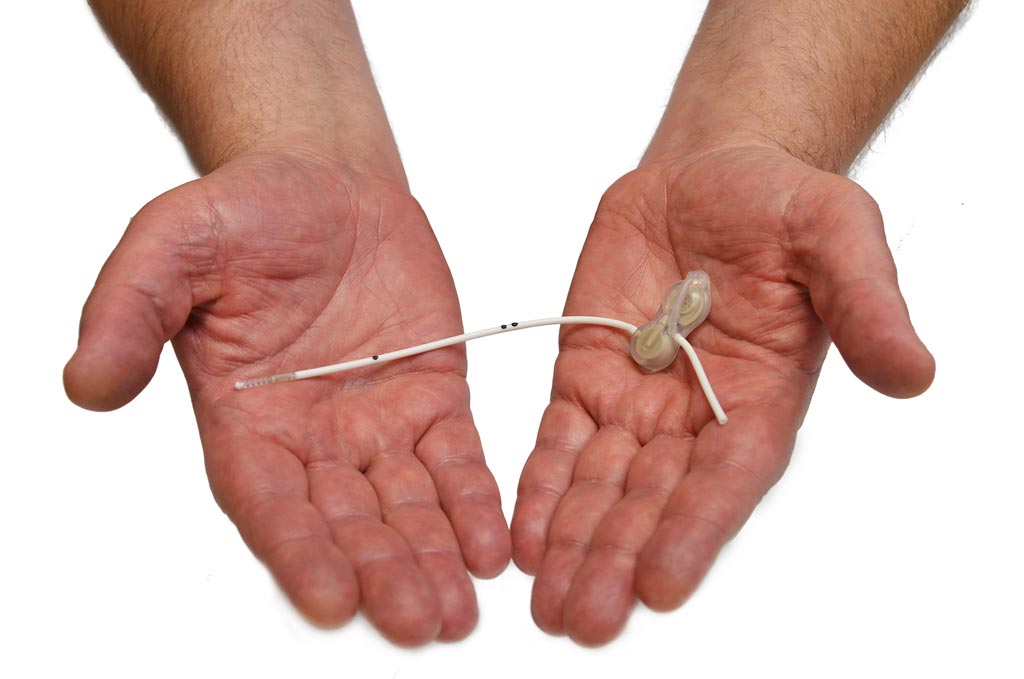
Image: The new Alivio system ventricular catheter and flusher system restores CSF flow (Photo courtesy of Alcyone Lifesciences).
A non-invasive ventricular catheter and flusher system restores or increases cerebrospinal fluid (CSF) flow in a non-flowing shunt.
The Alcyone Lifesciences (Lowell, MA, USA) Alivio system is designed to provide a non-invasive option for neurosurgeons to restore CSF flow in a non-flowing shunt, which may potentially avert emergency revision surgery. The system is comprised of a flusher and a ventricular catheter (VC) with a unique relief membrane designed to address one of the two most common problems with CSF shunts - obstruction of the ventricular catheter. The system is intended for use in conjunction with any CSF shunt flow-regulating valve and drainage catheter.
The flusher component does not regulate flow of the shunt system; it allows fluid from the ventricular catheter to flows freely, without restriction, through the passive flow channel. But during flushing, the passive channel is manually occluded to create temporary one-way flow into the ventricular catheter. After a controlled and limited fluid pulse is sent from the flusher, the flush dome refills with CSF from the ventricular catheter and resumes free flowing fluid through the passive flow channel.
In the case of completely obstructed flow through the shunt, the system offers a non-invasive means to flush the ventricular catheter. Retrograde flushing of the VC is performed by depression of the flush dome, which sends a controlled and limited pulse of fluid—CSF or sterile saline introduced from priming procedure before implant--into the VC. In the case of a severely occluded catheter, the relief membrane of the VC opens to restore antigrade flow in the shunt system.
“Patients and families dealing with hydrocephalus deserve a better quality of life and it is our hope that the Alivio system will provide peace-of-mind to these patients and families, living in fear and worry of potential abrupt shunt occlusions,” said PJ Anand, founder and CEO of Alcyone Lifesciences. “We are grateful to the patients and families with hydrocephalus, and clinicians treating these patients, for the encouragement and support. We are excited to launch this product in the United States and the European Union early in 2018.”
“Ventricular shunting can help save lives and improve the quality of life that otherwise most patients with hydrocephalus would never experience. However, shunt failures can be abrupt, without warning, carry significant morbidity, and be life-threatening,” said pediatric neurosurgeon Ramin Eskandari, MD, of the Medical University of South Carolina (Charleston, USA). “For the first time in over half a century there has been a game changing improvement in the field of hydrocephalus treatment. Implantation of Alcyone's new Alivio shunt system will enable neurosurgeons with the ability to provide emergency treatment during shunt malfunctions.”
Related Links:
Alcyone Lifesciences







The Alcyone Lifesciences (Lowell, MA, USA) Alivio system is designed to provide a non-invasive option for neurosurgeons to restore CSF flow in a non-flowing shunt, which may potentially avert emergency revision surgery. The system is comprised of a flusher and a ventricular catheter (VC) with a unique relief membrane designed to address one of the two most common problems with CSF shunts - obstruction of the ventricular catheter. The system is intended for use in conjunction with any CSF shunt flow-regulating valve and drainage catheter.
The flusher component does not regulate flow of the shunt system; it allows fluid from the ventricular catheter to flows freely, without restriction, through the passive flow channel. But during flushing, the passive channel is manually occluded to create temporary one-way flow into the ventricular catheter. After a controlled and limited fluid pulse is sent from the flusher, the flush dome refills with CSF from the ventricular catheter and resumes free flowing fluid through the passive flow channel.
In the case of completely obstructed flow through the shunt, the system offers a non-invasive means to flush the ventricular catheter. Retrograde flushing of the VC is performed by depression of the flush dome, which sends a controlled and limited pulse of fluid—CSF or sterile saline introduced from priming procedure before implant--into the VC. In the case of a severely occluded catheter, the relief membrane of the VC opens to restore antigrade flow in the shunt system.
“Patients and families dealing with hydrocephalus deserve a better quality of life and it is our hope that the Alivio system will provide peace-of-mind to these patients and families, living in fear and worry of potential abrupt shunt occlusions,” said PJ Anand, founder and CEO of Alcyone Lifesciences. “We are grateful to the patients and families with hydrocephalus, and clinicians treating these patients, for the encouragement and support. We are excited to launch this product in the United States and the European Union early in 2018.”
“Ventricular shunting can help save lives and improve the quality of life that otherwise most patients with hydrocephalus would never experience. However, shunt failures can be abrupt, without warning, carry significant morbidity, and be life-threatening,” said pediatric neurosurgeon Ramin Eskandari, MD, of the Medical University of South Carolina (Charleston, USA). “For the first time in over half a century there has been a game changing improvement in the field of hydrocephalus treatment. Implantation of Alcyone's new Alivio shunt system will enable neurosurgeons with the ability to provide emergency treatment during shunt malfunctions.”
Related Links:
Alcyone Lifesciences

New
Gold Member
Handheld Blood Glucose Analyzer
STAT-Site
New
Pediatric Mask
Respire SOFT
New
X-Ray Generator
Advantage Plus Generators
Latest Surgical Techniques News
- Fiber-Form Bone Graft Expands Intraoperative Options for Spinal Fusion
- Ultrasound‑Aided Catheter Treatment Cuts Early Collapse in Pulmonary Embolism
- Ultrasound Technology Aims to Replace Invasive BPH Procedures
- Continuous Monitoring with Wearables Enhances Postoperative Patient Safety
- New Approach Enables Customized Muscle Tissue Without Biomaterial Scaffolds
- Robot-Assisted Brain Angiography Improves Procedural Outcomes
- Brain Mapping Technology Enhances Precision in Brain Tumor Resection
- Handheld Robotic System Expands Options for Total Knee Surgery
- VR Experience Reduces Patient Anxiety Before Kidney Stone Procedure
- Injectable Mini Livers Offer Hope for Patients Awaiting Transplant
- Pulsed Field Ablation Technology Cleared in Europe for Persistent AFib
- AI-Powered Imaging Brings Real-Time Margin Clarity to Breast Cancer Surgery
- Minimally Invasive Device Safely Treats Challenging Brain Aneurysms
- Surgical Robot Makes Complex Liver Tumor Surgery Safer and Less Invasive
- Neurostimulation Implant Reduces Seizure Burden in Drug-Resistant Epilepsy
- Minimally Invasive Procedure Effectively Treats Small Kidney Cancers
Channels
Artificial Intelligence
view channel
AI Analysis of Pericardial Fat Refines Long-Term Heart Disease Risk
Accurately identifying long-term cardiovascular disease risk in asymptomatic adults remains challenging for clinicians. Missed or underestimated risk delays preventive therapy and increases the chance... Read more
Machine Learning Approach Enhances Liver Cancer Risk Stratification
Hepatocellular carcinoma, the most common form of primary liver cancer, is often detected late despite targeted surveillance programs. Current screening guidelines emphasize patients with known cirrhosis,... Read more

Critical Care
view channel
Eye Imaging AI Identifies Elevated Cardiovascular Risk
Many adults at risk for atherosclerotic cardiovascular disease are not identified until they undergo formal primary care assessment. Delayed risk recognition can postpone initiation of statins and lifestyle... Read more
Noninvasive Monitoring Device Enables Earlier Intervention in Heart Failure
Hospitalizations for heart failure with preserved ejection fraction (HFpEF) remain common because lung congestion often worsens before symptoms prompt treatment changes. Missed early decompensation... Read more
Patient Care
view channel
Wearable Sleep Data Predict Adherence to Pulmonary Rehabilitation
Chronic obstructive pulmonary disease (COPD) is a long-term lung disorder that makes breathing difficult and often disturbs sleep, reducing energy for daily activities. Limited engagement in pulmonary... Read more
Revolutionary Automatic IV-Line Flushing Device to Enhance Infusion Care
More than 80% of in-hospital patients receive intravenous (IV) therapy. Every dose of IV medicine delivered in a small volume (<250 mL) infusion bag should be followed by subsequent flushing to ensure... Read more

Health IT
view channel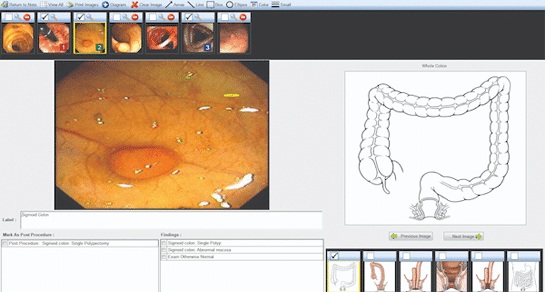
Voice-Driven AI System Enables Structured GI Procedure Documentation
Documentation during gastrointestinal (GI) procedures often competes with real-time clinical decision-making and imposes a significant cognitive burden on physicians. Manual data entry and post-procedure... Read more
EMR-Based Tool Predicts Graft Failure After Kidney Transplant
Kidney transplantation offers patients with end-stage kidney disease longer survival and better quality of life than dialysis, yet graft failure remains a major challenge. Although a successful transplant... Read more
Printable Molecule-Selective Nanoparticles Enable Mass Production of Wearable Biosensors
The future of medicine is likely to focus on the personalization of healthcare—understanding exactly what an individual requires and delivering the appropriate combination of nutrients, metabolites, and... Read more

Business
view channel
GE HealthCare Leads Major European Initiative to Advance Cardio-Oncology Care
Cardiovascular complications are increasingly recognized among people undergoing or recovering from cancer treatment, driven by pre‑existing disease and the cardiotoxic effects of chemotherapy, radiotherapy,... Read more

