TeraRecon to Sell EnvoyAI Platform
|
By HospiMedica International staff writers Posted on 12 Dec 2017 |


|

Image: TeraRecon has entered into a distribution partnership with EnvoyAI to sell and market the EnvoyAI platform (Photo courtesy of TeraRecon).
TeraRecon (Foster City, CA, USA), a provider of advanced visualization solutions, has entered into a distribution partnership with EnvoyAI (Cambridge, MA, USA) to sell and market the EnvoyAI platform. The platform includes a content-rich artificial intelligence (AI) marketplace, called the EnvoyAI Exchange, as well as a suite of market-ready AI-enablement technologies aimed at fostering broader access and clinical use of medical imaging algorithms within busy radiology practices.
TeraRecon provides advanced visualization, image viewing and post-processing solutions that leverage AI to improving radiology workflow through personalized automation features for increased efficiency. EnvoyAI provides a developer platform, integrations, and an API interface for algorithm developers, technology partners, and end-users. It facilitates the streamlined distribution and hospital implementation of trained machine learning algorithms via a vendor neutral distribution platform. The platform allows users anywhere to access cloud-based algorithms without requiring access to the algorithm code or training data to protect PHI and developer intellectual property. EnvoyAI also works with distribution partners to make algorithms on the platform available to a very wide footprint of hospitals and, ultimately, to physicians.
As a distributor of EnvoyAI, TeraRecon will offer instant access to the platform containing more than 35 algorithms and initially focus on driving sales on two FDA-cleared algorithms from Imbio and icometrix, as well as one of its own cleared algorithms. Imbio offers lung density reporting for COPD analysis with chest CT scans. The Imbio CT Lung Density Analysis software provides reproducible CT values for pulmonary tissue, which is essential for providing quantitative support for diagnosis and follow up examinations. icometrix offers icobrain, an FDA-cleared brain MRI tool that is intended for automatic labeling, visualization and volumetric quantification of segmentable brain structures from a set of MR images. The software is intended to automate the current manual process of identifying, labeling and quantifying the volumes of segmentable brain structures identified on MR images. TeraRecon offers iNtuition Time Density Analysis for CT, which supports stroke triage workflow by producing colorized parametric maps of the brain from time-resolved, thin-slice CT scans of the head with contrast, including CBF, CBV, MTT, TTP, TOT, RT map types.
“The automated outputs from Imbio and icometrix elevate the standard of care without creating additional work for radiologists,” said Jeff Sorenson, President and CEO of TeraRecon. “The combined workflows achieved by TeraRecon and EnvoyAI deliver these results in a fast, flexible, and extensible way allowing our customers to easily introduce AI into their medical imaging enterprise.”






TeraRecon provides advanced visualization, image viewing and post-processing solutions that leverage AI to improving radiology workflow through personalized automation features for increased efficiency. EnvoyAI provides a developer platform, integrations, and an API interface for algorithm developers, technology partners, and end-users. It facilitates the streamlined distribution and hospital implementation of trained machine learning algorithms via a vendor neutral distribution platform. The platform allows users anywhere to access cloud-based algorithms without requiring access to the algorithm code or training data to protect PHI and developer intellectual property. EnvoyAI also works with distribution partners to make algorithms on the platform available to a very wide footprint of hospitals and, ultimately, to physicians.
As a distributor of EnvoyAI, TeraRecon will offer instant access to the platform containing more than 35 algorithms and initially focus on driving sales on two FDA-cleared algorithms from Imbio and icometrix, as well as one of its own cleared algorithms. Imbio offers lung density reporting for COPD analysis with chest CT scans. The Imbio CT Lung Density Analysis software provides reproducible CT values for pulmonary tissue, which is essential for providing quantitative support for diagnosis and follow up examinations. icometrix offers icobrain, an FDA-cleared brain MRI tool that is intended for automatic labeling, visualization and volumetric quantification of segmentable brain structures from a set of MR images. The software is intended to automate the current manual process of identifying, labeling and quantifying the volumes of segmentable brain structures identified on MR images. TeraRecon offers iNtuition Time Density Analysis for CT, which supports stroke triage workflow by producing colorized parametric maps of the brain from time-resolved, thin-slice CT scans of the head with contrast, including CBF, CBV, MTT, TTP, TOT, RT map types.
“The automated outputs from Imbio and icometrix elevate the standard of care without creating additional work for radiologists,” said Jeff Sorenson, President and CEO of TeraRecon. “The combined workflows achieved by TeraRecon and EnvoyAI deliver these results in a fast, flexible, and extensible way allowing our customers to easily introduce AI into their medical imaging enterprise.”

Gold Member
12-Channel ECG
CM1200B
Resorbable Bovine Collagen Membrane
GenDerm
POC Respiratory/Sore Throat Test
BIOFIRE SPOTFIRE (R/ST) Panel
Latest AI News
- Explainable AI Tool Identifies High-Risk Patients Before Heart Attack Reperfusion
- AI Tools Show Potential to Detect Subtle Signs of Interval Breast Cancer
- AI Framework Aims to Turn Medical Care from Reactive to Preventive
- AI Model Predicts Indwelling Catheter Use After Spinal Cord Injury
- AI Tool Uses Mammograms to Detect Common Cardiovascular Diseases
- AI Tool Predicts Post-Heart Attack Trajectories to Personalize Follow-Up
- AI Digital Twin Platform Supports Personalized Cancer Treatment
- Study Reveals Persistent Race and Gender Bias in Medical AI Models
- New Study Highlights Benefits and Risks of AI Explanations in Clinical Diagnosis
- AI Improves Bronchoscopic Navigation to Difficult-to-Reach Lung Lesions
- Collaborative AI System Improves Medical Diagnostic Accuracy
- AI-Powered Brain-Body Interface Supports Movement and Sensation Recovery
- New AI Tool Identifies Support Needs in Spinal Cord Stimulation
- AI Tool Predicts Chronic Kidney Disease Risk in Diabetes
- AI Trends Report Guides Responsible, Effective Healthcare Deployment
Channels
Artificial Intelligence
view channel
Explainable AI Tool Identifies High-Risk Patients Before Heart Attack Reperfusion
Intramyocardial hemorrhage is bleeding within the heart muscle that can occur after blood flow is restored during heart attack treatment. It affects about 40% of patients treated for ST-segment elevation... Read more
AI Tools Show Potential to Detect Subtle Signs of Interval Breast Cancer
Interval breast cancers, diagnosed after a negative screening mammogram and before the next scheduled exam, remain an important measure of screening performance and are often more aggressive.... Read more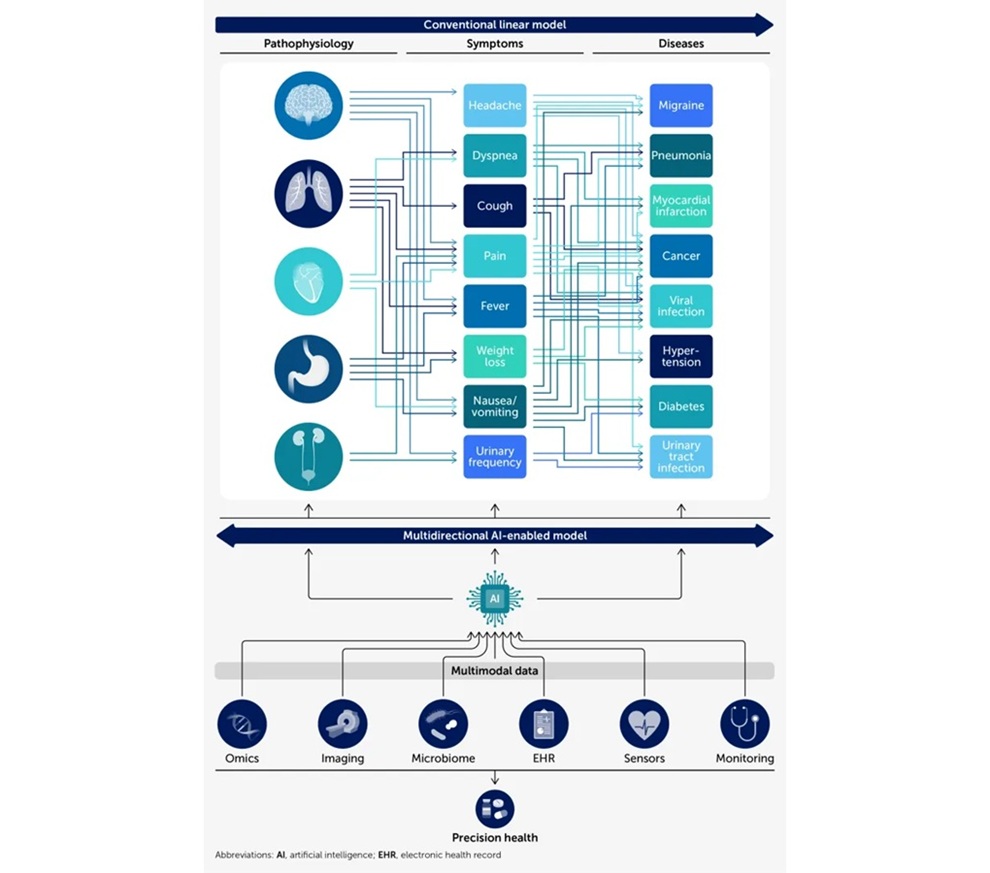

Critical Care
view channel
Wearable Microneedle Device Aims to Enable Remotely Managed Pain Relief
Chronic pain often forces patients to rely on repeat clinic visits or prolonged analgesic use, which carries risks of side effects and dependency. Opioids for severe pain can lead to tolerance and misuse,... Read more
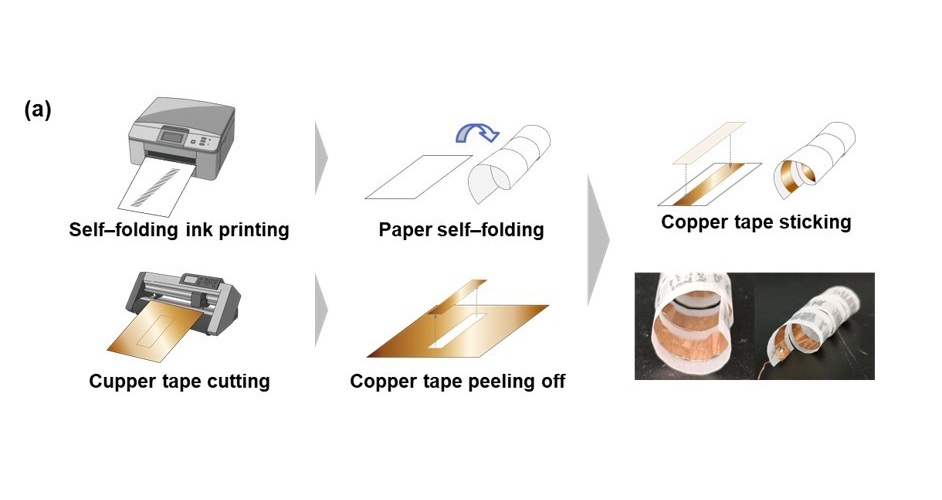
Octopus-Inspired Patch Improves Adhesion for Transdermal Drug Delivery
Transdermal drug delivery requires secure contact between a patch and dynamically moving skin. Everyday bending and stretching can open microgaps that degrade adhesion and reduce dose consistency, limiting... Read more
Surgical Techniques
view channel
New Microcatheter Enhances Lesion Crossing in Complex Coronary Interventions
Crossing resistant coronary lesions during percutaneous coronary intervention can be hindered by tortuous or calcified anatomy, delaying therapy and complicating device delivery. Many microcatheters rely... Read more
Integrated Perioperative Care Model Improves Recovery in Older Surgical Patients
Older adults undergoing major surgery often experience anxiety and depression that can slow rehabilitation and worsen functional recovery. Many also take central nervous system–active medications that... Read more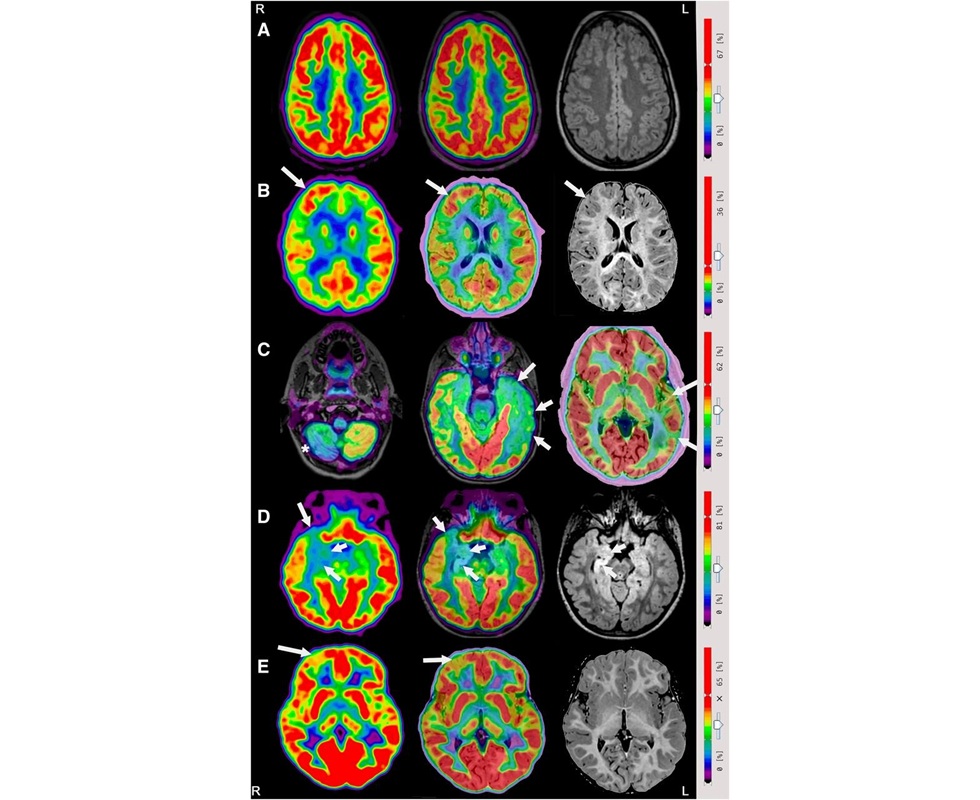
Integrated PET/MRI and EEG Improves Presurgical Lesion Localization in Pediatric Focal Epilepsy
Focal epilepsy, in which seizures arise from a discrete brain region, requires precise lesion localization before surgery. Many children have negative or inconclusive magnetic resonance imaging (MRI),... Read more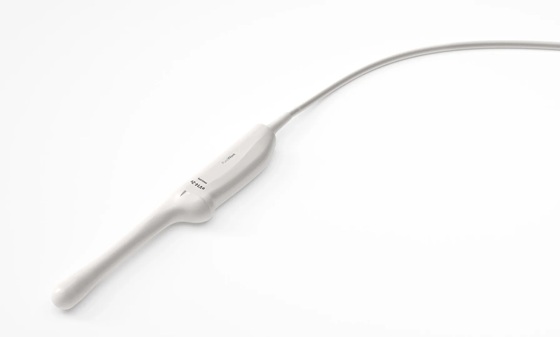
New Transvaginal Transducer Improves Imaging for Gynecology and Early Obstetrics
Transvaginal ultrasound is central to gynecology and early obstetrics, where clinicians must balance deep tissue penetration with high-resolution imaging. Switching probes to achieve this balance can interrupt... Read morePatient Care
view channel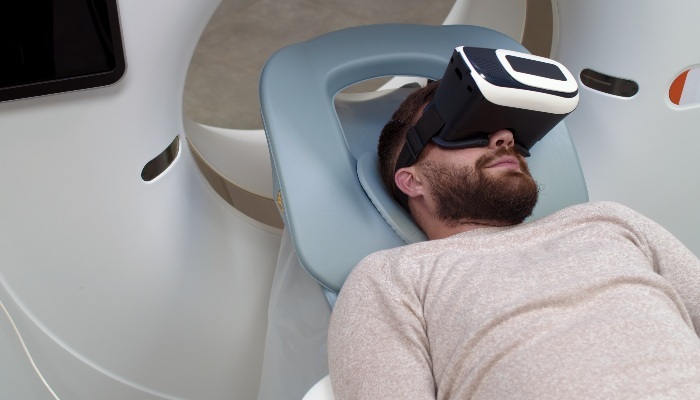
Virtual Reality Helps Claustrophobic Patients Complete Cardiac PET/CT Scans
Anxiety and claustrophobia—intense fear of confined spaces—often prevent patients from completing cardiac positron emission tomography/computed tomography (PET/CT). Aborted scans delay diagnosis, consume... Read more
Weighted Blankets Reduce Anxiety in Hospitalized Adults
Anxiety is common among hospitalized adults and can impair recovery, disrupt sleep, and worsen mental health. Although clinicians often use nonpharmacologic strategies, bedside options that act quickly... Read more
Health IT
view channel
Registry-Driven Digital Outreach Boosts Use of Heart Failure Medicines
Heart failure affects more than 64 million people worldwide and is linked to high mortality, reduced quality of life, and heavy healthcare use. Although sodium-glucose cotransporter 2 inhibitors are proven... Read more
Nurse-Coordinated Care Model Improves Heart Failure Outcomes
Heart failure imposes heavy mortality, morbidity, and cost burdens worldwide, yet proven therapies remain underused in routine practice. This inadequate uptake contributes to preventable hospitalizations... Read more

Point of Care
view channel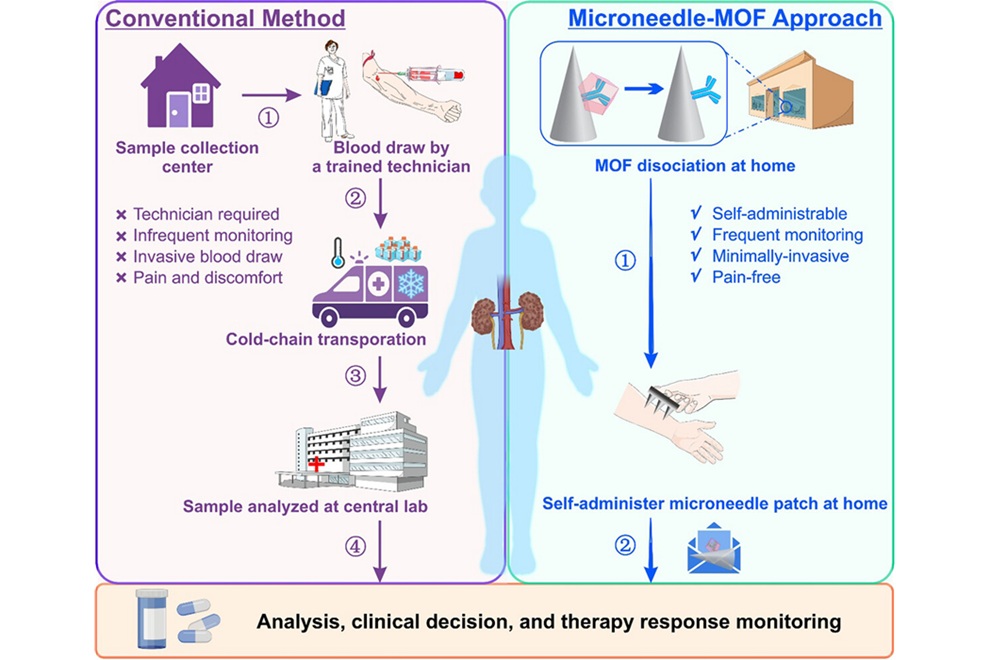
Microneedle Patch Enables At-Home Monitoring of Acute Kidney Injury
Kidney disease is often silent in its early stages, making timely detection difficult outside clinical settings. Early biomarkers such as neutrophil gelatinase–associated lipocalin can require blood draws... Read more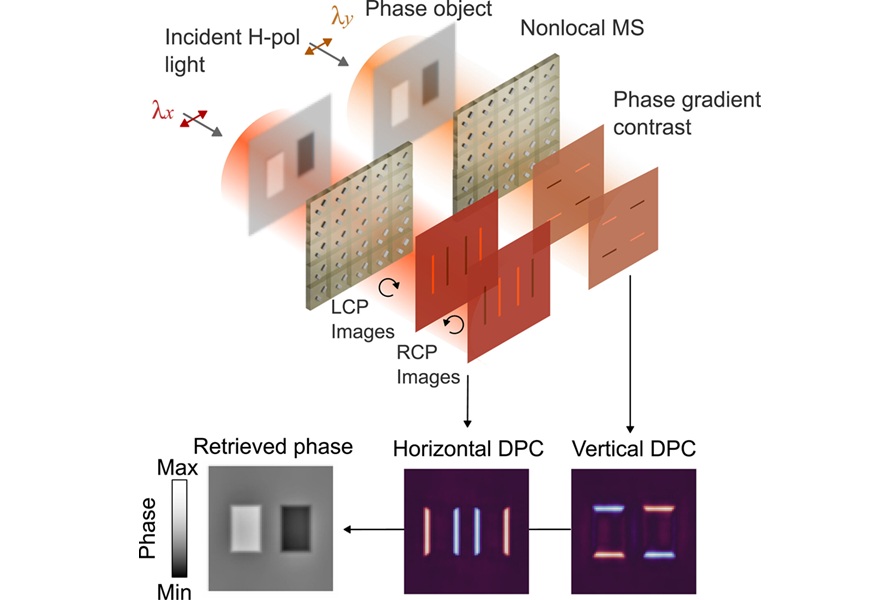
Ultrathin Metasurface Could Bring Quantitative Phase Imaging to Portable Devices
Point-of-care imaging often depends on bulky optical systems that have difficulty visualizing nearly transparent cells and tissues without staining. These limitations can slow diagnosis and restrict use... Read more
Business
view channel
Robotic Single-Port System Gains CE Mark for Transvaginal Gynecologic Procedures
Intuitive (Sunnyvale, CA, USA) announced that it has received CE mark approval for use of the da Vinci SP Single Port surgical system in transvaginal gynecologic procedures, marking the first such indication... Read more