






New POC Alert System Integrates with Hospital EMR
|
By HospiMedica International staff writers Posted on 30 Jan 2018 |


|

Image: An innovative POC alert platform signals care needs within the EMR (Photo courtesy of Innovaccer).
A novel point-of-care (POC) alert system links multiple data sources in order to assess care gaps, risk scores, disease registries, clinical documentation gaps, and other patient information.
The Innovaccer (San Francisco, CA, USA) InAssist POC alerts solution streams and integrates disparate data sources into a patient’s electronic medical record (EMR), recognizes when that patient needs attention, and offers actionable insights to healthcare providers; the data is presented on-screen via simple, real-time alerts within the EMR itself. In addition, InAssist synchronizes the EMR with the providers' calendar and presents upcoming appointments via timely reminders. The application runs with all the browser-accessible EMRs, with no prior configuration needed.
The information can be customized to suit individual and specific needs, including relevant demographic details, time-sensitive care gaps, hospital coding gaps, diverse risk scores, specific patient markers (such as a frequent emergency department visitor), vital signs, lab results, medications, a list of recent visits, and a directory of the patients care team (principal physician, specialists, dietician, health coach, etc.). InAssist can also be integrated with other data systems using a proprietary application programming interface (API) that leverages Innovaccer's InData platform to gain access to more information.
“With the growing role of data and technology in healthcare, we understand the continued importance of providers spending more time with patients rather than spending half their day sorting through static files and millions of records,” said Abhinav Shashank, CEO of Innovaccer. “InAssist is a significant step in our commitment to making health data transparent, accessible, and impactful. We are optimistic that it will not only deliver crucial point-of-care alerts but also save a great deal of time for care teams.”
Recent studies reveal that physicians spend almost half their time on EMR and deskwork activities, and just over a quarter of their time with actual patients. Outside of office hours, physicians spent another one to two hours of personal time each night on data entry demands. Another study, by the RAND Corporation (Pittsburgh, PA, USA), confirms that EMRs and administrative obstacles that impede high-quality patient care are leading contributors to physician burnout.
Related Links:
Innovaccer
RAND Corporation




The Innovaccer (San Francisco, CA, USA) InAssist POC alerts solution streams and integrates disparate data sources into a patient’s electronic medical record (EMR), recognizes when that patient needs attention, and offers actionable insights to healthcare providers; the data is presented on-screen via simple, real-time alerts within the EMR itself. In addition, InAssist synchronizes the EMR with the providers' calendar and presents upcoming appointments via timely reminders. The application runs with all the browser-accessible EMRs, with no prior configuration needed.
The information can be customized to suit individual and specific needs, including relevant demographic details, time-sensitive care gaps, hospital coding gaps, diverse risk scores, specific patient markers (such as a frequent emergency department visitor), vital signs, lab results, medications, a list of recent visits, and a directory of the patients care team (principal physician, specialists, dietician, health coach, etc.). InAssist can also be integrated with other data systems using a proprietary application programming interface (API) that leverages Innovaccer's InData platform to gain access to more information.
“With the growing role of data and technology in healthcare, we understand the continued importance of providers spending more time with patients rather than spending half their day sorting through static files and millions of records,” said Abhinav Shashank, CEO of Innovaccer. “InAssist is a significant step in our commitment to making health data transparent, accessible, and impactful. We are optimistic that it will not only deliver crucial point-of-care alerts but also save a great deal of time for care teams.”
Recent studies reveal that physicians spend almost half their time on EMR and deskwork activities, and just over a quarter of their time with actual patients. Outside of office hours, physicians spent another one to two hours of personal time each night on data entry demands. Another study, by the RAND Corporation (Pittsburgh, PA, USA), confirms that EMRs and administrative obstacles that impede high-quality patient care are leading contributors to physician burnout.
Related Links:
Innovaccer
RAND Corporation

Gold Member
SARS‑CoV‑2/Flu A/Flu B/RSV Sample-To-Answer Test
SARS‑CoV‑2/Flu A/Flu B/RSV Cartridge (CE-IVD)
New
Patient Monitoring System
AlarmSense
New
Glucose Meter
StatStrip®
Channels
Artificial Intelligence
view channel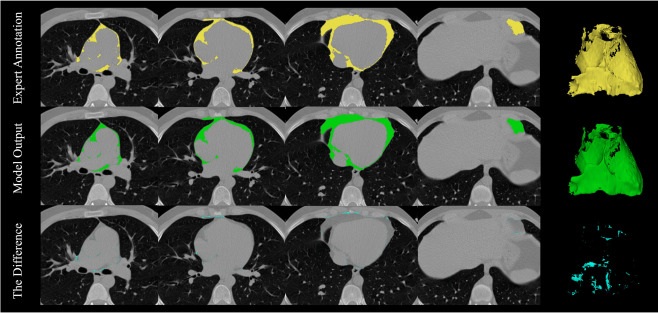
AI Analysis of Pericardial Fat Refines Long-Term Heart Disease Risk
Accurately identifying long-term cardiovascular disease risk in asymptomatic adults remains challenging for clinicians. Missed or underestimated risk delays preventive therapy and increases the chance... Read more
Machine Learning Approach Enhances Liver Cancer Risk Stratification
Hepatocellular carcinoma, the most common form of primary liver cancer, is often detected late despite targeted surveillance programs. Current screening guidelines emphasize patients with known cirrhosis,... Read more

Critical Care
view channel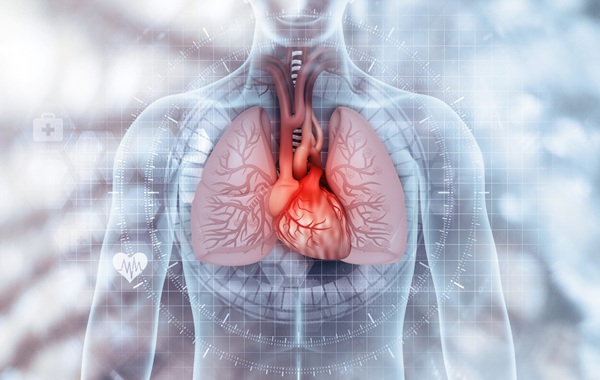
Noninvasive Monitoring Device Enables Earlier Intervention in Heart Failure
Hospitalizations for heart failure with preserved ejection fraction (HFpEF) remain common because lung congestion often worsens before symptoms prompt treatment changes. Missed early decompensation... Read more
Automated IV Labeling Solution Improves Infusion Safety and Efficiency
Medication administration in high-acuity settings is often complicated by multiple concurrent infusions, making accurate line identification essential. In a 10-hospital intensive care unit study, 60% of... Read more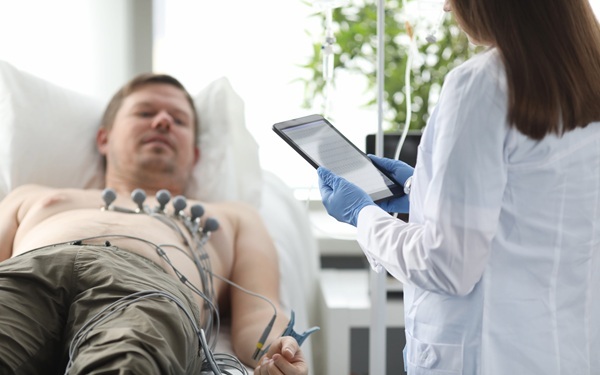

Surgical Techniques
view channel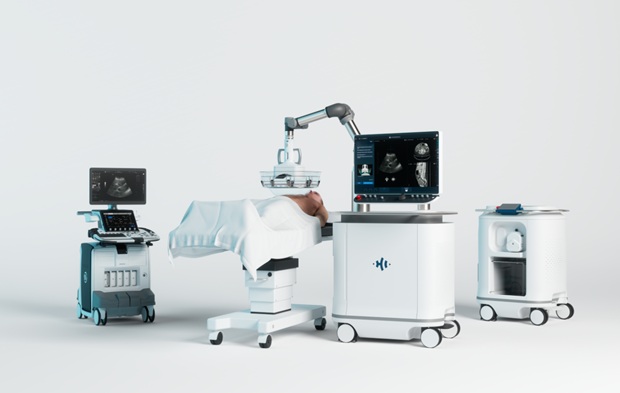
Ultrasound Technology Aims to Replace Invasive BPH Procedures
Benign prostatic hyperplasia (BPH) is a frequent cause of lower urinary tract symptoms in aging men and often requires invasive procedures or prolonged recovery. With prevalence expected to rise as populations... Read more
Continuous Monitoring with Wearables Enhances Postoperative Patient Safety
Postoperative hypoxemia on general surgical wards is common and often missed by intermittent vital sign checks. Undetected low oxygen levels can delay recovery and raise the risk of complications that... Read more
Patient Care
view channel
Wearable Sleep Data Predict Adherence to Pulmonary Rehabilitation
Chronic obstructive pulmonary disease (COPD) is a long-term lung disorder that makes breathing difficult and often disturbs sleep, reducing energy for daily activities. Limited engagement in pulmonary... Read more
Revolutionary Automatic IV-Line Flushing Device to Enhance Infusion Care
More than 80% of in-hospital patients receive intravenous (IV) therapy. Every dose of IV medicine delivered in a small volume (<250 mL) infusion bag should be followed by subsequent flushing to ensure... Read more


Business
view channel
GE HealthCare Leads Major European Initiative to Advance Cardio-Oncology Care
Cardiovascular complications are increasingly recognized among people undergoing or recovering from cancer treatment, driven by pre‑existing disease and the cardiotoxic effects of chemotherapy, radiotherapy,... Read more

