






Climate Change May Increase Heart Attack Risk
|
By HospiMedica International staff writers Posted on 12 Mar 2018 |


|
A new study suggests that large day-to-day swings in temperature are associated with significantly more myocardial infarctions (MIs).
Researchers at the University of Michigan (U-M; Ann Arbor, USA) reviewed data from over 30,000 patients treated at 45 Michigan hospitals between 2010 and 2016. All patients had received percutaneous coronary intervention (PCI) after being diagnosed with ST-elevated MI. The researchers calculated the daily temperature fluctuation--defined as the difference between the highest and lowest temperature--preceding each MI, based on weather records for the hospital's ZIP code. The researchers also adjusted for precipitation totals, day of the week, and seasonal trends to isolate the effects of daily temperature fluctuations from other potential environmental factors.
Overall, the results showed the risk of MI increased by about 5% for every five-degree (Celsius) jump in temperature differential. Swings higher than 25 degrees were associated with a greater increase in heart attack rates, compared to a smaller increase with temperature swings of 10-25 degrees. The effect was more pronounced on days with a higher average temperature. On a hot summer day, nearly twice as many heart attacks occurred as on days with a temperature fluctuation of 35-40 degrees than on days with no fluctuation. The study was presented at the American College of Cardiology (ACC) 67th annual scientific session, held during March 2018 in Orlando (FL, USA).
“Global warming is expected to cause extreme weather events, which may, in turn, result in large day-to-day fluctuations in temperature,” said lead author Hedvig Andersson, MD, a cardiology researcher at U-M. “While the body has effective systems for responding to changes in temperature, it might be that more rapid and extreme fluctuations create more stress on those systems, which could contribute to health problems.”
“Generally, we think of heart attack risk factors as those that apply to individual patients and we have, consequently, identified lifestyle changes or medications to modify them,” said senior author Professor Hitinder Gurm, MD, of U-M. “Temperature fluctuations are common and [often] predictable. More research is needed to better understand the underlying mechanisms for how temperature fluctuations increase the risk of heart attacks, which would allow us to perhaps devise a successful prevention approach.”
Related Links:
University of Michigan






Researchers at the University of Michigan (U-M; Ann Arbor, USA) reviewed data from over 30,000 patients treated at 45 Michigan hospitals between 2010 and 2016. All patients had received percutaneous coronary intervention (PCI) after being diagnosed with ST-elevated MI. The researchers calculated the daily temperature fluctuation--defined as the difference between the highest and lowest temperature--preceding each MI, based on weather records for the hospital's ZIP code. The researchers also adjusted for precipitation totals, day of the week, and seasonal trends to isolate the effects of daily temperature fluctuations from other potential environmental factors.
Overall, the results showed the risk of MI increased by about 5% for every five-degree (Celsius) jump in temperature differential. Swings higher than 25 degrees were associated with a greater increase in heart attack rates, compared to a smaller increase with temperature swings of 10-25 degrees. The effect was more pronounced on days with a higher average temperature. On a hot summer day, nearly twice as many heart attacks occurred as on days with a temperature fluctuation of 35-40 degrees than on days with no fluctuation. The study was presented at the American College of Cardiology (ACC) 67th annual scientific session, held during March 2018 in Orlando (FL, USA).
“Global warming is expected to cause extreme weather events, which may, in turn, result in large day-to-day fluctuations in temperature,” said lead author Hedvig Andersson, MD, a cardiology researcher at U-M. “While the body has effective systems for responding to changes in temperature, it might be that more rapid and extreme fluctuations create more stress on those systems, which could contribute to health problems.”
“Generally, we think of heart attack risk factors as those that apply to individual patients and we have, consequently, identified lifestyle changes or medications to modify them,” said senior author Professor Hitinder Gurm, MD, of U-M. “Temperature fluctuations are common and [often] predictable. More research is needed to better understand the underlying mechanisms for how temperature fluctuations increase the risk of heart attacks, which would allow us to perhaps devise a successful prevention approach.”
Related Links:
University of Michigan

Gold Member
12-Channel ECG
CM1200B
New
Pediatric Mask
Respire SOFT
New
Medical Adhesive
MED 5570U
Latest Critical Care News
- Automated IV Labeling Solution Improves Infusion Safety and Efficiency
- First-Of-Its-Kind AI Tool Detects Pulmonary Hypertension from Standard ECGs
- 4D Digital Twin Heart Model Improves CRT Outcomes
- AI Turns Glucose Data Into Actionable Insights for Diabetes Care
- Microscale Wireless Implant Tracks Brain Activity Over Time
- Smart Mask Delivers Continuous, Battery-Free Breath Monitoring
- Routine Blood Pressure Readings May Identify Risk of Future Cognitive Decline
- CGM-Based Algorithm Enhances Insulin Dose Adjustment in Type 2 Diabetes
- Fish Scale–Based Implants Offer New Approach to Corneal Repair
- Dual-Function Wound Patch Combines Infection Sensing and Treatment
- Smartwatch Signals and Blood Tests Team Up for Early Warning on Insulin Resistance
- Smart Fabric Technology Aims to Prevent Pressure Injuries in Hospital Care
- Standardized Treatment Algorithm Improves Blood Pressure Control
- Combined Infection Control Strategy Limits Drug-Resistant Outbreak in NICU
- AI Helps Predict Which Heart-Failure Patients Will Worsen Within a Year
- Algorithm Allows Paramedics to Predict Brain Damage Risk After Cardiac Arrest
Channels
Artificial Intelligence
view channel
Machine Learning Approach Enhances Liver Cancer Risk Stratification
Hepatocellular carcinoma, the most common form of primary liver cancer, is often detected late despite targeted surveillance programs. Current screening guidelines emphasize patients with known cirrhosis,... Read more
New AI Approach Monitors Brain Health Using Passive Wearable Data
Brain health spans cognitive and emotional functions and can fluctuate even in adults without diagnosed disease. Detecting early changes remains difficult in routine care and burdens specialty services... Read more

Surgical Techniques
view channel
Continuous Monitoring with Wearables Enhances Postoperative Patient Safety
Postoperative hypoxemia on general surgical wards is common and often missed by intermittent vital sign checks. Undetected low oxygen levels can delay recovery and raise the risk of complications that... Read more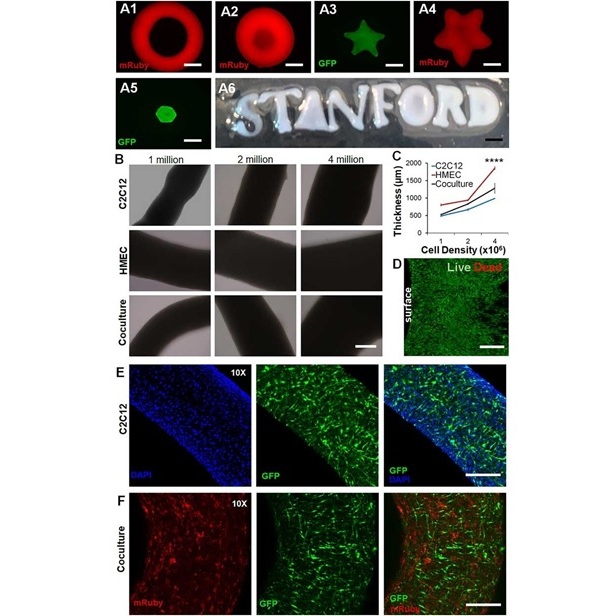
New Approach Enables Customized Muscle Tissue Without Biomaterial Scaffolds
Volumetric muscle loss is a traumatic loss of skeletal muscle that often leads to permanent functional impairment and limited reconstructive options. Current experimental strategies struggle to deliver... Read more

Patient Care
view channel
Wearable Sleep Data Predict Adherence to Pulmonary Rehabilitation
Chronic obstructive pulmonary disease (COPD) is a long-term lung disorder that makes breathing difficult and often disturbs sleep, reducing energy for daily activities. Limited engagement in pulmonary... Read more
Revolutionary Automatic IV-Line Flushing Device to Enhance Infusion Care
More than 80% of in-hospital patients receive intravenous (IV) therapy. Every dose of IV medicine delivered in a small volume (<250 mL) infusion bag should be followed by subsequent flushing to ensure... Read more

Health IT
view channel
EMR-Based Tool Predicts Graft Failure After Kidney Transplant
Kidney transplantation offers patients with end-stage kidney disease longer survival and better quality of life than dialysis, yet graft failure remains a major challenge. Although a successful transplant... Read more
Printable Molecule-Selective Nanoparticles Enable Mass Production of Wearable Biosensors
The future of medicine is likely to focus on the personalization of healthcare—understanding exactly what an individual requires and delivering the appropriate combination of nutrients, metabolites, and... Read more


Business
view channel
GE HealthCare Leads Major European Initiative to Advance Cardio-Oncology Care
Cardiovascular complications are increasingly recognized among people undergoing or recovering from cancer treatment, driven by pre‑existing disease and the cardiotoxic effects of chemotherapy, radiotherapy,... Read more

