






New RF Module Facilitates Implantable Medical Device Design
|
By HospiMedica International staff writers Posted on 13 Mar 2018 |


|
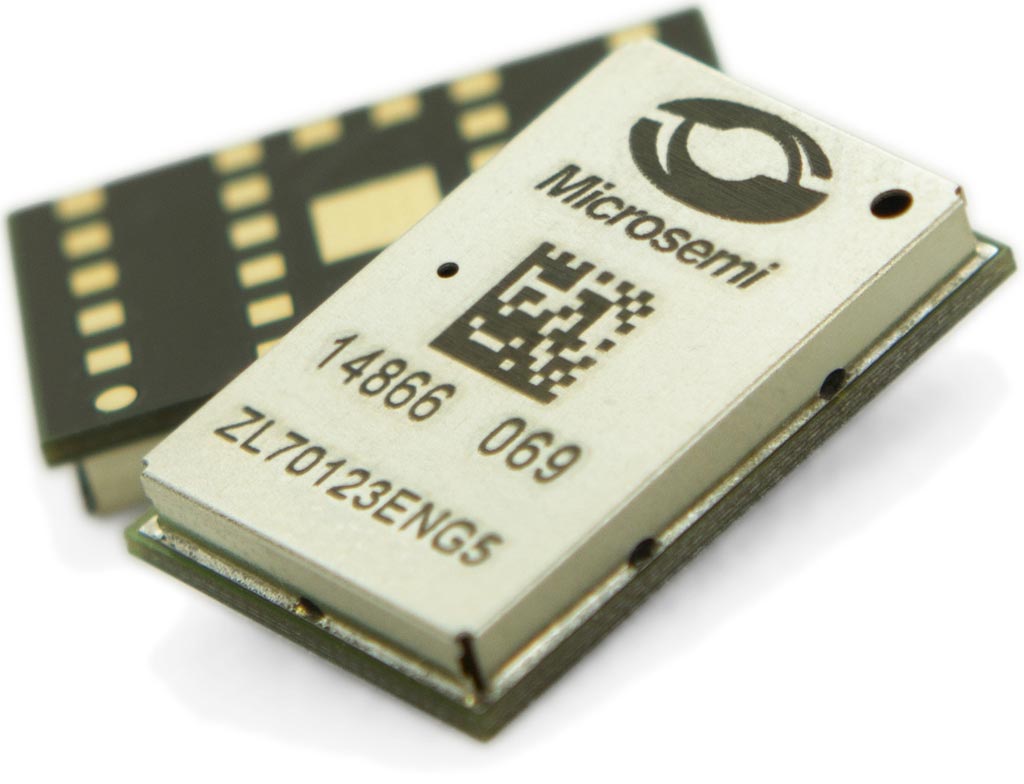
Image: The Microsemi ZL70123 base station RF module (Photo courtesy of Microsemi).
A new radio frequency (RF) base station module has been developed specifically for external controllers and monitors of implantable medical devices.
The Microsemi (Aliso Viejo, CA, USA) ZL70123 base station module, combined with the ZL70323 implant module, is designed to provide a complete solution for achieving superior performance in next-generation medical networks (Med-Net). Both modules are based on the latest generation of Microsemi's ultralow power (ULP) radio transceiver chip, which uses the medical implant communication service (MICS) 402-405 MHz RF band. The ZL70123 supports multiple ULP wake-up options, including the 2.45 GHz industrial, scientific, and medical (ISM) band.
The new ZL70123 base station module includes all RF-related functions required to deploy external device functions in a MICS-band RF telemetry system, including an integrated matching network with a nominal 50 ohm RF port; a bandpass filter for suppression of unwanted blockers; a 2.45 GHz wake-up transmitter with a nominal 50 ohm RF port; and a fully shielded, 18×12×3 mm package. Microsemi also offers an application development kit (ADK) for future expansion.
The matching Microsemi ZL70323 implant module consumes less than six milliamps (mA) of power when transmitting or receiving data, and consumes just 10 nanoamperes (nA) when in its sleep state. An integrated antenna tuning circuit allows the module to be used with a wide range of implant antennas (as nominal antenna impedance load is 100+j150 ohms). Additional features include surface acoustic wave filters for suppression of unwanted blockers and antenna tuning; an integrated 24 MHz reference frequency crystal; and decoupling capacitors.
“The ZL70123 base station module raises the bar in implant telemetry by offering more flexibility, longer range capability, and smaller size than its predecessor, while maintaining backward compatibility with older systems,” said Jeff Kuhn, application manager for Microsemi. “Combining the ZL70123 base station module with the ZL70323 implant module, Microsemi's Med-Net radio solution enables deeper implants with strong communication links while preserving battery power.”
“RF engineering is a highly specialized discipline, and leveraging Microsemi's deep expertise in this area allows our customers to reduce design times and minimize project risk,” said Martin McHugh, product line manager for implant modules at Microsemi. “With Microsemi's two-module radio link, companies can now focus research dollars and development efforts on new therapies that enable a better quality of life.”
Related Links:
Microsemi




The Microsemi (Aliso Viejo, CA, USA) ZL70123 base station module, combined with the ZL70323 implant module, is designed to provide a complete solution for achieving superior performance in next-generation medical networks (Med-Net). Both modules are based on the latest generation of Microsemi's ultralow power (ULP) radio transceiver chip, which uses the medical implant communication service (MICS) 402-405 MHz RF band. The ZL70123 supports multiple ULP wake-up options, including the 2.45 GHz industrial, scientific, and medical (ISM) band.
The new ZL70123 base station module includes all RF-related functions required to deploy external device functions in a MICS-band RF telemetry system, including an integrated matching network with a nominal 50 ohm RF port; a bandpass filter for suppression of unwanted blockers; a 2.45 GHz wake-up transmitter with a nominal 50 ohm RF port; and a fully shielded, 18×12×3 mm package. Microsemi also offers an application development kit (ADK) for future expansion.
The matching Microsemi ZL70323 implant module consumes less than six milliamps (mA) of power when transmitting or receiving data, and consumes just 10 nanoamperes (nA) when in its sleep state. An integrated antenna tuning circuit allows the module to be used with a wide range of implant antennas (as nominal antenna impedance load is 100+j150 ohms). Additional features include surface acoustic wave filters for suppression of unwanted blockers and antenna tuning; an integrated 24 MHz reference frequency crystal; and decoupling capacitors.
“The ZL70123 base station module raises the bar in implant telemetry by offering more flexibility, longer range capability, and smaller size than its predecessor, while maintaining backward compatibility with older systems,” said Jeff Kuhn, application manager for Microsemi. “Combining the ZL70123 base station module with the ZL70323 implant module, Microsemi's Med-Net radio solution enables deeper implants with strong communication links while preserving battery power.”
“RF engineering is a highly specialized discipline, and leveraging Microsemi's deep expertise in this area allows our customers to reduce design times and minimize project risk,” said Martin McHugh, product line manager for implant modules at Microsemi. “With Microsemi's two-module radio link, companies can now focus research dollars and development efforts on new therapies that enable a better quality of life.”
Related Links:
Microsemi

Gold Member
STI Test
Vivalytic Sexually Transmitted Infection (STI) Array
New
Desk Aneroid Sphyg
Diagnostix 750D+
New
Rapid Sepsis Test
SeptiCyte RAPID
Channels
Artificial Intelligence
view channel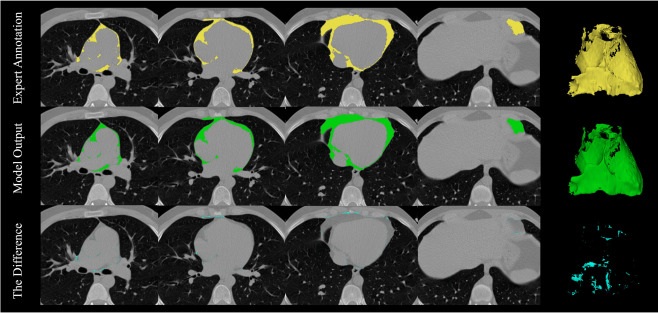
AI Analysis of Pericardial Fat Refines Long-Term Heart Disease Risk
Accurately identifying long-term cardiovascular disease risk in asymptomatic adults remains challenging for clinicians. Missed or underestimated risk delays preventive therapy and increases the chance... Read more
Machine Learning Approach Enhances Liver Cancer Risk Stratification
Hepatocellular carcinoma, the most common form of primary liver cancer, is often detected late despite targeted surveillance programs. Current screening guidelines emphasize patients with known cirrhosis,... Read more

Critical Care
view channel
Noninvasive Monitoring Device Enables Earlier Intervention in Heart Failure
Hospitalizations for heart failure with preserved ejection fraction (HFpEF) remain common because lung congestion often worsens before symptoms prompt treatment changes. Missed early decompensation... Read more
Automated IV Labeling Solution Improves Infusion Safety and Efficiency
Medication administration in high-acuity settings is often complicated by multiple concurrent infusions, making accurate line identification essential. In a 10-hospital intensive care unit study, 60% of... Read more

Surgical Techniques
view channel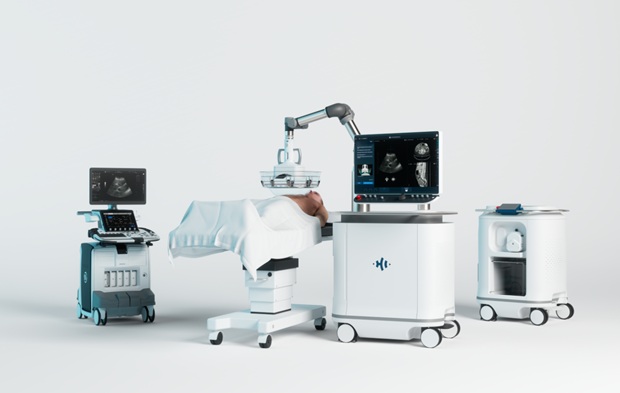
Ultrasound Technology Aims to Replace Invasive BPH Procedures
Benign prostatic hyperplasia (BPH) is a frequent cause of lower urinary tract symptoms in aging men and often requires invasive procedures or prolonged recovery. With prevalence expected to rise as populations... Read more
Continuous Monitoring with Wearables Enhances Postoperative Patient Safety
Postoperative hypoxemia on general surgical wards is common and often missed by intermittent vital sign checks. Undetected low oxygen levels can delay recovery and raise the risk of complications that... Read more
Patient Care
view channel
Wearable Sleep Data Predict Adherence to Pulmonary Rehabilitation
Chronic obstructive pulmonary disease (COPD) is a long-term lung disorder that makes breathing difficult and often disturbs sleep, reducing energy for daily activities. Limited engagement in pulmonary... Read more
Revolutionary Automatic IV-Line Flushing Device to Enhance Infusion Care
More than 80% of in-hospital patients receive intravenous (IV) therapy. Every dose of IV medicine delivered in a small volume (<250 mL) infusion bag should be followed by subsequent flushing to ensure... Read more


Business
view channel
GE HealthCare Leads Major European Initiative to Advance Cardio-Oncology Care
Cardiovascular complications are increasingly recognized among people undergoing or recovering from cancer treatment, driven by pre‑existing disease and the cardiotoxic effects of chemotherapy, radiotherapy,... Read more

